能源

Search documents
银河期货每日早盘观察-20251204
Yin He Qi Huo· 2025-12-04 02:23
Report Industry Investment Rating No relevant content provided. Core Viewpoints of the Report - The overall market maintains a volatile trend, with different sectors showing various performance characteristics. Factors such as policy changes, supply - demand relationships, and geopolitical issues significantly impact the market. For example, the expected Fed rate cut affects the precious metals market, and geopolitical conflicts influence the oil market [69][70][121]. Summary by Related Catalogs Financial Derivatives - **Stock Index Futures**: The market lacks catalysts and remains volatile. It is recommended to reduce long positions at high levels, conduct IM/IC 2512 long + ETF short cash - and - carry arbitrage, and adopt a double - buying option strategy [19][20][21]. - **Treasury Bond Futures**: The sentiment is weak, and the ultra - long end is under pressure. It is advisable to lightly short the T contract on rallies and be cautious about curve - steepening arbitrage [24][25][26]. Agricultural Products - **Protein Meal**: There is obvious supply pressure, and the price of US soybeans continues to decline. It is recommended to wait and see and adopt a strategy of selling wide - straddle options [28][29]. - **Sugar**: International sugar prices are adjusting, and domestic sugar prices are falling. It is suggested to wait and see [30][31][33]. - **Oilseeds and Oils**: The market continues to fluctuate. It is recommended to buy low and sell high in the short term [34][35][36]. - **Corn/Corn Starch**: The spot is strong, and the futures are in a high - level volatile state. Different trading strategies are proposed for different contracts [37][39]. - **Hogs**: There is still supply pressure, and the price fluctuates slightly. A bearish strategy is recommended [40][41][42]. - **Peanuts**: The spot is stable, and the futures fluctuate downward. Short - selling at high levels for the 01 contract and waiting and seeing for the 05 contract are advised [44][45][46]. - **Eggs**: The demand is average, and the price is mainly stable. It is recommended to build long positions at low levels for far - month contracts [47][48][49]. - **Apples**: The inventory is low, and the fundamentals are strong. It is recommended to wait and see [50][51][52]. - **Cotton - Cotton Yarn**: The fundamental contradictions are not significant, and the price fluctuates mainly. It is expected that US cotton will fluctuate in a range, and Zhengzhou cotton will be slightly strong in the short term [53][54][55]. Ferrous Metals - **Steel**: The steel price fluctuates in a range, and the cost provides support. It is recommended to maintain a volatile strategy, short the coil - coal ratio and the coil - rebar spread [58][59]. - **Coking Coal and Coke**: They are in a bottom - oscillating state. It is advisable to lightly go long on far - month contracts at low levels [60][61][62]. - **Iron Ore**: It should be treated with a bearish view at high levels [63][64][65]. - **Ferroalloys**: The cost drives a short - term rebound, but the demand suppresses the rebound height. It is recommended to sell out - of - the - money straddle option combinations [66][67]. Non - Ferrous Metals - **Gold and Silver**: Gold remains stable, and the game for silver intensifies. It is recommended to hold long positions for gold and be cautious with new positions for silver, and buy out - of - the - money call options [69][70][71]. - **Platinum and Palladium**: Platinum can be bought on dips, and palladium fluctuates. It is recommended to go long on the platinum - palladium ratio and buy out - of - the - money call options [72][73][75]. - **Copper**: The LME cancelled warrants increase significantly, and the copper price hits a new high. It is recommended to hold remaining long positions and pay attention to cash - and - carry arbitrage opportunities [77][78][79]. - **Alumina**: There is no substantial production cut, and the price is weak. It is recommended to wait and see [80][81][83]. - **Electrolytic Aluminum**: The overseas market sentiment is volatile, and the fundamentals are supportive. It is recommended to be bullish on dips in the medium term [86][87]. - **Cast Aluminum Alloy**: It moves with the aluminum price. It is recommended to wait and see [88][89][90]. - **Zinc**: It fluctuates widely. It is recommended to wait and see [91][92]. - **Lead**: It fluctuates in a range. It is advisable to go long lightly on dips [93][94]. - **Nickel**: Supply increases and demand decreases in December. It is recommended to be a short - side allocation [96][97]. - **Stainless Steel**: Supply and demand are weak. It is recommended to be a short - side allocation [99][100][101]. - **Industrial Silicon**: It fluctuates in a range, and it is recommended to short on rallies [102][105]. - **Polysilicon**: There is an expectation of state - purchase implementation, and the price may strengthen again. It is recommended to avoid short positions first and try to go long on far - month contracts at low levels [107][108]. - **Lithium Carbonate**: It is under pressure to correct in the medium term. It is recommended to buy after a full correction in the long term [109][110][111]. - **Tin**: The expectation of rate cut and supply concerns drive the price up. It is recommended to maintain a high - level volatile view [112][113][114]. Shipping - **Container Shipping**: There is still an expectation of a price increase in January, and the futures are expected to continue to rebound. It is recommended to hold long positions in the EC2602 contract and consider partial profit - taking for the 2 - 4 cash - and - carry arbitrage [115][116][119]. Energy and Chemicals - **Crude Oil**: Geopolitical conflicts dominate, and the price fluctuates widely. It is recommended to wait and see [120][121][122]. - **Asphalt**: The pessimistic sentiment eases, and the price rebounds. It is recommended to sell out - of - the - money call options for the BU2601 contract [123][124][125]. - **Fuel Oil**: The supply of high - sulfur fuel oil continues to increase. It is recommended to wait and see [125][126][128]. - **Natural Gas**: The terminal demand is weak, and the price drops faster. It is recommended to sell call options for TTF and adopt a combination of selling out - of - the - money call options and buying out - of - the - money put options for HH [130][132][134]. - **PX & PTA**: PX supply is abundant, and PTA has an inventory accumulation expectation. It is recommended to conduct reverse arbitrage for PX1, 3 contracts and PTA1, 5 contracts and sell out - of - the - money call and put options [135][136]. - **Ethylene Glycol**: There is an inventory accumulation expectation, and the price drops. It is recommended to sell out - of - the - money call options [138][139]. - **Short - Fiber**: Domestic demand declines seasonally. It is recommended to adopt a double - selling option strategy [140][141]. - **Bottle Chips**: The demand is expected to weaken in the off - season. It is recommended to adopt a double - selling option strategy [142][143]. - **Pure Benzene and Styrene**: The cost lacks support, and the inventory needs to be reduced. It is recommended to short pure benzene and go long on styrene and sell out - of - the - money call options [145][146][148]. - **Propylene**: The price of external propane rises, and propylene fluctuates at a high level. It is recommended to short on rallies and sell call options [151][152]. - **Plastic PP**: The cost increases. It is recommended to wait and see for the L and PP 01 contracts and hold the SPC L2605&PP2605 contract [153][154][155]. - **Caustic Soda**: The price is weak. It is recommended to wait and see [156][157]. - **PVC**: It is in a weak downward trend. It is recommended to wait and see [158][159][160]. - **Soda Ash**: It fluctuates. It is recommended to pay attention to the opportunity of shorting soda ash and going long on glass for the 05 contract [161][162]. - **Glass**: The cold - repair logic weakens, and the price drops. It is recommended to pay attention to the opportunity of shorting soda ash and going long on glass for the 05 contract [163][164][165]. - **Methanol**: It fluctuates mainly. It is recommended to pay attention to the 5 - 9 cash - and - carry arbitrage [167][169]. - **Urea**: It fluctuates strongly. It is expected to be strong in the short term and weak in the medium term [170][171][172]. - **Pulp**: The sentiment in the spot market improves. It is recommended to wait and see and take profit on previous long positions gradually [173][174][176]. - **Logs**: The fundamentals are weakening. It is recommended to wait and see and pay attention to the potential impact of Sino - Japanese relations on log imports [176][177][178]. - **Offset Printing Paper**: The supply pressure remains, and the market lacks upward momentum. It is recommended to sell the OP2602 - C - 4200 option [183][184]. - **Natural Rubber and No. 20 Rubber**: Hold short positions. It is recommended to set stop - loss levels for RU01 and NR01 contracts and hold the RU2601 - NR2601 spread [186][187][189]. - **Butadiene Rubber**: The oil - end cost decreases. It is recommended to hold short positions for the BR 02 contract and the BR2602 - NR2602 spread [190][191][192].
能源化工期权:能源化工期权策略早报-20251204
Wu Kuang Qi Huo· 2025-12-04 02:16
1. Report's Investment Rating for the Industry - No information provided on the industry investment rating 2. Core Viewpoints of the Report - The energy - chemical sector is mainly divided into energy, alcohols, polyolefins, rubber, polyesters, alkalis, and others. Strategies suggest constructing option portfolios mainly with sellers and using spot hedging or covered strategies to enhance returns [3][9] 3. Summary by Relevant Catalogs 3.1 Futures Market Overview - The report presents the latest prices, price changes, trading volumes, and open interest of various energy - chemical futures contracts, including crude oil, LPG, methanol, etc. For example, the latest price of crude oil (SC2601) is 451, with a change of 2 and a percentage increase of 0.36% [4] 3.2 Option Factors 3.2.1 Volume - Open Interest PCR - It shows the volume, volume change, open interest, open interest change, volume PCR, volume PCR change, open interest PCR, and open interest PCR change of different option varieties. For instance, the volume PCR of crude oil options is 0.80, with a change of 0.33, and the open interest PCR is 0.60, with a change of - 0.09 [5] 3.2.2 Pressure and Support Levels - From the perspective of the strike prices with the largest open interest of call and put options, the pressure and support levels of option underlying assets are analyzed. For example, the pressure level of crude oil is 540, and the support level is 440 [6] 3.2.3 Implied Volatility - It provides the at - the - money implied volatility, weighted implied volatility, weighted implied volatility change, annual average implied volatility, call implied volatility, put implied volatility, 20 - day historical implied volatility, and the difference between implied and historical volatility of various options. For example, the at - the - money implied volatility of crude oil options is 26.69% [7] 3.3 Strategy and Recommendations 3.3.1 Energy - Class Options (Crude Oil) - Fundamental analysis: US refinery demand has stabilized and rebounded. Shale oil production has slightly decreased, and refinery diesel output has increased. OPEC's short - term supply is flat, and there are changes in exports in some regions [8] - Market analysis: Crude oil prices showed a complex trend from August to November, including rising, falling, and rebounding phases [8] - Option factor research: The implied volatility of crude oil options fluctuates above the average, the open interest PCR is below 0.80, and the pressure and support levels are 540 and 430 respectively [8] - Strategy recommendations: Construct bear - spread put option portfolios, sell call + put option portfolios with a short - bias, and construct long - collar strategies for spot hedging [8] 3.3.2 Energy - Class Options (LPG) - Fundamental analysis: US propane inventory is high, and crude oil prices are affected by supply and geopolitical issues [10] - Market analysis: LPG prices showed a trend of rising, falling, and rebounding from September to November [10] - Option factor research: The implied volatility of LPG options has dropped significantly to below the average, the open interest PCR is around 0.80, and the pressure and support levels are 4500 and 4150 respectively [10] - Strategy recommendations: Sell call + put option portfolios with a long - bias, and construct long - collar strategies for spot hedging [10] 3.3.3 Alcohol - Class Options (Methanol) - Fundamental analysis: Port inventory has decreased, and enterprise inventory and orders have changed [10] - Market analysis: Methanol prices have shown a trend of weakening, rebounding, and then weakening again from August to November [10] - Option factor research: The implied volatility of methanol options fluctuates around the historical average, the open interest PCR is below 0.60, and the pressure and support levels are 2300 and 2000 respectively [10] - Strategy recommendations: Construct bear - spread put option portfolios, sell call + put option portfolios with a short - bias, and construct long - collar strategies for spot hedging [10] 3.3.4 Other Options (Ethylene Glycol, Polypropylene, etc.) - Similar to the above, each option variety is analyzed from fundamental, market, option factor, and strategy recommendation aspects [11][12][13][14]
《能源化工》日报-20251204
Guang Fa Qi Huo· 2025-12-04 01:58
Group 1: Report Industry Investment Rating - No relevant information provided Group 2: Report's Core Views - For glass and soda ash, the supply - demand pattern of soda ash is bearish, with expected bottom - side oscillations. Glass prices may face pressure in the medium - to - long term, especially after December [1]. - For PVC and caustic soda, the caustic soda price is expected to be weak, and PVC is likely to continue its bottom - weakening trend due to supply - demand imbalances [2]. - For LLDPE and PP, the fundamentals show a pattern of increasing supply and weakening demand, with cost support and inventory pressure coexisting [4]. - For methanol, port destocking expectations are strengthened, and the price has bottom - side support [6]. - For crude oil, short - term oil prices are expected to continue range - bound oscillations between $60 - 65 per barrel [11]. - For natural rubber, the short - term fundamentals are weak, and rubber prices are expected to be weakly volatile [12]. - For pure benzene and styrene, pure benzene prices may face upward pressure, and styrene is expected to be in a wide - range oscillation in the short term [13]. - For the polyester industry chain, PX, PTA, ethylene glycol, short - fiber, and bottle - chip all have their own supply - demand situations and price trends, with corresponding trading strategies proposed [14]. - For urea, no clear core view on price trends is provided, but supply and inventory data are presented [15]. Group 3: Summary by Relevant Catalogs Glass and Soda Ash - **Prices and Spreads**: Glass and soda ash spot prices in different regions remained stable on December 4, 2025. Futures prices of glass 2601 and soda ash 2601 decreased, while the basis of 01 contracts for both increased [1]. - **Supply**: Soda ash production and float - glass daily melting volume decreased, and photovoltaic daily melting volume also declined [1]. - **Inventory**: Glass factory inventories and soda ash factory and delivery - warehouse inventories decreased [1]. - **Real Estate Data**: New - construction area, construction area, and sales area declined year - on - year, while the completion area increased [1]. PVC and Caustic Soda - **Prices and Spreads**: Some PVC and caustic soda prices decreased on December 3, 2025, and the basis and spread of some contracts changed [2]. - **Export**: The export profit of caustic soda increased, while that of PVC decreased [2]. - **Supply**: The caustic soda industry's overall开工 rate decreased slightly, and the PVC开工 rate increased [2]. - **Demand**: The开工 rate of some downstream industries of caustic soda and PVC changed, with some increasing and some decreasing [2]. - **Inventory**: The inventories of liquid caustic soda in some regions and PVC upstream factories increased [2]. LLDPE and PP - **Prices and Spreads**: The closing prices of LLDPE and PP futures contracts decreased on December 3, 2025, and the spreads between some contracts changed [4]. - **Supply and Demand**: The PE装置开工率 increased, and the PP粉料开工率 increased, while the downstream weighted开工 rate of PE decreased slightly, and that of PP increased slightly [4]. - **Inventory**: The enterprise and social inventories of PE and PP decreased [4]. Methanol - **Prices and Spreads**: Methanol futures prices decreased on December 3, 2025, and the basis and spread of some contracts changed [6]. - **Inventory**: Methanol enterprise, port, and social inventories decreased [6]. - **Supply and Demand**: The upstream domestic enterprise开工率 and overseas enterprise开工率 decreased, while some downstream开工率 increased [6]. Crude Oil - **Prices and Spreads**: Brent and WTI crude oil prices increased on December 3, 2025, while SC crude oil prices decreased. The spreads between different contracts of crude oil and refined oil changed [11]. - **Market Situation**: Due to the Ukraine - Russia situation and EIA data, oil prices first rose and then fell, and short - term oil prices are expected to range - bound oscillate [11]. Natural Rubber - **Prices and Spreads**: Some natural rubber spot prices decreased on December 3, 2025, and the basis and spread of some contracts changed [12]. - **Production and Consumption**: The production of natural rubber in some regions decreased, and the开工率 of some downstream industries changed [12]. - **Inventory**: The bonded - area inventory and the factory - warehouse futures inventory of natural rubber increased [12]. Pure Benzene and Styrene - **Prices and Spreads**: The prices of upstream products and styrene - related products changed on December 3, 2025, and the basis, spread, and cash - flow of some contracts changed [13]. - **Inventory**: The pure benzene inventory in Jiangsu ports increased, and the styrene inventory decreased [13]. - **Supply and Demand**: The开工 rate of some industries in the pure benzene and styrene industry chains changed [13]. Polyester Industry Chain - **Prices and Spreads**: The prices of upstream products, polyester products, and related spreads and cash - flows changed on December 3, 2025 [14]. - **Inventory**: The MEG port inventory increased, and the arrival expectation also increased [14]. - **Supply and Demand**: The开工 rate of some industries in the polyester industry chain changed, with some increasing and some decreasing [14]. Urea - **Prices and Spreads**: Urea futures prices and spot prices in different regions changed slightly on December 3, 2025, and the basis, spread, and cross - regional spread changed [15]. - **Supply and Demand**: The domestic urea daily output and the production enterprise开工率 increased, and the factory - warehouse inventory decreased [15].
综合晨报:美国劳动力市场进一步走弱-20251204
Dong Zheng Qi Huo· 2025-12-04 01:31
1. Report Industry Investment Ratings No relevant content provided. 2. Core Views of the Report - The US labor market is further weakening, with the unexpected decrease in ADP employment in November, which intensifies economic downward pressure, weakens the US dollar, and boosts market risk - appetite [1][13][16]. - Gold prices are oscillating and closing higher around $4200, affected by the weakening US labor market and the expectation of future Fed's loose policy [2][13]. - The sugar market is influenced by the production situation in various regions. Brazil's lower - than - expected sugar production and faster - than - expected harvest progress in November support the outer - market prices, while the situation in China's Guangxi region and India also has an impact on the market [3][30][32]. - Copper prices reach new highs due to the resonance of macro and fundamental positive factors, such as the increased market expectation of Fed rate cuts and the significant increase in LME提货订单 [4][56]. 3. Summary by Directory 3.1 Financial News and Comments 3.1.1 Macro Strategy (Gold) - The US November ISM non - manufacturing PMI is 52.6, reaching a new high since February 2025. The ADP employment in November decreased by 32,000, indicating a weakening labor market [12][13]. - Gold prices are oscillating and closing higher around $4200. The market expects the Fed to implement loose policies in the future, boosting commodities. Short - term gold and silver prices are expected to oscillate [13]. 3.1.2 Macro Strategy (Foreign Exchange Futures - US Dollar Index) - Trump's allies are discussing the personnel arrangement after Kevin Hassett takes over the Fed. US Treasury Secretary Bessent plans to reform the Fed [14][15]. - The US November ADP employment decreased by 32,000, indicating a weakening labor market, which weakens the US dollar. The US dollar is expected to continue weakening in the short term [16][17]. 3.1.3 Macro Strategy (US Stock Index Futures) - The US November ISM services PMI reaches a nine - month high. The ADP employment in November decreased by 32,000, increasing the market's expectation of a December rate cut to nearly 90% [18][20]. - The market is expected to be more volatile in the short term but should be treated with a bullish mindset overall [21]. 3.1.4 Macro Strategy (Stock Index Futures) - Premier Li Qiang emphasizes combining urban renewal with safety hazard elimination and stabilizing the real estate market. China's service trade deficit from January to October 2025 decreased by 269.39 billion yuan year - on - year [22][23]. - A - share market is dull. It is recommended to allocate long positions in each stock index evenly [23][24]. 3.1.5 Macro Strategy (Treasury Bond Futures) - The central bank conducted 79.3 billion yuan of 7 - day reverse repurchase operations on December 3, with a net withdrawal of 134 billion yuan [25]. - The market sentiment of treasury bond futures is weak, but the TL contract is expected to have limited room for further decline [26][27]. 3.2 Commodity News and Comments 3.2.1 Agricultural Products (Soybean Meal) - Argentina's soybean production forecast for the 25/26 season is 46.9 million tons, unchanged from the previous forecast, but the sowing is delayed [28]. - China's soybean procurement situation and South American weather need to be continuously monitored. Soybean meal futures prices are expected to oscillate [28]. 3.2.2 Agricultural Products (Sugar) - As of the end of November 2025/26 season, Guangxi produced 133,900 tons of mixed sugar. Thailand's 2025/26 season sugarcane benchmark purchase price is 890 Thai baht/ton [29][31]. - India's sugar production as of the end of November is 4.135 million tons, and it is expected to produce 31.5 million tons of net sugar this season. Brazil's sugar production and sugar - making ratio in November are lower than expected, supporting the outer - market prices [32][34]. - It is not advisable to short the Zhengzhou sugar January contract, as the downside space is limited [34][35]. 3.2.3 Black Metals (Rebar/Hot - Rolled Coil) - 232 steel enterprises have completed the publicity of ultra - low emission transformation. From January to November, China's home appliance trade - in exceeded 128.44 million units [36][37]. - Steel prices are expected to oscillate with a slight rebound before the December important meeting, but the overall space is limited [37][38]. 3.2.4 Black Metals (Coking Coal/Coke) - The price of coking coal in Changzhi market has decreased. The first round of coke price reduction has been implemented [38]. - The coke market is expected to oscillate in the short term, with slow supply recovery and weakening demand [38][39]. 3.2.5 Agricultural Products (Corn Starch) - The national corn starch industry's operating rate increased slightly this week, and the inventory continued to decline [40]. - It is recommended to operate around the current North China processing fee in the rice - flour price difference strategy [41]. 3.2.6 Agricultural Products (Pigs) - Wenshi plans to reduce costs and optimize production capacity through technological upgrading [42]. - The pig market shows a pattern of "stable futures and pressured spot". Near - end contracts are expected to oscillate under pressure, while far - end contracts can be considered for low - buying operations [42]. 3.2.7 Black Metals (Steam Coal) - The price of steam coal in the northern port market was weak on December 3, and the inventory continued to accumulate [44]. - After the end of replenishment, the steam coal price is expected to oscillate at a high level and decline seasonally from December to January [44]. 3.2.8 Black Metals (Iron Ore) - Vale expects to reach the upper limit of its 2025 iron ore production target and increase production in 2026 [45]. - The iron ore price is expected to continue oscillating, as the supply - demand contradiction is not prominent [45][46]. 3.2.9 Agricultural Products (Corn) - The seasonal inventory accumulation in the northern port is still slow, and the inventory in the southern port continues to decline at a low level [47]. - It is not recommended to short corn unilaterally. For far - month contracts, the medium - long - term strategy is to buy on dips [48]. 3.2.10 Agricultural Products (Soybean Oil/Rapeseed Oil/Palm Oil) - Malaysia's palm oil inventory may reach a six - and - a - half - year high in November due to high production and low exports [49][50]. - The palm oil price is expected to oscillate, and attention should be paid to the difference between the MPOB report and market expectations [50][51]. 3.2.11 Non - Ferrous Metals (Copper) - Glencore lowers its 2026 copper production forecast but aims to reach 1.6 million tons by 2035 [52]. - The LME copper提货订单 increased significantly, and the market's expectation of Fed rate cuts intensified. Copper prices reached new highs, and it is recommended to buy on dips [54][56]. 3.2.12 Non - Ferrous Metals (Polysilicon) - The 400,000 - volt substation of the Oman United Solar Polysilicon Project was successfully connected to the grid, and it is expected to be officially put into production in the first quarter of 2026 [57]. - The polysilicon market is under pressure, with weak downstream demand and high inventory. It is recommended to operate with caution [58][60]. 3.2.13 Non - Ferrous Metals (Industrial Silicon) - The utilization rate of new energy in October 2025 shows different trends. The production in the southwest may decrease, and the inventory is difficult to reduce [61]. - The industrial silicon price is expected to oscillate between 8800 - 9500 yuan/ton, and attention should be paid to interval operation opportunities [62]. 3.2.14 Non - Ferrous Metals (Lead) - The LME lead inventory decreased, and the 0 - 3 cash spread oscillated. The SHFE lead inventory decreased, and the delivery risk increased [63][64]. - The lead price is expected to be strong, and it is recommended to buy on dips [64]. 3.2.15 Non - Ferrous Metals (Zinc) - The LME zinc inventory increased slightly, and the 0 - 3 cash spread was high. The domestic social inventory decreased, and the supply decreased [65]. - The zinc price is expected to be easy to rise and difficult to fall. It is recommended to buy on dips and hold positive - spread positions [65]. 3.2.16 Non - Ferrous Metals (Nickel) - Chinese scientists set a new record for the superconducting transition temperature of nickel - based superconductors [66]. - The supply - demand surplus of refined nickel has been marginally repaired, but there is still a surplus. It is recommended to consider low - buying opportunities with a light position [66][67]. 3.2.17 Non - Ferrous Metals (Lithium Carbonate) - Vulcan Energy obtained nearly $2.5 billion in financing for the European largest lithium project [68]. - The lithium carbonate market is expected to be weak in the short term, and it is recommended to short on rallies and buy on dips in the medium term [68][69]. 3.2.18 Non - Ferrous Metals (Tin) - The SHFE tin warehouse receipts decreased slightly, and the LME tin inventory increased. The tin ore supply is tight, and the production growth is limited [73]. - The tin price is expected to oscillate at a high level, and it is recommended to buy on dips [73]. 3.2.19 Energy Chemicals (Crude Oil) - The US EIA commercial crude oil inventory increased slightly in the week ending November 28 [74]. - The crude oil price is expected to oscillate in the short term, and attention should be paid to geopolitical events [74][75]. 3.2.20 Energy Chemicals (Asphalt) - The capacity utilization rate of heavy - traffic asphalt increased slightly this week [76]. - The asphalt market is weak, and it is recommended to wait and see [77][78]. 3.2.21 Energy Chemicals (LLDPE) - China's polyethylene production enterprises are expected to produce 2.9798 million tons in December 2025, with a year - on - year increase of 18.39% [79]. - The PE supply - demand situation is bearish, but attention should be paid to macro - economic impacts [79]. 3.2.22 Energy Chemicals (Methanol) - The methanol port inventory decreased slightly this week, slightly exceeding expectations [80]. - The methanol market's fundamental contradiction is not significant, and it is recommended to conduct positive - spread operations [80][81]. 3.2.23 Energy Chemicals (Pulp) - The price of imported wood pulp in the spot market continued to rise today [82][83]. - Although the market sentiment is optimistic, the pulp supply is still in surplus, and the upward space of the futures price is limited [84]. 3.2.24 Energy Chemicals (Styrene) - The inventory of styrene in the East China main port decreased slightly this week [85]. - The styrene market is oscillating. Attention should be paid to the implementation of maintenance expectations and the behavior of port core cargo - right holders [86][88]. 3.2.25 Shipping Index (Container Freight Rate) - The full - scale promotion of methanol as a marine fuel still faces challenges [89]. - The container freight rate market is expected to be strong in the short term, and it is recommended to consider low - buying operations with a light position [90].


中信期货晨报:国内商品期货跌多涨少,碳酸锂跌幅居前-20251204
Zhong Xin Qi Huo· 2025-12-04 00:46
1. Report Industry Investment Rating The provided report does not mention the industry investment rating. 2. Core Viewpoints of the Report - Overseas: The US economy is in a low - speed adjustment phase, with consumer K - shaped development and cooling employment. The interest - rate cut expectation has shifted from "expectation guidance" to "data confirmation". The "Hassett transaction" has strengthened the market's re - evaluation of the future policy framework, improving global financial conditions. Dollar liquidity is becoming the main line of major asset allocation in the next quarter, and the market expects the Fed to discuss balance - sheet expansion around December [7]. - Domestic: In October, the profit margin of industrial enterprises continued to be under pressure due to weak domestic demand. However, with the joint promotion of policy - based financial instruments and special bonds, the forward - looking indices for enterprise investment and recruitment have significantly rebounded. In November, the manufacturing PMI rebounded, with both supply and demand improving marginally. The construction business activity index also increased. Overall, the domestic economy maintains a weak - stable pattern, and the guiding role of policies on expectations is strengthening [7]. - Asset Allocation: In the fourth quarter, the overall asset - allocation idea remains unchanged. The macro - environment is still friendly to risk assets. It is recommended to maintain a balanced allocation, hold long positions in stock indices, non - ferrous metals, and precious metals, and wait for opportunities to increase positions in stock indices on dips [7]. 3. Summary by Relevant Catalogues 3.1 Market Performance of Various Assets - **Stock Index Futures**: The CSI 300 futures, SSE 50 futures, CSI 500 futures, and CSI 1000 futures showed different degrees of daily, weekly, monthly, quarterly, and annual changes, with the CSI 300 futures up 15.23% this year [4]. - **Treasury Bond Futures**: The 2 - year, 5 - year, 10 - year, and 30 - year treasury bond futures also had different price changes and yield fluctuations [4]. - **Foreign Exchange**: The US dollar index, euro - US dollar exchange rate, US dollar - Japanese yen exchange rate, etc. showed various trends [4]. - **Interest Rates**: The yields of domestic and US bonds, interest - rate spreads, and inflation - related rates also had different changes [4]. - **Industry Indices**: Different industries such as transportation, non - ferrous metals, and coal had different levels of daily, weekly, monthly, quarterly, and annual price changes [4]. - **Commodity Futures**: Energy, precious metals, non - ferrous metals, agricultural products, etc. all had their own price trends and volatility [4][5]. 3.2 Short - term Judgment of Various Assets - **Financial Sector**: Stock index futures are expected to rise in a volatile manner, stock index options to fluctuate, and treasury bond futures to rise in a volatile manner [8]. - **Precious Metals**: Gold and silver are expected to fluctuate during the short - term adjustment phase [8]. - **Shipping Sector**: The freight rate of container shipping on the European route is expected to fluctuate [8]. - **Black Building Materials Sector**: Most varieties such as steel, iron ore, and coke are expected to fluctuate [8]. - **Non - ferrous Metals and New Materials Sector**: Copper, aluminum, lead, etc. are expected to rise in a volatile manner, while nickel is expected to fall in a volatile manner [8]. - **Energy and Chemical Sector**: Crude oil, LPG, etc. are expected to fluctuate, while some products like asphalt and high - sulfur fuel oil are expected to fall in a volatile manner [10]. - **Agricultural Sector**: Most agricultural products such as grains, oils, and livestock are expected to fluctuate, and the price of natural rubber is expected to return to a narrow - range fluctuation [10].
帮主郑重:大宗商品集体躁动,原油铜银齐发力,中长线该怎么抓?
Sou Hu Cai Jing· 2025-12-03 23:09
各位朋友,我是帮主郑重,做了20年财经记者,也扎根中长线投资多年。最近打开行情软件,是不是被 大宗商品的表现惊到了?原油悄悄涨,铜价踩着新高往上走,白银更是在历史高点附近晃悠,这市场热 闹得很,今天就用聊天的方式跟大家扒一扒背后的逻辑,还有咱们中长线该怎么布局。 先说说原油,这事儿得从美俄会谈说起。前几天美俄代表团坐下来谈,结果没达成结束俄乌冲突的协 议,虽然说会谈挺有建设性,但没谈拢就意味着,俄罗斯石油的制裁短期内松不了口。加上最近针对俄 罗斯关联油轮的袭击变多,有些船舶公司都不敢往那边派船了,供应端的担忧一下子就上来了。可能有 朋友会说,不是说原油库存增加了吗?没错,上周美国原油库存加了57.4万桶,但比行业预期的250万 桶少多了,所以没给市场带来太大压力。做财经记者那20年,我见过不少地缘冲突影响油价的情况,这 次也一样,只要俄乌冲突没实质性进展,原油供应的不确定性就会一直存在,短期很难出现大幅下跌, 这是咱们中长线看原油的一个核心前提。 再看白银,这品种最近可太火了,一直徘徊在历史高点附近。关键推手其实是美国的就业数据,11月企 业就业人数是2023年初以来跌得最多的,这就让市场觉得,美联储12月降 ...


市场静待美国数据,美股期货上扬,白银新高回落,离岸人民币创14个月来新高
Hua Er Jie Jian Wen· 2025-12-03 08:15
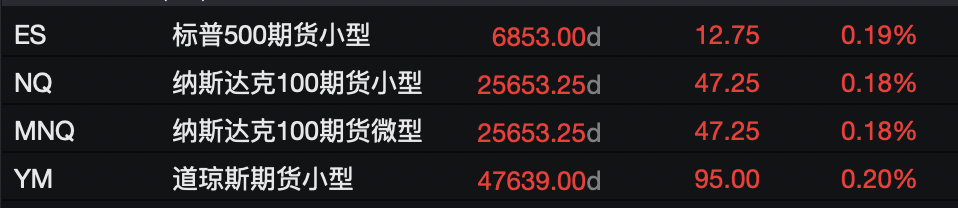
Core Viewpoint - Global stock markets are stabilizing following a rebound in U.S. stocks, with cautious sentiment prevailing ahead of key interest rate decisions from the Federal Reserve and the Bank of Japan [1] Market Performance - U.S. stock index futures rose nearly 0.2%, with the S&P 500 futures at 6853.00, up 12.75 points [1] - European and Asian stock indices showed mixed results, with the Euro Stoxx 50 up 0.4% and the Nikkei 225 closing up 1.1% [4] - The 10-year U.S. Treasury yield decreased by 1 basis point to 4.08%, while the 10-year Japanese government bond yield increased by 3 basis points to 1.885%, the highest since June 2008 [4] Economic Data and Expectations - Upcoming U.S. economic data releases include the November ADP private sector employment report and the September Personal Consumption Expenditures (PCE) price index, which are expected to influence market sentiment [1] - Analysts express concern that any unexpected positive data could lead to a short-term market pullback, given the current dovish market expectations [1] Commodity and Cryptocurrency Trends - Oil prices increased, with WTI crude oil rising over 0.4% to $58.9 per barrel, while silver prices fell slightly after reaching a historical high [4] - The cryptocurrency market remains active, with Bitcoin rising 2.5% to $93,892.01 and Ethereum up 2.8% to $3,081.45 [4][8] Currency Movements - The U.S. dollar index fell over 0.2% to 99.1, while the Indian rupee dropped to a historic low against the dollar, reflecting ongoing pressures from trade negotiations and capital outflows [4][10]
红利板块震荡分化,资金持续加仓,恒生红利低波ETF(159545)半日净申购超1亿份
Sou Hu Cai Jing· 2025-12-03 05:15
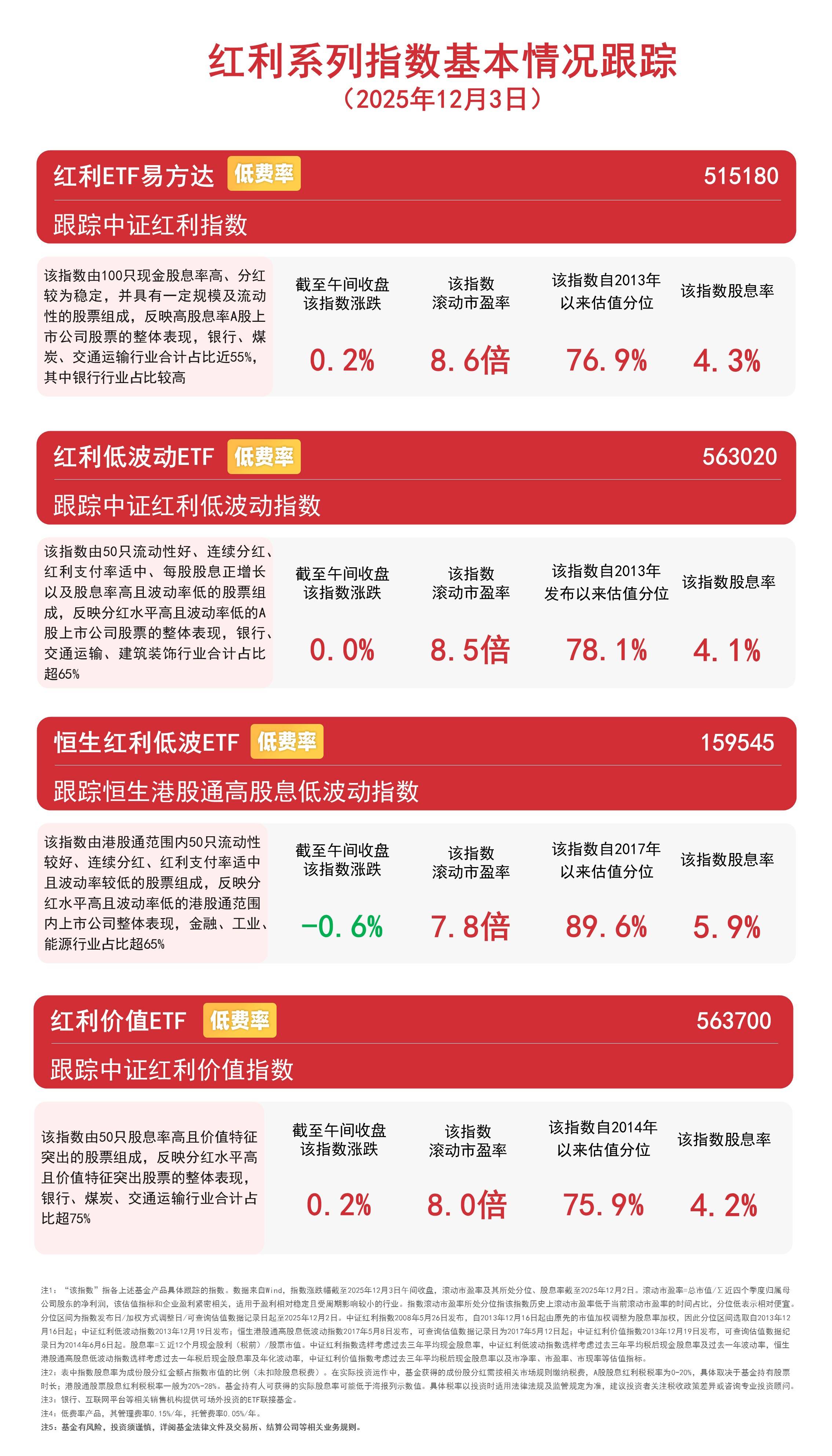
Group 1 - The core viewpoint of the news highlights the performance of dividend-related indices, with the CSI Dividend Value Index and CSI Dividend Index both rising by 0.2%, while the Hang Seng High Dividend Low Volatility Index decreased by 0.6% [1][6] - E Fund is noted as the only fund company offering low fee rates for all dividend ETFs, with management fees set at 0.15% per year for various products, facilitating low-cost investment in high-dividend assets [1][5] - The CSI Dividend Index comprises 50 stocks characterized by good liquidity, continuous dividends, moderate payout ratios, positive growth in dividends per share, and low volatility, with banking, transportation, and construction industries accounting for over 65% of the index [4] Group 2 - The Hang Seng High Dividend Low Volatility Index consists of 50 stocks within the Hong Kong stock market that exhibit good liquidity, continuous dividends, moderate payout ratios, and low volatility, with financial, industrial, and energy sectors making up over 65% of the index [6] - The Hang Seng Low Dividend ETF (159545) has seen a net subscription exceeding 100 million units in the first half of the day [1]
宏观日报:上游价格分化-20251203
Hua Tai Qi Huo· 2025-12-03 05:07
Report Summary 1. Report Industry Investment Rating - Not mentioned in the provided content 2. Core Viewpoints - The OECD reports that global economic growth is better than expected, with AI investment offsetting the impact of US tariffs, and has raised growth forecasts for some major economies. The OECD predicts 3.2% global growth in 2025 (unchanged from the previous forecast), 2.9% in 2026 (unchanged), and 3.1% in 2027 (new forecast). It also forecasts China's economic growth at 5% in 2025, up from the previous 4.9% [1] - The National Development and Reform Commission emphasizes improving people's livelihoods, promoting common prosperity, implementing the employment - first strategy, and improving the income distribution system [1] 3. Summary by Industry Upstream - **Energy**: Liquefied natural gas and crude oil prices are oscillating downward [2] - **Agriculture**: Egg and palm oil prices are continuously rising [2] - **Chemicals**: Urea prices are increasing, while polyethylene prices are slightly declining [2] - **Price Index**: On December 2, the spot - price of eggs was 6.6 yuan/kg (up 3.48% year - on - year), palm oil was 8,670 yuan/ton (up 2.36% year - on - year), WTI crude oil was $63.3/barrel (up 0.82% year - on - year), Brent crude oil was $63.2/barrel (up 0.72% year - on - year), and liquefied natural gas was 4,054 yuan/ton (down 1.31% year - on - year). Urea was 1,702.5 yuan/ton (up 2.87% year - on - year), and polyethylene was 6,905 yuan/ton (down 1.15% year - on - year) [37] Midstream - **Chemicals**: The operating rates of PX, PTA, and urea are decreasing, and the urea operating rate is at a three - year high for the same period [2] - **Energy**: The coal consumption of power plants is at a low level [2] - **Infrastructure**: The asphalt operating rate is continuously decreasing [2] Downstream - **Real Estate**: The sales of commercial housing in first, second, and third - tier cities are continuously warming up [3] - **Services**: The number of domestic and international flights has decreased [3]
赵伟:日本宽财政,市场忽视了什么
Di Yi Cai Jing· 2025-12-03 03:16
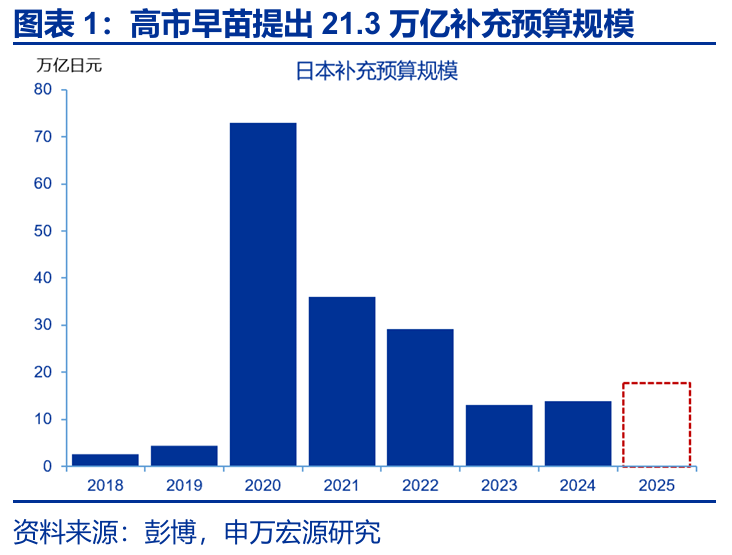
Core Viewpoint - Japan's combination of expansive fiscal policy and tight monetary policy may lead to risks of a reversal in carry trades, necessitating vigilance regarding the Bank of Japan's hawkish stance and the Federal Reserve's dovish periods [1] Group 1: Economic Stimulus Plan - The Japanese government has introduced an economic stimulus plan totaling 21.3 trillion yen (approximately 135 billion USD), slightly above market expectations but lower than 2022 levels [1] - The stimulus plan focuses on three main areas: 11.7 trillion yen (55%) for inflation subsidies and livelihood support, 7.2 trillion yen (34%) for strategic industry investments, and 1.7 trillion yen (8%) for defense and diplomacy [4] - The fiscal stimulus may increase Japan's deficit ratio to 3% by 2026, with Japan's deficit expected to expand by 1.77 percentage points, compared to 1 percentage point for the U.S. and 0.84 percentage points for Germany [4] Group 2: Impact on GDP and Inflation - The fiscal stimulus is projected to boost Japan's GDP growth rate by 0.5 percentage points in 2026, although the impact is expected to be lower than that of the U.S. and Germany [5] - Japan's fiscal multiplier is low at 0.27, compared to an average of 0.8 for developed economies, which contributes to the lower effectiveness of the stimulus [5] - The stimulus may temporarily lower overall inflation but could increase core inflation pressures due to rising demand [6][7] Group 3: Monetary Policy and Carry Trade Risks - The combination of fiscal expansion and cautious monetary tightening may increase the risk of a reversal in carry trades, as the narrowing U.S.-Japan interest rate differential diminishes the profitability of such trades [10][11] - The 2-year U.S.-Japan interest rate differential has decreased from 3.7% at the beginning of the year to 2.5%, heightening the risk of carry trade reversals [11] - The potential for increased volatility in the currency and bond markets may trigger risks of carry trade unwinding, particularly during periods of policy mismatch between the Bank of Japan and the Federal Reserve [11]