
Hua Er Jie Jian Wen

Search documents
黄仁勋透露:英伟达已取代苹果,成为台积电最大客户
Hua Er Jie Jian Wen· 2026-01-22 08:55
Core Insights - The rise of artificial intelligence (AI) is reshaping the global semiconductor supply chain, with Nvidia becoming TSMC's largest customer, surpassing Apple due to explosive demand for AI processors [1][3][4] Group 1: Market Dynamics - The shift in customer rankings highlights the strong demand for enterprise-level AI capital expenditures, which is significantly driving up the demand for wafer foundry capacity [3] - Enterprise customers are willing to invest heavily in GPUs for AI capabilities, leading to a demand model that is less price-sensitive compared to traditional consumer electronics [5] - As production capacity shifts towards AI chips, TSMC may be increasing prices for Apple, indicating a potential change in supply chain dynamics due to evolving end-user demand [3][6] Group 2: Historical Context - Nvidia's current position as TSMC's largest customer marks a return to a status it held in the early 2000s before Apple became the dominant client in the 2010s [4] - Apple's long-standing position as TSMC's top customer was primarily driven by its successful iPhone and iPad products, but this has now been disrupted by the AI surge [4][5] Group 3: Future Implications - The dramatic shift in demand may lead to changes in TSMC's pricing strategy and production priorities, potentially affecting Apple's standing as a key client [6] - Nvidia's success is closely tied to the current AI market hype, and any downturn in AI demand could allow Apple to reclaim its position as TSMC's largest customer [6]



欧洲电车需求放缓, 特斯拉柏林工厂裁员1700人
Hua Er Jie Jian Wen· 2026-01-22 08:42
Group 1 - Tesla has reduced the workforce at its Berlin Gigafactory by approximately 1,700 employees, highlighting weak demand in the European electric vehicle market and the company's ongoing cost control strategy [1] - The factory currently employs 10,703 workers, a decrease of about 14% from the number disclosed before the 2024 union elections, marking Tesla's only production base in Europe [1] - This round of layoffs is part of Elon Musk's global workforce reduction plan aimed at cutting over 10% of employees to enhance efficiency and control costs, a strategy Musk established back in May 2018 [1] Group 2 - Tesla is shifting its strategic focus from rapid expansion to business integration by 2025, emphasizing cost control, factory efficiency, and cash preservation due to declining profit margins from aggressive price cuts and weak demand [2] - The transition occurs against a backdrop of slowing growth in the European electric vehicle market, where manufacturers face increased competition and cautious consumer spending after years of rapid growth [2] - Despite the loss of growth momentum in traditional automotive business, Tesla's stock has shown relative resilience as investors focus on the company's long-term goals in robotaxi services, autonomous driving software, and artificial intelligence, which are seen as potential high-margin growth engines [2]

商业火箭高频发射下的最刚性需求:推进剂与特种气体
Hua Er Jie Jian Wen· 2026-01-22 08:37
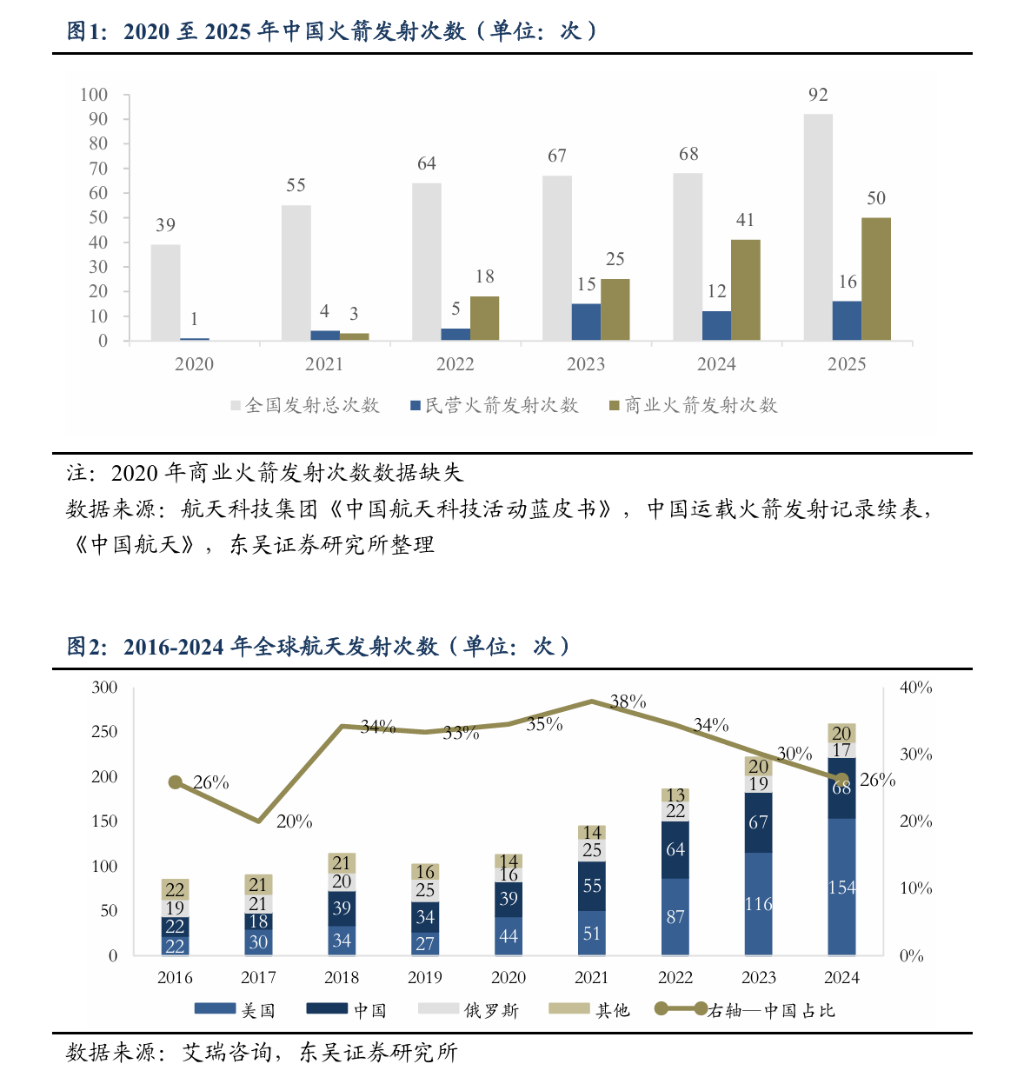
Core Insights - The commercial space industry in China is entering a phase of scaled launches, with a clear path to cost reduction through high payload capacity and reusable technology [1][3] - The demand for propellants and specialty gases is closely tied to launch frequency, making it a stable and predictable value segment in the commercial space sector [2][11] Group 1: Launch Frequency and Infrastructure - China's rocket launch frequency is projected to grow rapidly, reaching 92 launches by 2025, with 50 of those being commercial launches, a significant increase from 39 total launches in 2020 [1][3] - The launch infrastructure is being enhanced, with a total of 21 existing launch sites and 5 more under construction or planned, creating a comprehensive system for inland, coastal, and maritime launches [1][3] Group 2: Cost Structure and Reusability - Reusable technology is significantly altering the cost distribution in rocket launches, with the cost of a Falcon 9 launch's propellant and specialty gas demand estimated at approximately $800,000 [1][11] - The cost of the rocket itself has decreased from $50 million to $15 million due to reusability, while the proportion of launch costs attributed to propellant and specialty gases has increased from 1.6% to 5.3% [1][11] Group 3: Propellant and Specialty Gas Demand - The demand for propellants and specialty gases is expected to grow steadily with increased launch frequency, as they are essential consumables with high safety and reliability requirements [11][12] - The market for propellants and specialty gases is characterized by strong customer loyalty and a converging technology path, providing higher long-term visibility and value stability compared to rocket manufacturing [2][11] Group 4: Fuel Technology Comparison - Liquid oxygen-methane is emerging as a preferred fuel in reusable rocket scenarios due to its low carbon residue and stable combustion properties, which enhance engine performance over multiple flights [13][15] - The comparison of fuel types shows that while liquid oxygen-methane offers advantages in maintenance and operational efficiency, liquid oxygen-kerosene remains prevalent due to its established technology and existing infrastructure [13][15]
决定谁能赢得AI竞赛?或许是:燃气轮机
Hua Er Jie Jian Wen· 2026-01-22 08:32
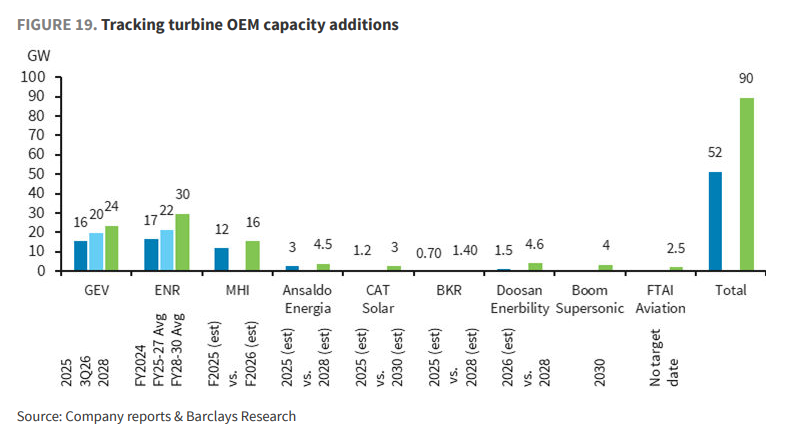
当市场仍将注意力集中在GPU算力、先进制程以及HBM供给节奏之上时,华尔街的研究视角正在悄然下沉,逐 步转向AI产业链中更底层、却更具约束力的基础设施环节。 据追风交易台,在巴克莱最新发布的主题研报中,一个看似"反科技"、却极具决定性的判断被反复强调:AI竞 赛真正的瓶颈,正在从芯片转向电力,而在现阶段所有可落地的解决方案中,燃气轮机正成为最具约束力的关 键环节。 正因如此,尽管从长期成本角度看,公共电网仍然更具吸引力,现实却正在迫使越来越多AI数据中心转向"自带 电源(BYOP)"方案。在当前技术条件下,燃气轮机仍是唯一能够在规模、稳定性与成熟度之间取得现实平衡 的选择。 但问题在于,这一选择本身就指向了一个更深层的约束。 一个被市场低估的事实:燃气轮机并不是为AI而扩产 从表面看,燃气轮机需求的快速抬升似乎与AI数据中心建设高度相关,但巴克莱研报反复提醒,将这一轮需求 变化简单理解为"AI拉动",本身就是一种误读。 事实上,AI只是新增需求之一。与此同时,全球煤电退役后的基荷替代、可再生能源渗透率提升带 来的调峰需求,以及LNG和油气产业链的持续资本开支,都在同步挤占同一套燃气轮机供给体系。 这意味着,A ...
别管Q4业绩了,特斯拉下周财报的最大看点是机器人和自动驾驶
Hua Er Jie Jian Wen· 2026-01-22 07:41
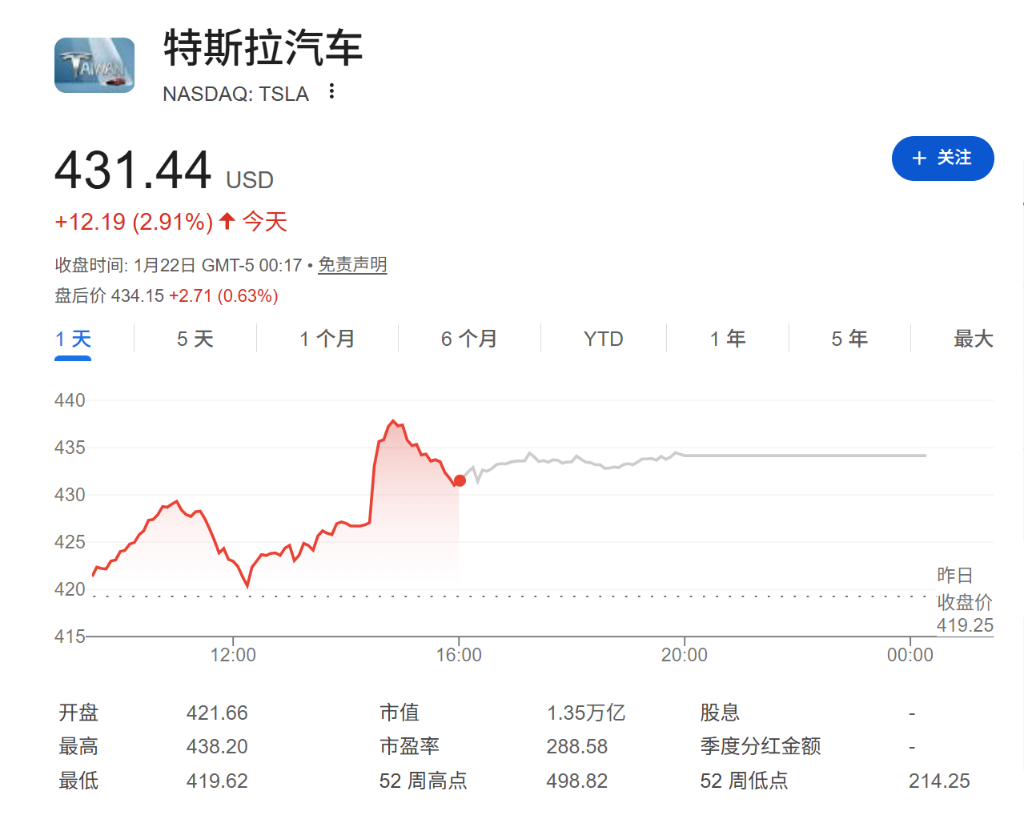
Core Insights - The focus of investors is shifting from traditional financial metrics to advancements in Tesla's cutting-edge technologies such as robotaxi, unsupervised autonomous driving, the Optimus humanoid robot, and AI5 chips ahead of the upcoming Q4 earnings report on the 29th [1][2] Financial Projections - Morgan Stanley's report indicates a significant divergence in market expectations for Tesla's key financial metrics in 2026, forecasting deliveries of 1.6 million vehicles, which is 9% lower than market consensus and a 2.5% year-over-year decline [1] - The firm predicts a cash flow consumption of $1.5 billion for Tesla in 2026, contrasting sharply with the market consensus of a positive $3.1 billion [1] - The anticipated increase in capital expenditures for 2026 is not fully reflected in market expectations, leading to a forecasted automotive gross margin (excluding carbon credits) of 14.2%, below the market's 15.0% expectation [1] Technological Developments - Tesla's launch of an unsupervised robotaxi service in Austin, Texas, is seen as a critical catalyst for validating its autonomous driving technology and safety [2][3] - The Cybercab production is set to begin in April 2026, with updates on its production timeline being closely monitored as it represents a key product in Tesla's transition from traditional automotive manufacturing to mobility services [3] Autonomous Driving Progress - The cumulative mileage of Tesla's Full Self-Driving (FSD) system has surged from approximately 90 million miles in 2022 to around 7.4 billion miles currently, indicating significant improvements in product quality [4] - The next major breakthrough is expected with the rollout of a more robust "eyes-off" experience (unsupervised FSD), anticipated to be phased in throughout 2026 [4] - The decision to convert FSD to a subscription service may signal the introduction of tiered FSD products and pricing strategies, with global subscription rates projected to rise from 12% to 17.5% by year-end [4] AI and Robotics Updates - Anticipation surrounds updates on Tesla's AI5 chip design and its projects like AI6+ and Dojo during the earnings call [5] - The third-generation Optimus humanoid robot is expected to debut in February or March 2026, becoming an increasingly important aspect of Tesla's narrative and valuation [5] - Morgan Stanley assigns a valuation of $60 per share for the Optimus business under a baseline scenario, with a potential bull case valuation of $225 per share [5] Synergies within Musk's Empire - The report highlights the clearer integration of Elon Musk's other ventures with Tesla, with market expectations for updates on how these businesses will achieve synergies in the future [6] - Morgan Stanley maintains a "hold" rating on Tesla with a target price of $425, based on various components including core automotive business, network services, mobility services, energy business, and humanoid robots [6] Valuation Scenarios - In a bear market scenario, Morgan Stanley sets a target price of $145, while in a bull market scenario, the target could reach $860, reflecting the uncertainties Tesla faces in its transition from a traditional automaker to an AI and robotics company [9]

美国天然气价格两天狂飙50%,本周涨幅势创34年纪录
Hua Er Jie Jian Wen· 2026-01-22 07:38
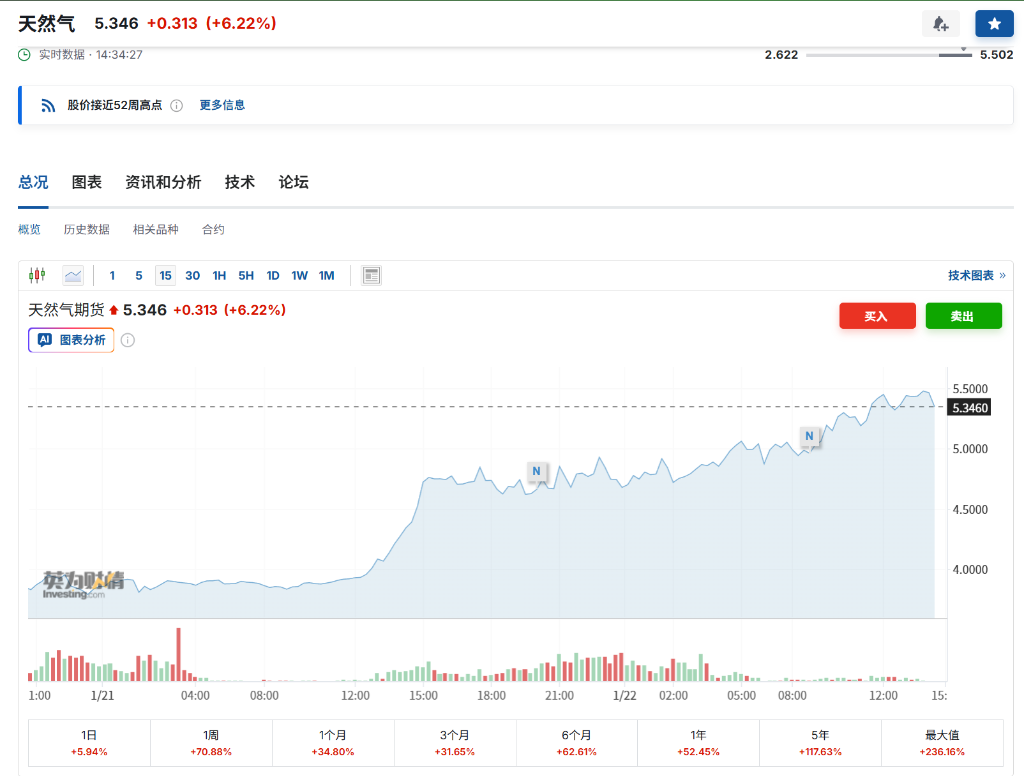
目前,欧亚两地同样遭遇寒流侵袭。受低温刺激需求影响,欧洲天然气期货价格在过去一周内飙升超过18%。 在严寒天气预期推升供需紧张情绪的驱动下,美国天然气期货价格飙升至2022年以来的最高水平。作为供暖和发电的关键燃料,天然气在需求激增的同时面 临潜在的供应中断风险,引发市场剧烈波动。 与此同时,作为主要的能源进口国,日本的电力价格在周三触及了三个月以来的高点。这表明,在冬季需求高峰期,全球能源市场正面临普遍的供应紧张与 价格上行压力。 根据美国国家海洋和大气管理局(NOAA)发布的最新展望,过去几天美国的天气预报显示气温将显著转冷。预计全美三分之二的地区将大概率出现低于正 常水平的气温。 市场担忧,极端低温可能导致美国南部出现"冻结"现象——即管道内的水分凝固阻塞流通——进而扰乱天然气生产并限制供应,导致产量在关键时刻非自愿 性下降。与此同时,随着寒冷天气加剧,天然气消费量预计将大幅攀升,加速库存消耗。 此次价格飙升不仅影响美国本土市场,更波及全球能源格局。由于欧洲和亚洲市场高度依赖美国的液化天然气(LNG)出口,任何美国本土的产出中断都 可能对上述地区造成连锁反应。 受寒潮影响,天然气近月合约在周四一度大涨1 ...

寒潮来袭,美国天然气价格两天狂飙50%,本周涨幅势创34年纪录
Hua Er Jie Jian Wen· 2026-01-22 07:35
Group 1 - The core viewpoint of the articles highlights a significant surge in U.S. natural gas futures prices, reaching the highest level since 2022, driven by expectations of severe cold weather impacting supply and demand dynamics [1][2] - The National Oceanic and Atmospheric Administration (NOAA) forecasts indicate that two-thirds of the U.S. is likely to experience below-normal temperatures, contributing to heightened demand for natural gas [1] - The near-month natural gas contract saw a dramatic increase of 13% on Thursday, reaching $5.502 per million British thermal units, with a cumulative rise of over 50% in the previous two trading days, potentially marking the largest weekly gain in 34 years [1] Group 2 - Concerns are growing that extreme low temperatures may lead to "freezing" in the southern U.S., where moisture in pipelines could solidify and disrupt natural gas production, resulting in involuntary declines in output [2] - As cold weather intensifies, natural gas consumption is expected to rise significantly, accelerating inventory depletion [2] - The price surge in the U.S. market is affecting global energy dynamics, particularly impacting Europe and Asia, which heavily rely on U.S. liquefied natural gas (LNG) exports [2] - European natural gas futures prices have surged over 18% in the past week due to increased demand from low temperatures, while Japan's electricity prices reached a three-month high, indicating widespread supply tightness and upward price pressure in the global energy market [2]
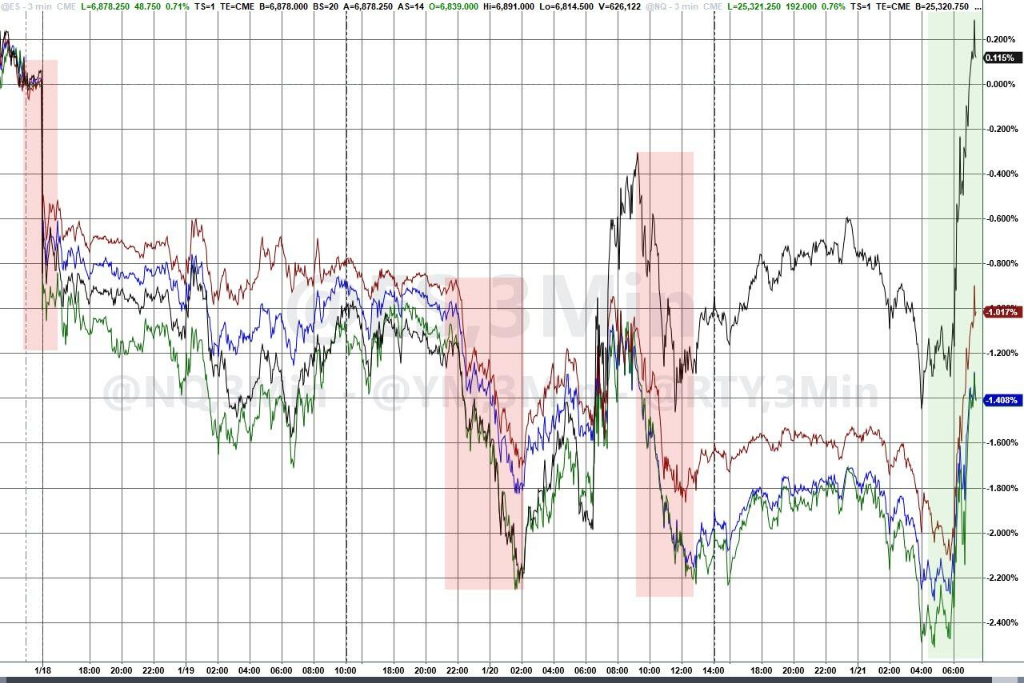
美股被特朗普新闻搞得七上八下!高盛:经济有支撑,但别追涨要抄底
Hua Er Jie Jian Wen· 2026-01-22 06:54
Core Viewpoint - Goldman Sachs' hedge fund coverage head, Tony Pasquariello, asserts that despite short-term volatility and crowded investor positions, the U.S. economic fundamentals are strong, and the macro outlook is "essentially favorable" for the stock market, advocating for a strategy of buying on dips rather than chasing rallies [1][9]. Market Sentiment and Volatility - Market sentiment has shifted dramatically from euphoria to anxiety since January, with the S&P 500 index volatility at only 6% and the MOVE index at multi-year lows before recent changes [1][4]. - The transition from extreme calm to volatility is highlighted as a typical case for January, with significant geopolitical and technological changes causing rapid market reactions [4]. Investor Positioning - Investor positioning is at historical highs, with both retail and institutional investors increasing risk exposure across various metrics, including individual stocks and index futures [3][7]. - The American Association of Individual Investors (AAII) sentiment survey indicates that investor optimism has reached its highest level since November 2024 [3][7]. Economic Fundamentals - Despite short-term disruptions, the core elements supporting the market include accelerating U.S. economic growth and increased liquidity from the Federal Reserve, which are key macro drivers for the stock market in the medium term [3][8]. - Recent economic data shows positive trends, such as the ISM services index rising to 54.4, initial jobless claims dropping to 198,000, and various housing indicators stabilizing [8]. Investment Strategy - The recommended investment strategy is to adopt a "cautiously bullish" stance, focusing on buying on dips rather than chasing prices higher, as the macro outlook supports the stock market but current risk-reward ratios are challenging [9]. - The market faces contradictions between short-term disturbances, such as tariff news and global bond market volatility, and medium-term benefits from U.S. economic acceleration and improved liquidity [9].
日债反弹或是“昙花一现”?日本央行持仓跌破50%红线,抛售压力远未结束
Hua Er Jie Jian Wen· 2026-01-22 06:54
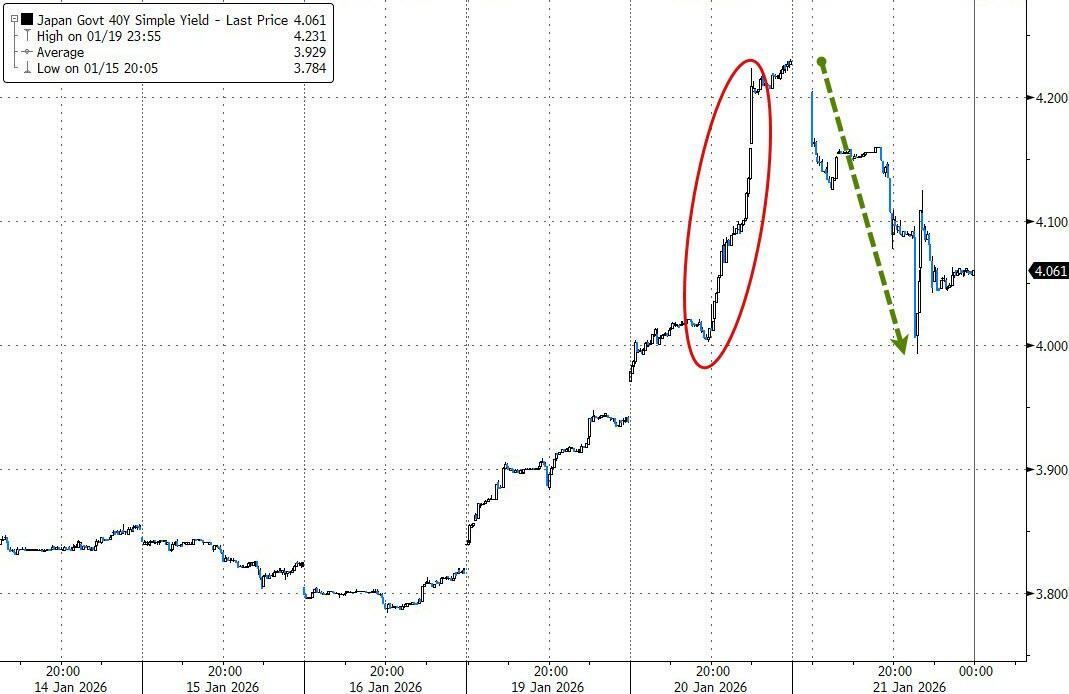
日债周四延续反弹,但分析人士警告这可能只是暂时喘息。 日本超长期国债周四连续第二日反弹,30年期国债收益率一度下行10个基点至3.62%,40年期收益率下行7.5个基点至3.980%。此前本周二市场经历剧烈 抛售,部分期限收益率单日飙升超过25个基点。 日本央行持有国债占比已降至2018年以来最低水平。据彭博宏观策略师Simon White分析,日本央行持有国债占未偿还总额的比例已跌破50%,这是八年 来首次。 日本央行正持续削减购债规模。2024年年中时,央行每月购买5.7万亿日元国债,目前已降至2.9万亿日元,预计明年初将进一步降至2.1万亿日元。 虽然从长期金融稳定角度看这是积极信号,但短期内市场正失去最重要的支撑。在日本央行逐步退出的背景下,国债市场将继续面临无序抛售风险。 多重抛售压力叠加 然而,据彭博社周四报道,日本央行持有国债占比已跌破50%关键水平至八年低点,随着央行继续削减购债规模,市场正失去最重要的支撑力量,结构 性抛售压力远未消退。 财务大臣片山皋月呼吁市场保持冷静,部分基金经理将近期收益率跳升视为逢低买入机会。但市场担忧政府和央行可能需要采取更多措施平抑收益率飙 升。 投资者正密切关注 ...
特朗普180度转折,欧洲懵了
Hua Er Jie Jian Wen· 2026-01-22 06:50
Group 1 - The core viewpoint of the articles revolves around Trump's sudden shift from a confrontational stance regarding Greenland to a diplomatic approach facilitated by NATO, which temporarily alleviates the threat of a transatlantic trade war but raises concerns about the unpredictability of his policies [1][2]. - Trump's announcement on January 21, stating that he would not implement the planned tariffs on Europe, marks a significant turn in the ongoing controversy over Greenland, although the details of the agreement remain unclear [1][2]. - The unexpected change disrupted a planned EU leaders' emergency meeting aimed at forming a united front against Trump's perceived economic coercion and territorial ambitions, highlighting the ongoing uncertainty in the market despite the temporary relief from tariff threats [1][2]. Group 2 - The focus of the discussions has shifted from territorial acquisition to security cooperation, with Trump hinting at U.S. interests in mineral rights and missile defense systems in Greenland, although he acknowledged the complexity of the proposal [2]. - European capitals are left confused by Trump's erratic behavior, with officials expressing concerns that his flexibility could undermine EU unity and exacerbate internal competition among member states regarding trade and geopolitical issues [2]. - Denmark has firmly reiterated that Greenland is not for sale, with its Foreign Minister emphasizing that U.S. ownership of the territory is a "red line," while also signaling a willingness to negotiate on security concerns [3].