
Tai Mei Ti A P P

Search documents
斥资1亿并购海外亏损标的,万顺新材内卷失利下豪赌出海
Tai Mei Ti A P P· 2025-12-11 11:27
Group 1 - The core strategy of Wanshun New Materials is to seek growth through overseas acquisitions despite facing financial challenges and ongoing losses [1][2] - The company announced plans to acquire 100% of Eurofoil Luxembourg for €1,238.89 million, approximately ¥102.29 million, indicating a significant investment in a loss-making entity [2][3] - The acquisition is seen as a critical step in the company's globalization strategy, aiming to enhance its brand influence and market share in the aluminum foil and aluminum plate industry [3][8] Group 2 - Wanshun New Materials is currently experiencing financial difficulties, with a high level of short-term debt (¥2.786 billion) compared to cash holdings (¥1.932 billion), reflecting a "high debt and high liquidity" situation [4] - The company's financial expenses have surged, with a 49.93% increase in financial costs to ¥76.42 million in 2024, further straining profitability [4] - The company has faced delays in key projects, such as the 100,000-ton battery foil project, which has been postponed to September 2026, contributing to idle funds and low capital efficiency [5][6] Group 3 - The domestic aluminum processing industry is under severe competitive pressure, with overcapacity and price wars leading to reduced profit margins [7][8] - Despite a 22.52% year-on-year revenue increase to ¥6.579 billion in 2024, Wanshun New Materials reported a net loss of ¥192 million, marking a historical low [8][10] - The company is focusing on high-value-added aluminum foil products and has made recent investments to enhance its strategic positioning in the new energy materials sector [10][11]


2026年,AI服务器贵、贵、贵
Tai Mei Ti A P P· 2025-12-11 11:01
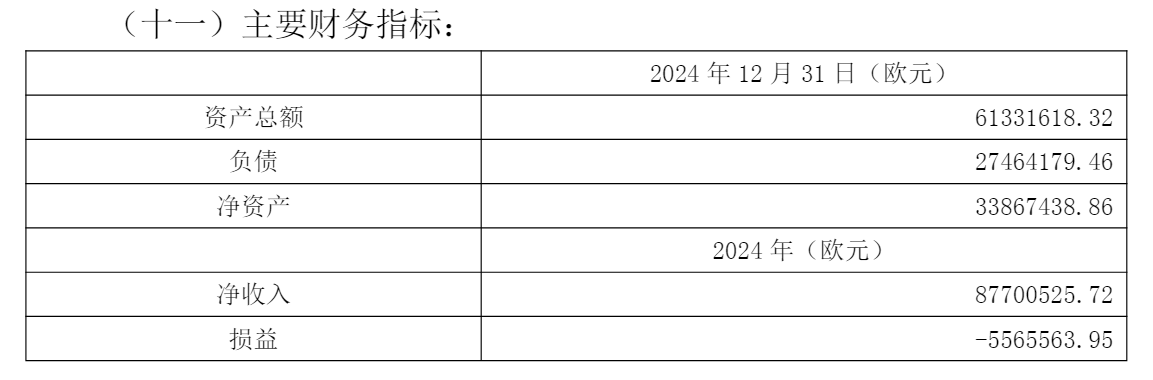
Core Insights - 2026 is identified as a critical window for AI server system upgrades, driven by significant design changes in GPU and ASIC technologies [1][4] - The demand for AI servers is expected to surge, with NVIDIA's platform projected to see cabinet demand more than double from approximately 28,000 units in 2025 to at least 60,000 units in 2026 [2][26] - The overall cost of AI servers is anticipated to rise significantly due to advancements in power supply, cooling solutions, and PCB requirements [5][26] Group 1: AI Server Hardware Upgrades - NVIDIA is set to launch the GB300, Vera Rubin platform, and Kyber architecture in 2026, enhancing computational power and cabinet density [1][4] - The GPU power design is evolving, with TDP increasing from 700W for H100 to 3700W for VR200 NVL44 CPX by late 2026, necessitating a shift to liquid cooling solutions [4][23] - The transition to more efficient power systems is underway, moving from 12V VRM to 48V DC bus systems to reduce conversion losses [4][14] Group 2: Market Demand and Supply Chain Dynamics - ODM manufacturers like Hon Hai, Quanta, Wistron, and Wiwynn are ramping up production, with Hon Hai's AI server cabinet shipments increasing by 300% quarter-over-quarter [10][12] - In November, Quanta and Wistron reported record monthly revenues, with Wistron showing a remarkable 194.6% year-over-year growth [12] - The market share for AI server cabinets in 2025 is projected to see Hon Hai holding over 52%, with Quanta and Wistron at approximately 19% and 21%, respectively [13] Group 3: Power and Cooling Solutions - NVIDIA's Kyber project aims to redefine power supply architecture for AI data centers, with a target to produce new power solutions by the end of 2026 [15][17] - The cooling technology is evolving from air cooling to liquid cooling, with the GB300 adopting a full cold plate liquid cooling solution to handle up to 1400W [18][23] - The cost of cooling components is expected to rise, with the total value of cooling components for the next-generation Vera Rubin platform projected to increase by 17% [23] Group 4: PCB and Component Upgrades - The demand for high-end PCBs is surging, with the number of layers and material quality increasing significantly due to the enhanced functionality of AI servers [24][25] - The global PCB market is expected to grow, with high-end HDI boards and multi-layer boards seeing demand increases of 14.2% and 18.5%, respectively [25] - The price of PCBs is anticipated to double with each upgrade cycle, reflecting the growing complexity and performance requirements of AI hardware [25] Group 5: Capital Expenditure Trends - Major cloud service providers (CSPs) are increasing their capital expenditures, with a projected total of over $600 billion in 2026, reflecting a 40% year-over-year growth [26][29] - CSPs like Google, Meta, and Amazon are significantly raising their capital expenditure forecasts for 2025, indicating strong demand for AI infrastructure [29] - The ongoing investment from CSPs provides a solid foundation for the rising costs associated with AI server upgrades [26][29]

豆包手机十日谈:戳破互联网围墙花园,动了谁的流量蛋糕?
Tai Mei Ti A P P· 2025-12-11 08:57
Core Viewpoint - The launch of Doubao AI phone by ByteDance and ZTE has generated significant market interest, showcasing the potential for AI integration in smartphones, but it faces resistance from major applications due to threats to their traditional business models [1][3][17]. Group 1: Product Launch and Market Response - Doubao AI phone was launched on December 1, selling out on its first day, indicating strong market demand and consumer anticipation for its AI features [1]. - The second-hand market for the phone shows high resale prices, ranging from 3,499 yuan to 12,900 yuan, reflecting its perceived value and scarcity [1]. - ZTE's stock initially surged but faced declines in the following days, indicating mixed investor sentiment regarding the partnership with Doubao [2]. Group 2: Industry Dynamics and Competition - Major application developers, including WeChat and Alibaba, have begun restricting access to the Doubao AI phone, highlighting the competitive pushback from established players [3][5]. - The traditional business models of leading apps rely on user engagement through ads, which the Doubao AI phone disrupts by enabling direct actions without app navigation [4][5]. - Other smartphone manufacturers like Huawei, Xiaomi, and OPPO are also developing their AI capabilities, indicating a competitive landscape that could intensify [6]. Group 3: User Interaction and Market Challenges - The Doubao AI phone aims to shift user interaction from traditional manual operations to voice commands, but user habits may pose a barrier to widespread adoption [8]. - Concerns over privacy and the potential for AI to manipulate purchasing decisions could affect user trust and market acceptance [9]. Group 4: Market Potential and Future Outlook - The Chinese smartphone market has a vast user base, with over 1.116 billion mobile internet users projected by mid-2025, presenting significant growth opportunities for the Doubao AI phone [14]. - Doubao's strong user base in the AIGC app market, with over 50 million monthly active users, provides a solid foundation for the phone's promotion [15]. - The need for differentiation and innovation in AI technology will be crucial for the Doubao AI phone to succeed against established competitors [16].

2025年,那些跨界机器人的造车势力
Tai Mei Ti A P P· 2025-12-11 08:38
Core Viewpoint - The automotive industry is increasingly focusing on humanoid robots, with companies like Xpeng and Xiaomi announcing significant investments and developments in this area, driven by the need for new market narratives and productivity enhancements [1][2][3]. Group 1: Market Dynamics - The recent surge in automotive companies developing humanoid robots is partly due to the need for new valuation stories, as seen with Xpeng's stock price increase following the unveiling of its humanoid robot IRON [2]. - Tesla's CEO Elon Musk's compensation plan is closely tied to the company's future valuation, further emphasizing the financial incentives for automakers to explore the robotics sector [2]. - The trend of automakers entering the robotics space is perceived as a strategy to escape the homogenization of the automotive market [2]. Group 2: Productivity and Technological Advancements - Automakers are motivated by the potential for significant productivity improvements through robotics, as highlighted by Xiaomi's CEO, who noted that AI and X-ray technology can enhance inspection efficiency by tenfold compared to human workers [3]. - The emergence of AI models is expected to enable robots to perform tasks with greater precision and decision-making capabilities than traditional manufacturing methods [3]. - The ability to repurpose existing automotive technologies, such as sensors and algorithms from autonomous driving, is seen as a key advantage for automakers venturing into robotics [4]. Group 3: Industry Trends and Policy Support - The evolving economic landscape and supportive policies are reshaping the manufacturing sector, with a renewed focus on AI and smart technologies, positioning the automotive industry for a transition towards intelligent manufacturing [5]. - The automotive sector is expected to shift from electric vehicle development to a focus on smart driving and robotics, creating a new wave of industry opportunities [5]. Group 4: Challenges and Barriers - Financial constraints remain a significant challenge for companies in the robotics sector, as evidenced by the recent failures of startups like K-Scale Labs and others in the commercialization phase [7]. - The technical barriers and the need for extensive data accumulation in diverse applications pose additional challenges for automakers entering the robotics field [8]. Group 5: Standardization and Industry Recognition - The establishment of the "Humanoid Robot Standardization Technical Committee" by the Ministry of Industry and Information Technology in China indicates the growing importance of automotive companies in the robotics sector [9]. - Companies like Chery and Xpeng are recognized for their contributions to the robotics industry, reflecting their commitment and progress in this emerging field [10]. Group 6: Future Implications - The involvement of automotive companies in the robotics sector is expected to accelerate the development of industry standards and enhance the overall ecosystem, benefiting from their manufacturing expertise and existing user bases [11][12]. - The integration of humanoid robots into existing infrastructures and their potential as mobile intelligent terminals could play a crucial role in shaping future digital societies [13].


从冷门歌手到热门金曲,AI音乐成了?
Tai Mei Ti A P P· 2025-12-11 06:37
Core Insights - The rise of AI-generated music has transitioned from novelty to mainstream, with significant engagement on platforms like Bilibili and Douyin, where related content has garnered millions of views [1][2] - AI music has evolved from simple imitation to a more sophisticated creation process, utilizing deep learning models to generate original compositions across various genres [2][4] - The commercial potential of AI music is being realized, with notable success stories such as the AI song "Walk My Walk," which has generated substantial revenue through streaming platforms [7][9] Group 1: AI Music Development - AI music has undergone a "full-stack upgrade," moving from basic imitation to complex creation involving composition, arrangement, and lyrics generation [2][5] - New AI music generation models, such as Suno V3 and Mureka, allow users to create high-quality music quickly and across different genres [4][5] - The emergence of various AI tools has transformed the music production landscape, enabling a one-stop creative platform for users [5][6] Group 2: Commercialization and Market Dynamics - The direct monetization of AI music is evident, with platforms like Spotify providing revenue opportunities for artists based on streaming numbers [7][9] - AI-generated artists are gaining attention from record labels, leading to increased valuations and contracts for AI music creators [9][11] - Despite the potential, the domestic market for AI music remains conservative, with challenges in monetization and platform policies limiting revenue generation for creators [11][13] Group 3: Challenges and Future Outlook - The AI music industry faces significant challenges, including copyright issues and a supply-demand imbalance, with an overwhelming number of songs generated but limited consumer willingness to pay [25][26] - Technical limitations in AI music generation, particularly in non-Latin languages like Chinese, hinder broader acceptance and usability [28][29] - Optimism remains among industry professionals regarding the future of AI music, with expectations that it will lower creative barriers and enhance musical diversity [29]

再升科技实控人4.8亿变现迷局:减持转让无缝衔接,四连板前折价签约
Tai Mei Ti A P P· 2025-12-11 05:36
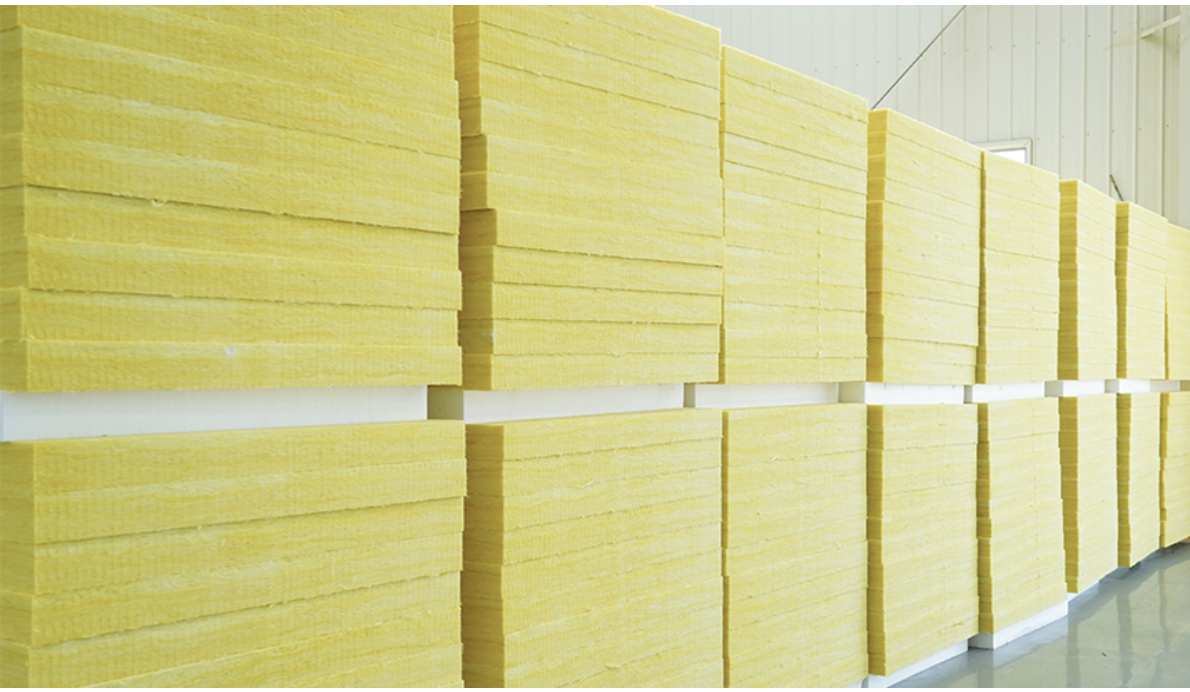
高性能隔音保温材料,来源官网 12月10日晚,再升科技(603601.SH)发布《简式权益变动报告书》,公司实控人郭茂及其一致行动人的持股比例从33.34%降至27.3%。这意味着,公司前 日刚公告的实控人向中融华信国际生物科技(北京)有限责任公司(下称"中融华信")协议转让6.04%股份一事,程序上仅待上交所合规性确认后即可过 户。 这是郭茂近两个月推进的第二轮大额变现,距离其减持套现1.37亿仅结束10天。连同协议转让总价款3.43亿,两笔操作合计将变现4.8亿。对于目的,公司均 提及郭茂"自身资金需求"。 在既无股票质押变现压力,上市公司也无大额支出需资金支持的背景下,郭茂此番接连大额变现已引发市场疑问。而变现时机和接盘方实力,进一步加重了 这种疑虑。 时机上,这轮密集变现恰好在一笔关联收购终止后无缝启动,此前市场围绕"实控人是否为帮老同事解困而推进高溢价收购"的质疑尚未完全消退,此外,这 次协议转让恰逢四连板异动,但折价超过20.55%;接盘方方面,中融华信近年营收持续为0,资产规模仅千万级别,其资金实力能否匹配3.43亿转让款,让 市场倍感困惑。 关联收购折戟后,无缝启动两轮大额变现 | 项目 | ...

腾讯的长青IP为什么“重新”开始做IP
Tai Mei Ti A P P· 2025-12-11 04:53
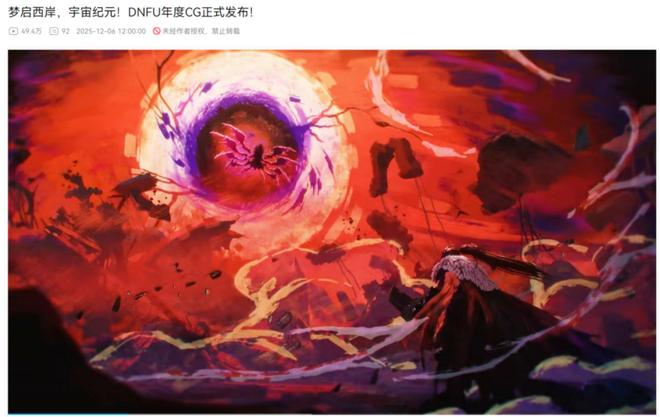
Core Insights - The DNF IP has evolved into a comprehensive ecosystem, integrating various gaming formats and appealing to a diverse player base [1][2][7] - The recent DNF annual CG video aims to showcase the product matrix and convey the message that players of different types can enjoy the IP [2][3][6] - The company emphasizes the importance of ecological co-creation, where various teams contribute to the IP's development, enhancing its value [6][7] Product Development - The upcoming DNF: Kazan will feature a competitive launch price and exclusive content tailored for the domestic market [1] - The DNF IP now includes multiple product forms, such as mobile games and single-player titles, reflecting a shift from solely online gaming [10][11] - The company aims to provide seamless transitions between different gaming platforms, allowing players to choose based on their time and preferences [8][10] Player Engagement - The company recognizes the need to cater to both new and returning players, implementing strategies to facilitate quick reintegration into the game [11][12] - There is a focus on balancing nostalgia for veteran players with new content, ensuring that classic elements are preserved while introducing modern gameplay [12][14] - The mobile game has been designed to cater to a different user base, emphasizing lighter gameplay and social interaction compared to the PC version [15][16] Future Directions - The company plans to reduce player fatigue by adjusting gameplay mechanics and offering diverse paths for character development [18][19] - There is an ongoing effort to attract younger players who may have left due to traditional RPG mechanics, aiming to create a more engaging experience [17][19] - The future product strategy will focus on enhancing user experience and satisfaction, making it a priority for the company's development efforts [19]

影石刘靖康,拒绝失败者叙事
Tai Mei Ti A P P· 2025-12-11 02:54
Core Viewpoint - The release of the Yingling A1 drone by Yingshi has faced significant criticism and skepticism regarding its sales performance, leading to a notable decline in the company's stock price following the launch [1][2][4]. Group 1: Product Launch and Market Response - Yingshi launched the Yingling A1, the world's first 8K panoramic drone, with a starting price of 7,999 yuan, which can be reduced to 6,799 yuan with government subsidies [1]. - Following the launch, Yingshi's stock price fell over 6% the next day, accumulating a decline of more than 8% by December 9, attributed to concerns over disappointing sales figures [1][2]. - In the first three days post-launch, the Yingling sold over 1,500 units, generating approximately 10 million yuan in revenue, which is significantly below the company's annual sales target of 300,000 units [6][9]. Group 2: Competitive Landscape - The ongoing competition between Yingshi and DJI has intensified, particularly with DJI's recent entry into the panoramic camera market and aggressive pricing strategies [2][10]. - Yingshi's internal communications suggest that the company is facing external pressures from industry giants, with claims of supply chain disruptions and negative media coverage impacting their sales [2][8]. - Despite the challenges, Yingshi reported that the Yingling sold over 500 units in its first week, outperforming DJI's Neo 2 model, which sold only 100 units [2]. Group 3: Financial Performance and Strategic Direction - Yingshi's revenue from consumer imaging products was 3.159 billion yuan in the first half of the year, accounting for 86.06% of total revenue, with panoramic cameras being the main product line [8]. - The company has invested heavily in research and development, with R&D expenses reaching 524 million yuan in Q3, a year-on-year increase of 164.81%, representing 17.81% of total revenue [11]. - Yingshi's management emphasizes the importance of these investments for long-term growth, despite a reported decline in net profit of 5.95% year-on-year [11].

举债发展AI,患上“OpenAI依赖症”,甲骨文最新业绩引发股价暴跌
Tai Mei Ti A P P· 2025-12-11 02:09
图片来源:unsplash 12月10日美股盘后,甲骨文公布财报,公司第二财季(截至今年11月30日)调整后营收160.6亿美元, 其中云业务(IaaS加SaaS)营收79.8亿美元,云基础设施业务(IaaS)营收40.8亿美元。 虽然公司上述关键领域营收都实现增长,但此前,华尔街分析师的预期要更高,依次为162.1亿美元, 80.4亿美元和41亿美元。 甲骨文的财务业绩被视为"AI风险的晴雨表"。这家软件巨头的销售额,不仅反映着AI数据中心的需求, 其与OpenAI紧密的业务关联,举债发展AI的举措,市场空头对其的浓厚兴趣,更让其成为了"AI泡沫是 否存在"之争的焦点。 而这份低于预期的答卷显然让投资者大失所望,在盘后交易中,甲骨文股价大跌超过11.5%。 举债发展AI,现金流高度承压 实际上,甲骨文第二财季的业绩绝非"一无是处",尤其是在指示着未来订单收入的剩余履约义务指标 上,业绩同比增长438%、环比增长15%,达到了惊人的5230亿美元,超过华尔街预期。 而在上一财季,正是因为该指标大超预期,让该公司发布财报后股价单日暴涨36%,冲至345.72美元/股 的历史最高点。 但今年三季度以来,市场对AI ...

美联储降息倒计时:都是谁在等风来?
Tai Mei Ti A P P· 2025-12-10 11:25
Group 1: Federal Reserve Decision - The Federal Reserve is expected to lower interest rates by 25 basis points, with significant attention on Chairman Powell's handling of internal dissent among committee members [1][2] - There is a rare internal division within the Federal Reserve, with at least five out of twelve voting members favoring a pause in rate cuts, which could lead to a historic number of dissenting votes [2] - Powell faces political pressure as his term ends in mid-2026, complicating his policy decisions and increasing scrutiny from the market [2] Group 2: Gold and Silver Market Dynamics - The gold market is in a "rate cut countdown" mode, with traders pricing in an 87% probability of a 25 basis point rate cut, supporting the inflow of safe-haven assets [3] - The gold price fluctuated between $4,163.80 and $4,264.70, closing at $4,198.68, indicating a slight decline of 0.41% [3] - The gold-silver ratio remains high at around 86, suggesting silver is undervalued compared to gold, creating opportunities for investors to shift towards silver for potential gains [3] Group 3: Hong Kong Stock Market - The Hong Kong stock market is experiencing a tug-of-war between global liquidity expectations and actual economic fundamentals, leading to a market pullback since Q4 2025 [5][6] - Despite the market's volatility, the economic fundamentals in Hong Kong, supported by resilient domestic macro data and strong export performance, provide a buffer for the stock market [6] - The valuation advantage of Hong Kong stocks is notable, with the Hang Seng Stock Connect Index's TTM P/E ratio at 11.68, significantly lower than other indices, indicating potential for future foreign capital inflow [7]