晚点LatePost

Search documents
晚点独家丨红杉中国独家领投 AI 陪伴硬件,珞博智能完成数千万天使 + 轮融资
晚点LatePost· 2025-09-27 02:07
Core Insights - Robopoet, an AI companionship hardware company, recently completed a multi-million yuan angel round financing led by Sequoia China, with participation from existing investors [4][6] - The company's main product, Fuzozo, is an AI electronic pet designed for Gen Z female users, featuring voice interaction and memory capabilities [6][9] - The AI toy market is projected to grow significantly, with investment events reaching 20 billion yuan in 2025 and an expected market size of 85 billion yuan by 2030 [10] Financing and Investment - Robopoet secured several million yuan in its angel + round financing, led by Sequoia China, with follow-up investments from existing shareholders [4] - Earlier in June, Robopoet completed a multi-million yuan angel round financing led by Shanghai New Vision Fund and other investors [6] Product Overview - Fuzozo, the AI electronic pet, allows users to interact through voice and has a memory function that evolves its personality based on user interactions [6] - The product targets Gen Z female users and aims to create emotional connections rather than just being entertaining [6][9] Market Trends - The AI toy sector is emerging as a new market, with 17 investment events totaling 20.065 billion yuan in the first eight months of 2025 [10] - Major players in this space include traditional toy companies like Aofei and Lego, as well as internet giants and startups, indicating a diverse competitive landscape [10] - Companies are exploring collaborations with major IPs and developing their own IPs to enhance market presence [10]


国产制造业在发生什么:走进尊界 S800 工厂
晚点LatePost· 2025-09-27 02:07
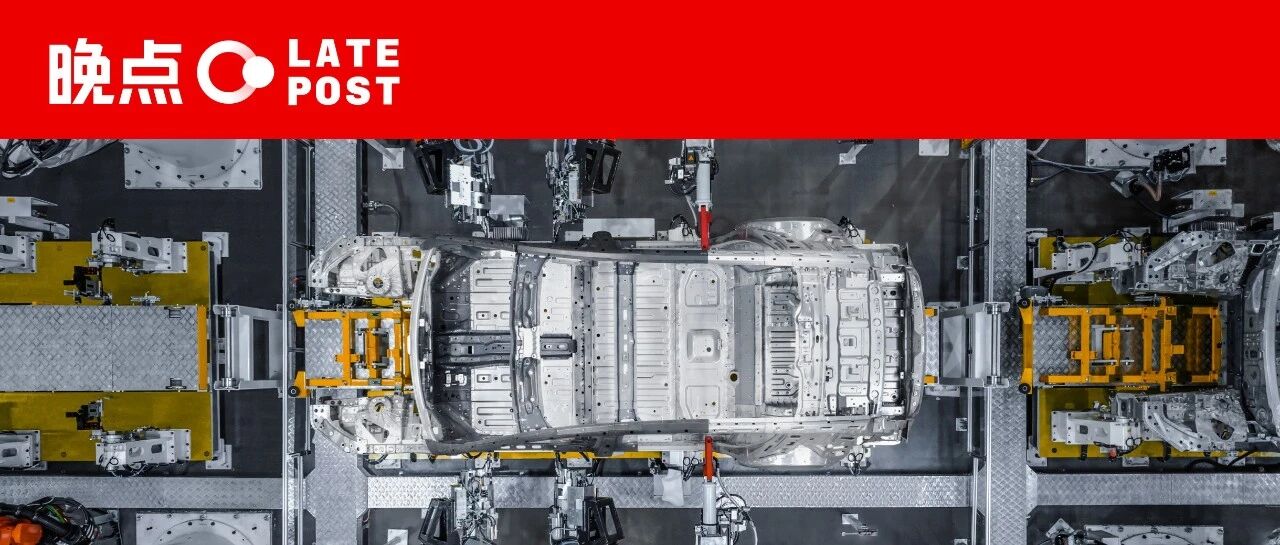
Core Viewpoint - The success of the ZunJie S800 represents not just a single product achievement but also signifies a shift for domestic automotive manufacturing from following to leading in the industry [3] Group 1: Transformation of Workforce - The mindset of production line workers has evolved from a focus on standardization to a pursuit of craftsmanship, as exemplified by the meticulous handcrafting of the intelligent starry sky ceiling in the S800 [4][5] - Workers now approach car manufacturing as an art form, emphasizing the importance of cleanliness and precision in their work [4] Group 2: Quality Control and Standards - The ZunJie project sets stringent quality standards, such as limiting impurities in the car body to under 3 grams before painting, which is at the edge of luxury car industry standards [5][7] - A rigorous cleaning process has been implemented to ensure that the car body meets these high standards, with regular inspections confirming compliance [8] Group 3: Attraction of Talent - The emergence of high-end manufacturing projects like the ZunJie S800 is attracting young talent, shifting their career aspirations towards the automotive industry rather than traditional tech sectors [9][11] - The factory environment resembles a high-tech laboratory, integrating advanced technologies such as AGV robots and AI visual systems for quality control [9] Group 4: Industry Collaboration and Innovation - The ZunJie S800 project has fostered a new collaborative model among suppliers, transitioning from a passive execution role to an active innovation role [12][16] - Joint development efforts among companies like Huawei, Jianghuai, and Songzhi have led to significant technological breakthroughs, such as the dual-layer air conditioning system [14][16] Group 5: Economic and Competitive Implications - The successful launch of the ZunJie S800 is expected to enhance the brand's market position and serve as a benchmark for other domestic brands aiming for the high-end market [19][20] - The project has catalyzed a transformation in the entire automotive supply chain, pushing component manufacturers to innovate and upgrade their technologies [19][20] Group 6: Broader Industrial Impact - The success of high-end vehicles like the ZunJie S800 reflects a country's overall industrial strength and serves as a catalyst for advancements across various manufacturing sectors [22][23] - The automotive industry’s evolution is indicative of a larger trend in manufacturing, where high-performance requirements drive improvements in foundational industrial capabilities [22][23]
2020丨隐秘的通途:字节、华为如何游说华盛顿
晚点LatePost· 2025-09-26 00:35
Core Viewpoint - The article discusses the ongoing efforts by ByteDance, the parent company of TikTok, to lobby against a potential ban on the app in the United States, highlighting the political and regulatory challenges it faces amid rising scrutiny from the U.S. government [4][5][37]. Group 1: TikTok's Regulatory Challenges - The Trump campaign launched ads calling for the ban of TikTok, citing privacy concerns and national security threats, with a total ad spend of $3,400 on July 17, 2020 [4][5]. - TikTok has faced investigations from the U.S. government, including a $5.7 million fine from the FTC in 2019 for collecting children's personal information without parental consent [5]. - The U.S. government is considering a ban on TikTok, with discussions led by key officials including Secretary of State Mike Pompeo and White House Chief of Staff Mark Meadows [5][37]. Group 2: Lobbying Efforts by ByteDance - ByteDance has employed K&L Gates, a major lobbying firm, to influence U.S. government decisions, with a team of 150 focused on corporate advocacy [7][8]. - Since 2019, ByteDance has hired five lobbying firms and 27 lobbyists, reflecting a broader trend of Chinese tech companies engaging in lobbying efforts in Washington [8][17]. - The lobbying landscape includes former government officials who leverage their connections to advocate for their clients, with many lobbyists having prior experience in Congress [10][11]. Group 3: The Role of Lobbying in U.S.-China Relations - The article notes that Chinese tech companies have significantly increased their lobbying expenditures in the U.S., with a 162% increase in 2018 and a 71% increase in 2019 compared to previous years [17]. - The lobbying industry in the U.S. has remained stable, generating approximately $3.2 to $3.5 billion annually, but Chinese companies represent a rapidly growing segment [17]. - The article highlights the unique challenges faced by Chinese companies in navigating the U.S. political landscape, particularly in light of heightened scrutiny and regulatory barriers [27][39]. Group 4: TikTok's Operational Adjustments - TikTok has made efforts to localize its operations in the U.S., including moving user data to local data centers and establishing a U.S.-based content advisory board [36]. - The company has appointed a U.S. CEO and expanded its workforce in the U.S. to demonstrate its commitment to operating independently from its Chinese parent company [36][37]. - Despite these efforts, skepticism remains regarding TikTok's independence, with U.S. officials questioning the effectiveness of its operational changes [37][38].
2020丨等待 2:30,印度封杀中国手机应用那一夜
晚点LatePost· 2025-09-26 00:35
Core Viewpoint - The Indian government's ban on 59 Chinese apps, including TikTok and WeChat, could lead to potential losses of up to $10 billion for the affected companies, with ByteDance estimated to lose around $6 billion [4][5][6]. Group 1: Impact of the Ban - The ban primarily affects apps developed by Chinese companies or those registered by Chinese nationals abroad, with TikTok being the most significant casualty due to its large user base in India [4][6]. - TikTok had over 100 million daily active users in India before the ban, making it the largest market for the app [6][8]. - The ban's execution is uncertain, with speculation on how it will be implemented, including potential removal from app stores and blocking by internet service providers [18][19]. Group 2: Market Context - The Indian market has been a focal point for Chinese internet companies since 2014, driven by its growth potential [20][21]. - Chinese companies have heavily invested in Indian tech startups, with 18 out of 30 unicorns having Chinese backing, amounting to over $3.5 billion [21]. - Despite the large user base, many Chinese companies face challenges in monetizing their services in India, which could limit the immediate financial impact of the ban [21]. Group 3: Historical Context and Signals - The ban follows a series of tensions between India and China, including border conflicts and public sentiment against Chinese products [16][17]. - Prior to the ban, there were indications of a growing backlash against Chinese apps, including a significant drop in TikTok's ratings on the Google Play Store [17][18]. - The Indian government has previously suggested banning TikTok due to concerns over content and security, indicating a long-standing scrutiny of Chinese apps [7][8]. Group 4: Broader Implications - The ban may not only impact internet companies but could also extend to Chinese electronics manufacturers operating in India, potentially affecting major players like Huawei and ZTE [24][25]. - The Indian government's actions reflect a broader trend of decoupling from China, which could have lasting effects on trade and investment between the two countries [24][25]. - The situation highlights the complexities of operating in international markets, where geopolitical factors increasingly influence business operations [24][26].
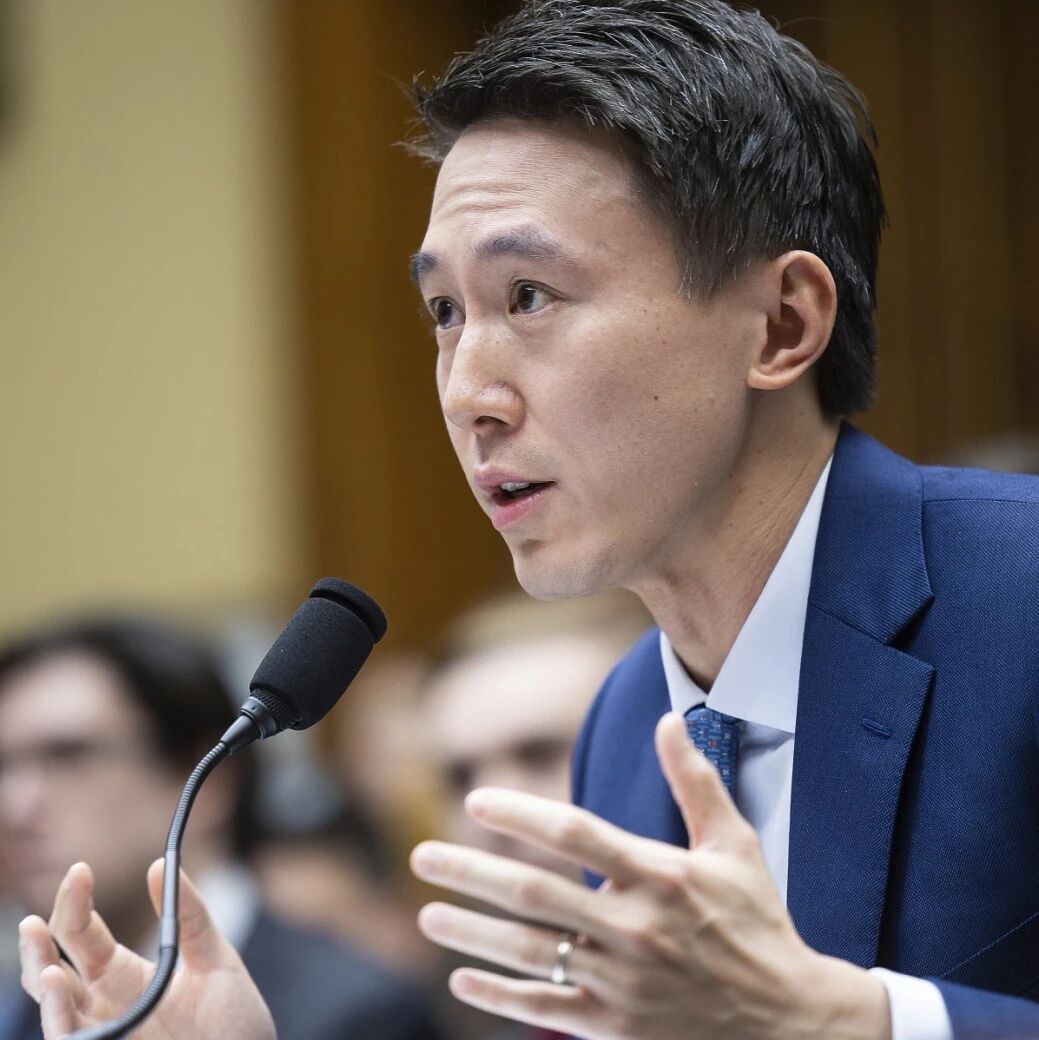
2023丨直击 TikTok 听证会,日益收紧的包围圈
晚点LatePost· 2025-09-26 00:35
Core Viewpoint - TikTok faces significant challenges in the U.S. due to increasing scrutiny from lawmakers and potential legislative actions that could lead to its breakup or ban, reflecting a growing resistance to globalization in a politically charged environment [3][5][6]. Group 1: Hearing Overview - The U.S. Congress held a hearing on TikTok, marking the first time in three years that the company’s CEO, Shou Zi Chew, attended to address concerns about data privacy and national security [3][4]. - The hearing lasted nearly five hours, during which Chew struggled to provide detailed answers due to frequent interruptions from lawmakers, highlighting the contentious nature of the inquiry [4][9]. - Lawmakers expressed concerns that TikTok poses a serious threat to American citizens by potentially allowing foreign governments to access sensitive data and influence content [7][8]. Group 2: User Engagement and Growth - TikTok has become deeply embedded in American society, with approximately 150 million monthly users, a threefold increase since 2020, and daily active users exceeding 80 million [5][39]. - Despite its growth, TikTok's penetration rate in the U.S. remains at about 24%, significantly lower than Douyin's (its Chinese counterpart) 54% [42]. Group 3: Legislative Environment - The Biden administration has provided TikTok with two options: either divest its U.S. operations or face a ban, reflecting a bipartisan consensus in Congress regarding the platform's risks [5][38]. - Recent legislative proposals, such as the RESTRICT Act, aim to empower the government to ban foreign applications deemed a threat to national security, with bipartisan support [38]. Group 4: Data Security Measures - TikTok is implementing the "Texas Project," which involves migrating its U.S. operations to Oracle's servers in Texas, aiming to alleviate concerns over data security and foreign access [46][50]. - The project is expected to cost TikTok between $700 million to $1 billion annually, with a focus on establishing a firewall for U.S. user data [46][50]. Group 5: Challenges and Comparisons - TikTok's advertising revenue generation is significantly lower than that of competitors like Facebook, with the platform struggling to monetize its user base effectively [42][43]. - The platform's e-commerce initiatives in the U.S. have been slow to develop, with plans for expansion being postponed due to regulatory pressures and competitive challenges [44][46].
结束的开始丨TikTok 五年自救到终点,办公室安静如常
晚点LatePost· 2025-09-26 00:35
Core Viewpoint - TikTok's journey reflects the complexities of maintaining business operations amid geopolitical tensions, showcasing the challenges and adaptations required for a Chinese company in the U.S. market [3][4][36]. Group 1: TikTok's Market Entry and Growth - TikTok, launched by ByteDance in 2017, successfully penetrated the U.S. market, initially targeting Chinese tourists and overseas Chinese communities [3]. - Despite facing pressure from U.S. administrations to divest, TikTok focused on growth, which became a critical strategy for survival [4][5]. - As of September 2023, TikTok has over 100 million users in the U.S., with an average daily usage of 52 minutes per user, significantly higher than Instagram [6]. Group 2: Recent Developments and Transactions - On September 25, 2023, a new transaction structure for TikTok in the U.S. was approved, allowing a joint venture to manage the app while ByteDance retains ownership of the recommendation algorithm [5][6]. - The joint venture will include Oracle and other investors, with ByteDance holding less than 20% of the new entity [5][9]. - The deal aims to ensure TikTok's continued operation in the U.S. while addressing national security concerns [5][6]. Group 3: Financial Projections and Market Potential - eMarketer forecasts that TikTok will generate $14.3 billion in advertising revenue in the U.S. by 2025, highlighting the platform's significant market potential [7]. - The U.S. is the largest advertising market globally, with the value of digital advertising per person being substantially higher than in other countries [7]. Group 4: Employee Dynamics and Cultural Challenges - TikTok's workforce in the U.S. has seen a shift, with many Chinese employees taking on key roles, leading to communication challenges due to language barriers [26][27]. - Employees report long working hours, often exceeding 12 hours a day, and express concerns about job security amid ongoing geopolitical tensions [14][30]. - The company has implemented English proficiency assessments to improve communication among its diverse workforce [26]. Group 5: Geopolitical Context and Future Outlook - The ongoing geopolitical tensions between the U.S. and China have created an uncertain environment for TikTok, with potential implications for its operational strategies and employee dynamics [36][34]. - The company's ability to navigate these challenges will likely influence its long-term viability and the broader landscape for Chinese companies operating in the U.S. [36][34].
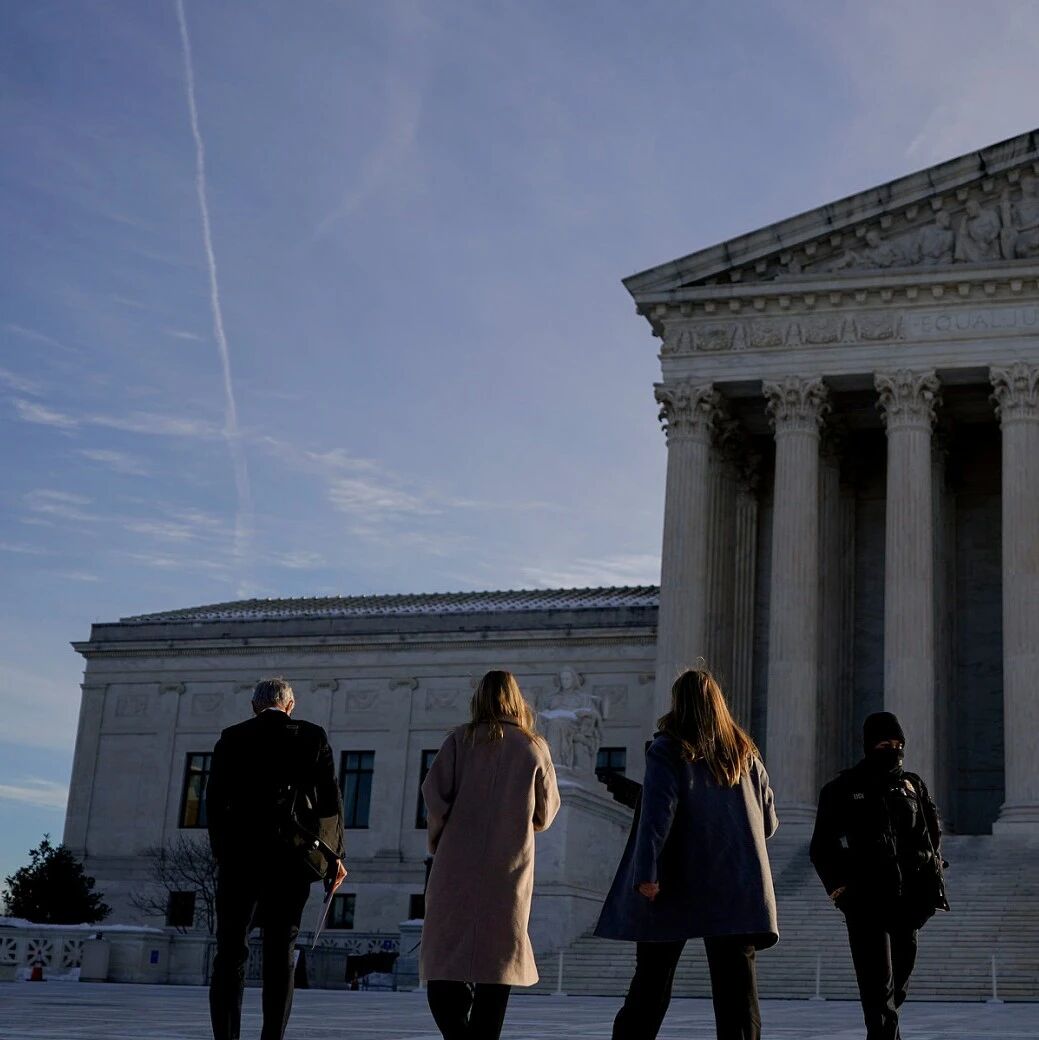
2025丨对话前白宫官员和资深律师丨TikTok 美国大局已定
晚点LatePost· 2025-09-26 00:35
以下文章来源于晚点对话 ,作者陈晶 徐煜萌 晚点对话 . 最一手的商业访谈,最真实的企业家思考。 "最高法院的判决具有终审效力,因为它公正可靠;而它之所以公正可靠,正因它是终审判决。" 本文首发于 2025 年 01 月 18 日 文 丨 陈晶 徐煜萌 编辑 丨 黄俊杰 1 月 19 日,TikTok 禁令的最后期限即将到来,两任美国总统分别表示不会即刻要求关闭 TikTok。拜 登政府官员称将会把执行封禁的任务留给 1 月 20 日上任的特朗普,特朗普则曾表示上任后会暂停执 行禁令,或是将执行期延长 60 天- 90 天,以寻求出售或是其他解决方案。 但 TikTok 在美国的命运已经变成法律问题,不再是总统或者政府可以直接决定。美国最高院本周五 裁定,此前国会要求 TikTok 出售或者关闭的法案合乎宪法。按照该法案规定,1 月 19 日以后,任何 美国境内的公司,应用商店或者云服务平台都不能再为 TikTok 及其母公司字节跳动提供服务,否则 将面临 8500 亿美元(1.7 亿用户,每人 5000 美元)的天价罚款。 即使政府不立即执行禁令,只要美国公司都遵守法律,一款短视频应用无法继续分发内容、维护 ...
2022丨谁在管理 TikTok:五年五任管理者,没有中心的网状组织
晚点LatePost· 2025-09-26 00:35
Core Viewpoint - TikTok's success or failure will test the viability of a global collaborative company model in an increasingly unfriendly environment for globalization [3] Group 1: TikTok's Rapid Growth and Management Changes - TikTok has achieved rapid global expansion, reaching over 1.2 billion monthly active users within five years, compared to Instagram's 1 billion after six years [4] - The platform has undergone five leadership changes in its five years of operation, indicating a turbulent management structure [4][5] Group 2: Organizational Structure and Localization - TikTok's success is largely attributed to the support from ByteDance's ecosystem, including management teams from Douyin and a strong central support system [5] - The company is increasingly distancing itself from its Chinese roots, with a significant number of foreign nationals in management and local hires for regional positions [5][6] - TikTok's internal structure is decentralized, with decision-making authority distributed among various regional managers, resembling a network rather than a centralized hierarchy [41][46] Group 3: Data Management and Security - TikTok has implemented strict data management protocols, with user data stored in the U.S. and backed up in Singapore to address government concerns about data security [6] - The platform has faced challenges related to geopolitical tensions, particularly during the Trump administration, which heightened scrutiny and regulatory pressures [12][14] Group 4: Financial Performance and Revenue Generation - TikTok's revenue model is still developing, with over half of its income coming from the U.S. and only 2% from Japan, indicating untapped potential in other markets [6] - The platform's advertising revenue grew from $1 billion in 2020 to $4 billion in 2021, with a target of $12 billion for 2022, but it still lags behind competitors like Facebook [31][54] Group 5: Challenges and Future Outlook - TikTok's e-commerce initiatives are in their infancy, with only $6 billion in GMV in 2021, highlighting the need for a robust global supply chain [55] - The company faces internal challenges, including cultural differences and high turnover rates among employees, particularly in North America [56] - Despite its rapid growth, TikTok must prove its ability to operate independently and sustainably in a challenging global landscape [58]
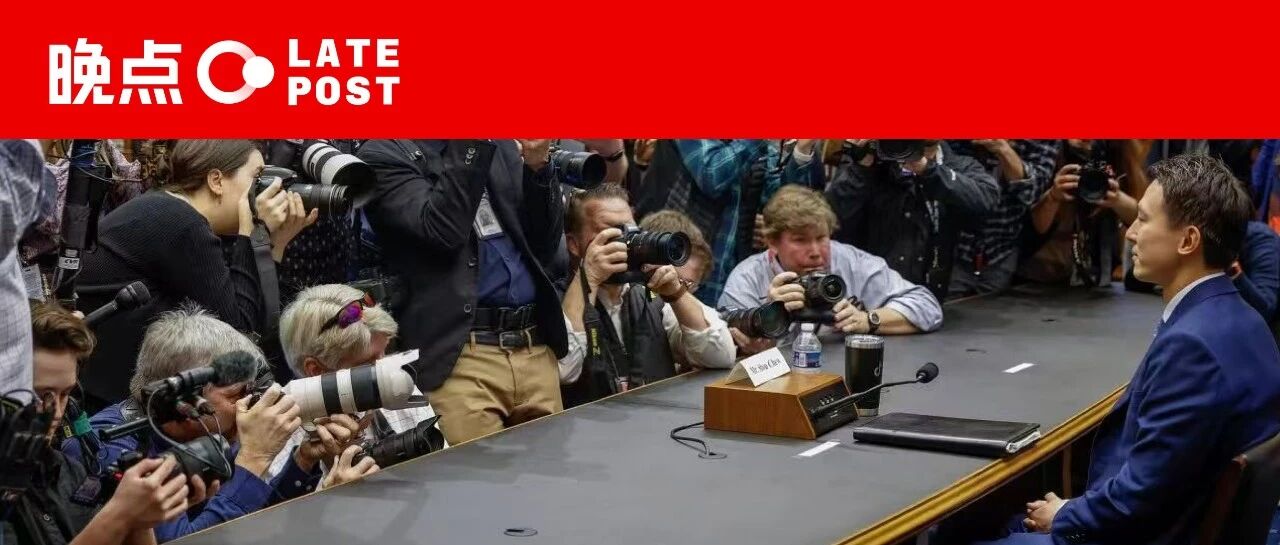
2020丨直击 TikTok 美国听证会
晚点LatePost· 2025-09-26 00:35
Core Viewpoint - The article discusses the complexities faced by ByteDance as it navigates unprecedented global challenges, particularly in light of U.S. congressional scrutiny over TikTok's data security and privacy issues [3][10]. Group 1: Congressional Hearing on TikTok - A U.S. Senate hearing on TikTok's data security took place on March 4, 2020, where TikTok and Apple declined to attend [4]. - Senator Josh Hawley announced plans to legislate a ban on federal employees using TikTok on government devices, highlighting concerns over user data collection and potential government access [5][9]. - TikTok's U.S. operations are managed by an American company based in Culver City, California, and the platform has become a focal point for discussions on user data security alongside Facebook [5][10]. Group 2: TikTok's Response and Independence - TikTok has been working to establish operational independence from its parent company, ByteDance, with a focus on data, product architecture, and commercialization [6]. - The company has set a commercial target of 7.5 billion RMB for 2020 and is actively recruiting a new CEO for its U.S. operations to enhance its credibility [6][10]. - Despite concerns, TikTok's operational independence does not imply a spin-off in terms of ownership structure [6]. Group 3: Expert Opinions on Data Security - Experts at the hearing emphasized the potential for user data to be weaponized, with concerns about data mining and vulnerabilities in information security [7][10]. - Samm Sacks, a researcher, argued that while there are valid concerns about data security, the idea that TikTok's data could be used for future blackmail is exaggerated [13][15]. - Derek Scissors noted that while current risks may be low, future risks could be significant, and suggested that ByteDance should consider structural changes to alleviate U.S. concerns [20][21]. Group 4: Market Dynamics and Competition - The article highlights that Chinese tech companies, including TikTok, face unique challenges in international markets, particularly regarding data privacy concerns [10][21]. - In emerging markets, data privacy issues may not hinder Chinese companies as much as they do in developed markets, where consumers prioritize service quality and price [21]. - The competitive landscape in regions like Southeast Asia and India is influenced by local data governance practices, which may favor companies willing to localize data storage [15][21].
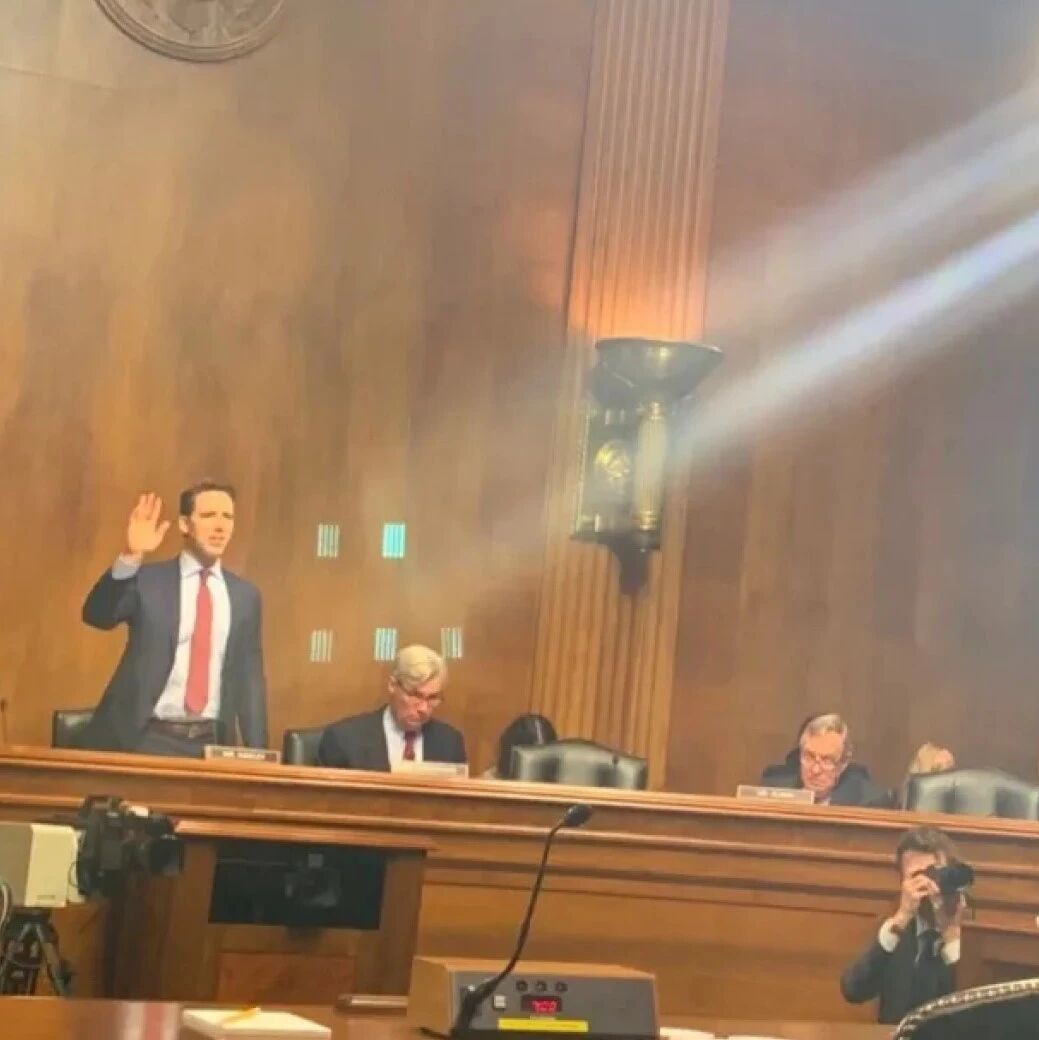
2025丨四年极限自救,变成一个有吸引力的筹码
晚点LatePost· 2025-09-26 00:35
Core Viewpoint - The article discusses the challenges faced by TikTok in the U.S. market due to legislative actions and political pressures, highlighting that the company's future developments are increasingly beyond its control [2][5][37]. Group 1: Legislative Actions and Political Pressures - On January 19, 2025, TikTok was effectively banned in the U.S. as Congress passed a law requiring ByteDance to sell TikTok or face a ban [2][6]. - The law applies to all ByteDance products, including Lemon8, CapCut, and Lark, which were also taken offline in the U.S. [2]. - The U.S. government has escalated its scrutiny of TikTok, transitioning from individual executive actions to formal legislative measures [5][11]. Group 2: Historical Context and Comparisons - TikTok's current situation mirrors past challenges faced by Huawei, where national security concerns led to significant operational hurdles [4][5]. - TikTok's entry into the U.S. market in 2017 coincided with rising geopolitical tensions, which have only intensified over the years [4][5]. - The company has made substantial investments in growth and compliance, yet its operational choices are now limited by external political factors [5][7]. Group 3: Company Operations and Employee Sentiment - Despite the ban, TikTok employees remain hopeful about the platform's future, with many continuing to work on business plans and operations [3][7]. - The TikTok e-commerce team faced immediate challenges as U.S. merchants were left uncertain about their inventory and sales strategies [3][7]. - TikTok has been proactive in engaging with local creators and businesses to enhance its value proposition in the U.S. market [5][14]. Group 4: Business Strategy and Market Position - TikTok has pursued aggressive growth strategies, becoming a major advertising player in the U.S. despite facing stiff competition from established platforms like Google and Facebook [15][24]. - The platform's e-commerce initiatives have shown promise, with daily sales reaching approximately $20 million in the U.S. [14][25]. - TikTok's advertising market share in the U.S. is projected to be only 3.4% by 2024, indicating significant room for growth [24]. Group 5: Future Outlook and Uncertainties - The article emphasizes that TikTok's future is uncertain, hinging on political decisions and legislative actions that are beyond the company's control [7][37]. - The potential for a 90-day extension on the ban has been discussed, but the overall sentiment remains cautious as the political landscape evolves [6][36]. - TikTok's ability to navigate these challenges will depend on its capacity to adapt and maintain its user base amid ongoing scrutiny [37].