华尔街见闻

Search documents
阿里系双AI出手,定义AI入口新战场
华尔街见闻· 2025-11-19 03:00
Core Insights - The market is shifting focus from "what can be discussed" to "what can be accomplished," indicating a clear trend towards AI as a productivity tool rather than just a conversational agent [1][5] - Major industry events in November, including the launch of Alibaba's "Qianwen" app and Ant Group's "Lingguang" AI assistant, signify a pivotal moment in the AI application landscape [2][4] - The competition is evolving from measuring daily active users to understanding who can meet core user needs effectively [5][8] Group 1: AI Application Landscape - The new battleground for AI applications is emerging as the "productivity entry point," with Ant Group's "Lingguang" exemplifying this shift by focusing on task resolution rather than general interaction [6][18] - Users are transitioning from seeking simple Q&A interactions to wanting one-click solutions that accomplish tasks [7][19] - The AI landscape by 2025 is expected to be more defined, with leading players adopting distinct strategic paths [8][61] Group 2: Competitive Layers - The AI entry point has diversified into three layers: 1. The first layer focuses on traffic "moats," represented by Tencent and ByteDance, which aim to enhance consumer engagement through AI [10][11] 2. The second layer serves as a B2B "arsenal," with companies like Baidu and Alibaba providing AI solutions to enhance business operations [12][13][14] 3. The third layer is the C-end "personal assistant," which addresses proactive user tasks rather than passive entertainment [15][16][17] Group 3: Ant Group's "Lingguang" - "Lingguang" is positioned as the first all-code-generating multi-modal AI assistant, capable of creating interactive tools in response to user requests [21][24] - The shift from providing information to generating tools represents a fundamental change in AI's role, moving towards "scene productivity" [25][36] - The value of the "productivity entry point" lies in creating closed loops for high-intent scenarios, enhancing user engagement and satisfaction [26][27] Group 4: User Engagement and Tool Creation - The "Lingguang" assistant allows users to generate interactive applications, transforming them from passive consumers to active tool creators [41][44] - This model addresses long-tail demands that traditional app development cannot meet due to high costs and long timelines [42][43] - The focus on problem-solving is crucial for user retention, as it emphasizes the practical utility of AI [45] Group 5: Strategic Framework - Ant Group's AI strategy is characterized by a systematic approach, with "Lingguang" and "AQ" (AI health manager) serving as key components of its broader vision [52][60] - The underlying technology, including the Ant Bailing Large Model, ensures strategic autonomy in capability, safety, and cost [54][55] - The expansion into physical applications through "Lingbo Technology" reflects the ambition to extend AI's service capabilities beyond the digital realm [58][59] Conclusion - The AI entry battle is becoming increasingly nuanced, with Ant Group's "Lingguang" introducing a significant variable by transforming AI from a knowledge provider to a capability enhancer [63][64] - The ultimate success in the AI landscape will depend on the ability to solve real user problems rather than merely attracting attention [65]


“AI闭环”扩大:英伟达、微软联手150亿美元投资Anthropic,“OpenAI对手”的估值已达3500亿美元
华尔街见闻· 2025-11-19 02:28
Core Insights - Microsoft, Nvidia, and Anthropic have formed a strategic partnership, creating a tightly-knit "AI Alliance" that binds capital, computing power, and models together [1][4] - The partnership involves significant investments, with Microsoft committing up to $5 billion and Nvidia up to $10 billion in Anthropic [2] - Anthropic's valuation has surged to $350 billion, marking an expansion of "closed-loop" investments in the AI sector [4] Investment and Collaboration Details - Anthropic will purchase $30 billion worth of Azure computing power from Microsoft and has signed contracts for up to 1 gigawatt of additional computing power, all running on Nvidia's AI systems [3][7] - This collaboration represents Nvidia's first deep technical partnership with Anthropic, aimed at optimizing Anthropic's products for performance and efficiency [5][6] - Anthropic's initial commitment includes acquiring up to 1 gigawatt of computing power, utilizing Nvidia's advanced architectures [7][8] Product and Market Strategy - Microsoft and Anthropic are expanding their collaboration to provide broader access to Anthropic's Claude models for enterprise users [9] - Azure AI Foundry customers will have access to Anthropic's Claude models, making Claude the only cutting-edge LLM model available on the three major cloud platforms [10] - Microsoft will continue to integrate Claude into its Copilot product suite, enhancing its offerings alongside OpenAI's models [11][12] Infrastructure and Growth Plans - Founded by former OpenAI employees, Anthropic is accelerating its infrastructure development, planning to invest $50 billion in custom data centers across the U.S. [13] - Anthropic has also secured a deal with Google to supply up to 1 million AI chips, significantly boosting its computing capabilities [13] Market Concerns and Risks - The announcement of this partnership comes amid rising skepticism about the AI investment boom, with Nvidia and Microsoft's stock prices dropping nearly 3% on the day of the announcement [14] - Concerns about a potential "AI bubble" are prevalent, with 45% of fund managers viewing it as a major risk, as the closed-loop investment model raises questions about the sustainability of AI products generating sufficient revenue [17]



Gemini 3的意义:AI已超越“幻觉阶段”,逼近人类,“人机协作”将从“人对AI纠错”走向“人指导AI工作”
华尔街见闻· 2025-11-19 02:28
Core Insights - Google has officially launched its most powerful AI model, Gemini 3, which is now integrated into various products and platforms, marking a significant advancement in AI capabilities [1][2][3] - Gemini 3 is positioned as a leading model in several performance benchmarks, showcasing its advanced multi-modal understanding and code generation abilities [2][3] - The evolution from AI as a conversational partner to a digital colleague signifies a major paradigm shift in human-AI collaboration, where humans will provide strategic guidance rather than correcting basic errors [4][28] Group 1: Model Performance and Capabilities - Gemini 3 is described as the best multi-modal understanding model and the most powerful agent and code generation model developed by Google [3] - The model demonstrates remarkable "agent" capabilities, allowing it to perform complex tasks such as writing code, building interactive applications, and executing multi-step tasks [3][4] - The transition from "description" to "action" indicates that AI is evolving into a general-purpose tool capable of completing actual work rather than just generating text [4][28] Group 2: Practical Applications and Tools - Alongside Gemini 3, Google introduced Antigravity, a tool that enables AI to autonomously write programs and perform tasks on computers, fundamentally changing the nature of what it means to "code" [11][12] - Users can interact with Gemini 3 in natural language, allowing it to manage tasks such as creating web pages and summarizing information, which enhances productivity [12][14] - The AI's ability to handle complex data analysis and generate original research papers demonstrates its advanced cognitive capabilities, comparable to a graduate-level researcher [18][25] Group 3: Future Implications and Trends - The emergence of Gemini 3 signifies a shift from the "chatbot era" to the "digital colleague era," where AI will play a more integral role in professional environments [28] - The model's imperfections reflect a transition to more nuanced human-like errors, indicating that AI is becoming more sophisticated in its decision-making processes [17][25] - The need for human oversight is emphasized, as users will need to guide and verify AI actions, marking a significant change in the relationship between humans and AI [28][31]


20年来首现“过度投资”!美银基金经理调查:AI泡沫已成市场上最大“尾部投资”
华尔街见闻· 2025-11-19 02:28
据追风交易台消息,美银18日发布的全球基金经理调查显示,基金经理们的股票配置升至2025年2月以来的最高水平, 但现金持仓降至仅3.7%,触发该行"卖 出信号", 市场担忧过度看涨的仓位可能成为风险资产的阻力。 然而,乐观情绪的背后是日益增长的风险警报。 45%的受访者将"AI泡沫"视为当前市场的最大尾部风险, 这一比例较上月显著上升。同时,"做多七巨头"以 54%的得票率重回"最拥挤交易"的榜首,凸显了市场资金在大型科技股上的高度集中。 市场情绪正处于一个微妙的十字路口。美银的调查显示,尽管投资者对经济前景的乐观情绪升温,但对人工智能驱动的投资狂热及其潜在泡沫的担忧也在同步 加剧,同时,一个长达20年未见的警示信号——企业过度投资——已经出现。 尽管宏观情绪本月有所改善,全球增长预期年内首次转正,53%的投资者预测经济将软着陆,但创纪录的63%受访者认为股市当前估值过高。 美银警告,这一转变的背后,是对AI领域资本支出热潮的规模及其融资方式的普遍担忧。 若无美联储降息等新的催化剂,风险资产可能面临回调压力。 AI泡沫成头号风险,20年来首现企业"过度投资"警告 美银调查显示,在经历了数月的市场狂热后,基金经 ...

折叠屏市场回暖,华为折叠屏迎来里程碑式突破
华尔街见闻· 2025-11-19 02:28
Core Viewpoint - The foldable smartphone market is transitioning from a growth phase to a mainstream adoption phase, with Huawei leading the industry with a significant market share and innovative product offerings [2][4][10]. Market Position and Share - Huawei holds nearly 70% of the foldable smartphone market share in China as of the first three quarters of 2025, solidifying its position as the industry leader [4][16]. - In the high-end market segment (priced above $600), Huawei captures approximately one-third of the market share, showcasing its dominance in premium offerings [4][10]. - The competitive landscape shows Huawei far ahead, with its closest competitor, Honor, holding only 11.2% market share, while Vivo has 5% [9][10]. Product Innovation and Development - Huawei has introduced a diverse range of foldable smartphones, including large foldable, small foldable, tri-fold, and wide-fold models, making it the most innovative player in the market [21][30]. - The Mate X series, starting with the original Mate X, has set industry standards with its unique hinge design and continuous technological advancements, culminating in the Mate X6 and the groundbreaking Mate XT [22][27]. - The recent launch of the Mate XTs further emphasizes Huawei's commitment to innovation, featuring the world's thinnest tri-fold design and advanced user experience capabilities [24][26]. Ecosystem and User Experience - Huawei's HarmonyOS ecosystem plays a crucial role in enhancing the user experience of foldable smartphones, providing seamless integration across devices and applications [43][44]. - The company has focused on addressing user needs by offering products that combine portability with functionality, appealing to both business professionals and younger consumers [32][41]. Market Trends and Future Outlook - Despite a recent slowdown in overall market growth, Huawei's strategic focus on foldable smartphones has allowed it to maintain a strong position and set industry trends [14][46]. - The increasing acceptance of foldable smartphones among consumers, with 70.1% expressing interest in purchasing one, indicates a robust potential market [32]. - As the foldable smartphone market matures, Huawei is expected to continue leading through technological innovation and ecosystem development, driving further growth in the industry [46].

刚刚,中美机器人爆发一场论战
华尔街见闻· 2025-11-18 10:43
Core Viewpoint - A video showcasing a humanoid robot from a Chinese startup, MindOn Tech, has sparked significant debate regarding its authenticity and implications for the robotics industry, particularly in the context of competition between Chinese and American companies [3][9][35]. Group 1: Video and Initial Reactions - The video features a humanoid robot performing tasks such as watering plants and playing with children, claiming to operate "without acceleration or remote control" [7][9]. - The video quickly gained attention in the tech community, leading to skepticism from American figures, including Brett Adcock, CEO of Figure, who questioned its authenticity [12][11]. - Adcock suggested that the robot's movements appeared to be pre-recorded and that the video may have been manipulated [15][16]. Group 2: Support and Counterarguments - Supporters of MindOn Tech provided backup footage to validate the video's claims, arguing that the robot's actions are based on established research in robotics [20][21]. - Tech blogger Mike Kalil defended the video, stating that the robot's capabilities are a result of integrating advanced research in imitation and reinforcement learning [24]. Group 3: Implications for the Robotics Industry - Analysts noted that if MindOn Tech's software can deliver genuine functionality on affordable hardware, it could pose a serious threat to established American companies like Figure, 1X Technologies, and Tesla [27]. - The current trend among leading American firms involves a vertically integrated approach, developing both the AI software and the hardware [28][29]. - MindOn Tech's approach suggests a potential "Android model," where software and hardware can be decoupled, allowing for more flexible and cost-effective solutions in the robotics market [30][31]. Group 4: Competitive Landscape and Future Outlook - The competition in humanoid robotics is intensifying, with Chinese companies rapidly advancing in both hardware and software capabilities [35]. - The ongoing debate over the video's authenticity reflects a broader clash of technological approaches and business models between Chinese and American firms [33][34].

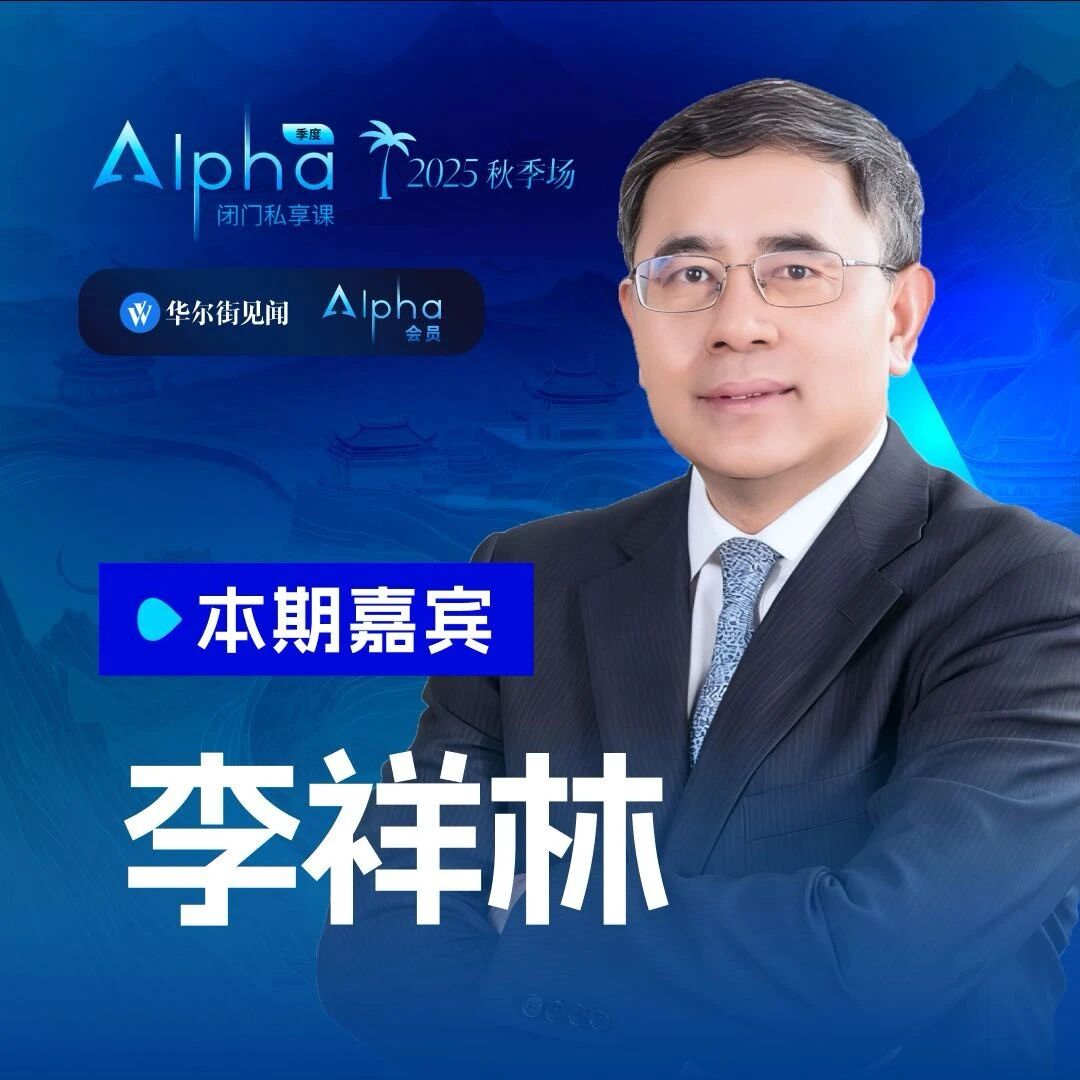
从花旗,巴克莱到中金原首席风险官:李祥林教你用衍生品追踪黑天鹅
华尔街见闻· 2025-11-18 10:43
Core Viewpoint - The year 2025 presents a dramatic scenario where global liquidity is revitalized, and market enthusiasm is rekindled, particularly driven by the AI narrative, leading to record highs in global stock markets [1][4]. However, there is a simultaneous sharp decline in risk appetite, with institutional funds flowing into safe-haven assets like gold, resulting in multiple historical highs in gold prices [2][4]. Group 1: Market Dynamics - Investors are simultaneously betting on the future of AI while holding onto the reality of gold, reflecting a historical pattern seen during the internet bubble in 2000 and the financial crisis in 2008 [4][5]. - The current market environment is characterized by a dissonance between the fervor for AI and the rising demand for risk aversion, indicating a potential for irrational collapse following a period of rational exuberance [5][24]. Group 2: Risk Management Insights - The article emphasizes the need for a robust risk framework to navigate the current chaotic market conditions, as highlighted by Professor Li Xianglin's upcoming course aimed at equipping participants with essential skills for risk assessment and management [8][25]. - The course will cover the construction of risk factor models, risk prevention and early warning systems, and strategies for asset allocation during turbulent times [27][28]. Group 3: Professor Li Xianglin's Background - Professor Li Xianglin has a distinguished career in financial risk management, having worked at major institutions like Citigroup and Barclays, where he developed the Gaussian Copula function, a foundational model for pricing credit derivatives [11][22]. - After the 2008 financial crisis, he shifted focus from financial innovation to risk governance, contributing to the Basel Committee and advising key financial regulatory bodies in China [13][23]. Group 4: Course Objectives - The course aims to help participants understand how financial risks are generated and to develop a framework for identifying and responding to risks, rather than merely predicting opportunities [34][35]. - It will also address the psychological aspects of market behavior, emphasizing the importance of maintaining independent judgment amidst market euphoria and panic [30][34].
对话郁蓓华:贝莱德基金的下一步,一定不会“同质化”
华尔街见闻· 2025-11-18 10:43
Core Insights - The article discusses the appointment of Yu Peihua as the new General Manager of BlackRock Fund, highlighting the challenges and opportunities she faces in transforming the company during a critical period [4][9]. - Yu emphasizes the importance of understanding how global asset management firms enhance investor satisfaction, which will be central to BlackRock Fund's future product strategy [6][10]. Group 1: Company Background and Challenges - BlackRock Fund, a subsidiary of the world's largest asset management firm, BlackRock Group, is undergoing a transformation due to historical burdens and product adjustments since its inception over five years ago [4][5]. - The asset management industry has evolved significantly, with the total scale exceeding 30 trillion RMB, contrasting with the earlier challenges faced by the industry [12]. - Yu acknowledges the cyclical nature of investor behavior, where risk and return sensitivities fluctuate, leading to suboptimal investment experiences [12][13]. Group 2: Strategic Focus and Product Development - Yu outlines three priority strategies for BlackRock Fund: systematic active equity strategy, multi-asset absolute return strategy, and distinctive fixed income strategy, all aimed at providing sustainable returns [18][19]. - The company aims to solidify its domestic business while seeking QDII qualifications to offer global asset allocation capabilities to Chinese investors [18][20]. Group 3: Organizational Culture and Values - BlackRock's organizational culture emphasizes respect for individuals and a client-first approach, with a focus on creating sustainable alpha for clients [25][29]. - The company promotes a collaborative environment, encouraging global cooperation among employees to solve problems effectively [26][28]. - Long-term relationships with clients are prioritized, reflecting a commitment to providing continuous wealth returns rather than one-time transactions [29][30]. Group 4: Future Outlook and Industry Trends - The recent regulatory framework aims to shift the focus from institutional development to investor interests, which is seen as a positive step for sustainable growth in the asset management industry [32]. - BlackRock Fund intends to differentiate itself by leveraging its unique advantages while closely monitoring local client needs to provide tailored solutions [34][35].


“一夜之间”,每个人都在卖英伟达
华尔街见闻· 2025-11-18 10:43
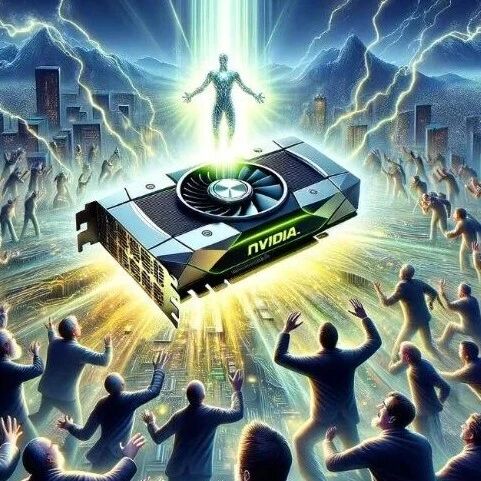
Core Viewpoint - Major institutional investors are selling off Nvidia shares, indicating a shift towards risk management despite the ongoing AI hype [1][2][5]. Group 1: Institutional Investor Actions - Billionaire Peter Thiel's hedge fund, Thiel Macro LLC, sold all 537,742 shares of Nvidia by the end of Q3, coinciding with Nvidia's market cap surpassing $5 trillion [1][4]. - Bridgewater Associates significantly reduced its Nvidia holdings by 65.3%, from 7.23 million shares to 2.51 million shares, marking a strategic shift from trend-following to risk management [4][6]. - SoftBank also disclosed the sale of all its Nvidia shares, reflecting a broader trend among top institutional investors towards cautious repositioning [5][7]. Group 2: Macro Risks and Strategy Shift - The collective withdrawal of institutional investors aligns with warnings from Bridgewater's founder Ray Dalio about the global debt cycle entering a late-stage risk phase, with potential financial crises stemming from sovereign debt issues [3][6]. - Rising U.S. public debt, geopolitical tensions, and central bank interventions are increasing systemic risks, prompting investors to adopt a more cautious stance on high-valuation tech stocks [7]. Group 3: Analyst Expectations for Nvidia - Despite the sell-off by major investors, Wall Street analysts maintain optimistic expectations for Nvidia's upcoming earnings report, with projected adjusted earnings of $1.23 per share and revenue of $54.83 billion for the October quarter [3][8]. - Analysts from D.A. Davidson and Morgan Stanley reaffirmed their buy ratings and set target prices of $250 and $215, respectively, citing strong demand trends in cloud services and potential for robust earnings surprises [9][10].
币圈“极度恐慌”,市场为比特币跌向“80000美元”做准备
华尔街见闻· 2025-11-18 10:43
Core Viewpoint - Bitcoin is experiencing a significant decline, with traders preparing for further downturns as the cryptocurrency market faces extreme fear and pressure from macroeconomic factors [1][6][14]. Group 1: Market Performance - Bitcoin dropped below $90,000, marking a seven-month low, with the total cryptocurrency market capitalization falling by over $1.2 trillion in the past six weeks [2]. - Ethereum has also seen a decline, falling to $2,975, with a 24% drop since early October [12]. Group 2: Trader Sentiment - There is a notable increase in protective demand for put options at key levels of $90,000, $85,000, and $80,000, with the size of bearish bets exceeding $740 million for contracts expiring in late November [4]. - The sentiment index from CoinMarketCap indicates that cryptocurrency participants are in a state of "extreme fear," with many investors unable to buy more due to significant losses [6]. Group 3: Impact on Crypto Companies - Digital asset "treasury companies" are under pressure, having accumulated large amounts of cryptocurrency earlier this year in an attempt to become concept stocks in the crypto market [8][9]. - Despite some companies like Michael Saylor's Strategy purchasing $835 million worth of Bitcoin, many peers are facing increasing pressure to sell assets to protect their balance sheets [10]. Group 4: Macroeconomic Factors - Broader economic forces, including Federal Reserve policy expectations and discussions around the AI bubble, are contributing to negative market sentiment for cryptocurrencies and risk assets [14][15]. - The cryptocurrency market has been volatile since a significant liquidation wave in early October, which wiped out approximately $19 billion in crypto assets [16].