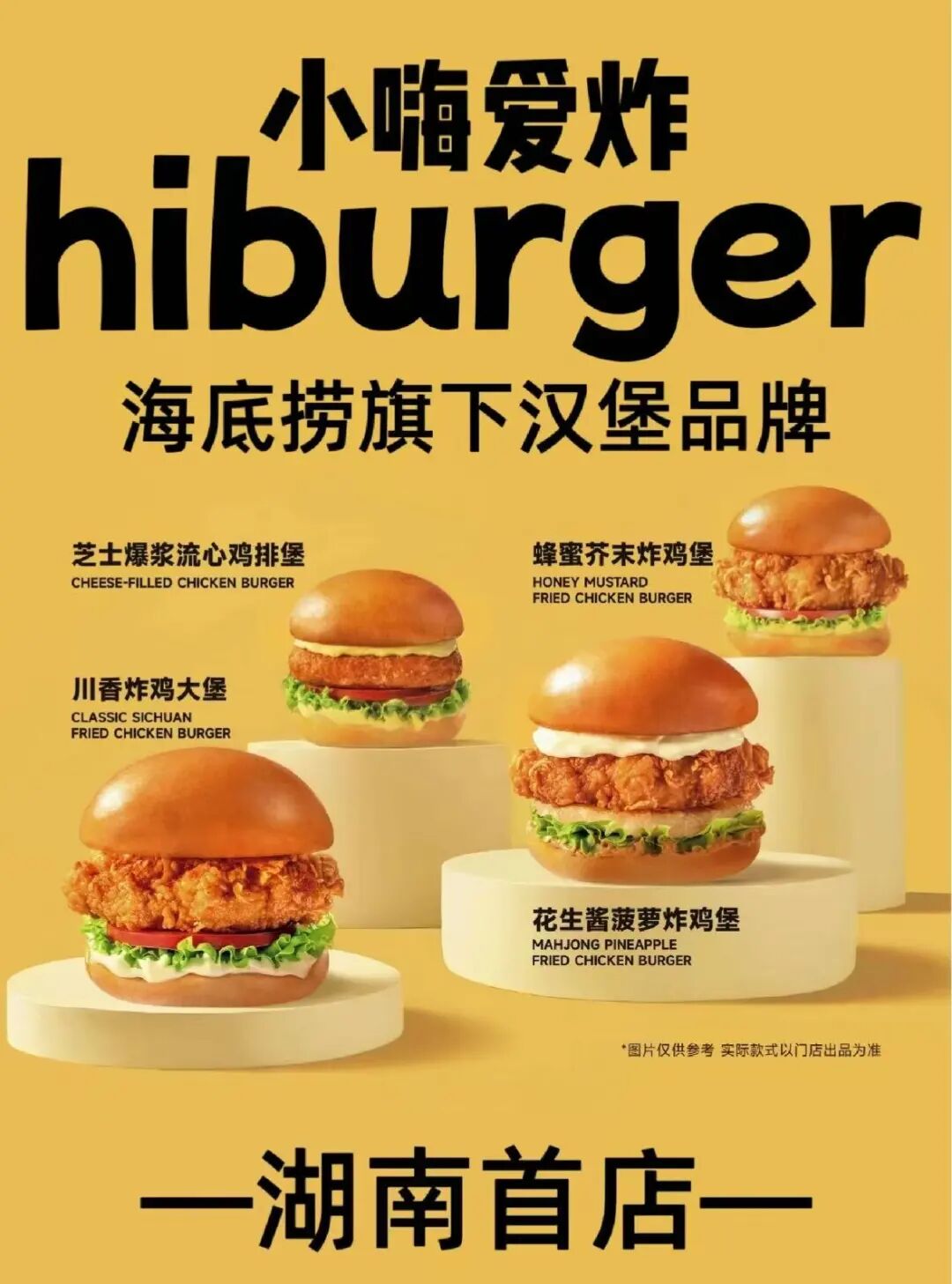
HAIDILAO(06862)

Search documents
银发经济|老年人也可成为火锅、披萨达人,“银发餐饮”成新风口
Di Yi Cai Jing· 2025-10-29 09:57
Core Insights - The dining industry is experiencing a "silver economy" revolution as more elderly individuals are frequenting restaurants like hot pot and pizza places, moving beyond traditional venues like tea houses and public squares [1][2] Group 1: Market Trends - Elderly consumers are diversifying their dining preferences, showing interest in hot pot and international cuisine, seeking emotional value and social interaction [2][5] - Restaurants are actively adapting to the "silver economy," with chains like Haidilao introducing special promotions and menu items tailored for older customers [3][5] Group 2: Consumer Behavior - The elderly demographic is increasingly valuing social experiences and emotional connections during meals, reflecting a shift in their dining habits [5][6] - Haidilao's initiatives, such as offering discounts and engaging activities, highlight the changing expectations of elderly diners who now enjoy interactive dining experiences [5][6] Group 3: Industry Innovations - E-commerce platforms are innovating food products for the elderly, such as reduced-sugar mooncakes and layered fillings, indicating a growing market for health-conscious options [6][7] - The government's "14th Five-Year Plan" emphasizes the development of the silver economy, recognizing the significant consumer potential of the aging population [7]


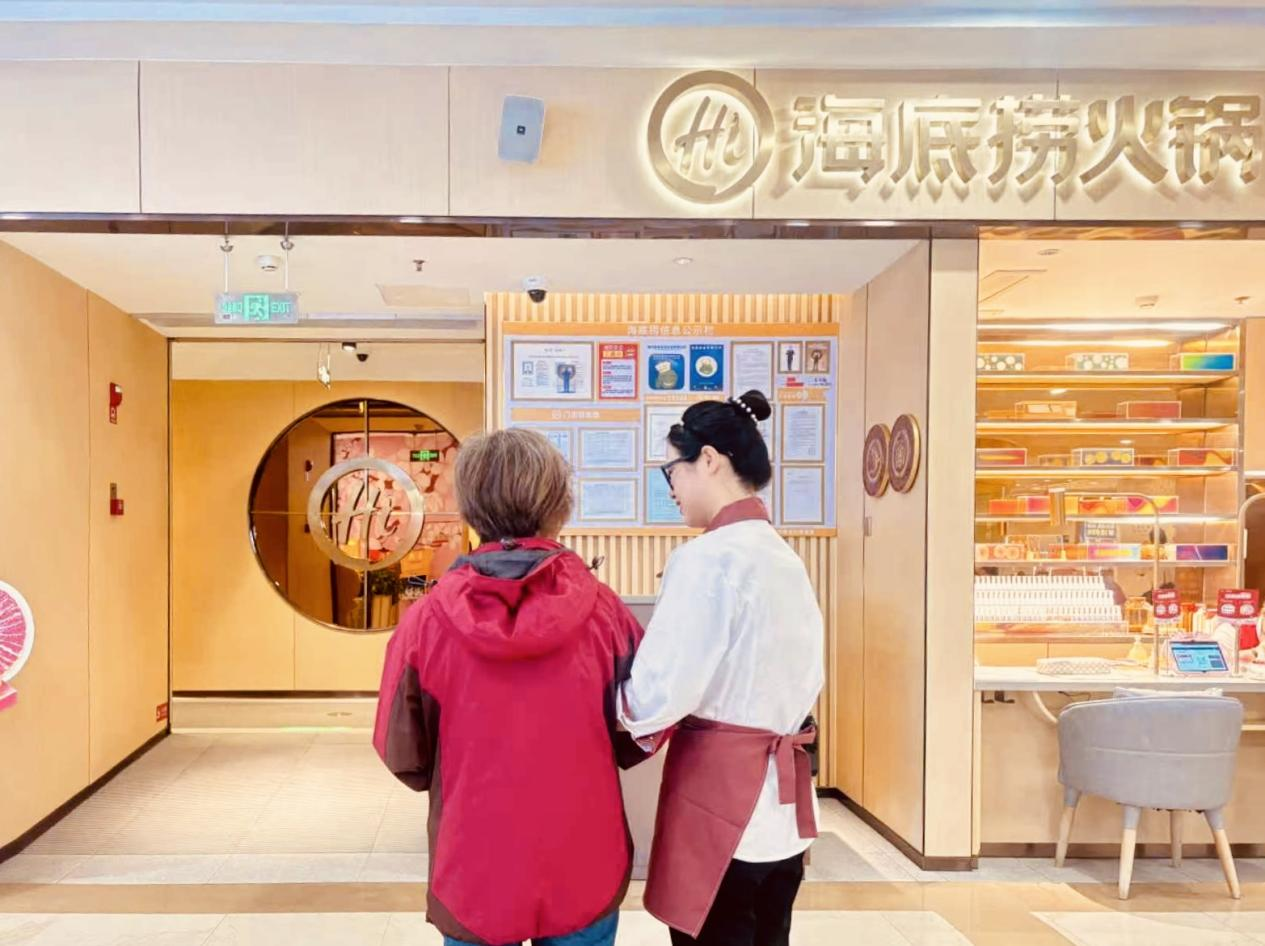
叫板寿司郎,中国版「穷鬼寿司」来了
36氪未来消费· 2025-10-29 08:48
Core Viewpoint - The sushi market is becoming increasingly competitive, with Haidilao launching its new sushi brand "Rushi Sushi" to capitalize on the rising popularity of affordable sushi dining experiences [5][11]. Market Trends - The return of conveyor belt sushi, once a fading trend, has gained traction among young consumers in recent years, driven by brands like Sushi Lang, which has opened over 60 stores in China and created significant demand [6][8]. - Sushi Lang's pricing strategy, with sushi priced between 10 to 28 yuan, allows consumers to enjoy sushi at an average cost of under 100 yuan, appealing to the younger demographic [9]. Competitive Landscape - Rushi Sushi's operational model closely mirrors that of Sushi Lang, featuring a conveyor belt system and a tiered pricing structure ranging from 8 to 28 yuan, with a focus on high quality and affordability [13]. - The rapid expansion of Sushi Lang and Bin Sushi in China indicates a booming market, with Sushi Lang's net sales exceeding 588 billion yen and plans to increase its store count significantly by 2026 [15]. Supply Chain and Operational Challenges - Rushi Sushi aims to leverage Haidilao's supply chain advantages while ensuring quality and efficiency in sourcing seafood, which is critical for sushi's competitive edge [19]. - The establishment of a stable seafood supply chain is a long-term endeavor, and Rushi Sushi's reliance on both local suppliers and global sourcing is essential for maintaining quality [20]. Consumer Reception - Initial consumer feedback on Rushi Sushi has been mixed, highlighting potential issues with product consistency and supply chain management, which may affect its ability to compete with established brands [20].

“举高高”引爆30城,海底捞“红石榴计划”跑出真正第二增长曲线!
Jiang Nan Shi Bao· 2025-10-29 08:05
Core Insights - Haidilao is successfully replicating its next "Haidilao" with the launch of "Jugaogao Self-Service Hotpot," which has quickly become a phenomenon in the market [2][13][19] Company Overview - Haidilao's new brand "Jugaogao" has expanded to over 50 locations across 9 provinces within six months, demonstrating a rapid growth trajectory [2][14] - The brand's first store in Wuhan achieved a remarkable 11 rounds of table turnover, while the first store in Xi'an saw over 4,000 tables queued [2][5] Market Dynamics - The self-service hotpot segment is gaining traction, with the market for small hotpot restaurants exceeding 56,000 locations and a market size nearing 100 billion, growing by 30% year-on-year [16] - Jugaogao's pricing strategy at approximately 60 yuan per person positions it well within the competitive landscape, appealing to a broader consumer base [16][10] Innovation and Strategy - The launch of Jugaogao is part of Haidilao's broader "Pomegranate Plan," aimed at diversifying its offerings and exploring new business models [13][18] - Jugaogao's unique product offerings and service enhancements, such as timely clearing of empty plates and customer care, differentiate it from traditional self-service hotpot experiences [10][12] Competitive Advantage - Jugaogao's rapid expansion and ability to replicate its business model across regions highlight its potential as a significant growth driver for Haidilao [14][15] - The brand's focus on high-quality ingredients and innovative menu items has redefined customer expectations in the self-service hotpot category [9][12] Future Outlook - The success of Jugaogao in Xi'an is seen as a testament to the city's potential as a culinary hub and a fertile ground for Haidilao's expansion [4][20] - Jugaogao is positioned to become a key player in Haidilao's portfolio, contributing to the company's second growth curve and opening new revenue streams [13][17]
比火锅还便宜,海底捞开始整顿全是“预制菜”的婚宴
Sou Hu Cai Jing· 2025-10-29 01:47
Core Viewpoint - The banquet economy is evolving, with various restaurant brands, including Haidilao, entering the banquet market despite a declining marriage rate and seemingly shrinking banquet market. This shift indicates a transformation in consumer preferences and market dynamics [1][9]. Group 1: Haidilao's Banquet Strategy - Haidilao has launched its first banquet store in Shenzhen, offering a minimum dining standard of 111 yuan per person, catering to various events such as weddings and corporate gatherings [1][3]. - The banquet store features a unique design with celebratory color schemes and dedicated spaces for ceremonies and interactions, including customizable services for different event types [3][12]. - The menu offers five price tiers for banquet packages, ranging from 888 yuan to 3688 yuan for an 8-person table, with options for both high-end and standard dishes [4][9]. Group 2: Industry Trends and Consumer Behavior - Many restaurant brands, including McDonald's and Heytea, have ventured into the banquet market, offering themed packages and catering services, while traditional banquet halls face closures due to declining business [7][10]. - The overall wedding registration numbers have significantly decreased, dropping from 13.47 million in 2013 to 6.11 million in 2024, leading to a reduced demand for large-scale banquets [9][10]. - Younger generations are shifting towards smaller, more personalized celebrations, with nearly 60% opting for weddings with fewer than 10 tables, indicating a growing preference for intimate gatherings over traditional large banquets [9][10]. Group 3: Market Dynamics and Opportunities - The banquet industry is witnessing a shift from large-scale events to smaller gatherings, creating opportunities for restaurants to adapt their offerings and operational models [9][12]. - Haidilao's banquet and private room stores are designed for smaller events, allowing for cost-effective and flexible operations compared to traditional banquet halls [12][14]. - The rise of non-traditional celebrations, such as baby showers and graduation parties, presents additional revenue streams for restaurants, enhancing customer retention and repeat business [14].
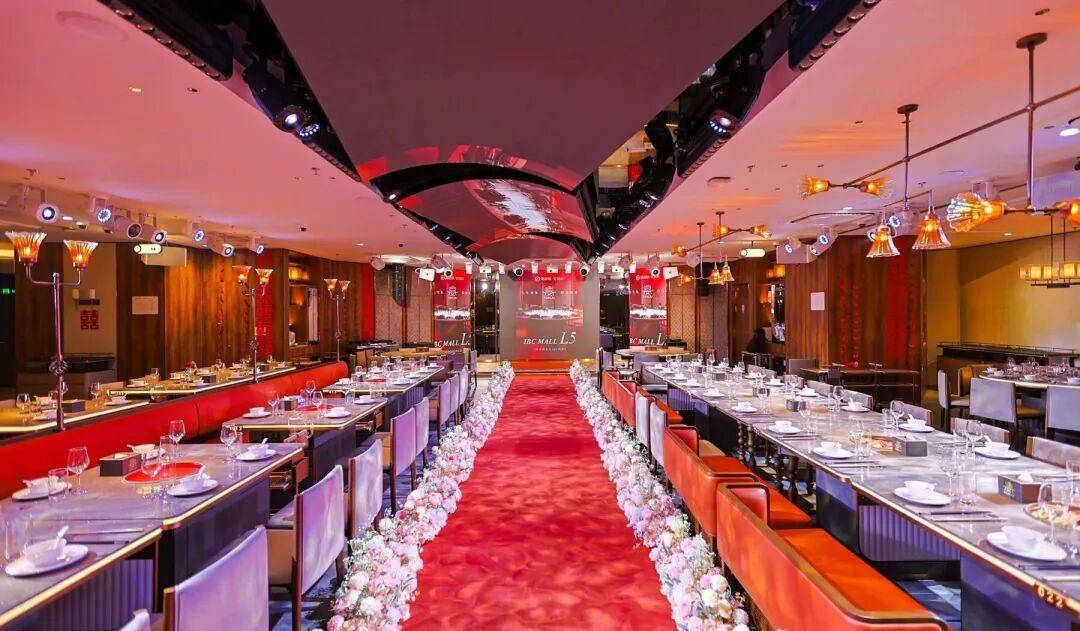
海底捞“联姻”火山引擎,用AI“涮”出火锅行业新未来
2 1 Shi Ji Jing Ji Bao Dao· 2025-10-28 22:52
Core Insights - Haidilao is embracing artificial intelligence (AI) to enhance customer experience and operational efficiency amid industry competition and growth challenges [1][3] - The company has partnered with Volcano Engine to implement AI decision-making systems across its nationwide stores by 2024, showcasing its commitment to innovation [1][2] Group 1: AI Implementation - Haidilao has developed an AI assistant named "Xiao Lao Lao" for customer interactions, which personalizes recommendations and reduces wait times by approximately 30% [2] - The AI system utilizes over 150 high-value tags to cover the entire customer lifecycle, improving service quality and operational efficiency [1][3] - The introduction of AI has led to a more than 50% increase in the efficiency of marketing strategies, automating data processing and refining membership operations [3] Group 2: Employee Engagement - The company has created an AI platform called "Haidilao Da Ming Bai" to assist employees with various inquiries, including training, benefits, and psychological counseling [2] - This integration of AI into daily operations has significantly enhanced internal efficiency, making AI a regular part of employee interactions [2][3] Group 3: Strategic Vision - Haidilao aims to differentiate itself in a saturated market by leveraging AI as a strategic tool for growth and brand enhancement [3] - The company's approach reflects a shift from traditional management methods to a more technology-driven operational model, positioning it as a leader in the industry [1][3]
海底捞“联姻”火山引擎 用AI“涮”出火锅行业新未来
2 1 Shi Ji Jing Ji Bao Dao· 2025-10-28 16:24
Core Insights - Haidilao is embracing artificial intelligence (AI) to enhance customer experience and operational efficiency amid industry homogenization and growth bottlenecks [2][4] - The company has partnered with Volcano Engine to implement AI decision-making systems across its nationwide stores by 2024, demonstrating immediate positive impacts on service quality [2][3] Group 1: AI Implementation - Haidilao's AI initiatives include a comprehensive digital operation system covering the entire dining experience, from pre-meal to post-meal [2][3] - The introduction of AI has led to a more proactive approach in understanding customer preferences, allowing for improved service delivery [2][3] - AI-driven features such as personalized menu recommendations and smart reservation systems have reduced customer wait times by approximately 30% [3] Group 2: Internal Efficiency - The AI system "Haidilao Damingbai" serves as an internal resource for employees, addressing various inquiries related to onboarding, benefits, and even psychological counseling [3] - The integration of AI has resulted in over a 50% increase in the efficiency of marketing strategy implementation [4] - The automation of data processing and refinement of membership operations have shortened the onboarding period for customer service representatives while enhancing service quality [4]
中国必选消费品10月成本报告:包材价格上行,啤酒现货成本指数同比上涨
Haitong Securities International· 2025-10-28 15:13
Investment Rating - The report provides various investment ratings for companies in the consumer staples sector, with "Outperform" ratings for companies like China Feihe, Haidilao, and China Resources Beer, while Budweiser APAC is rated as "Neutral" [1]. Core Insights - The report highlights a rise in packaging material prices and an increase in the beer spot cost index by 2.96% year-on-year, indicating upward pressure on costs in the consumer staples sector [1][35]. - The cost indices for six categories of consumer goods monitored by HTI mostly increased, with notable changes in spot and futures indices across beer, frozen food, soft drinks, instant noodles, dairy products, and condiments [35]. Summary by Category Beer - The beer spot cost index is at 116.32, down 0.06% from last week, while the futures index is at 115.68, up 1.2% [13]. - Year-to-date, the spot index has decreased by 0.86%, and the futures index has decreased by 7.13% [14]. Condiments - The condiments spot cost index is at 100.51, down 0.1%, and the futures index is at 101.3, up 1.55% [17]. - Year-to-date, the spot index has decreased by 2.66%, and the futures index has decreased by 7.47% [17]. Dairy Products - The dairy products spot cost index is at 101.25, down 0.13%, and the futures index is at 91.04, up 0.69% [20]. - Year-to-date, the spot index has decreased by 2.89%, and the futures index has decreased by 3.28% [20]. Instant Noodles - The instant noodles spot cost index is at 103.62, down 0.23%, and the futures index is at 102.53, up 0.88% [23]. - Year-to-date, the spot index has decreased by 2.29%, and the futures index has decreased by 5.47% [24]. Frozen Food - The frozen food spot cost index is at 120.39, up 1.02%, and the futures index is at 119.44, up 1.72% [28]. - Year-to-date, the spot index has decreased by 0.17%, and the futures index has decreased by 1.35% [28]. Soft Drinks - The soft drinks spot cost index is at 109.39, up 0.22%, and the futures index is at 109.26, up 0.72% [31]. - Year-to-date, the spot index has decreased by 3.04%, and the futures index has decreased by 9.54% [31].



比火锅还便宜,海底捞开抢寿司郎的生意
36氪· 2025-10-28 10:17
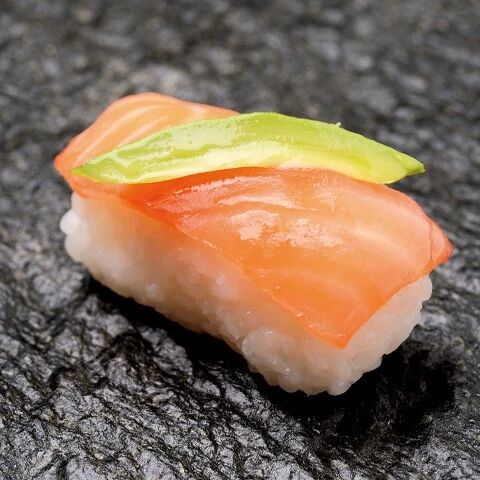
Core Insights - The article discusses the increasing popularity of sushi brands in China, particularly highlighting the launch of Haidilao's sushi brand "如鮨寿司" as a strategic move to diversify its offerings and attract younger consumers [5][7][19]. Market Trends - Sushi brands like Sushi Lang and Genki Sushi are gaining traction by targeting consumer demand through precise pricing strategies, with the Chinese sushi market projected to reach 69 billion yuan in 2024, a 2.2% increase year-on-year [8]. - The popularity of sushi is attributed to its appeal among younger consumers, with 38.6% of sushi consumers being under 30 years old, and a significant female demographic [13]. Haidilao's Strategy - Haidilao's sushi brand offers over 200 SKUs, with a pricing strategy that positions it in the mid-to-low price range, similar to competitors like Sushi Lang [9][11]. - The average customer spending at Haidilao's sushi outlet is reported to be 88 yuan, with weekend foot traffic averaging 800-1000 customers per day [11]. Competitive Landscape - The sushi market in China is competitive, with both international and local brands like Binh Sushi and Genki Sushi expanding their presence [16][17]. - Haidilao's sushi brand faces challenges in maintaining food quality and pricing balance due to its limited number of outlets compared to established competitors [17]. Financial Performance - Haidilao's diversification efforts have led to the launch of multiple new brands under the "Red Pomegranate Plan," contributing to a 227% year-on-year increase in revenue from other restaurant operations [19][21]. - Despite rapid growth in new business areas, the contribution of these diversified operations to total revenue remains limited, accounting for only 2.9% of total revenue in the first half of the year [21].
轻装上阵的“举高高”,为海底捞探出一条新路
Zhong Guo Shi Pin Wang· 2025-10-28 06:54
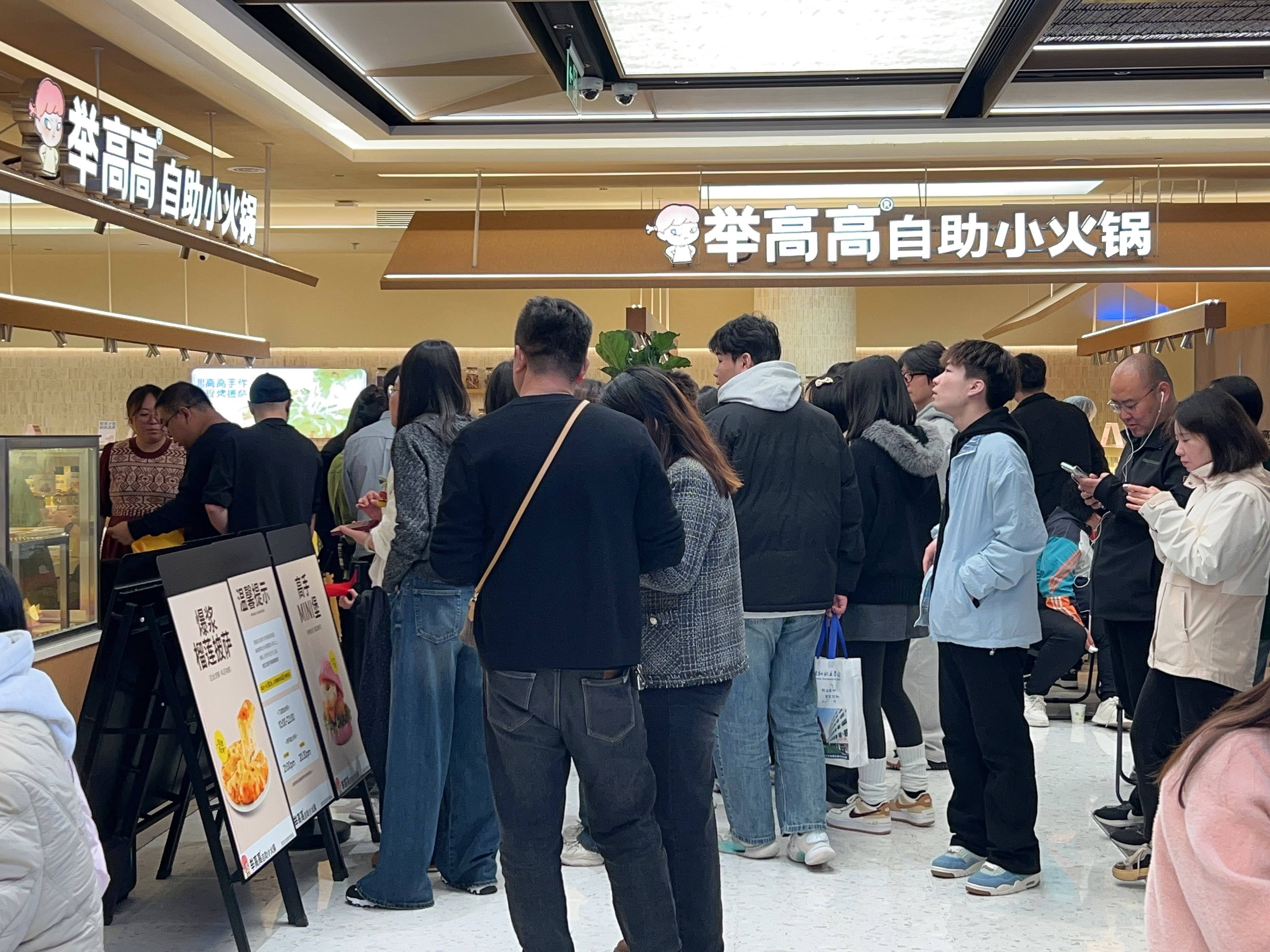
Core Insights - Haidilao is successfully replicating its next "Haidilao" with the launch of "Jugaogao Self-Service Hotpot," which has quickly become a phenomenon in the market [4][5][29] - The new brand has expanded to over 50 locations across 9 provinces in less than six months, demonstrating strong market demand and operational efficiency [4][33] - The acquisition of Jugaogao marks a significant step in Haidilao's diversification strategy and internal entrepreneurship transformation [4][5] Brand Development - Jugaogao's positioning at approximately 60 yuan per person for self-service hotpot caters to a price-sensitive market, allowing Haidilao to tap into a new customer base [4][5][39] - The brand's rapid growth is attributed to its innovative approach and the integration of a mature team, which enhances Haidilao's multi-brand operational capabilities [5][29] Market Dynamics - The self-service hotpot segment is experiencing a surge in popularity, with Jugaogao capitalizing on this trend by offering high-quality ingredients and a unique dining experience [15][18] - The overall market for small hotpot restaurants has seen significant growth, with over 56,000 locations nationwide and a market size nearing 100 billion yuan, reflecting a 30% year-on-year increase [36][39] Competitive Advantage - Jugaogao's business model combines competitive pricing with superior service, creating a unique market position that avoids the pitfalls of low-end price wars [23][39] - The brand's ability to rapidly iterate and innovate its offerings, such as seasonal products and enhanced customer experiences, establishes a deep competitive moat [28][40] Strategic Implications - Jugaogao represents Haidilao's second growth curve, providing a scalable and replicable business model that can drive future revenue growth [29][31] - The success of Jugaogao in Xi'an highlights the city's potential as a key market for restaurant expansion, reinforcing Haidilao's strategic positioning in the industry [10][40]
海底捞开汉堡店,要和麦当劳、肯德基抢生意?
Xin Lang Cai Jing· 2025-10-27 03:53
Core Viewpoint - Haidilao is entering the hamburger market with its brand "Xiao Hai Ai Zha hiburger," which is set to open its first store in December, indicating a strategic move to compete with established fast-food giants like McDonald's and KFC [1][4][14] Company Developments - The new store is an upgrade from the existing "Xiao Hai Ai Zha" brand, which has previously offered hamburgers and other products [4][6] - The brand has been diversifying its menu since its inception, initially focusing on fried chicken but expanding to include pasta, seasonal seafood, and coffee products [6][8][10] - The "Xiao Hai Ai Zha" brand has introduced various dining concepts, including a "black gold store" that emphasizes social experiences and a "Korean-style all-you-can-eat" model [10][12] Market Positioning - The rebranding to include "hamburger" in the name suggests a focused effort to establish a presence in the hamburger segment, potentially positioning itself as a "Chinese hamburger" brand [4][15] - The competitive landscape is challenging, with major players like KFC and McDonald's rapidly expanding their store counts, and local brands like Wallace and Tastin also gaining traction [15] Expansion Strategy - Despite a slow expansion pace, with only eight stores opened by September 2025, the brand has initiated a partner recruitment program to accelerate growth [13] - The company plans to support partners with operational guidance, brand support, and supply chain management, indicating a strategic shift towards scaling operations [13] Industry Context - The fast-food sector is seeing a rise in the number of brands with over 500 stores, increasing from 2.6% to 2.8% in market share [15] - The top five companies in the Western fast-food sector accounted for 44% of the market share in 2024, highlighting the dominance of established brands [15]