BYD(002594)

Search documents
汽车行业深度研究报告:出口千万,近在咫尺
Huachuang Securities· 2026-03-25 01:24
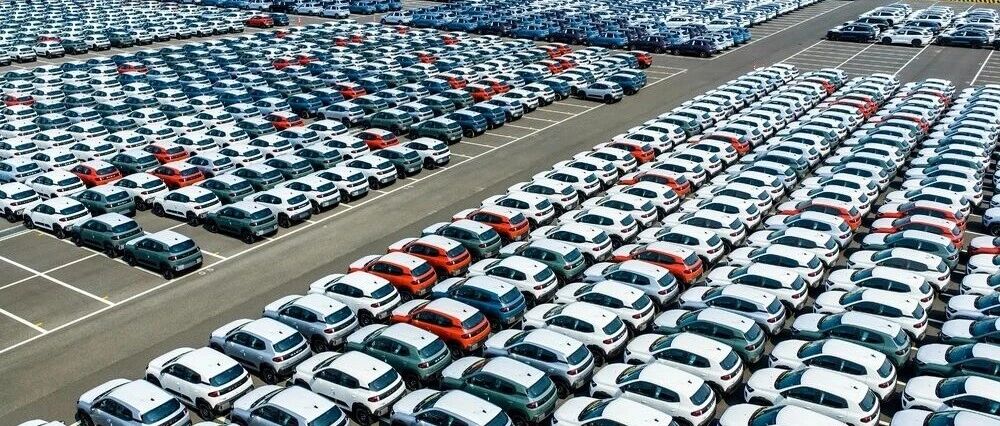
Investment Rating - The report maintains a "Buy" recommendation for the automotive industry, highlighting significant growth potential in exports and new energy vehicles [2]. Core Insights - China's automotive exports have achieved a continuous increase of over 1 million units annually for the past five years, with expectations for further growth driven by overseas market expansion and the competitive advantages of domestic brands [12]. - The report forecasts that by 2025, China's automotive exports will reach 7.06 million units, representing a year-on-year increase of 21%, with exports accounting for over 20% of wholesale volume for the first time [12]. - The penetration rate of new energy vehicles in China's exports is projected to reach approximately 40% by 2025, with significant growth expected in the coming years [19]. Summary by Sections Export Overview - China has seen a consistent increase in automotive exports, with a projected 7.06 million units in 2025, up 21% year-on-year, and a wholesale export ratio exceeding 20% [12]. - The first two months of 2026 have already recorded 1.35 million units exported, a 49% increase year-on-year, with a wholesale ratio of 33% [12]. Regional Market Analysis - The report details the automotive market capacity and Chinese brand shares in various regions, including Europe, Southeast Asia, and Latin America, indicating strong growth potential in these markets [6][25]. - In Europe, the automotive market is expected to exceed 16 million units, with a new energy penetration rate projected to reach 22.7% by 2025 [39]. - Southeast Asia's automotive market is anticipated to grow significantly, with a market size of 3-3.5 million units and a new energy penetration rate nearing 15% [52]. Future Export Potential - The report estimates that by 2030, China's automotive exports could grow from 8.33 million units in 2025 to 14.26 million units, with a potential increase of nearly 6 million units [7]. - The analysis suggests that the growth in exports will be driven by increasing demand in Southeast Asia, Africa, and Latin America, with significant market share gains expected for Chinese brands [7]. Investment Recommendations - The report recommends investing in companies such as BYD, Geely, Leap Motor, and Great Wall Motors, while also suggesting to keep an eye on Changan Automobile, SAIC Motor, and Chery Automobile [8].




车企盯上有钱人,“9系”大战一触即发
虎嗅APP· 2026-03-25 00:32
Core Viewpoint - The "9 Series" battle represents a critical competition among domestic electric vehicle brands, significantly impacting their market positioning and survival, as they aim to capture high-end consumers and redefine luxury in the automotive sector [2][4][16]. Group 1: Market Context - The Chinese automotive market is undergoing a severe reshuffle, with profit margins dropping to a five-year low of 4.1% by 2025, and even lower to 1.8% in December [7][10]. - The market for vehicles priced below 200,000 yuan is dominated by large manufacturers like BYD and SAIC, leaving new entrants struggling to gain traction [10][11]. - The emergence of the "9 Series" is a strategic response from manufacturers seeking to escape the low-price competition and secure higher profit margins in the premium segment [12][16]. Group 2: Competitive Landscape - The "9 Series" includes flagship models from various brands, characterized by high prices (generally above 300,000 yuan), advanced technology, and spacious designs, targeting affluent customers [4][5]. - Key players in the "9 Series" include NIO, Li Auto, and BYD, each with different financial health and market strategies, ranging from established leaders to those still seeking profitability [4][6][16]. - The competition is not only among the "9 Series" brands but also against established luxury brands like BMW, Benz, and Audi (BBA), which are facing challenges in maintaining their market share [16][32]. Group 3: Strategic Implications - The battle is expected to be most intense in the business market, where many "9 Series" models cater to high-net-worth individuals, influencing brand perception and market dynamics [20][21]. - The family market will see increased competition, but it is anticipated to be less fierce compared to the business segment, as "9 Series" vehicles are well-suited for family needs [22]. - The introduction of models like the Leap Motor D19, which aims to combine affordability with high-quality features, could create a new competitive landscape focused on value [23][24]. Group 4: Product Differentiation - All "9 Series" models share common features of spaciousness and high intelligence, leading to potential product homogeneity, which necessitates unique selling propositions to stand out [26][28]. - Early-stage leaders like Li Auto and Xpeng are expected to leverage their established market presence and technological advancements to gain an initial advantage [27][28]. - Long-term success will depend on the ability to innovate and provide unique customer experiences, balancing high-end services with financial sustainability [31][32]. Group 5: BBA's Response - BBA's strategy to counter the "9 Series" includes aggressive pricing, launching new models, and enhancing technological capabilities through partnerships with tech companies [34][36]. - Despite these efforts, BBA's response may not effectively address the fundamental shifts in market dynamics, as the "9 Series" brands continue to innovate and capture market share [32][42]. - The ongoing transformation in consumer preferences towards smart and electric vehicles indicates that BBA must adapt quickly to maintain relevance in the evolving market landscape [40][41].


8点1氪:美国提出15点结束冲突方案,拟停火1个月;张雪峰因心源性猝死抢救无效去世;Token中文名定了:词元
36氪· 2026-03-25 00:22
Group 1 - The U.S. government is considering a one-month ceasefire proposal to facilitate negotiations on a 15-point plan to end the conflict with Iran, which includes demands for Iran to dismantle its nuclear capabilities and cease support for regional allies [3][4] - The proposal suggests that Iran could receive comprehensive relief from international sanctions and support for its civilian nuclear program in exchange for compliance with U.S. demands [4] - The plan is being promoted by advisors to former President Trump, including Jared Kushner and Steve Witkoff [4] Group 2 - The international oil prices have continued to rise, with Brent crude surpassing $100 per barrel, increasing by 4.63%, and WTI crude rising by 4.19%, nearing $92 per barrel [12] - The number of commercial vessels passing through the strategically important Strait of Hormuz has dropped by 95% since the outbreak of the conflict, indicating significant disruptions in global energy transport [18] Group 3 - Arm Holdings Plc plans to sell its own chips for the first time, aiming to generate approximately $15 billion in annual revenue within five years, with Meta Platforms as its first major customer [9] - Xiaomi Group reported a revenue of 457.29 billion yuan for 2025, marking a 25% year-on-year increase, with a net profit of 39.17 billion yuan, up 44% [24] - The Chinese cosmetics market is projected to exceed 1 trillion yuan by 2025, with domestic brands accounting for nearly 60% of the market share [8] Group 4 - Meituan's customer service addressed issues regarding the automatic deletion of user photos on its app, attributing the problem to conflicts with third-party SDKs and assuring users that their data privacy was not compromised [7] - The price of gold jewelry has been affected by fluctuations in international gold prices, with brands like Chow Tai Fook delaying price adjustments due to recent declines [7] Group 5 - The Chinese electric vehicle market is experiencing a surge in sales, driven by rising oil prices, with over 1.5 million companies related to electric vehicles currently operating in China [34] - The number of registered electric vehicle-related companies in China has shown a consistent upward trend, with significant increases in registration numbers over the past few years [34]






Tesla Ends Losing Streak In Europe: February Rebound Brings Good And Bad News
Benzinga· 2026-03-24 15:46
Core Insights - Tesla has reported a 29.1% year-over-year increase in sales in Europe for February, ending a 13-month decline in the region [2][4] - The total vehicle registrations for Tesla in Europe for February reached 13,740 units, with a combined total of 20,941 units for January and February, reflecting a 16.7% year-over-year increase [3] Group 1: Tesla's Performance - Tesla's sales rebound in Europe is significant as it comes ahead of the first-quarter vehicle delivery data [4] - Despite the positive news, Tesla's performance is overshadowed by BYD, which sold 15,438 electric vehicles in February, marking a 185.3% year-over-year increase [4][5] - Tesla's sales growth in Europe contrasts with year-over-year declines in other regions, including North America [6] Group 2: Competitive Landscape - BYD's aggressive expansion in Europe has allowed it to capture market share from Tesla, aided by competitive pricing [5] - The sales figures for BYD include both battery-powered electric vehicles and plug-in hybrids, complicating direct comparisons with Tesla [5] - The overall market for battery-electric vehicles (BEVs) and hybrids is growing, with hybrids being the bestselling type of car in Europe in February [6] Group 3: Market Reaction - Tesla's stock has seen a slight increase of 1% to $384.49, but it is down 12.4% year-to-date in 2026 [9] - Analysts and investors are increasingly focusing on non-vehicle sales growth items, such as Full Self-Driving (FSD) and the Optimus Bot, as another year-over-year decline in deliveries could pressure Tesla's stock [8]

汽车行业跟踪报告:油价刺激海外NEV需求,看好自主品牌出海
GUOTAI HAITONG SECURITIES· 2026-03-24 14:50
Investment Rating - The report assigns an "Overweight" rating for the automotive industry, indicating an expected performance that exceeds the Shanghai and Shenzhen 300 Index by more than 15% [6]. Core Insights - The military conflict between the US and Iran has led to a significant increase in global oil prices, creating opportunities for the passenger vehicle industry. The International Energy Agency (IEA) estimates a reduction of 8 million barrels per day in global oil supply for March, which is much greater than the 1 million barrels per day decrease in demand. As a result, Brent crude oil prices surged by 54.1% compared to the average price in February [5]. - Historical oil price increases have previously benefited Japanese brands like Toyota and Honda, which gained market share in the US during oil crises by offering more fuel-efficient vehicles. The current rise in oil prices is expected to enhance the economic advantages of New Energy Vehicles (NEVs), leading to increased penetration in high oil price regions [5]. - The report highlights that the cost of fuel for traditional vehicles has risen significantly due to the increase in oil prices, making NEVs more attractive. For example, the cost of energy for various vehicle types has been calculated, showing that NEVs have a lower cost per kilometer compared to traditional fuel vehicles [5]. - The report anticipates that the economic advantages of Hybrid Electric Vehicles (HEVs), Plug-in Hybrid Electric Vehicles (PHEVs), and Battery Electric Vehicles (BEVs) will drive their market penetration, particularly for Chinese brands in overseas markets. Data indicates a 53.3% year-on-year increase in passenger vehicle exports from China in January-February 2026, with NEV exports growing approximately 110% [5]. Summary by Sections Market Dynamics - The report discusses the impact of geopolitical events on oil prices and the subsequent effects on the automotive market, particularly for NEVs [2][5]. Company Recommendations - The report recommends several Chinese automotive brands with strong export potential, including Geely, SAIC Motor, BYD, Xpeng Motors, and Leap Motor, all rated as "Overweight" [7].

日本汽车惨败,但中国就“赢”了吗
虎嗅APP· 2026-03-24 13:34
Core Viewpoint - The article discusses the significant milestone of Chinese automotive manufacturers surpassing Japanese companies in global sales, marking a shift in the global automotive landscape. However, it questions whether this achievement truly reflects a win for Chinese companies in terms of profitability and brand value [2][3][4]. Group 1: Sales Data - In 2025, Chinese automotive manufacturers are projected to achieve global sales of approximately 27 million vehicles, while Japanese manufacturers are expected to sell around 25 million vehicles, indicating a notable shift in market leadership [6][7]. - Specific sales figures for leading companies include BYD with 4.602 million units (+8%), SAIC with 4.507 million units (+12.3%), and Geely with 4.116 million units (+26%), while Toyota remains the top seller with 11.323 million units (+4.63%) [9][10]. Group 2: Market Share and Trends - China's global market share in the automotive sector is expected to reach 35.6% in 2025, up from 34.2% in 2024, highlighting a steady increase in dominance [10]. - The decline of Japanese automotive companies is attributed to strategic missteps, with a significant drop in market share in China, where Japanese brands now account for less than 9% of sales compared to 30% at their peak [11]. Group 3: Profitability and Brand Value - Despite leading in sales, Chinese companies like BYD have a net profit that is less than one-fifth of Toyota's, indicating a disparity in profitability [16]. - The overall profit margin for the Chinese automotive industry is only 4.1%, significantly lower than Toyota's operating profit margin of approximately 10% [17]. Group 4: Globalization and Market Presence - BYD's overseas sales reached 1.05 million units in 2025, a 145% increase, but this is still limited compared to Toyota's extensive global presence [19]. - The article emphasizes that while Chinese companies are making strides in international markets, their global strategy remains concentrated in Southeast Asia, the Middle East, and Latin America, with minimal penetration in North America [20]. Group 5: Future Challenges - The article warns that the automotive industry is shifting from a "price war" to a "value war," where success will depend on brand strength, profitability, and global operational capabilities, areas where Chinese companies currently lag [21][24]. - The true winners in the automotive sector will be those who can achieve not just high sales but also strong profits, brand recognition, and a robust global presence [25][26].

油价上涨:比亚迪如何回应民生与能源安全双重命题
Sou Hu Cai Jing· 2026-03-24 12:09
Group 1 - The core viewpoint emphasizes that the transition from fuel vehicles to new energy vehicles is not a choice but a necessity for energy security, as highlighted by BYD's chairman Wang Chuanfu [2] - The current pain point in the new energy vehicle industry has shifted from range to charging efficiency, with low cost and high convenience being key factors for the replacement of fuel vehicles [2][5] - The energy structure in China, characterized by "less oil and more electricity," indicates that the long-term direction for energy transition in the transportation sector is to replace oil with electricity [3][5] Group 2 - The rising oil prices serve as a reminder of the unsustainable reliance on oil in the transportation energy structure, prompting the need for a shift towards new energy solutions [1][3] - The cost savings from using new energy vehicles, such as the 2026 Qin PLUS DM-i, can be significant, with annual energy costs being substantially lower than those of fuel vehicles [3] - The challenges facing the new energy industry include the need for balanced charging network layouts, adaptation to extreme environments, and a shift in consumer habits, which require time for technological dissemination and ecosystem improvement [5][7] Group 3 - The short-term fluctuations in oil prices contrast with the long-term trend of energy transition, where new energy technologies must become more economical, convenient, and reliable than fuel vehicles [7] - BYD is positioned to bridge the experience gap between new energy and fuel vehicles through technological innovation and cost advantages, addressing public concerns over high oil prices while contributing to national transportation energy transition [5][7]
欧盟车市寒意未散 电动车销量却在狂飙! 比亚迪前两月销量猛增179%
智通财经网· 2026-03-24 11:37
Core Insights - The EU passenger car registrations showed a mild year-on-year increase of 1.4% in February 2026, reaching 865,437 units, rebounding from a 3.9% decline in January due to improved demand in major markets [1][2] - The electric vehicle (EV) segment demonstrated significant growth, with pure electric vehicle registrations increasing over 20% in February, and their market share rising from 15.2% to 18.8% year-on-year [1][2] Market Performance - In the major EU markets, Germany led with a 3.8% increase in registrations, followed by Spain at 7.5% and Italy at 14%, while France experienced a notable decline of 14.7% [1] - The overall EU car market remained weak in the first two months of the year, with a 1.2% decline in registrations year-to-date, indicating that a strong recovery is not yet evident [1] Electric Vehicle Segment - The share of pure electric vehicles (BEVs) in the EU market reached 18.8% from 15.2% a year earlier, with February registrations surging by 20.6% to 158,280 units [2] - Notable growth in BEV registrations was observed in Germany (up 28.7%), France (up 27.8%), Denmark (up 26.1%), and Italy (up 81.3%) [2] Company Performance - BYD, a Chinese automotive manufacturer, reported the highest sales growth in the EU, with a staggering increase of 179% year-to-date, totaling 29,291 units [2] - Tesla, the leading American electric vehicle manufacturer, saw a 17% increase in sales, reaching 20,941 units, while other manufacturers like Volvo, Ford, Suzuki, and Mitsubishi experienced declines during the same period [2]
油价重回“9元时代”,比亚迪插混喜提“用车自由”
Chang Sha Wan Bao· 2026-03-24 10:54
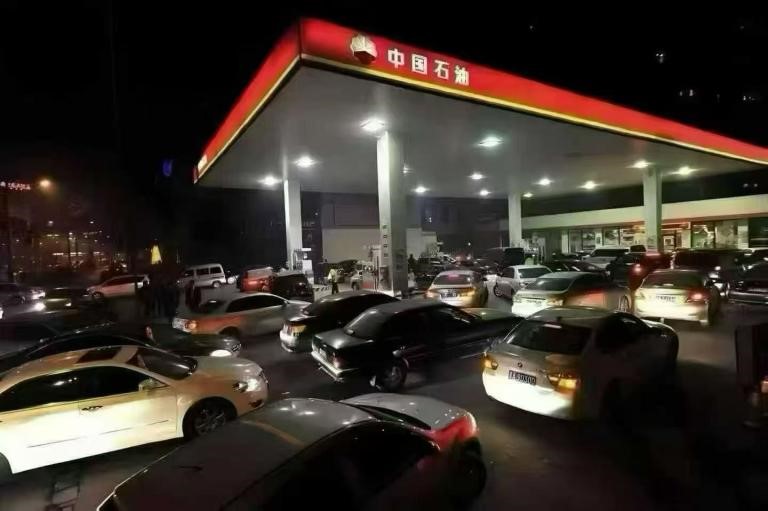
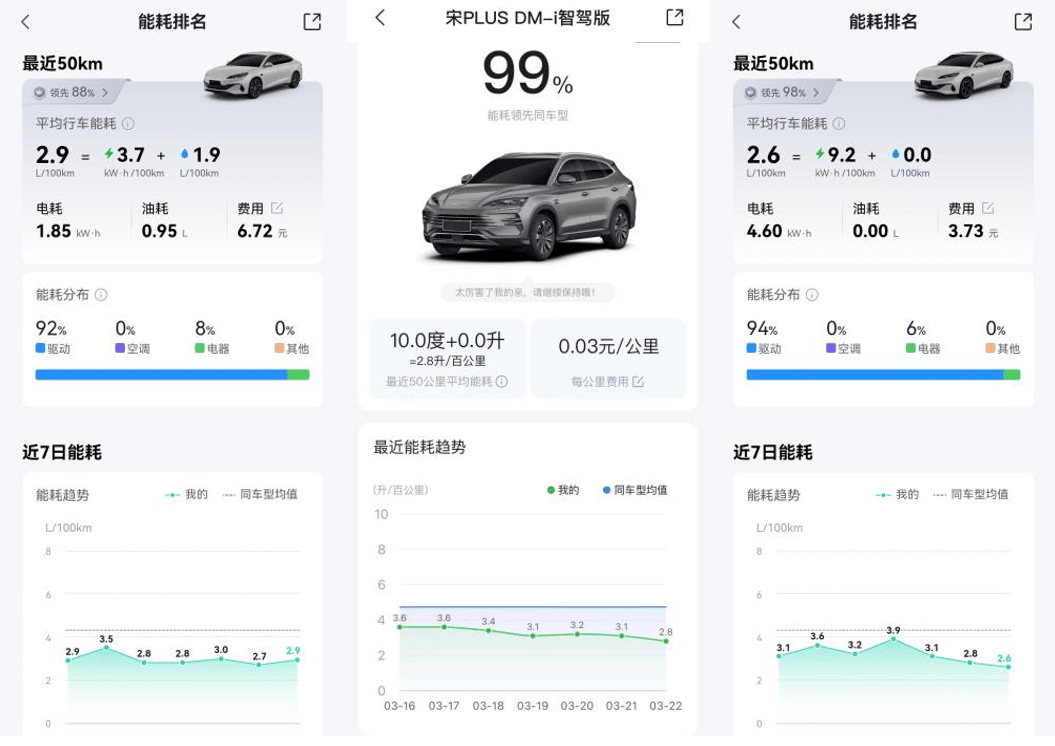
Group 1 - Domestic fuel prices have increased, with gasoline prices rising by approximately 0.87 yuan per liter, leading to an average price of 8.53 yuan for 92-octane gasoline and over 9 yuan for 95-octane gasoline [1] - The cost of filling a tank has increased by around 50 yuan, causing concern among traditional fuel vehicle owners, while BYD plug-in hybrid vehicle owners remain calm due to the advantages of the fifth-generation DM technology [1] - BYD's DM-i models offer significant cost savings for daily commuting, with an estimated cost of 0.05 yuan per kilometer for electric driving, and the 2026 Qin PLUS DM-i model has a pure electric range of 210 kilometers [1] Group 2 - For users with home charging stations, the annual energy cost is less than 4,000 yuan, while traditional fuel vehicles incur nearly 13,000 yuan in fuel costs for 20,000 kilometers driven annually, resulting in savings of nearly 10,000 yuan for plug-in hybrid owners [1] - BYD's fifth-generation DM technology has achieved a new low in fuel consumption, with a fuel consumption rate of 2.6 liters per 100 kilometers in hybrid mode after OTA updates, translating to a cost of approximately 0.23 yuan per kilometer [6] - The comprehensive range of BYD's vehicles can exceed 2,148 kilometers when fully charged and fueled, minimizing the impact of fuel price fluctuations on daily travel [8] Group 3 - BYD's plug-in hybrid vehicles provide a dual advantage of being able to operate on both electricity and gasoline, allowing users to choose the most cost-effective option based on their needs [9] - The flexibility of switching between electric and hybrid modes offers users a practical solution to rising fuel prices, ensuring convenience and cost savings [9]
油价大涨,想省钱就买比亚迪插混
Zhong Guo Qi Che Bao Wang· 2026-03-24 10:26
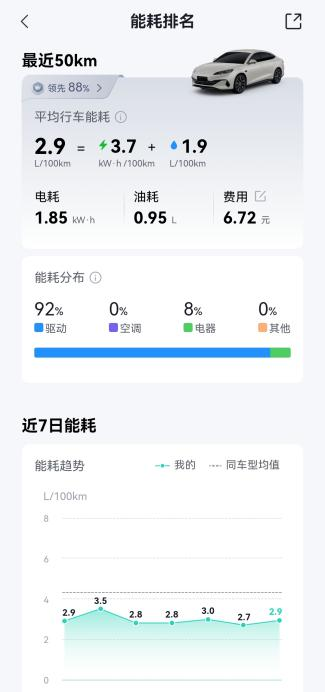
Group 1 - The core point of the article highlights the upcoming increase in domestic fuel prices due to ongoing geopolitical tensions in the Middle East, with gasoline prices expected to rise by approximately 0.87 yuan per liter, bringing the average price of 92-octane gasoline to 8.53 yuan/L and 95-octane gasoline to over 9 yuan/L, resulting in an additional cost of around 50 yuan for a full tank [1] Group 2 - In response to rising fuel prices, BYD's plug-in hybrid vehicle owners remain calm due to the advantages of the fifth-generation DM technology, which allows for both electric and gasoline use, significantly reducing commuting costs to about 5 cents per kilometer [4] - The 2026 model of the Qin PLUS DM-i has improved its pure electric range to 210 km, making it suitable for daily commuting needs, with an annual energy cost of less than 4,000 yuan compared to nearly 13,000 yuan for a conventional fuel vehicle [4] - For scenarios requiring gasoline, BYD's technology has optimized fuel consumption to 2.6 liters per 100 kilometers, resulting in a cost of approximately 0.23 yuan per kilometer even when running on gasoline [7] - The comprehensive range of BYD's plug-in hybrid vehicles can exceed 2,148 kilometers, allowing for long-distance travel without the need for refueling, thus minimizing the impact of fuel price fluctuations on daily travel [9] - The core advantage of BYD's plug-in hybrid is the flexibility of using either electric or gasoline power, providing users with cost-effective options depending on their needs [10][11]