反内卷

Search documents
在岸人民币突破7.0关口,做好假期风险管理
Hua Tai Qi Huo· 2025-12-31 03:17
Report Industry Investment Rating No relevant content provided. Core Viewpoints - The market is affected by policy expectations, economic data, and geopolitical factors. There are opportunities in commodities and stock index futures, but also risks from geopolitical events, economic downturns, and Fed policies. It is recommended to go long on stock index futures, precious metals, and non - ferrous metals on dips [2][3][4][5] Summary by Related Catalogs Market Analysis - Policy expectations have shifted. The Politburo and Central Economic Work Conference emphasized policies. Multiple ministries responded, with the central bank considering monetary tools, the NDRC focusing on consumption and anti - "involution", and the Ministry of Finance on investment. The 2026 national subsidy plan was released, and China's November foreign trade rebounded while the economy was still under pressure. The on - shore RMB rose above 7, and the A - share market had mixed performance [2] - The Fed's December meeting announced short - term bond purchases and a 25 - basis - point rate cut, with expectations of future rate cuts. The US economic data was mixed, and Trump considered suing Powell and may announce the next Fed chair in January [3] Commodity Analysis - Focus on non - ferrous metals and precious metals with high certainty, and also pay attention to the potential for low - valued commodities to make up for losses. The non - ferrous supply shortage persists, and the energy sector faces production cuts and geopolitical risks. In the chemical sector, "anti - involution" opportunities exist, and in agriculture, pay attention to Sino - US trade and weather. For precious metals, consider buying on dips [4] Strategy - Go long on stock index futures, precious metals, and non - ferrous metals on dips [5] Important News - Policies include equipment updates, consumer goods trade - ins, and housing sales tax regulations. Commodity futures had significant price movements, and there were multiple geopolitical events such as Trump's actions and Russia - Ukraine tensions [7]
潮退方显岸礁固,火淬乃知真金存:2026年黑色商品年度策略报告双焦-20251231
Zhong Hui Qi Huo· 2025-12-31 03:09
1. Report Industry Investment Rating No information about the report industry investment rating is provided in the content. 2. Core Viewpoints of the Report - The coking coal and coke (double - coking) market in 2026 is expected to be under overall pressure, showing a pattern of "wide - range fluctuations and a gradual decline in the center of gravity". The core logic lies in the continuous game between the definite contraction of demand and the structural support of supply [3]. - The probability of a trend - based unilateral market for double - coking in 2026 is low. It is recommended to adopt an interval - fluctuation approach in operation, focusing on the actual demand of downstream finished products, changes in high - quality coal inventories, and the strength of support near the cost line, while also seizing the annual trading rhythm according to seasonal patterns [4]. 3. Summary by Relevant Catalogs Chapter 1: Coking Coal Fundamental Analysis 1.1 Market行情回顾 - In 2025, the coking coal market showed a typical "bottom - finding - rebound - peak - decline" cycle. From the "924" market in 2024, coking coal futures started a downward trend, with the monthly line closing down for eight consecutive months, a cumulative decline of over 55%. The weighted index hit the annual low at the end of May, a new low since 2017. From June to July, driven by market expectations of "anti - involution and capacity reduction", the market rebounded strongly, and coking coal futures led the black - series and bulk commodities, with a cumulative increase of over 80%, significantly higher than the performance of rebar, iron ore, and coke during the same period. After about three months of high - level fluctuations, the market peaked at the end of October and then entered a downward - fluctuation channel until the end of the year [8]. - The spot and futures markets moved in the same direction but with significant price separation. The main inflection points were dominated by fundamentals, and the continuous high - basis structure highlighted the deep game between the cost support in the spot market and the bearish expectations of weakening future demand in the futures market [8]. 1.2 Coking Coal Supply - Demand Analysis 1.2.1 Supply Overview: Controllable Total Quantity, Limited Increment, and Diminishing Fluctuations - From January to November in 2025, the cumulative domestic raw coal production was 44.0 billion tons, a year - on - year increase of 1.4%. In November, the raw coal production was 4.3 billion tons, a year - on - year decrease of 0.5%. It is expected that the annual raw coal production will exceed 48.0 billion tons, and the raw coal supply is relatively stable. From January to October, the total supply of coking coal (including imports) was 4.91 billion tons, a year - on - year decrease of 0.01%. Since July 2025, due to "anti - involution" and coal - mine over - production inspections, the domestic supply has tightened, and the operating rates of mines and coal - washing plants have remained at a low level compared to the same period [11]. - In 2026, coal production is expected to continue the production inertia since the second half of 2025, with a possible slight decline compared to 2025. The total supply is expected to be "controllable in total quantity, limited in increment, and with diminishing fluctuations". The supply - side price driver will shift from "quantitative change" to relying more on "structural disturbances" and demand - side changes [11]. 1.2.2 Coking Coal Imports: The Long - Term Agreement Price of Mongolian Coal Has Become an Important "Price Anchor" in the Market - From January to November 2025, China's cumulative coking coal imports were 104.86 million tons, a year - on - year decrease of 5.7%. In November, the import volume was 10.73 million tons, a month - on - month increase of 1.3% and a year - on - year decrease of 12.7%. Mongolia and Russia were the main sources of support. Mongolia's cumulative imports were 53.36 million tons (accounting for 50.9% of the total), with a year - on - year increase of 1.5%, and Russia's also increased by 4.6%. The import reduction mainly came from US coal [20]. - Although the total imports of Mongolian coal have increased, the proportion of high - quality prime coking coal available for futures delivery has been continuously low. The current long - term agreement price of Mongolian coal has become an important "price anchor" in the market. It is expected that the long - term agreement price will increase by $8 - 10 per ton in the first quarter, corresponding to a cost of about 800 yuan per ton and a converted warehouse - receipt cost of about 950 yuan per ton on the futures market. The adjustment window and amplitude of the long - term agreement price will be core factors affecting the subsequent price range. The cross - border railway planned to open in 2027 may have an impact on the market in 2026, and there is a risk that it may lead to a reduction in the actual deliverable resources in the Chinese market [21][23]. 1.2.3 Overview of Thermal Coal: Policy Sets the Tone, and Price Ratio Finds the Anchor - In 2025, the price trend of thermal coal was similar to that of coking coal, showing a V - shaped "bottom - finding - rebound" pattern. The price ratio between coking coal and thermal coal (coking - to - thermal ratio) has been continuously declining. Since the second quarter of 2025, the coking coal price has deviated significantly from the normal level, and the coking - to - thermal ratio reached a minimum of around 1.16 [29]. - From January to November 2025, China's cumulative thermal coal imports were 312.88 million tons, a year - on - year decrease of 14.6%. It is expected that the annual imports will be about 345 million tons, a year - on - year decrease of about 14%. The import reduction mainly came from Indonesia and Australia. On the demand side, from January to November, the cumulative total social power generation was 8,856.7 billion kWh, a year - on - year increase of 2.4%, while the thermal power generation was 5,712.5 billion kWh, a year - on - year decrease of 0.7%. The proportion of thermal power in the total power generation has been declining since February 2025, reaching 64.50% in November, the lowest level in the same period in the past five years [30]. - The National Development and Reform Commission issued a notice on the signing and performance supervision of medium - and long - term contracts for thermal coal supply in 2026, which refines the price mechanism, clearly differentiates between production areas and ports, and introduces a more specific "benchmark price + fluctuation" mechanism and reasonable regional price ranges. Stricter performance requirements are set. The stable price of thermal coal may have a synergistic effect on the coking coal market, promoting the coking coal price to stabilize in a reasonable range [31]. 1.3 Coking Coal Inventory and Profit 1.3.1 Coking Coal Inventory: Not Low in Total Quantity but Differentiated in Structure, with Enhanced Overall Elasticity - In 2025, the coking coal inventory showed a clear transfer from "mines and ports to downstream". The port inventory was at an absolute high at the beginning of the year but then continuously decreased, while the inventories of downstream steel mills and coking plants significantly rebounded from a low level since the end of the second quarter [40]. - In 2026, although the total import target of Mongolian coal is expected to increase, the proportion of high - quality prime coking coal available for delivery is insufficient. The total inventory may remain at a medium - to - high level, but the high - quality coal that meets the delivery standards may be structurally tight. The port inventory will play a more critical regulatory role, and its fluctuations will more sensitively reflect the game of multiple factors such as "Mongolian coal customs clearance volume, auctions, long - term agreement arrivals, and potential resource diversion to overseas markets". The downstream is likely to maintain low inventories and purchase on demand, and it is difficult for steel mills and coking plants to accumulate large - scale inventories [40]. 1.3.2 Coal Profits: The Industry Is Deeply in Historic Huge Losses, and a Survival Game Is Being Played Below the Cost Line - Since the high - profit cycle in 2021, the coal industry has entered a downward channel, and the total profit has turned significantly negative year - on - year since 2023, indicating a systematic weakening of the industry's profitability. The proportion of loss - making enterprises has continued to rise, and since the first half of 2025, the proportion of loss - making coal enterprises has soared, reaching a historical high of 55.58% in June [50]. - Against the background of widespread industry losses, the cost - support effect will be significantly enhanced. The long - term agreement cost of Mongolian coal has become an important "price anchor" in the market, and the survival pressure on high - cost mines will increase, which may accelerate the industry reshuffle. In 2026 and the future, the coking coal industry will play a game around "structural supply contradictions" and "industry - wide cost lines" under the framework of "shrinking total demand" [52]. Chapter 2: Coke Fundamental Analysis 2.1 Market行情回顾 - The coke futures price was highly correlated with that of coking coal. Since June 2025, with the strong rebound of coking coal futures, the cumulative increase of coke futures was more than 40%. The spot prices at ports and production areas increased by about 30% and 35% respectively. In the fourth quarter, the market turned into wide - range fluctuations, with the weighted index running in the range of 1,500 - 1,850 yuan per ton, in line with the trend of coking coal futures [55]. 2.2 Coke Supply - Demand Analysis 2.2.1 Coke Supply: The Industry Is Still in an Excess - Capacity State, with Parallel Capacity Optimization and Output Adjustment - From January to November 2025, the cumulative domestic coke production was 460.95 million tons, a year - on - year increase of 3.2%. In November, the coke production was 41.7 million tons, a year - on - year increase of 2.3%. It is expected that the annual coke production will be about 500 million tons, a year - on - year increase of about 2.8%, and the industry supply is still in a loose state [59]. - Currently, there are about 500 coking enterprises in China, with a total production capacity of about 630 million tons. The production capacity is mainly concentrated in Shanxi, Hebei, Inner Mongolia and other provinces. During the "14th Five - Year Plan" period, the coking industry basically completed the elimination of backward production capacity of 4.3 - meter coke ovens. In 2026, the total coke production capacity may remain stable or slightly increase, but the capacity structure will continue to be optimized. The coke output is expected to decline slightly following the demand, and the industry will generally operate with low profits [59][60]. 2.2.2 Coke Demand: Diminishing Drivers, Structural Optimization - In 2025, the weekly average of molten iron production was 2.37 million tons, significantly higher than that of 2024 (2.297 million tons) and second only to 2023 (2.389 million tons). The profitability rate of steel enterprises improved significantly in 2025, mainly due to the alleviation of cost - side pressure from raw materials (especially coking coal) and the good performance on the demand side (especially the export side) of steel products [64]. - For the coke demand outlook in 2026, in the optimistic scenario, if macro - policy stimulus is effective, traditional demand in real estate and infrastructure stabilizes, and the steel - using demand in the manufacturing industry remains resilient, and the "price - for - volume" model of steel exports is sustainable, the blast - furnace operating rate of steel mills may remain in the current high - level range, and coke demand may see a moderate increase. In the conservative scenario, considering the clear orientation of "quantity reduction and stock optimization" in the steel industry during the "15th Five - Year Plan" and the long - term adjustment pressure in the real estate market, the total steel demand is likely to continue to decline slightly, and coke consumption is expected to decline in tandem with molten iron production, with the annual demand showing a pattern of "high at the beginning and low at the end, and overall contraction". Currently, the probability of the conservative scenario is relatively higher, and the demand side is difficult to provide strong upward drivers [65][67]. 2.3 Coke Inventory and Profit 2.3.1 Coke Inventory: Higher Than the Same Period, with the Overall Pattern Continuing and Local Fluctuations Amplified - Similar to the coking coal inventory in 2025, the coke inventory showed the characteristics of "higher than the same period, with the overall pattern continuing and local fluctuations amplified". The annual fluctuation trends of total inventory, port inventory, steel - mill inventory, and independent coking - enterprise inventory were similar to previous years, still following the basic rhythm of seasonal inventory replenishment and reduction, indicating the stability of the internal logic of industrial operation. The main difference was that the fluctuation range of inventory at each link was more intense than in previous years, reflecting faster changes in market sentiment and supply - demand expectations [71]. - In 2026, the inventory trend is expected to continue the seasonal fluctuation pattern. If the terminal demand and industry policies are relatively stable, the inventory will be adjusted around the previous - year central level. However, if there are significant changes in demand expectations or supply policies, the inventory may experience wide - range fluctuations similar to those in 2025. Special attention should be paid to the leading indication of inventory changes in ports and independent coking enterprises on market sentiment [72]. 2.3.2 Coking Profits: Low at the Beginning and High at the End, Under Overall Pressure - In 2025, the coking profit rate fluctuated around ±5%, showing the characteristics of "low at the beginning and high at the end, under overall pressure". At the beginning of the year, the profit per ton of coke and the profit rate were at the lowest levels compared to the same period in the past five years and fluctuated around the break - even point for a long time. The profit improved only in the second half of the year. Compared with previous years, the profit curve in 2025 was somewhat similar to that from 2023 - 2024 in terms of fluctuation pattern but differed in the rhythm and elasticity of profit repair, and the overall profit space was still narrow [78]. - In 2026, in the context of the difficult - to - change profit - distribution pattern in the industrial chain, coking profits are expected to continue to fluctuate in a low - level range and are unlikely to return to the high - profit era. The specific trend will mainly depend on the strength of steel demand, the cost support of coking coal, and the influence of environmental - protection and other policies, and the possibility of a significant expansion of profits in the short term is low [79]. 2.3.3 Coking Industry Business Strategy - Inventory and profit are core indicators for judging the fundamentals of commodities and future market conditions, and they interact with each other. A nine - grid analysis framework is constructed to assist production enterprises in making production decisions in different scenarios. As of December 19, the average profit per ton of coke was 16 yuan/ton, and the inventory was at the second - highest level in the past five years, corresponding to the "high - inventory - break - even" combination. It is recommended that enterprises control the coking coal procurement rhythm, give priority to consuming existing raw - material inventories, and sell an appropriate proportion of futures contracts to lock in existing profits. This strategy is based on the overall industry level, and enterprises can adjust it according to their own situations [81][83]. Chapter 3: Outlook for the Double - Coking Market in 2026 - From the perspective of the domestic double - coking fundamentals in 2026, the market will present a game pattern between "definite contraction on the demand side" and "structural support on the supply side". The demand side is the core constraint. The steel industry is expected to see a slight decline in crude steel and molten iron production during the "15th Five - Year Plan", which means that the total demand for coke and upstream coking coal will have no growth momentum. The supply side shows differentiation. For coking coal, domestic production will be "controllable in total quantity and limited in increment", and the core variable lies in the import structure. For coke, the industry is still in an excess - capacity state, and the output will be flexibly adjusted according to demand and profit, with overall loose supply. Fundamentally, the supply - demand situation of coking coal is slightly stronger than that of coke [86][87]. - In terms of valuation and the strength relationship among black commodities, double - coking, especially coking coal, is at a low - valuation level, but the upward driving force is restricted by the redistribution of industrial - chain profits. The coking coal/iron - ore price ratio is a key indicator for measuring the profit distribution of the industrial chain. In 2026, in the context of weakening steel demand, the overall profit of the black industrial chain is difficult to expand, and the internal profit game will be the norm. The weak position of double - coking relative to iron ore is difficult to fundamentally reverse, but its absolute price has limited downward space due to low valuation and cost support, and the trend will be mainly resistance - based decline or interval fluctuations [88]. -
综合晨报-20251231
Guo Tou Qi Huo· 2025-12-31 03:01
1. Report's Industry Investment Ratings No relevant content provided. 2. Core Views of the Report - The current fundamental pattern of crude oil is dominated by oversupply, leading to a downward shift in the oil - price center, despite geopolitical conflicts causing occasional price spikes [2]. - Precious metals are supported by the Fed's easing prospects and geopolitical risks, but short - term adjustments are inevitable due to excessive gains driven by funds [3]. - For various metals, non - ferrous metals and precious metals generally show certain trends, with each metal having its own supply - demand and price characteristics. For example, copper prices are affected by the Fed's interest - rate cut expectations, and aluminum shows an oscillatingly strong trend [4][5]. - For energy and chemical products, most products face supply - demand imbalances, with some affected by geopolitical factors and some by seasonal and policy factors. For example, fuel oil is affected by geopolitical tensions and high - inventory pressure [22]. - Agricultural products' prices are influenced by factors such as weather, supply - demand relationships, and policies. For example, soybean and bean - related products are affected by South American weather and export situations [36]. - In the financial market, the stock index shows an oscillatingly strong trend, and the bond market has different trends for different - term bonds [48][49]. 3. Summary by Related Catalogs Energy Crude Oil - Geopolitical tensions increase concerns about supply disruptions, but the market is still dominated by oversupply. EIA predicts a daily increase of over 2 million barrels in global inventories, and the oil - price center is expected to shift downward [2]. Fuel Oil & Low - Sulfur Fuel Oil - Geopolitical factors provide short - term support, but the supply - surplus situation remains unchanged. High - sulfur fuel oil demand may increase, but Singapore's high inventory is a significant pressure. Low - sulfur fuel oil supply is expected to recover, and demand remains weak [22]. Asphalt - Commercial inventory de - stocking is weak, and the supply of heavy raw materials is unstable due to the escalating situation between the US and Venezuela, providing bottom - end support for prices [23]. Metals Precious Metals - Overnight, precious metals turned upward. The Fed's easing prospects and geopolitical risks support their strength, but short - term adjustments are needed due to excessive gains. After volatility decreases, a long - position strategy can be considered [3]. Copper - Overnight, copper prices rebounded, with large short - term price fluctuations near the New Year. The market focuses on the Fed's interest - rate cut expectations in 2026. The previous options strategy should be continued, and attention should be paid to refinery production schedules and social inventory changes [4]. Aluminum - Overnight, Shanghai aluminum fluctuated within a narrow range. After a significant correction, the panic sentiment eased. The fundamental driving force of the aluminum market is insufficient, and the oscillatingly strong trend remains unchanged. Long positions can be held based on the 40 - day moving average [5]. Casting Aluminum Alloy - The spot price of Baotai ADC12 remained at 21,900 yuan. Scrap aluminum is still in short supply, and the cost in some areas may increase due to tax adjustments. The seasonal spread between casting aluminum alloy and Shanghai aluminum is weaker than in previous years, maintaining around 1,000 yuan [6]. Alumina - Alumina is in a state of significant oversupply, and the cost has room to decline as the bauxite price falls. The short - term decline in the spot price is slowing down, but medium - term stabilization requires large - scale production cuts [7]. Zinc - The supply - side pressure of zinc is weakening, and the overall upward trend remains unchanged. The consumption outlook in January is moderately optimistic, but the real - estate sector restricts the upside of zinc prices. Shanghai zinc is expected to oscillate in the range of 22,800 - 23,800 yuan/ton [8]. Lead - The maintenance of primary lead smelters continues, and the low social inventory supports the price, but battery enterprises' inventory checks at the end of the year suppress demand. Shanghai lead is expected to oscillate at the bottom, with a price range of 16,800 - 17,500 yuan/ton [9]. Nickel & Stainless Steel - Nickel prices rose again, but the spot trading was cold. The Indonesian Nickel Ore Association reduced the ore quota and will modify the mineral benchmark price formula in early 2026. Stainless - steel costs increased due to the rising nickel - iron price, and social inventory decreased. Short - term policy sentiment dominates, and it is advisable to wait and see [10]. Tin - Shanghai tin rebounded with a reduction in positions. Attention should be paid to the possible mining conference around the New Year. It is recommended to hold a 350,000 - yuan call - selling option and observe the adjustment range [11]. Iron Ore - The supply pressure of iron ore is still large, but with the sign of iron - water production bottoming out and the expectation of steel - mill winter - storage replenishment, the short - term price is supported. However, the positive factors have been reflected in the recent price increase, and the future trend is expected to be oscillatory [16]. Coke - The price oscillated upward during the day. The fourth round of price cuts for coke was fully implemented, and the coking profit was average. The inventory increased slightly, and the downstream demand was still resilient but with a strong willingness to suppress prices. The price faces fundamental pressure after correcting the premium, and market sentiment is affected by policy expectations [17]. Coking Coal - The price oscillated upward during the day. The Mongolian coal customs - clearance volume decreased seasonally, and some domestic coal mines reduced or stopped production. The total coking - coal inventory increased slightly. Similar to coke, it faces fundamental pressure after correcting the discount, and market sentiment is affected by policy expectations [18]. Manganese - The price oscillated strongly during the day. The manganese ore spot price increased. There are structural problems in the port inventory, and the demand for semi - carbonate ore may increase. The iron - water production decreased seasonally. It is recommended to try long positions when the price is low [19]. Silicon Iron - The price oscillated strongly during the day. There are expectations of coal - supply guarantee, which may reduce the power cost and lanthanum - carbon price. The iron - water production rebounded, and the overall demand is still resilient. The supply decreased significantly. It is recommended to try long positions when the price is low [20]. Chemicals Polycrystalline Silicon - The spot price of polycrystalline silicon increased slightly. The downstream silicon - wafer production in December was lower than expected, so the production schedule in January may be slightly increased. The battery - cell production is expected to continue to decline in January. The factory inventory is at a high level and continues to accumulate. The price is expected to oscillate at a high level [13]. Industrial Silicon - The weekly operating rate in the northwest main - production area fluctuated slightly. The demand side is still under pressure, and the demand for polycrystalline silicon may weaken again. The upward momentum of the future price depends on the implementation of production - reduction expectations, and the trend may change from strong oscillation to consolidation [14]. Urea - The urea price oscillated strongly. The supply tightened temporarily, and the production - enterprise inventory decreased significantly. The agricultural procurement slowed down, and the industrial demand was mainly for rigid needs. The supply may increase in the short term, and the price may decline slightly [24]. Methanol - The methanol main - contract price increased with an increase in positions. The import volume is expected to decrease gradually, and the coastal MTO device is approaching the restart time. The medium - term port inventory may enter a de - stocking cycle. The short - term port inventory is accumulating. The medium - term price is expected to be strong [25]. Pure Benzene - The pure - benzene price oscillated at night. The port inventory continued to increase, higher than the same period in previous years. There are expectations of device maintenance and downstream production increase in the future, but the supply may also increase. The short - term price oscillates at the bottom, and the medium - term can consider long - short spreads [26]. Styrene - The cost side does not provide obvious positive driving force for styrene. The supply and demand are expected to increase simultaneously, but there is an expectation of inventory accumulation, which is difficult to boost the price [27]. Polypropylene, Plastic & Propylene - The cost pressure on downstream propylene has been slightly relieved, but the demand recovery is limited. The supply of polyethylene is expected to increase, and the downstream procurement enthusiasm is not high. The supply of polypropylene is expected to increase slightly, and the short - term demand is still weak [28]. PVC & Caustic Soda - PVC shows an oscillatingly strong trend. The supply may increase in the short term, and the demand is weak. The inventory pressure is large, and it is expected to oscillate within a range. Caustic soda runs strongly, but the supply pressure is large, and the downstream demand growth is limited, so the upward space is restricted [29]. PX & PTA - The PX price rose due to strong expectations but started to oscillate after a decline. The short - term supply may increase, and the downstream demand may decline. PTA is expected to reduce inventory at a low load, and the processing margin has slightly recovered. The main driving force is the raw material PX [30]. Ethylene Glycol - The weekly production of ethylene glycol decreased, and the port inventory increased. The downstream polyester is expected to reduce production around the Spring Festival, and the fundamental situation is weakening. However, the reduction in arrival volume and device load eases the inventory - accumulation pressure. The price oscillates at a low level. The long - term supply pressure is still large [31]. Short - Fiber & Bottle Chips - Short - fiber enterprises' inventory is at a low level, but it is the off - season for demand. The long - term supply - demand pattern is relatively good. Bottle - chip demand has weakened, and the inventory has decreased. The long - term problem of over - capacity exists, and the price is mainly driven by cost [32]. Building Materials Glass - Glass prices are running strongly due to environmental - protection pressure and production - capacity reduction. The industry inventory is increasing slightly, and the demand is insufficient. The industry will continue to reduce production capacity, and a new balance is expected to be achieved [33]. Rubber 20 - Number Rubber, Natural Rubber & Butadiene Rubber - Favorable policies have been introduced, and the international crude - oil price has risen slightly. The global natural - rubber supply is entering the production - reduction period. The demand is average, the natural - rubber inventory is increasing, and the synthetic - rubber inventory is decreasing. The cost support is strengthening. Before the New Year's Day holiday, RU&NR are strong, and BR should be observed [34]. Fertilizers Soda Ash - The soda - ash price is strong due to the call for anti - involution and significant inventory reduction. The production may increase in the future, and the supply pressure is large. The demand for heavy soda ash has slightly declined. The short - term inventory reduction should be observed for sustainability, and the long - term faces oversupply pressure [35]. Agricultural Products Soybean & Bean Meal - This week's soybean crushing volume is expected to decline, and the bean - meal output will decrease. The downstream demand is light, and the inventory may remain high. The South American weather has improved, and the trading logic focuses on US soybean exports and South American production expectations. The bean - meal price will follow the US soybean price and oscillate at the bottom [36]. Soybean Oil & Palm Oil - Near the holiday, the domestic soybean - oil and palm - oil prices rebounded. The South American new - season soybeans are expected to have a good harvest, and the domestic soybean inventory is high. The palm - oil high - inventory pressure in Malaysia needs to be digested. The short - term macro - atmosphere is optimistic [37]. Rapeseed & Rapeseed Oil - The domestic rapeseed inventory is at a low level, and the supply - side expectation supports the near - month contracts. The EU's rapeseed supply - demand balance has been slightly adjusted. The market focuses on Australian rapeseed crushing and policies. The short - term strategy is to wait and see [38]. Soybean No.1 - The domestic soybean main - contract price is strong. The auction price provides support, and the spot - purchase price has increased. The South American new - season soybeans are expected to have a good harvest. Short - term attention should be paid to domestic policies and the spot market [39]. Corn - The northeast and north - port corn prices are strong. The low - temperature weather makes farmers reluctant to sell, and the supply of ground - stored corn is tight. The resumption of low - price old - wheat auctions may suppress the corn price. The Brazilian first - crop corn planting rate is high. The short - term Dalian corn futures will oscillate [40]. Live Pigs - The live - pig 03 - contract price continued to rise, and the spot price increased rapidly due to reduced end - of - month sales and tight large - pig supply. There is still an expectation of second - fattening replenishment in the short term, but the long - term supply pressure is large, and it is recommended to short after the 03 - contract price rebounds [41]. Eggs - The egg - futures price is weakly adjusted. The spot price is in a low - level oscillation range. The 2 - month contract is expected to be weak, and the 4 - and 5 - month contracts in the first half of next year may be strong. The high - premium contracts in the second half of next year may have a complex trading rhythm [42]. Cotton - Zhengzhou cotton prices rose yesterday, and the spot trading was average. Although the new - cotton production has increased significantly this year, the commercial inventory is lower than the same period last year, and the sales progress is fast, providing support for the price. The demand is stable in the off - season. The industry can consider hedging opportunities [43]. Sugar - Overnight, US sugar oscillated. The rainfall in Brazil in December increased, and the previous drought was slightly alleviated. The international sugar supply is sufficient, and the upward pressure on US sugar remains. The domestic market focuses on the new - season production. The Guangxi production progress is slow, but there is a strong expectation of production increase in the 25/26 season, and the rebound of Zhengzhou sugar is expected to be limited [44]. Apples - The apple - futures price oscillates. The cold - storage trading is light, and the demand has entered the off - season. The market's bearish sentiment has increased, and a bearish strategy is recommended [45]. Wood - The wood - futures price is at a low level. The external - market quotation has decreased, and the domestic spot price is weak. The demand is in the off - season, and the port inventory is decreasing. The low inventory provides some support, and it is advisable to wait and see [46]. Pulp - Pulp prices rose yesterday. The short - term upward space is limited due to weak downstream demand. The port inventory has been decreasing for five consecutive weeks. The new - year contract, especially the 01 contract, may face less warehouse - receipt pressure. The paper - mill procurement is mainly for rigid needs, and the market game is intense. It is advisable to wait and see [47]. Financial Products Stock Index - Yesterday, the Shanghai Composite Index remained flat with ten consecutive positive days. Most stock - index futures contracts rose, and the basis of all contracts was at a discount. The external - market performance was divided. After precious metals shifted from a one - way upward trend to a high - level volatile pattern, the performance of the stock index and other risk assets needs to be observed. The A - share market is expected to be oscillatingly strong, and attention can be paid to the rotation of low - level sectors [48]. Treasury Bonds - On December 30, 2025, treasury - bond futures showed mixed results. The 30 - year bond rose, and the 10 - and 5 - year bonds fell slightly. The ultra - long - term bonds showed an oversold - recovery trend, and the short - term contracts were relatively weak. In the short term, the allocation of ultra - long - term bonds may increase, and it is advisable to participate in the butterfly - spread strategy to make the yield - curve convex [49].
有色再刷十年新高!有色ETF华宝(159876)盘中涨逾2.6%,资金加速涌入
Mei Ri Jing Ji Xin Wen· 2025-12-31 02:55
Group 1 - The core viewpoint of the article highlights the strong performance of the non-ferrous metal sector, with the Huabao Non-Ferrous ETF (159876) reaching a new high since its listing, driven by significant capital inflows and positive market sentiment [1] - The non-ferrous metal sector is expected to benefit from macroeconomic trends, with three main themes projected to influence commodity fluctuations by 2026: green inflation, anti-involution, and a rate-cutting cycle [1] - Analysts remain optimistic about the super cycle of non-ferrous metals, which is likely to continue until 2026, depending on the recovery of the US dollar credit, strategic reserve progress, and the effectiveness of anti-involution policies [1] Group 2 - The Huabao Non-Ferrous ETF (159876) and its linked fund (017140) cover a wide range of metals including copper, aluminum, gold, rare earths, and lithium, providing a diversified investment option compared to single metal investments [2] - As of December 30, the Huabao Non-Ferrous ETF (159876) has a total size of 835 million yuan, making it the largest ETF tracking the same index among three similar products in the market [2]
华泰期货:在岸人民币突破7.0关口,做好假期风险管理
Xin Lang Cai Jing· 2025-12-31 01:49
热点栏目 自选股 数据中心 行情中心 资金流向 模拟交易 客户端 来源:华泰期货 作者: 汪雅航 市场分析 政策预期回摆。12月8日中共中央政治局会议召开:强调"继续实施更加积极的财政政策和适度宽松的货 币政策",延续此前措辞。并强调"加大逆周期和跨周期调节力度",逆周期和跨周期并提或意味着在总 量维持的前提下,明年政策边际增量更需要等待稳增长节点。12月11日中央经济工作会议召开:会议强 调,深入实施提振消费专项行动;强调深入整治"内卷式"竞争制定和实施;会议确认,把促进经济稳定 增长、物价合理回升作为货币政策的重要考量。后续继续提振消费,以及推进"反内卷"的大方向并未发 生变化,未来物价回升路径仍需关注供给侧的政策方向。在此基础上,多部委同步响应落实:央行明确 将灵活高效运用降准降息等货币政策工具,央行四季度例会指出,继续实施适度宽松的货币政策,加大 逆周期和跨周期调节力度;发改委聚焦出台消费提振实招新招、整治内卷并培育新动能;财政部则提出 用好用足政府债券资金、发行超长期特别国债,着力推动投资止跌回稳。2026年国补方案出炉,新增智 能产品,剔除家装、电动自行车,调整家电、汽车补贴标准。数据方面,中国1 ...


2026年汽车以旧换新政策更加倾向中高端市场
Ping An Securities· 2025-12-31 01:25
行 业 报 告 行业点评 证券分析师 | 王德安 | 投资咨询资格编号 | | --- | --- | | | S1060511010006 | | | BQV509 | | | WANGDEAN002@pingan.com.cn | | 王跟海 | 投资咨询资格编号 | | | S1060523080001 | | | BVG944 | | | WANGGENHAI964@pingan.com.cn | 2026 年汽车以旧换新政策更加倾向中高端市场 强于大市(维持) 行情走势图 汽车 2025 年 12 月 31 日 事项: 国家发展改革委、财政部印发《关于 2026 年实施大规模设备更新和消费品以旧 换新政策的通知》(以下简称《通知》),明确 2026 年"两新政策"的支持范围、 补贴标准和工作要求。在资金方面,2026 年直接向地方安排的消费品以旧换新 资金继续按照 9:1 的原则实习央地共担,此外国家已于近日向地方提前下达 2026 年第一批 625 亿元超长期特别国债支持消费品以旧换新资金计划,满足元 旦、春节等旺季消费需求。 平安观点: 行 业 点 评 证 券 研 究 报 告 2026 年汽车补 ...
股指年度策略:科技引领,股指后继有力
Zhe Shang Qi Huo· 2025-12-31 01:14
1. Report Industry Investment Rating - Not provided in the content 2. Core Viewpoints of the Report - Continue to be bullish on equity assets in 2026, maintaining a "slow bull" pattern. However, the narrative of liquidity will weaken marginally, and the expectation of economic rebound remains weak, so the increase in 2026 may be smaller than that in 2025 [3][8] - Structurally, it is more optimistic about the opportunities in technology growth stocks and the profit repair direction of enterprises in the "anti-involution" line. It is more bullish on IM. If incremental policies for real estate and consumption are implemented, low-valued sectors have the dual opportunities of profit and valuation repair, and IF can be allocated [5] 3. Summary According to Relevant Catalogs External Environment - **Sino-US Relations**: Before the US mid-term elections in 2026, Sino-US frictions will continue, but they are more of a means of game, and the probability of a significant increase in tariffs is small. Sino-US relations will be in a period of phased relaxation. Pay attention to the possible visit of Trump to China in April 2026, which may cause significant market fluctuations [5][16] - **US Interest Rate Policy**: The recent rise in the US unemployment rate to 4.6% and the decline in core CPI to 2.6% in November provide a basis for interest rate cuts. It is expected that there will be 2 - 3 interest rate cuts in 2026, with a space of 50 - 75BP [18] - **Global Capital Flow**: With the continuation of the global interest rate cut process, overseas funds' allocation demand is expected to further spill over to emerging markets. Chinese equity assets are cost-effective, and overseas funds are expected to contribute more marginal increments to the domestic market. However, Japan's interest rate hike to 0.75% may disrupt global capital spillover and weaken the capital spillover effect [23] Domestic Judgment - **Policy Orientation**: Fiscal policy remains positive, and monetary policy is moderately loose. The support at the macro level has not increased. The real estate market is in the deep - water area of stability, and policies to expand consumption are expected. The main lines of new quality productivity and anti - involution remain unchanged. Capital market policies aim to enhance internal market stability, with strict supervision as the norm [28][31] - **Economic Situation**: GDP growth rate will remain relatively stable at around 4.9% in 2026. Economic stability depends on the central government's borrowing. Manufacturing investment and infrastructure construction investment are expected to pick up in 2026, while the real estate market is still in a downturn. Domestic consumption improvement has fallen short of expectations, and exports may still drive GDP growth next year [34][35][38] - **Market Liquidity**: The A - share market will maintain sufficient liquidity in 2026. Incremental funds come from retail investors' new accounts, margin trading funds, index ETFs, dividend reinvestment, foreign capital, and long - term funds (insurance funds). However, attention should be paid to the impact of shareholder reductions and net outflows of southbound funds, as well as the IPO progress [52] Structural Judgment - **Industry Growth**: The economic growth engine is shifting, and structural opportunities still exist in 2026. Traditional industries such as real estate, construction, coal, and food and beverage are still under pressure of negative growth, while industries representing cutting - edge technologies such as computer, electronics, and power equipment maintain growth. Non - ferrous metals also benefit from technologies such as AI [62] - **Growth vs. Value Stocks**: The strength of domestic growth stocks and value stocks is highly correlated with the yield of the 10 - year US Treasury bond. It is expected that the US will cut interest rates 2 - 3 times in 2026, and the yield of the US Treasury bond has room to decline further, so growth stocks are expected to remain strong [70] - **Index Allocation**: From an absolute valuation perspective, the valuations of the Shanghai Stock Exchange 50 and CSI 300 are both below 15 times, with allocation value. If incremental policies for real estate and consumption are implemented, low - valued sectors have the dual opportunities of profit and valuation repair, and IF can be allocated. The absolute valuations of the CSI 500, CSI 1000, ChiNext, and STAR 50 have increased significantly, pending verification of profit fundamentals. Among the four major index futures, the CSI 1000 has the highest annualized basis rate, which can provide a safety cushion, and can be allocated when its annualized basis rate is higher than 15% [71][75]
2025: 大风大浪里的中国与世界
Sou Hu Cai Jing· 2025-12-30 17:05
Group 1: Anti-Competition Measures - The core focus of the 2025 economic work report is the comprehensive rectification of "involution-style" competition, emphasizing legal governance of low-price disorderly competition and guiding companies to enhance product quality [1] - The newly revised Anti-Unfair Competition Law and Price Law provide institutional support for the "anti-involution" initiative, which has shown positive results in various sectors including platform economy, automotive, photovoltaic, and power batteries [1][2] - The photovoltaic industry has seen the establishment of a "polysilicon capacity integration acquisition platform," and manufacturers of lithium iron phosphate cathode materials have collectively raised prices [1] Group 2: State-Owned Enterprise Reform - 2025 marks the concluding year of the deepening reform of state-owned enterprises, with significant progress reported by the State-owned Assets Supervision and Administration Commission [2] - The reform has led to a clearer strategic function, more standardized corporate governance, and more scientific and effective state asset supervision [2] Group 3: Private Economy Promotion Law - The "Private Economy Promotion Law," effective from May 20, 2025, is China's first foundational law specifically for the development of the private economy, establishing multiple systems to promote fair competition and protect rights [3] Group 4: Local Government Debt Resolution - The resolution of local government debt risks is progressing rapidly, with a plan to replace 10 trillion yuan of hidden debts over five years, achieving nearly 6 trillion yuan in debt replacement by the end of 2025 [4] - The balance of hidden local government debt is expected to drop from 14.3 trillion yuan at the end of 2023 to below 8 trillion yuan by 2025, with significant savings in interest expenses [4] Group 5: Special Long-Term Bonds - The issuance of special long-term bonds reached 1.3 trillion yuan in 2025, an increase of 300 billion yuan from 2024, with 800 billion yuan allocated to support major projects and 500 billion yuan for expanding consumption policies [5] - The bonds have gained favor among institutions, showcasing their advantages in long-term investment and resource allocation [5] Group 6: Consumption Promotion Initiatives - The "Consumption Promotion Special Action Plan" launched in March 2025 includes seven major actions aimed at increasing residents' income and improving consumption quality [6][7] - The plan emphasizes stable employment and reasonable growth of wage income, marking a shift towards demand-side policies [6] Group 7: Social Security Regulations - 2025 is a pivotal year for the social security system, with new regulations encouraging flexible employment and ensuring comprehensive coverage for all workers [8] Group 8: A-Share Market Performance - The Shanghai Composite Index reached 4,000 points for the first time in ten years, driven by a recovery in the technology sector and supported by state funds [8][9] - A-share trading volume exceeded 400 trillion yuan for the first time, with total market capitalization surpassing 100 trillion yuan [9] Group 9: Gold Price Surge - Gold prices experienced a historic rise, reaching a peak of 4,550 USD per ounce, with a year-to-date increase of 70% [10] - The surge is attributed to macroeconomic factors, geopolitical tensions, and significant purchases by central banks [10] Group 10: Innovation in AI and Robotics - The introduction of the "Innovation Growth Layer" on the Sci-Tech Innovation Board has accelerated the IPO process for unprofitable companies, marking a significant step in capital market support for technology innovation [11] - The robotics industry saw a surge in new orders, indicating a shift from concept to practical applications in 2025 [12] Group 11: Changes in the Food Delivery Industry - The food delivery sector underwent significant changes with the entry of new players like JD.com and the upgrade of Ele.me, leading to increased competition and consumer choice [13] Group 12: Challenges in the Animation Industry - The success of "Nezha 2" with a box office of 15.446 billion yuan highlights the rise of Chinese animation, but the industry still faces challenges in global recognition and talent shortages [14][15] Group 13: Regulatory Changes in the Charging Industry - A safety crisis in the charging industry led to the implementation of stringent new regulations, resulting in a significant reshaping of the market [16] Group 14: Automotive Industry Marketing Issues - The automotive market is facing intense competition and marketing irregularities, prompting regulatory responses to restore order and promote healthy industry growth [17]

ETF日报:机器人板块交易量处在偏低的位置,板块有所反弹,资金有所切换
Xin Lang Cai Jing· 2025-12-30 15:09
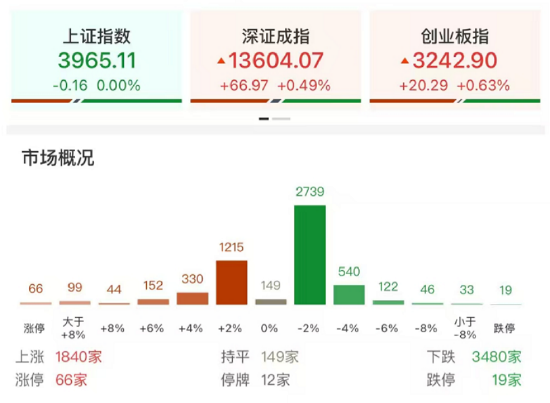
Market Overview - The market experienced a continuous pre-holiday rally, with the Shanghai Composite Index achieving ten consecutive gains, while the Shenzhen Component and ChiNext Index both rose over 0.5% during the session [1][13] - The total trading volume in the Shanghai and Shenzhen markets reached 2.14 trillion yuan, an increase of 3.2 billion yuan compared to the previous trading day [1][13] A-share Outlook - Several favorable factors are expected to support the performance of A-shares in the coming year, including a marginal improvement in manufacturing driven by "anti-involution," global liquidity easing, and a low interest rate environment encouraging institutional and individual investors to enter the market [1][13] - Investors are advised to focus on broad-based products like the CSI A500 ETF (159338) that bundle leading companies across various industries, and consider a "barbell" strategy combining technology and dividends as a satellite strategy [1][13] Gold and Precious Metals - The gold ETF (518800) fell by 2.05% due to overnight market fluctuations, although long-term support for gold prices remains strong from factors such as interest rate cuts, de-dollarization, and geopolitical tensions [3][16] - Recent volatility in precious metal prices was influenced by a significant rise in silver prices, which briefly surpassed $84 per ounce, marking a nearly 10% increase from the previous week's closing price [3][16] - The Chicago Mercantile Exchange raised silver futures margins by 25% to address recent volatility, potentially forcing leveraged traders to partially liquidate positions [4][17] Robotics Sector - The robotics sector saw a notable increase, with the Robotics Industry ETF (159551) rising by 3.20% and the Industrial Mother Machine ETF (159667) increasing by 2.23% [6][18] - The growth in this sector is attributed to robotics being the ultimate carrier of AI, with expectations of significant developments in the U.S.-China competition landscape [6][19] - Tesla's upcoming V3 version is anticipated to evolve towards lightweight, compact, and highly integrated designs, with mass production expected to commence in Q1 next year [6][19] Chemical Industry - The chemical sector performed well, with the Chemical Leaders ETF (516220) rising by 1.79% [7][22] - PX prices have been increasing due to tight supply driven by rising demand for upstream toluene/xylene and the impact of downstream polyester filament and BOPET [8][22] - The polyester industry chain shows strong potential for "anti-involution," supported by nearing capacity limits, sustained demand growth, and high market share among leading companies [9][23]

中航畅宏:外资持续看好中国资产:盈利接棒估值,科技仍是主线
Sou Hu Cai Jing· 2025-12-30 14:05
Core Viewpoint - Major foreign financial institutions have expressed a positive outlook for China's stock market, driven by accelerating corporate earnings growth, macro policy coordination, and the appreciation of the RMB [1][3]. Group 1: Market Outlook - Foreign institutions believe that the driving force behind the rise of China's stock market is shifting from "valuation correction" in 2025 to "earnings growth" in 2026 [3][4]. - Goldman Sachs predicts a 38% increase in the Chinese stock market by the end of 2027, primarily driven by a 14% and 12% increase in corporate earnings in 2026 and 2027, respectively [4][5]. - UBS has set a target of 7100 points for the Hang Seng Tech Index and 100 points for the MSCI China Index by the end of 2026, indicating significant upside potential [5]. Group 2: Investment Trends - There has been a net inflow of $83.1 billion into Chinese assets through ETFs since the beginning of 2025, with the technology sector receiving the most inflow at $9.5 billion [10][11]. - Active foreign capital is expected to return more rapidly, with some foreign institutions increasing their positions in the Chinese stock market in preparation for 2026 [12][13]. - The investment opportunities are highly structured, with a focus on technology innovation, green energy transition, and high-quality brands benefiting from consumer recovery [7][9]. Group 3: Sector-Specific Insights - The technology sector is highlighted as having the greatest profit growth potential, with revenue less affected by trade policies [7]. - Traditional sectors are also attracting foreign interest, with improvements in state-owned enterprise earnings and dividend increases drawing long-term capital [8]. - Under the "anti-involution" framework, sectors like cement, solar energy, and chemicals are expected to receive policy support and have attractive valuations [9].