CHANGAN AUTOMOBILE-B(000625)

Search documents
全球首款钠电池量产乘用车上市!
DT新材料· 2026-02-05 16:07
Core Viewpoint - The article highlights the launch of the world's first sodium battery mass-produced passenger vehicle by Changan Automobile, expected to be available in mid-2026, marking a significant milestone in the sodium battery market for passenger cars [1][3]. Group 1: Sodium Battery Development - 2026 is identified as the year for large-scale application of sodium batteries in the passenger vehicle market, with Changan Automobile being the first major automaker to fully embrace sodium batteries [3]. - Changan's brands, including Avita, Deep Blue, Qiyuan, and Gravity, will utilize CATL's sodium battery technology, which is branded as "Sodium New" [3]. - CATL plans to apply sodium batteries across various sectors, including passenger vehicles, commercial vehicles, and energy storage, establishing a dual development trend of "sodium-lithium" [3]. Group 2: Technical Advantages of Sodium Batteries - Sodium batteries are not a downgraded alternative to lithium batteries; they offer superior low-temperature performance and safety features, addressing concerns of some users regarding electric vehicles [3]. - For instance, the sodium battery-equipped vehicle can maintain a discharge power nearly three times higher than conventional lithium iron phosphate models at -30°C, with over 90% capacity retention at -40°C [4]. - The sodium battery's energy density reaches 175 Wh/kg, which is among the highest in the industry, and it is expected that the pure electric range could increase to 500 km or even 600 km in the future [6]. Group 3: Market Potential and Growth - The sodium battery industry is entering a rapid development phase, with global shipments projected to reach 9 GWh by 2025, a 150% increase year-on-year [6]. - By 2030, the global market for sodium batteries in energy storage is expected to reach 580 GWh, while the automotive sector's market size will exceed 410 GWh [6]. - The average price of sodium cells is anticipated to decrease from approximately 0.52 yuan/Wh in 2025 to 0.25 yuan/Wh by 2030, indicating a trend towards cost-effectiveness [6]. Group 4: Strategic Partnerships and Infrastructure - CATL's sodium battery technology is designed to be adaptable across multiple brands, enhancing flexibility and performance for Changan's upcoming sodium battery models [7]. - Since starting research on sodium batteries in 2016, CATL has invested nearly 10 billion yuan and tested around 300,000 battery cells by 2025 [7]. - CATL plans to establish over 3,000 chocolate battery swap stations across more than 140 cities in China by 2026, facilitating quick energy replenishment for users [7].



“中企保持领先”,全球首款钠电量产乘用车亮相
Guan Cha Zhe Wang· 2026-02-05 15:00
Core Viewpoint - The launch of the world's first sodium-ion battery passenger vehicle by Changan Automobile, utilizing CATL's sodium-ion battery technology, marks a significant advancement in the electric vehicle industry, particularly in extreme weather performance and sustainability [1][4]. Group 1: Product Launch and Technology - Changan Automobile held a global launch event for its sodium-ion battery strategy, unveiling the world's first mass-produced sodium-ion passenger vehicle [1]. - The sodium-ion battery can operate stably at extreme low temperatures, maintaining discharge capabilities even at -50°C [1]. - The vehicle demonstrated a nearly threefold increase in discharge power compared to conventional lithium iron phosphate models at -30°C, with over 90% capacity retention at -40°C [1]. Group 2: Market Implications and Future Prospects - The sodium-ion battery technology is expected to create a new ecosystem for China's electric vehicle industry, providing enhanced resilience and broader operational temperature ranges [1]. - Analysts note that while lithium-ion batteries currently benefit from better economies of scale, sodium-ion batteries offer improved stability in cold weather and higher safety due to lower flammability [4]. - The global shipment of sodium batteries is projected to reach 9 GWh by 2025, representing a 150% year-on-year growth, indicating a rapid acceleration in commercialization [5]. Group 3: Material Availability and Cost Dynamics - Sodium-ion batteries utilize sodium carbonate, which is more readily available than lithium carbonate, a key material for lithium-ion batteries [4]. - The price of lithium carbonate has experienced significant fluctuations, with prices nearing 600,000 yuan per ton at the end of 2022 and expected to drop below 100,000 yuan by 2025 [4].
全球首款钠电量产乘用车亮相
新华网财经· 2026-02-05 11:49
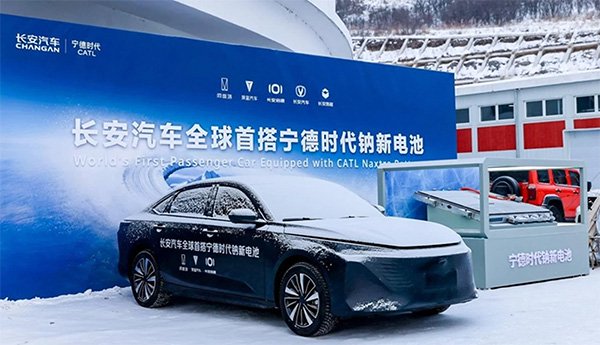
Core Viewpoint - Changan Automobile has officially launched its global sodium battery strategy and unveiled the world's first mass-produced sodium battery passenger vehicle in Yakeshi, in collaboration with CATL [1]. Group 1: Sodium Battery Technology - CATL's sodium battery cells have a maximum energy density of 175 Wh/kg, enabling pure electric range upgrades to 500 km or even 600 km, and hybrid range breakthroughs of 300 km to 400 km [3]. - In extreme cold conditions of -30℃, the vehicle equipped with CATL's sodium battery shows a discharge power nearly three times higher than conventional lithium iron phosphate models, and maintains over 90% capacity at -40℃, with stable discharge even at -50℃ [3]. Group 2: Strategic Collaboration - CATL's support for Changan's global sodium battery strategy extends beyond core technology to encompass full ecosystem and lifecycle support, allowing for deep adaptability across multiple brands while balancing flexibility and performance upgrades [3]. - Changan aims to rapidly launch multiple sodium battery models by 2026, leveraging CATL's sodium battery technology [3].
全球首款搭载宁德时代钠新电池乘用车亮相
Bei Jing Shang Bao· 2026-02-05 09:59
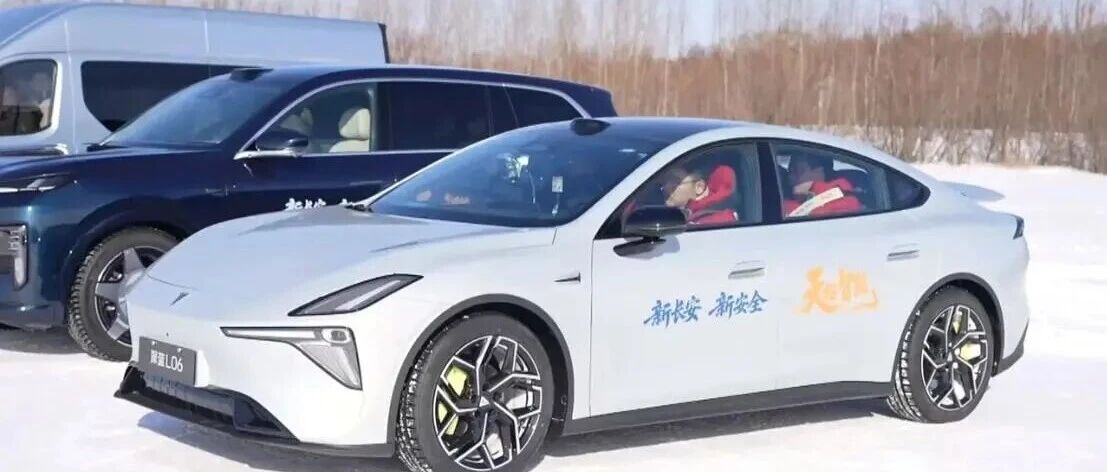
Core Viewpoint - Changan has launched its global sodium battery strategy, unveiling the world's first mass-produced sodium battery passenger vehicle, which meets consumer demands in terms of range, low-temperature performance, safety, and discharge capabilities [1] Group 1: Product Launch and Features - The world's first mass-produced sodium battery passenger vehicle has successfully passed winter validation in Yakeshi, demonstrating its capabilities [1] - The sodium battery from CATL, combined with its third-generation CTP system, offers a pure electric range exceeding 400 kilometers [1] - The battery cell achieves a maximum energy density of 175 Wh/kg, and under extreme conditions, it shows significant performance improvements compared to conventional lithium iron phosphate models [1] Group 2: Performance in Extreme Conditions - Under -30°C conditions, the vehicle's discharge power is nearly three times higher than that of conventional lithium iron phosphate models with the same energy capacity [1] - At -40°C, the capacity retention rate exceeds 90%, and it can maintain stable discharge even at -50°C [1] Group 3: Future Infrastructure Plans - By 2026, CATL plans to establish over 3,000 chocolate battery swap stations across more than 140 cities in China [1] - In the Beijing-Tianjin-Hebei region and eight provinces (cities), a total of over 600 stations will be completed [1]
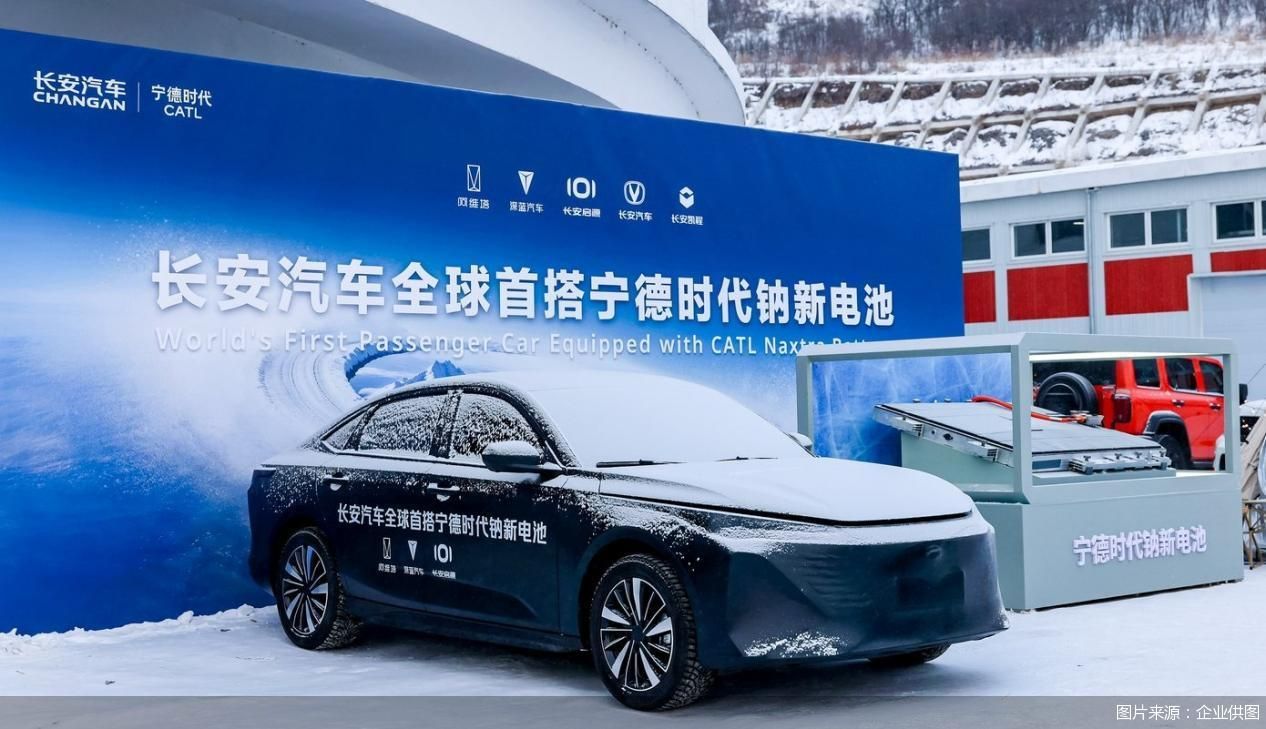
钠电加速上车
Hua Er Jie Jian Wen· 2026-02-05 09:29
Core Viewpoint - The collaboration between Changan Automobile and CATL marks a significant shift in the battery industry, with the launch of the world's first sodium-ion mass-produced passenger vehicle expected in mid-2026, indicating the commercial viability of sodium batteries after a decade of development [1][2]. Strategic Alliance - Changan Automobile has chosen CATL as its "sole partner" for the sodium battery strategy, reflecting a strong consensus on industry trends and a strategic decision to pivot towards sodium batteries as a key focus for the coming years [2]. - Changan's commitment to sodium batteries will encompass multiple brands, including Avita, Deep Blue, Qiyuan, and Gravity, with plans to launch new models featuring CATL's sodium batteries [2]. Technical Specifications - The sodium battery cells have an energy density of up to 175 Wh/kg, which is currently the highest in the industry, and vehicles equipped with these batteries will have a pure electric range exceeding 400 km [3]. - The sodium battery maintains over 90% capacity at -40°C and can operate at -50°C, with discharge power nearly three times that of conventional lithium iron phosphate batteries at -30°C [3]. - Future upgrades could increase the pure electric range to 500-600 km and hybrid range to 300-400 km, potentially covering over 50% of market demand for range [3]. Market Dynamics - The sodium battery is expected to replace lithium iron phosphate batteries in certain applications, with cost parity anticipated as production scales up, potentially capturing about 50% of the market share currently held by lithium iron phosphate batteries [4]. - The sodium battery industry is transitioning from small-scale trials to large-scale production, with projections indicating a tenfold increase in sodium battery production capacity from 11,000 tons in 2025 to over 120,000 tons in 2026 [6]. Industry Expansion - The sodium battery market is expected to grow significantly, with major players like BYD and CATL investing heavily in sodium battery projects, indicating a shift towards a more diversified battery supply chain [6]. - By 2030, the global sodium battery market is projected to approach 410 GWh for sodium-ion power batteries, nearing the 580 GWh mark for energy storage batteries, suggesting that sodium batteries will become mainstream alongside lithium batteries [7].
【快讯】每日快讯(2026年2月5日)
乘联分会· 2026-02-05 09:05
Domestic News - Guangdong is expanding the testing and demonstration application range for intelligent connected vehicles, promoting digital consumption and smart logistics networks [7] - Beijing has achieved full coverage of supercharging stations in highway service areas, with 530 charging piles and a maximum charging power of 600kW, allowing for a quick 15-minute charge [8] - Changan Automobile is collaborating with CATL to introduce sodium-ion batteries, with plans to launch multiple models by 2026, achieving a range of over 400 kilometers for pure electric vehicles [9] - Two major state-owned enterprises are integrating their automotive testing businesses to create the world's largest automotive testing institution, enhancing technical service capabilities [10] - FAW Bestune has partnered with Unity China to produce the first mass-produced 3D intelligent cockpit vehicle, enhancing user interaction and safety [11] - Ledo Automotive has exceeded its battery doubling plan, adding 8,295 new battery packs to its network, improving user experience during peak travel seasons [12] - Zhiji Automobile has launched its models in the UAE and Tunisia, marking a significant step in its global expansion strategy for 2026 [13] - Qianli Technology has submitted an application for an L3-level intelligent driving test license, indicating its readiness for advanced autonomous driving technology [14] Foreign News - Canada is abolishing mandatory electric vehicle sales quotas and reintroducing consumer subsidies of up to CAD 5,000, while welcoming Chinese companies to set up factories [16] - The German Automotive Industry Association predicts a total production of 4.1 million vehicles in 2026, a 1% decrease year-on-year, with a 6% growth in electric vehicles [17] - The Malaysian government is offering subsidies for replacing old vehicles over 20 years old, in collaboration with Proton, with incentives up to 4,000 ringgit [18] - Porsche has started mass production of the Cayenne Electric in Slovakia, featuring dual motors and a maximum output of 850 kW, with rapid charging capabilities [19][20] Commercial Vehicles - DeepWay has launched its pure electric heavy truck in Bangkok, marking a significant milestone in its Southeast Asia strategy [21] - The Yellow Stone City has implemented regulations for the commercial application of ground unmanned technology, ensuring safety and market order [22] - Shenzhen has reported a 185.5% year-on-year increase in operational functional unmanned vehicles, with a total of 1,122 units by the end of 2025 [23] - Shandong Province has issued a plan to strengthen the commercial vehicle sector, aiming for a production target of around 200,000 new energy commercial vehicles in 2026 [25]

长安汽车发布股票回购公告:以坚定信心开启价值重塑新篇章
Zhong Guo Qi Che Bao Wang· 2026-02-05 08:58
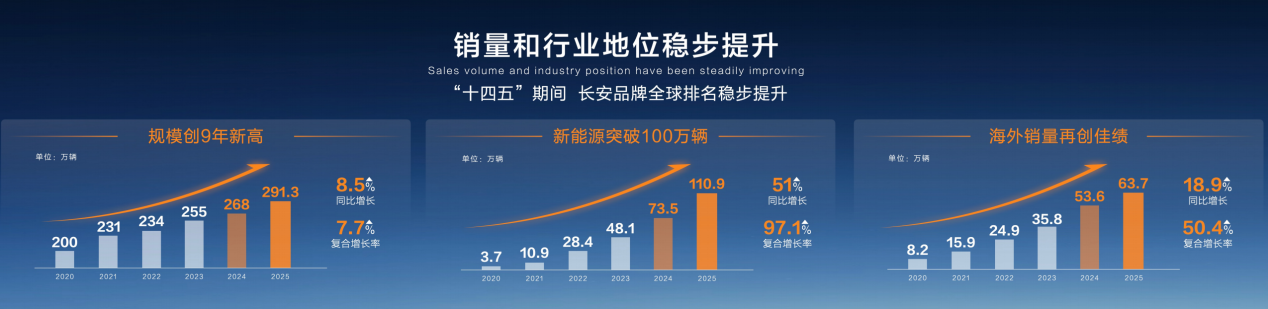
Core Viewpoint - Changan Automobile announced a share repurchase plan of 1 to 2 billion yuan, demonstrating management's confidence in the company's strategic outlook and commitment to shareholder interests [1][4]. Group 1: Strategic Confidence - The company aims to achieve cumulative sales of 40 million units by 2028, with a target of 5 million units by 2030, where 60% will be new energy vehicles and 35% will be from overseas markets [2]. - Changan plans to launch 26 new products over the next three years, covering over 140 countries and regions, supporting its dual-driven strategy of technology and market expansion [2]. Group 2: Market Signals - The repurchase is positioned as a response to the global automotive industry's shift towards smart electrification, reflecting the company's strong belief in its strategic development and intrinsic value [4]. - As of Q3 2025, the company's cash and cash equivalents totaled 54.412 billion yuan, making the maximum repurchase limit of 2 billion yuan only about 3.68% of this reserve [4]. Group 3: Focus on Returns - The repurchase aligns with the central government's call for improved quality and market value management of listed companies [5]. - The plan aims to enhance earnings per share (EPS) and return on equity (ROE), thereby increasing shareholder value and investment returns [5]. Group 4: Long-term Vision - Changan is positioning itself as a "long-termist" in the automotive industry, with a focus on accelerating its transition and global expansion [7]. - The company's transformation story is expected to gain market attention as it progresses with its "14th Five-Year Plan" [7].
Changan Launches 2026 Global Testing Season with SDA Intelligence Update and Sodium-Ion Battery Strategy
Globenewswire· 2026-02-05 08:49
Core Insights - Changan Automobile has launched its global sodium-ion battery strategy and commenced the 2026 Global Testing Season in Yakeshi, Inner Mongolia [1][3] Group 1: Sodium-Ion Battery Technology - Changan is accelerating the development of sodium-ion battery technology as part of its global battery strategy, with plans to introduce new sodium-ion battery-equipped vehicles across multiple brands soon [3] - Sodium-ion battery systems have demonstrated stable discharge capabilities under extreme low temperatures, validated down to minus 40 degrees Celsius [4] Group 2: Safety and Testing - Changan and CATL conducted extreme abuse tests on sodium-ion batteries, exceeding national safety standards without incidents of fire, explosion, smoke, or thermal runaway [4] - The launch event showcased SDA Intelligence, which focuses on proactive, AI-driven vehicle stabilization, tested under severe low-temperature conditions [5] Group 3: Vehicle Performance - The AVATR 12 successfully completed an emergency lane change on ice at 80 km/h, while CHANGAN NEVO Q05 identified obstacles on low-friction ice during an Adaptive Cruise Control challenge [6] - CHANGAN DEEPAL L06 demonstrated rapid posture adjustments during a high-speed circular drift challenge on snow [6] Group 4: Global Testing Plans - The 2026 Global Testing Season will extend beyond Yakeshi, including high-humidity durability tests in Southeast Asia and high-altitude chassis tuning in the European Alps [8] - Winter testing in Eurasia will focus on ice and snow conditions, with the AVATR 12 as the test vehicle, while a cross-country drive in Mexico will assess long-distance reliability [9]
长安汽车携手宁德时代发布钠电战略 首款钠电量产乘用车正式亮相
Huan Qiu Wang· 2026-02-05 08:41
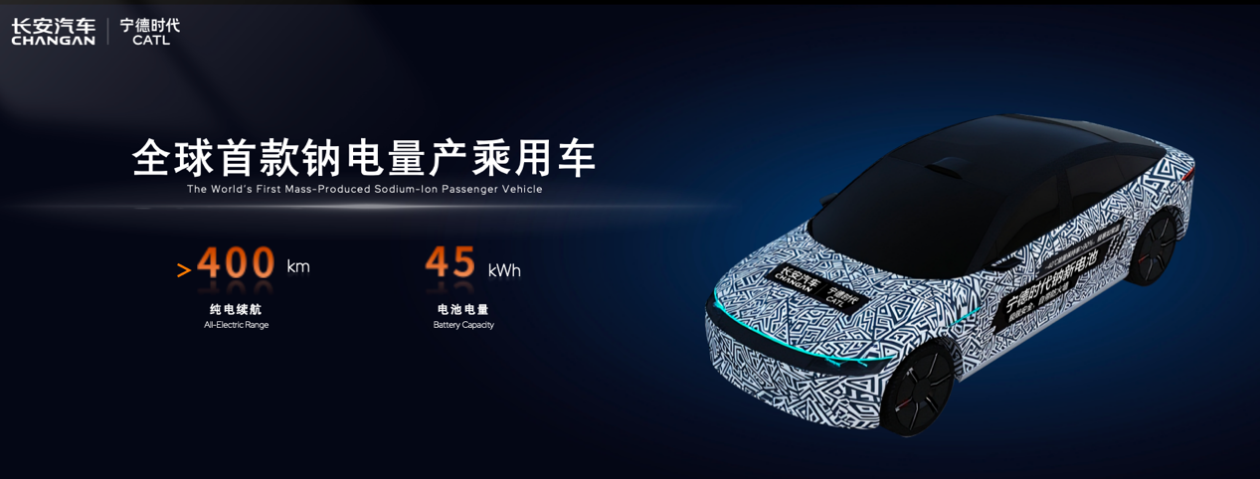
Group 1 - Changan Automobile officially launched its global sodium battery strategy and unveiled the world's first mass-produced sodium battery passenger vehicle at an event in Yakeshi, in collaboration with CATL [1] - The sodium battery passenger vehicle has completed winter validation, demonstrating that its range, low-temperature performance, safety, and discharge performance meet user needs [1] Group 2 - CATL's sodium battery, combined with its third-generation CTP system, can achieve over 400 km of pure electric range, with potential upgrades to 500-600 km as the sodium industry chain develops [3] - The battery cell has a maximum energy density of 175 Wh/kg, which is industry-leading, and can significantly outperform conventional lithium iron phosphate models in extreme cold conditions [3] Group 3 - CATL provides comprehensive support for Changan's global sodium battery strategy, enabling the rapid rollout of multiple sodium battery models by 2026 [5] - CATL plans to establish over 3,000 rapid battery swap stations across more than 140 cities in China by 2026, enhancing the user experience with efficient energy replenishment [5] - The company aims to continuously improve sodium battery technology and prepare for the era of "sodium-lithium dual stars" [5]
纳电走向量产乘用车,耐低温性能或拓展新能源边界
Guan Cha Zhe Wang· 2026-02-05 08:35
Core Viewpoint - Changan Automobile and CATL have officially launched the sodium-ion battery strategy and the world's first mass-produced passenger vehicle equipped with sodium-ion batteries, marking a significant step in the commercialization of sodium-ion battery technology [1][3]. Group 1: Sodium-Ion Battery Strategy - CATL will be the sole partner for Changan's sodium-ion battery strategy, with plans to equip multiple brands including Avita, Deep Blue, Qiyuan, and Gravity with "sodium new" batteries, with the first model expected to launch mid-year [3]. - The mass production of passenger vehicles using sodium-ion batteries represents a critical milestone in the commercialization of this technology, following CATL's earlier release of sodium-ion batteries for light commercial vehicles [3][4]. Group 2: Market Context and Demand - The demand for sodium-ion batteries is driven by the need for car manufacturers to compete with fuel vehicles, especially as the sales of new energy vehicles in China surpassed 50% last year, and as subsidies for new energy vehicles decline [4]. - The low-temperature performance and high safety characteristics of sodium-ion batteries are seen as a new technological pathway to activate more usage scenarios, particularly in cold northern regions where lithium batteries face challenges [6]. Group 3: Technical Specifications and Performance - The first mass-produced passenger vehicle with sodium-ion batteries has completed winter testing, featuring a pure electric range exceeding 400 kilometers and a maximum energy density of 175 Wh/kg [6]. - The sodium-ion battery demonstrates superior low-temperature performance, with discharge power nearly three times higher than lithium iron phosphate models at -30°C, and a capacity retention rate exceeding 90% at -40°C [8]. Group 4: Future Developments and Market Positioning - CATL plans to establish over 3,000 chocolate battery swap stations by 2026, focusing on northern cold regions to support the sodium-ion battery ecosystem, while also enhancing the lithium battery charging infrastructure [12]. - The future of electric vehicles is expected to feature a dual approach, with lithium batteries dominating long-range and high-performance models, while sodium-ion batteries will cater to medium-range, cold-weather, and high-safety demand vehicles [12].