滞胀

Search documents
中国银行发布2025Q4《个人金融全球资产配置策略季报》
Di Yi Cai Jing· 2025-10-21 07:57
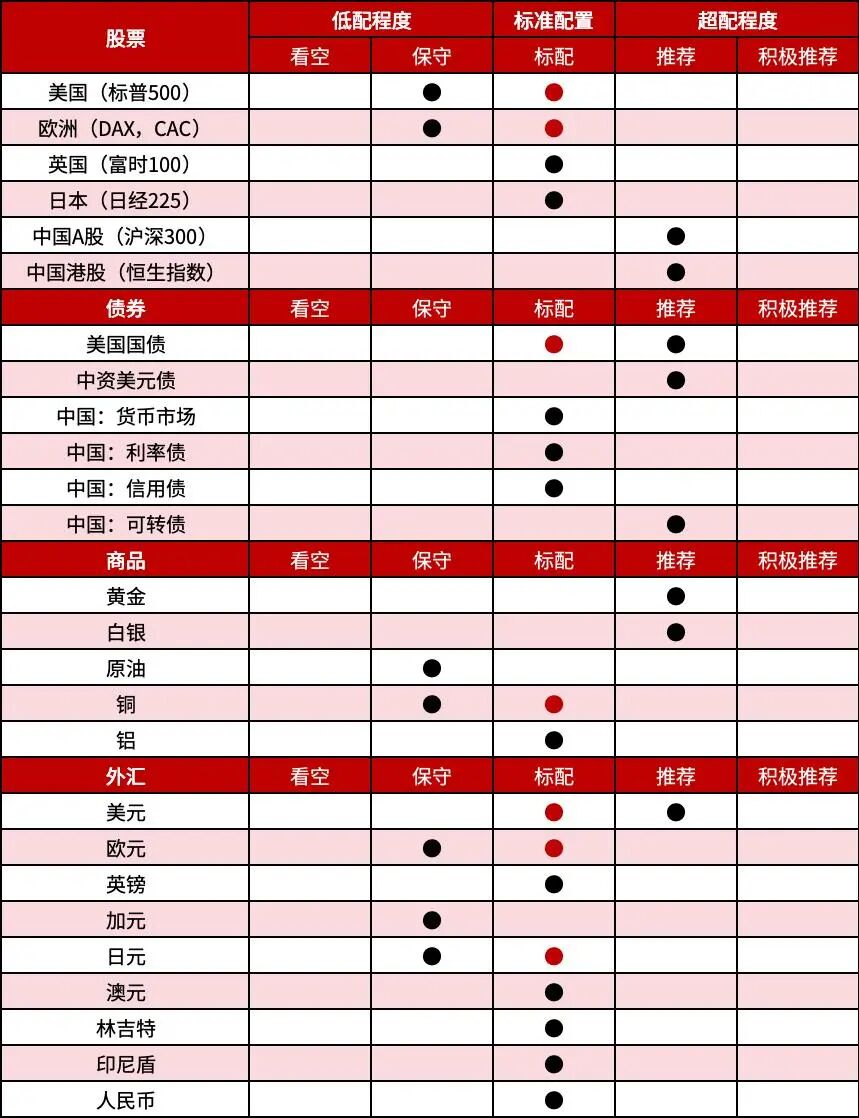
Core Insights - The report by the Bank of China outlines the global asset allocation strategy for personal finance in Q4 2025, focusing on economic and financial trends both domestically and internationally [1] Review Section - In Q3, the phenomenon of "cold economy, hot assets" persisted, with global equity markets benefiting from liquidity during the interest rate cut cycle and the evolution of AI narratives. The US tariff policy has become less impactful, leading to a bullish trend in the Chinese A-shares and Hong Kong stocks [2] - The global economic momentum remains weak, with a divergence in the US and China bond markets, where US bonds are performing better while Chinese bonds are weaker. The US dollar is experiencing weakness, while the Renminbi shows resilience and a steady increase. Gold has been on a significant upward trend, reaching historical highs, while commodity performance is mixed, with copper and aluminum strong and oil weak [2] Economic Outlook Section - In Q4, the global economy will continue to face uncertainties despite a loose monetary and fiscal environment. The Federal Reserve may continue to cut interest rates amid challenges related to employment and inflation, while the fiscal issues behind the US government shutdown raise concerns about stagflation. The European Central Bank is nearing the end of its rate cuts, with debt pressures in major economies acting as a barrier to growth [3] - China's economy achieved a cumulative year-on-year growth rate of 5.2% in the first three quarters, but the three main drivers of growth are under pressure. Policies will focus on implementation and detail, with the potential for support in response to unexpected events. Over the longer term, the "14th Five-Year Plan" will emphasize high-quality development, focusing on themes such as technological innovation, domestic demand, and investment in human capital [3] Major Asset Analysis Section - In Q4, both the US and China may experience synchronized liquidity easing. There are early signs of bubble formation in US AI capital investments, which should be approached with caution. A bullish atmosphere has formed in the Chinese equity market, entering a critical phase of a slow bull market, while Hong Kong stocks are expected to continue a volatile upward trend [4] - In the bond market, the upward trend in US bonds is likely to continue, while domestic easing policies support a bullish tail in the bond market, although the bond market remains weak due to the stock-bond seesaw effect. In foreign exchange, the US dollar is expected to remain weak, with fluctuations in non-US currencies, while the Renminbi may continue to rise steadily. Gold is in a major upward trend but may enter a consolidation phase after reaching a peak, and the commodity market is expected to maintain its mixed performance [4] Opportunities and Risks Section - In Q4, the market presents both opportunities and risks. Opportunities include the potential for a "long bull slow bull" in the Chinese stock market, making it a good time for "buying the dip" and "winter sowing" strategies, particularly in high-dividend sectors and mainstream strong sectors during pullbacks [5] - Risks include the recommendation against zero allocation in Chinese equity assets and gold, which could lead to missing historical strategic asset allocation opportunities and a lack of long-term growth momentum. Additionally, there is a short-term risk of chasing high-priced assets or sectors, particularly in gold and leading indices in A-shares and US stocks, which may affect investor confidence [5] Global Asset Allocation Strategy Overview - The report provides a detailed table of global asset allocation strategies, indicating varying degrees of allocation recommendations across different asset classes, including equities, bonds, commodities, and foreign exchange [6][7]


ETF日报:“反内卷”政策的落地节奏和效力决定了中国经济特别是制造业的修复水平,可关注养殖ETF等
Xin Lang Ji Jin· 2025-10-17 12:07
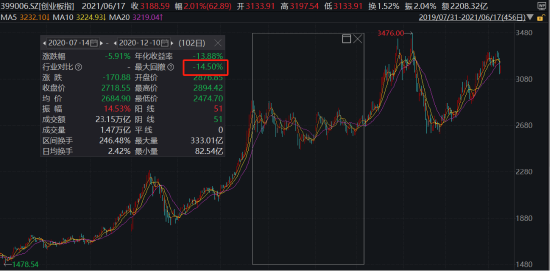
Market Overview - The A-share market experienced a significant decline, with the Shanghai Composite Index dropping by 1.95%, the Shenzhen Component Index by 3.04%, and the ChiNext Index by 3.36% [1] - The trading volume in the Shanghai and Shenzhen markets reached 1.94 trillion, an increase of 6.9 billion compared to the previous trading day [1] - Concerns over the high valuation levels of technology growth stocks have led to a collective sell-off in this sector, which had previously shown strong performance [1][2] Short-term and Long-term Outlook - In the short term, there may be continued downward pressure on the market, but the long-term bull market is not expected to end, and the current pullback may present a good opportunity for active allocation [1][6] - The market has been oscillating around the 3900-point mark, with multiple attempts to break through both upwards and downwards [1][2] Sector Performance - The technology sector has faced significant corrections, with the ChiNext Index's maximum drawdown approaching -12% and the Sci-Tech 50's drawdown exceeding -14% [7] - The "反内卷" (anti-involution) and technology sectors are highlighted as key areas for investment, reflecting market optimism regarding corporate profitability and valuation levels [9][10] Livestock Industry Insights - The livestock sector, particularly pig farming, is showing signs of recovery, with the price of pigs rising from below 14 yuan to around 21 yuan, marking an increase of nearly 50% [12] - The Ministry of Agriculture has initiated measures to control pig production, indicating a shift towards reducing supply, which is expected to support price increases in the future [12][14] - Major pig farming companies like Muyuan Foods and Wens Foodstuffs have reported significant profit improvements, with net profits of 18.9 billion yuan and 9.2 billion yuan, respectively [12] Cost Control and Industry Dynamics - The pig farming industry has seen significant cost optimization, with leading companies reducing their costs to approximately 12-13 yuan per kilogram [17] - The industry is entering a phase of capacity reduction, with the number of breeding sows decreasing, which is expected to support future price increases [14][16] Gold Market Analysis - Gold prices have reached historical highs, with London gold spot prices peaking at 4380 points, driven by ongoing geopolitical tensions and economic uncertainties [19] - The demand for gold as a "safe-haven" asset is expected to remain strong due to concerns over inflation and economic stagnation in the U.S. [20][21]
刚刚,紧急通知!黄金突发!紧急风险提示来了
Zhong Guo Ji Jin Bao· 2025-10-16 08:33
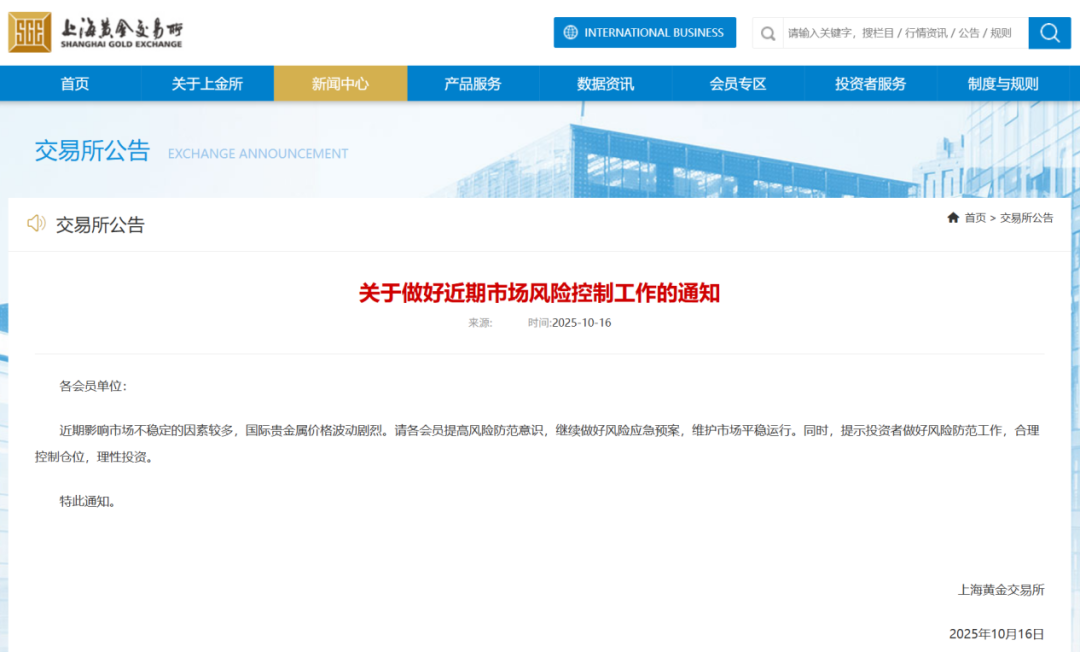
Core Viewpoint - The Shanghai Gold Exchange has issued a notice emphasizing the need for market risk control due to significant fluctuations in international precious metal prices, particularly gold and silver, which have reached historical highs [1][4]. Group 1: Market Trends - Gold prices have surged, with spot gold reaching a peak of $4,242 per ounce, while silver stabilized at $53 per ounce, both at historical highs [1]. - Year-to-date, gold prices have increased by 57.44%, and silver prices have risen by 63.02% on the Shanghai Gold Exchange [4]. - Analysts predict that gold may soon reach the $5,000 mark, driven by central bank purchases, de-dollarization, and strong ETF inflows [5]. Group 2: Risk Management - The Shanghai Gold Exchange has issued multiple risk alerts this year, advising members to enhance risk awareness and maintain emergency response plans [1]. - Several banks have raised the minimum investment threshold for gold accumulation services to 1,000 yuan, while also issuing risk warnings to investors regarding price volatility [8]. - Investors are encouraged to diversify their investments and consider dollar-cost averaging strategies to mitigate risks associated with gold investments [8][11]. Group 3: Investment Strategies - Investment strategies should focus on direct tracking of gold prices through ETFs or large banks' paper gold and physical gold transactions, avoiding leveraged trading [11]. - The demand for gold as a safe-haven asset has increased amid geopolitical tensions and economic concerns, further supporting its price rise [5].
FPG财盛国际:特朗普一句话引爆避险!金价暴涨近66美元创新高
Sou Hu Cai Jing· 2025-10-16 03:10
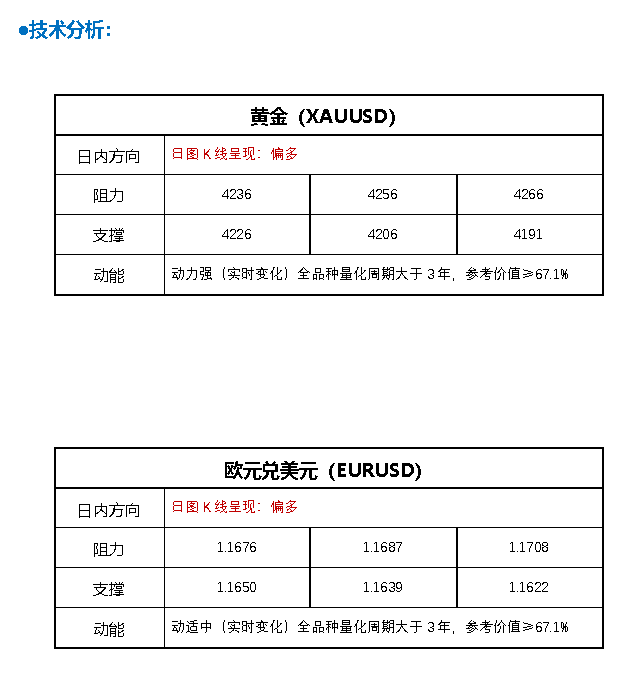
Group 1 - The article highlights escalating tensions between the US and China, with President Trump considering cutting some trade relations, which has led to increased demand for gold as a safe-haven asset [1][2] - The US government shutdown has entered its 15th day, with no agreement in sight between the White House and Democrats, further boosting gold's appeal [1] - Federal Reserve Chairman Jerome Powell's dovish comments indicate a weak labor market, contributing to a decline in the US dollar against a basket of currencies [1][2] Group 2 - Gold prices have surged over 60% this year due to geopolitical uncertainties, expectations of Fed rate cuts, central bank purchases, and strong inflows into ETFs, reaching $4,218 per ounce [2] - Analysts maintain a bullish outlook on gold, with potential resistance levels at $4,250, $4,300, and $4,350 per ounce, while support levels are identified at $4,150 and $4,100 per ounce [3] - The current market dynamics show a strong momentum for gold, with the daily chart indicating a bullish trend and resistance levels at $4,236, $4,256, and $4,266 [4]
中方重拳出击起效了,特朗普遭遇3连败,美专家:史无前例?
Sou Hu Cai Jing· 2025-10-15 14:54
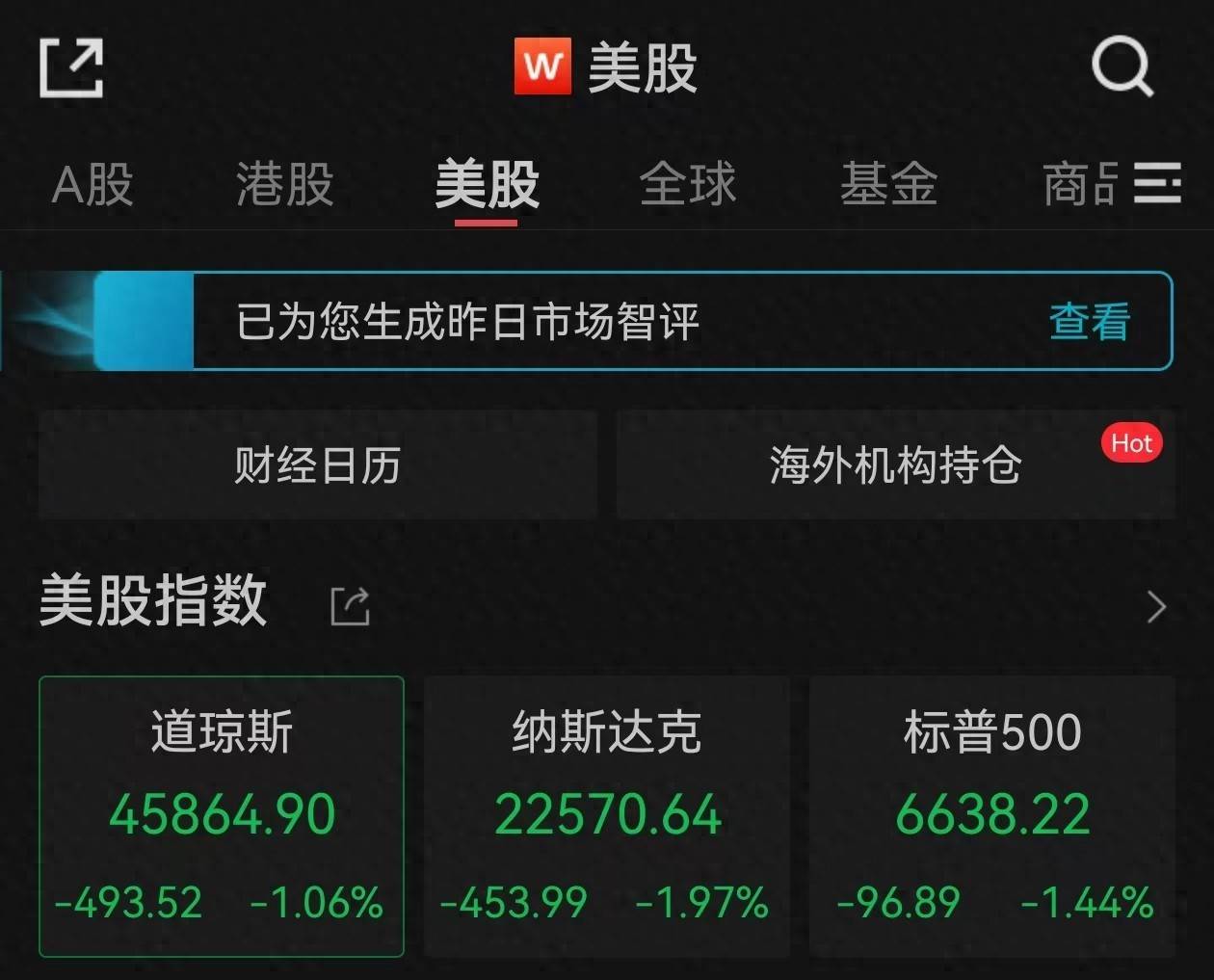
Group 1 - The announcement of a 100% tariff increase on Chinese goods by Trump led to a significant market reaction, with the S&P 500 index losing $700 billion in just three minutes and a total daily loss of $1.65 trillion, marking the largest single-day loss since the pandemic began in 2020 [1] - Trump's tariff strategy appears to target high-end manufacturing sectors in China, such as semiconductor equipment and industrial robots, while excluding Christmas consumer goods to avoid domestic backlash [3] - China's response includes new regulations on rare earth exports, which could severely impact U.S. military production, as many defense systems rely on Chinese rare earth materials [3] Group 2 - China has initiated a legal battle against the U.S. at the WTO regarding the imposition of special port fees, while also launching antitrust investigations into U.S. mergers, indicating a strategic shift to a rules-based counterattack [5] - Major shipping companies have suspended routes to U.S. West Coast ports, leading to significant delays and increased costs for U.S. retailers like Walmart and Amazon, who are now facing rising operational costs due to the tariff war [5] - The political landscape in the U.S. is becoming increasingly divided, with bipartisan efforts to limit Trump's tariff powers, reflecting growing discontent with his trade policies [7] Group 3 - The U.S. judicial system has recently ruled against Trump's tariff measures, stating they are unconstitutional, which has led to a wave of lawsuits from multinational companies seeking refunds on tariffs paid, amounting to over $20 billion [7][9] - The U.S. economy is facing severe challenges, with federal debt surpassing $36 trillion and interest payments exceeding $1 trillion annually, contributing to rising inflation and potential stagflation risks [11] - The Federal Reserve's dilemma of maintaining high interest rates to control inflation could lead to a significant GDP contraction by 2026, as per simulations [12] Group 4 - The ongoing government shutdown has affected 600,000 federal employees and critical services, further complicating Trump's political standing as his approval ratings plummet [14] - Internationally, traditional allies like the EU and Japan are hesitant to fully align with U.S. policies against China, instead opting to strengthen trade relations with China, as evidenced by a 9.2% increase in trade between China and the EU [16] - The combination of legal, economic, and political crises in the U.S. is unprecedented, creating a vicious cycle that exacerbates each issue, leading to a complex governance failure [18]
外媒:美国的灾难才刚开始,一个致命错误,代价太大了
Sou Hu Cai Jing· 2025-10-15 12:43
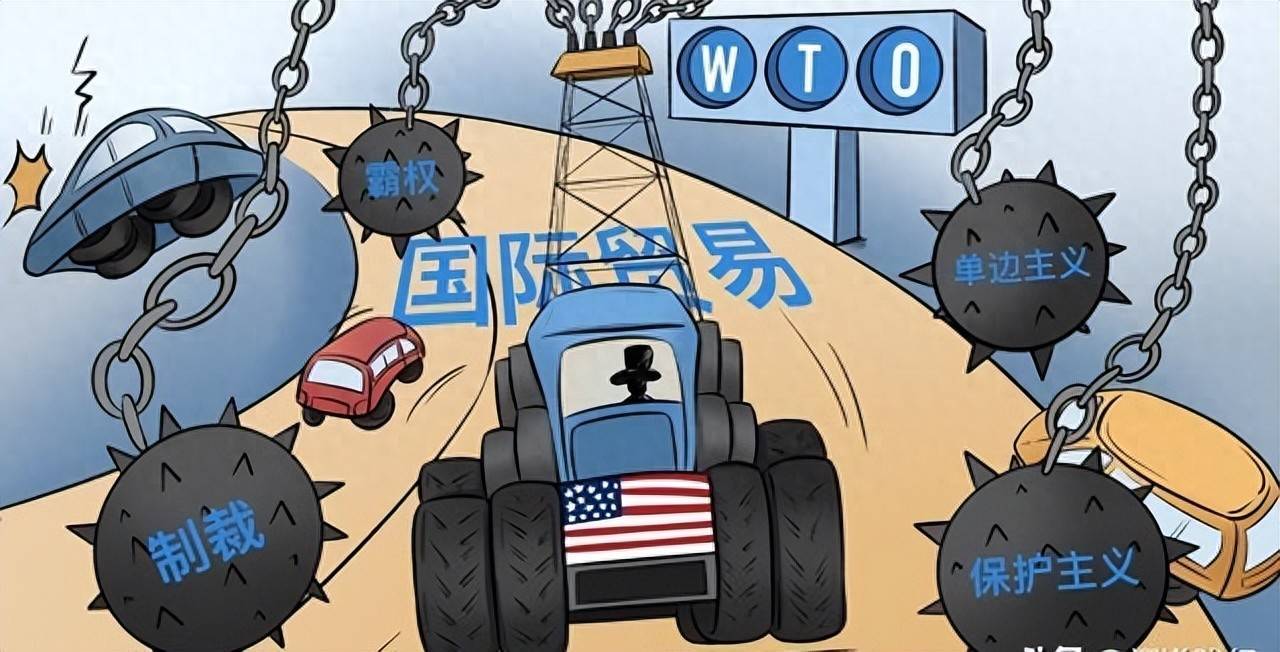
Group 1 - Midwestern farmers are facing a crisis as the loss of a major Chinese buyer has led to a surplus of soybeans and corn, causing prices to plummet [1] - A report from Yale indicates that tariffs and foreign retaliation could reduce U.S. GDP growth by 0.5 percentage points and increase unemployment by 0.2 percentage points by 2025 [1] - Nomura Securities predicts that U.S. GDP growth in 2025 will only be 0.8%, which is worse than the aftermath of the 2009 financial crisis [1] Group 2 - Goldman Sachs raised the probability of recession from 35% to 45%, while JPMorgan forecasts a recession in the second half of the year [3] - The Federal Reserve's efforts to control inflation are being undermined by tariffs, leading to increased import costs that consumers must bear [3] - Major retailers like Walmart and Delta Airlines have publicly complained about rising costs due to tariffs, which are affecting profit expectations [3] Group 3 - The European Union imposed tariffs on $26 billion worth of U.S. goods, with Canada retaliating with a 25% tariff on automobiles, disrupting supply chains [6] - Canada and Mexico have united in their response, causing significant disruptions in U.S. automotive production [6] - The U.S. Commerce Secretary downplayed recession concerns, suggesting that short-term pain is necessary for long-term benefits [6] Group 4 - In April, China announced a 34% tariff on all U.S. imports, which was later reduced to 10% for a limited time, causing significant distress among American farmers [8] - U.S. farmers are experiencing a drastic decline in business, with many unable to sell their crops and facing financial difficulties [8] - The tariffs intended to curb Chinese manufacturing have instead harmed American producers [8] Group 5 - Gold prices have surged by 50% since the beginning of the year, with predictions of reaching $4,900 by the end of the year [10] - A court ruling deemed many of Trump's tariffs illegal, which could have significant implications for the economy [10] - Yale's data indicates that tariffs are negatively impacting GDP and increasing unemployment concerns, with a 40% drop in orders observed in September [10] Group 6 - The U.S. national debt has reached $36 trillion, with annual interest payments of $1.2 trillion and a fiscal deficit of $1.83 trillion [12] - Tariff revenue has only amounted to $6.8 billion by the end of May, insufficient to cover the growing fiscal gap [12] - The OECD has downgraded U.S. growth forecasts to 1.8%, which is considered optimistic given the current economic climate [12]
LSEG跟“宗” | 金银价美股大跌下再创历史新高 一些数字货币杠杆投机者资产蒸发
Refinitiv路孚特· 2025-10-15 07:02
Core Insights - The article discusses the recent trends in precious metals, particularly gold and silver, highlighting a significant increase in gold prices, which surpassed $4000, reflecting a 53% return year-to-date and a 120% return since the end of 2022, indicating a sharp decline in the purchasing power of the US dollar [2][22] - The sentiment in the market is shifting towards precious metals as a hedge against economic uncertainty, with silver prices also reaching historical highs, driven by high demand and low supply [25][15] Group 1: Market Trends - The CFTC data release was delayed due to the US government shutdown, with the latest data reflecting positions as of September 23 [2] - Gold prices have broken through previous resistance levels, indicating a bullish trend, while the market is uncertain about future support levels [2][22] - Silver has outperformed gold recently, with a significant increase in market sentiment and a rental rate for silver reaching 39% annually, indicating a supply shortage [25][15] Group 2: Investment Sentiment - The article contrasts the investment behaviors of older investors in gold versus younger investors in cryptocurrencies, suggesting that the latter may be more vulnerable due to high leverage [3][23] - The gold-to-silver ratio is used as a measure of market sentiment, currently at 79.915, reflecting a decrease of 1.3% week-over-week [20] - The article emphasizes the importance of monitoring mining stocks as a leading indicator for gold prices, noting that mining stocks have historically lagged behind the performance of the underlying commodities [16][17] Group 3: Economic Indicators - The market anticipates a 97.8% probability of a rate cut by the Federal Reserve in October, with expectations of further cuts in December [20][22] - The potential for stagflation is discussed, suggesting that in such an environment, commodities and defensive stocks may perform better than bonds and growth stocks [25] - The article highlights the uncertainty surrounding future US interest rates and their impact on commodity prices, particularly gold [27][22]

聚酯链日报:油价趋势偏弱叠加需求平淡,聚酯原料下行顺畅-20251010
Tong Hui Qi Huo· 2025-10-10 09:38
1. Core Viewpoint The oil price trend is weak and demand is flat, causing a smooth decline in polyester raw materials. The polyester industry chain is expected to maintain a weak and volatile pattern in the short term. Due to the downward shift of the PX - PTA cost center, varieties with high inventory pressure like FDY/DTY may need to further reduce prices to clear inventory, while the price of short - fiber with low inventory has relatively strong support [2][5]. 2. Daily Market Summary PTA&PX - On October 09, the PX main contract closed at 6586.0 yuan/ton, up 0.24% from the previous trading day, with a basis of - 100.0 yuan/ton. The PTA main contract closed at 4584.0 yuan/ton, down 0.22% from the previous trading day, with a basis of - 44.0 yuan/ton [3]. - Cost end: On October 09, the Brent crude oil main contract closed at 66.08 US dollars/barrel, and WTI closed at 62.3 US dollars/barrel. Demand end: On October 09, the total transaction volume of Light Textile City was 680.0 million meters, and the 15 - day average transaction was 857.33 million meters [3]. - Supply end: Although the PX futures price rose slightly, the basis discount continued to expand to - 100 yuan/ton, indicating that the supply pressure in the spot market remained unchanged, possibly related to the recovery of overseas plant operation and the expected release of new domestic production capacity. The current operating rate of PTA is still high, and some plants plan to overhaul or reduce production under the environment of low processing fees, but there is still an over - supply risk on the supply side as a whole. The decline of the crude oil price center weakens the cost support, and the supply pressure of PX is transmitted to PTA, putting pressure on PTA production profits, and the operating rate may be passively lowered later [3]. - Demand end: Polyester demand shows weak signals. The transaction volume of 680 million meters in Light Textile City is significantly lower than the 15 - day average of 857 million meters, reflecting the weakening of downstream textile orders and the lack of sustainability of terminal restocking. The sales rate of polyester filament has fluctuated and declined recently, and the seasonal decline of loom operation may further suppress the PTA procurement demand [4]. - Inventory end: PTA factory inventory has accumulated slightly for two consecutive weeks. Currently, the basis maintains a discount structure (- 44 yuan/ton), indicating that the spot liquidity is relatively abundant. Factories mainly focus on active inventory reduction under the situation of weakening demand and low processing fees. As the supply - demand contradiction deepens, if the demand side fails to improve substantially, the inventory pressure may gradually become apparent [4]. Polyester - On October 09, the short - fiber main contract closed at 6276.0 yuan/ton, unchanged from the previous trading day. The spot price in the East China market was 6405.0 yuan/ton, unchanged from the previous trading day, with a basis of 129.0 yuan/ton [5]. - The inventory of polyester short - fiber is 7.58 days, significantly lower than the five - year average of 4.96 days. The inventory of POY is 13.6 days, lower than the average of 20.40 days. The inventory of FDY is 24.1 days, slightly exceeding the average of 22.19 days. The inventory of DTY is 28.9 days, close to the average of 28.42 days. The structural differentiation shows that the inventory reduction of short - fiber and POY is better than that of FDY/DTY [5]. 3. Industrial Chain Price Monitoring Futures and Spot Price Changes - PX futures: The main contract price was 6586 yuan/ton on October 09, up 0.24% from September 30. The main contract trading volume decreased by 43.50%, and the main contract positions decreased by 0.99%. PX spot prices in China's main port CFR and South Korea FOB both declined slightly [6]. - PTA futures: The main contract price was 4584 yuan/ton on October 09, down 0.22% from September 30. The main contract trading volume decreased by 5.37%, and the main contract positions increased by 4.75%. PTA spot prices in China's main port CFR declined slightly [6]. - Short - fiber futures: The main contract price was 6292 yuan/ton on October 09, up 0.25% from September 30. The main contract trading volume decreased by 42.79%, and the main contract positions decreased by 2.08%. The short - fiber spot price in the East China market remained unchanged [6]. Other Price and Index Changes - The prices of Brent crude oil and WTI crude oil main contracts declined. The prices of CFR Japan naphtha declined, while the prices of ethylene glycol, polyester chips, polyester bottle chips, polyester POY, polyester DTY, and polyester FDY remained mostly unchanged [6]. - The processing spreads of some products changed. For example, the processing spread of PX increased by 2.53%, and the processing spread of PTA increased by 6.33%, while the processing spreads of some other products remained unchanged or decreased slightly [7]. - The total trading volume of Light Textile City decreased by 44.72% compared with September 30, and the trading volumes of long - fiber and short - fiber fabrics also decreased significantly [7]. - The operating rates of PTA factories, polyester factories, and Jiangsu and Zhejiang looms remained unchanged. The inventory days of polyester short - fiber increased by 19.18%, while the inventory days of polyester POY, FDY, and DTY decreased [7]. 4. Industrial Dynamics and Interpretation Macroeconomic Dynamics - On October 09, the minutes of the Fed's September meeting showed internal division among officials, cautiously hinting at a further interest rate cut this year. The EIA crude oil inventory in the US last week increased by 371.5 million barrels, higher than the market expectation of 188.5 million barrels and the previous week's 179.2 million barrels [8]. - On October 08, the 1 - year inflation expectation of the New York Fed in September was 3.38%, up from the previous value of 3.20%. Fed's Kashkari said that the current economic data showed some signs of stagflation. The People's Bank of China increased its gold holdings for the 11th consecutive month [8]. Supply - Demand - Demand - On October 09, the total trading volume of Light Textile City was 680.0 million meters, with a month - on - month growth of - 44.72%. The trading volume of long - fiber fabrics was 541.0 million meters, and the trading volume of short - fiber fabrics was 138.0 million meters [9]. 5. Inferred Future Price Trends - Supply end: The slight increase in PX price may indicate potential supply pressure. The decline in crude oil prices may reduce PX costs, but the negative basis may mean sufficient spot supply, which may suppress PX production profits and lead enterprises to reduce the operating rate. If PX supply increases, PTA production may increase, but downstream demand needs to be considered [38]. - Demand end: The significantly lower trading volume in Light Textile City than the 15 - day average shows weak downstream textile demand. The decrease in the demand for polyester products may lead to a decline in PTA demand. Low trading volume may reflect a decrease in downstream orders, affecting polyester operation and further suppressing PTA demand [38]. - Inventory end: Although the PTA factory inventory data is missing, combined with the negative basis and the decline in demand, it can be inferred that the inventory may accumulate and there is an over - supply situation. The negative basis usually means sufficient spot supply and increasing inventory pressure [38]. - Overall, due to over - supply and insufficient demand, the prices of PX and PTA may decline in the future [39].
中金:10月仍是中美流动性共振窗口期 AH股性价比配置更好
Zhi Tong Cai Jing· 2025-10-10 08:55
Core Viewpoint - The Federal Reserve has restarted interest rate cuts in September, entering a new phase of dollar easing, prioritizing "stabilizing growth" over "controlling inflation" due to rising unemployment risks and political pressure from Trump, with expectations of 3-4 consecutive rate cuts [1][2]. Group 1: Federal Reserve Rate Cut Phases - The Fed's rate cut cycle is expected to transition through three phases: a fast pace in 2025 Q4, a slowdown in 2026 H1, and a renewed acceleration in 2026 H2 [2][3]. - The first phase will see rapid cuts due to low inflation levels and urgent employment risks, while the second phase will involve a balance between growth and inflation risks, potentially halting balance sheet reductions [2]. - The third phase anticipates a more dovish Fed chair under Trump's administration, leading to accelerated rate cuts as inflationary pressures from tariffs diminish [2]. Group 2: Economic Outlook and Indicators - The U.S. economy is currently trending towards stagflation or recession, with stagflation being more likely, but a future recovery is expected due to the Fed's easing policies [4]. - Historical analysis shows that it typically takes an average of 12 months from the start of a rate cut cycle to reach a growth upturn, suggesting that a turning point may be near [4][5]. - A database of 16 core economic indicators has been developed to track turning points, with consumer and employment data being critical for predicting economic recovery [5][6]. Group 3: Market Implications - October is projected to be a liquidity resonance window, favoring a loose trading environment for various asset classes, including stocks and gold [6][7]. - The Chinese stock market is expected to perform well, with a recommendation to overweight A-shares and Hong Kong stocks, particularly in the tech sector [8]. - The U.S. stock market may underperform relative to non-U.S. markets during the dollar down cycle, with a cautionary note on the potential for increased volatility in the stock market [8][9]. Group 4: Asset Allocation Recommendations - The recommendation is to maintain a high risk appetite in October, with a focus on Chinese equities and a balanced allocation to U.S. bonds and stocks [7][10]. - Investors are advised to monitor policy changes closely in October and November, adjusting asset allocations as necessary based on liquidity conditions [10].
美元布局紧急生变!中国拒绝“援助”买家离场,45万亿资产陷困局
Sou Hu Cai Jing· 2025-10-10 08:51
Group 1 - The U.S. national debt has surged from $16 trillion in 2013 to over $32 trillion, with interest payments projected to reach nearly $1 trillion in 2024, indicating unsustainable fiscal policies [2][4] - The debt-to-GDP ratio is approaching 130%, which is considered high among developed countries, raising concerns among economists about long-term sustainability [4] - Foreign ownership of U.S. debt has decreased, with China reducing its holdings to $730.7 billion, the lowest since 2008, as geopolitical tensions and currency diversification strategies take precedence [4][6] Group 2 - The overall foreign ownership of U.S. debt has dropped from a peak of 30% to around 23%, with significant reductions from various foreign investors, including the Cayman Islands and European tax havens [7] - U.S. domestic institutions hold over $20 trillion in debt, but this internal transfer does not alleviate the burden of interest payments, which are projected to reach $230.6 billion in 2024 [7][9] - The U.S. housing market is under pressure, with a total housing market value exceeding $55.1 trillion, but new home sales are declining due to high mortgage rates, which remain elevated compared to pre-pandemic levels [9][11] Group 3 - The collapse of Silicon Valley Bank (SVB) in March 2023 highlighted vulnerabilities in the banking system, leading to tighter credit conditions and impacting the real estate sector [11][13] - Economic indicators show a mixed picture for the U.S., with a GDP contraction of 0.5% in Q1 2025, followed by a rebound of 3.8% in Q2, but persistent inflation and high unemployment rates remain concerns [13][15] - The IMF projects global growth at 2.8%, with emerging markets, particularly China, expected to drive a significant portion of this growth, while the U.S. faces challenges from high debt and low growth [15][17] Group 4 - The trend of decoupling from the U.S. dollar is evident, with countries reassessing their investments in U.S. assets, leading to a potential restructuring of global supply chains [17] - The overall investment climate in the U.S. is weakening, with forecasts indicating that the economic recovery may not be sustainable, and inflation pressures continue to pose risks [17]