
中美贸易摩擦

Search documents
贸易担忧情绪缓解:申万期货早间评论-20251013
申银万国期货研究· 2025-10-13 00:33
Core Viewpoint - The article discusses the easing of trade concerns, with positive movements in stock futures and commodities, while highlighting the impact of U.S.-China trade tensions on various markets [1][4]. Group 1: Stock Indices - U.S. stock futures opened higher, with the S&P 500 futures up 1.1% and Nasdaq futures up 1.4% [1]. - The market experienced a significant pullback due to escalating U.S.-China trade tensions, with a trading volume of 2.53 trillion yuan [2]. - The financing balance increased by 50.8 billion yuan to 2.429195 trillion yuan, indicating a potential shift towards a bullish trend despite short-term volatility [2][12]. Group 2: Precious Metals - Gold prices reached a new high, surpassing $4,060 per ounce, driven by renewed trade tensions and a lack of pressure from traditional bearish factors [3][20]. - Central banks continue to increase their gold holdings, reflecting a growing recognition of gold as a safe-haven asset amid rising global tensions [3][20]. Group 3: Oil Market - Oil prices fell approximately 4% following the announcement of a 100% tariff on Chinese goods, indicating the significant impact of trade tensions on global supply chains [4][14]. - The trade war is expected to disrupt supply chain efficiency, leading to reduced demand for oil and petrochemical products [4][15]. - Market sentiment has shifted towards safe-haven assets like gold and the U.S. dollar, resulting in a potential downward trend for oil prices [4][15]. Group 4: Economic Indicators - The Chinese Ministry of Commerce announced export controls on rare earths, emphasizing the need for dialogue with the U.S. to resolve trade issues [1][8]. - The Small and Medium Enterprises Development Index (SMEDI) in China showed a slight decline to 89.0 in September, indicating challenges amid a complex external environment [9].


特朗普最新表态:可能会供乌“战斧”!巴阿边境交火 上百人死亡!美联储将公布重磅报告!
Qi Huo Ri Bao· 2025-10-13 00:26
Group 1 - Trump indicated that he might provide Ukraine with "Tomahawk" missiles if the Russia-Ukraine conflict remains unresolved, which could enhance Ukraine's combat capabilities [1] - The U.S. Vice President previously mentioned that the U.S. is considering supplying "Tomahawk" cruise missiles to Ukraine, capable of reaching Moscow [1] - Putin warned that supplying "Tomahawk" missiles to Ukraine would further damage U.S.-Russia relations [1] Group 2 - Pakistan and Afghanistan engaged in cross-border fire, with Pakistan accusing Afghanistan of provocative actions and demanding that its territory not be used for terrorist activities against Pakistan [3] - The Pakistani military reported that 200 militants were killed during the clashes, while 23 Pakistani security personnel died and 29 were injured [3] - Afghanistan's government stated that they would respond to any territorial violations and emphasized a preference for dialogue [4] Group 3 - The Federal Reserve is set to release its latest economic conditions report on October 16, which will serve as an important reference for monetary policy [6] - As of October 12, there is a 98.3% probability that the Federal Reserve will cut rates by 25 basis points in October [7] - The A-share market is experiencing heightened trading sentiment and may undergo adjustments due to recent U.S. news impacts [9][10] Group 4 - Analysts suggest that the A-share market may face a significant adjustment due to high valuations and recent market dynamics [10][11] - The market style may shift towards a more balanced approach in the fourth quarter, with a focus on both technology stocks and high-dividend assets [11][12] - There is potential for further inflow of retail investor funds into the A-share market, indicating that the current market conditions may not signal the end of a bull market [12][13]
特朗普最新表态:可能会供乌“战斧”!巴阿边境交火,上百人死亡!美联储将公布重磅报告!A股市场会有哪些变化?
Qi Huo Ri Bao· 2025-10-13 00:18
Group 1 - Trump indicated that he might provide Ukraine with "Tomahawk" missiles if the Russia-Ukraine conflict remains unresolved, which could enhance Ukraine's combat capabilities [1] - The U.S. Vice President previously mentioned that the U.S. is considering supplying "Tomahawk" cruise missiles to Ukraine, capable of reaching Moscow [1] - Putin warned that supplying "Tomahawk" missiles to Ukraine would further damage U.S.-Russia relations [1] Group 2 - Clashes occurred between Pakistan and Afghanistan along their border, with Pakistan accusing Afghanistan of provocative actions and demanding that its territory not be used for terrorist activities against Pakistan [2] - Pakistan's military reported that 200 militants were killed during the clashes, while 23 Pakistani security personnel died and 29 were injured [2] - Pakistan's government condemned Afghanistan's actions and emphasized that it would not compromise on national sovereignty [2] Group 3 - Afghanistan's government reported casualties of 58 on the Pakistani side and 9 on their own during the border clashes, asserting their right to respond to territorial violations [3] - The Afghan government expressed a preference for dialogue to resolve issues, despite the ongoing conflict [3] Group 4 - The Federal Reserve is set to release its latest economic conditions report on October 16, which will serve as an important reference for monetary policy [4] - As of October 12, there is a 98.3% probability of a 25 basis point rate cut in October, with a high likelihood of further cuts in December [4] Group 5 - The A-share market is experiencing heightened trading sentiment and signs of overvaluation, with potential adjustments expected due to recent U.S. news impacts [5] - Analysts suggest that the A-share market's response to external shocks may be less severe than in April, but adjustments are still anticipated [5][6] - The market's trading sentiment has become more volatile, reflecting increased external uncertainties and domestic policy responses [6][7] Group 6 - Analysts predict that the A-share market may exhibit a fluctuating trend as investors seek balance amid changing external conditions [7] - The market style may shift towards a more defensive approach in the fourth quarter, with a focus on high-dividend assets like banks [7][8] - There is significant potential for retail investors to continue entering the market, indicating that it is not yet time to consider the end of the bull market [8]

中国银河证券:关税冲击下,关注有色金属、农业、能源行业的投资机会
Di Yi Cai Jing· 2025-10-13 00:15
中国银河证券指出,中美贸易摩擦再度引发市场关注。市场大概率不会复制4月7日行情。短期来看,外 部环境不确定上升压制市场风险偏好,叠加部分资金获利回吐压力,将加剧市场波动,个股分歧或加 大。但是驱动本轮行情的核心因素并未改变。流动性预计延续向好趋势。在"十五五"规划关键窗口期和 三季报披露窗口期,重点关注新一轮政策聚焦领域和业绩确定性较强板块。配置机会方面,关税冲击 下,关注有色金属(贵金属、工业金属、小金属)、农业、能源行业的投资机会。(1)反内卷:"十五 五"时期,反内卷政策将保持延续性,并在现有基础上进一步深化。(2)新质生产力主题:顺应国家战 略、具备真实技术壁垒的科技企业将是A股投资的重要主线。短期关注低位补涨板块,中长期关注产业 趋势突破。(3)大消费板块:扩内需政策进一步落地,有望带动行情向上。供需两端协同发力下,新 消费浪潮正蓬勃兴起。(4)"两重"领域:多地重大工程项目建设加快推进,将推动产业链的完善和发 展。 ...

中金:关税再升级的影响与应对
中金点睛· 2025-10-13 00:07
Core Viewpoint - The article discusses the recent escalation of trade tensions between the US and China, highlighting the implications of new tariffs and export controls, and the potential market reactions and strategies for investors [2][4][20]. Summary by Sections Recent Developments - On October 10, President Trump announced a 100% additional tariff on all Chinese products starting November 1, alongside new export controls on key software products, leading to significant market volatility [2][4]. - The Nasdaq index fell by 3.6%, and the VIX index surged to 22, marking the largest fluctuations since the "reciprocal tariffs" in April [2][10]. Tariff and Export Control Measures - The US has implemented additional port fees on Chinese-owned or operated vessels, starting October 14, with fees increasing over the next three years [3][4]. - China responded by imposing special port fees on US vessels, starting at 400 RMB (approximately 56 USD) per net ton, also set to increase over three years [3][4]. - China has tightened export controls on rare earth materials, which account for 61% of global mining share, affecting key industries and supply chains [4][20]. Historical Context and Market Reactions - The article outlines three phases of the current US-China tariff conflict: continuous escalation from January to April, a period of easing from May to September, and a recent re-escalation in October [7][8]. - The current market environment differs from April, with investors having more preparedness and a better understanding of potential outcomes, leading to less severe market reactions compared to previous tariff announcements [10][13]. Future Outlook - The potential for negotiation remains, as both sides have more leverage and preparation compared to earlier phases of the trade conflict. The upcoming APEC meeting may serve as a critical juncture for discussions [20][24]. - The article suggests that the high tariffs could lead to increased inflation in the US and further economic pressure in China, making a compromise more likely to avoid severe economic consequences [20][24]. Investment Strategies - Investors are advised to manage their positions carefully, considering the potential for short-term volatility due to the tariff developments. The article emphasizes the importance of monitoring the situation leading up to the APEC meeting [25][26]. - The current market conditions, including high valuations and accumulated gains, may prompt some investors to take profits, leading to short-term fluctuations [25][26].

关税阴霾再临,“稀土牌”效力如何?股市能撑住吗?
Hu Xiu· 2025-10-12 23:51
Core Viewpoint - The recent escalation in U.S.-China trade tensions, particularly regarding tariffs and export controls, has led to significant market volatility, with both A-shares and Hong Kong stocks experiencing sharp declines. The situation is exacerbated by President Trump's announcement of a 100% tariff on Chinese imports starting next month, following China's new export controls on rare earth metals [1][2][4]. Group 1: Market Reactions - Global stock markets have seen a sharp downturn, with the KWEB index for Chinese stocks rising nearly 50% earlier this year, while the S&P 500 index reached over 6700 points, with expectations of surpassing 7000 [4]. - The Shanghai Composite Index fell below 3900 points, and Alibaba's stock dropped nearly 30% since early October. The S&P 500 experienced its most severe single-day sell-off since April, declining by 2.4% [5][6]. - Hedge funds recorded their first net sell-off of U.S. stocks in seven weeks, primarily due to macroeconomic short selling, while Long Only funds net bought approximately $2.5 billion [5]. Group 2: U.S.-China Trade Dynamics - The U.S. is leveraging its position by imposing tariffs and export controls, while China is using its dominance in the rare earth market as a strategic tool. China controls approximately 88% of global rare earth oxide production and 91% of rare earth metal production [8][9][10]. - China's recent export control measures on rare earths are aimed at enhancing its strategic leverage in trade negotiations, particularly in high-tech sectors like electric vehicles and advanced manufacturing [10][12][16]. Group 3: Future Outlook - The upcoming APEC summit and potential interactions between U.S. and Chinese leaders may influence market sentiment and trading strategies, with the possibility of a "TACO" (Trump Always Comes Out) trading pattern emerging if market reactions are significant [3][25]. - The Chinese stock market retains bullish characteristics due to low interest rates, low valuations, and policy support, with significant inflows from insurance funds exceeding 600 billion yuan this year [26][27]. - For the Hong Kong market, the fourth quarter will be crucial for determining upward momentum, influenced by U.S.-China negotiations, Federal Reserve interest rate decisions, and upcoming political meetings in China [28].
中美股市冲击中的“差异”——兼论当下与4月关税的不同
一瑜中的· 2025-10-12 16:19
Core Viewpoint - The article discusses the differences in the market, tariff, foreign trade, macroeconomic, and exchange rate environments between the current situation and that of April, highlighting the implications for investors amid escalating US-China trade tensions [2][4][5][6][7]. Group 1: Differences in US-China Equity Market Environment - The volatility and subsequent trends in the US and Chinese stock markets show significant differences, with A-shares experiencing more pronounced rebounds after declines compared to the US market, which tends to exhibit panic selling [3][9]. - As of now, the valuation of major indices is higher than in April, with the dynamic P/E ratios for the Shanghai Composite Index, Hang Seng Index, and S&P 500 Index at 14.1, 11.7, and 22.2 respectively, compared to 12.2, 10.2, and 20.5 in April [10][14]. - In the A-share market, 28 out of 31 sectors have a higher dynamic P/E than in early April, indicating a general increase in valuations [14]. Group 2: Differences in Tariff Environment - The current escalation of tariffs has exceeded market expectations, but the market's psychological resilience has improved compared to April, where there was significant uncertainty about future tariff directions [4][22]. - In April, the probability of a reduction in tariffs was perceived to be below 15%, while now there is a greater belief in the likelihood of a TACO deal [22]. Group 3: Differences in Foreign Trade Environment - The foreign trade environment for China is currently better than in April, aided by a global interest rate cut cycle initiated by the Federal Reserve, which has positively impacted industrial production expectations [5][24]. - The global manufacturing PMI has shown signs of recovery, indicating a more favorable trade environment for China compared to April [24]. Group 4: Differences in Macroeconomic Environment - Both the US and China are experiencing short-term economic pressures, but the mid-term outlook is more positive than in April, with signs of recovery in private sector economic cycles in China [6][27][28]. - In the US, the gradual implementation of trade agreements and tax cuts has reduced policy uncertainty, improving business and consumer confidence [6][33]. Group 5: Differences in Exchange Rate Environment - The RMB exchange rate is expected to remain stable amid ongoing economic recovery, with increased flexibility in the exchange rate being beneficial for macroeconomic management [7][38]. - For the USD, the risk of further depreciation appears limited, as overseas investment institutions have increased their hedging against USD assets [7][38].

关税扰动反复,什么可以借鉴?:——债券周报20251012-20251012
Huachuang Securities· 2025-10-12 14:13
Report Industry Investment Rating No relevant content provided. Core Viewpoints of the Report - Since the US "reciprocal tariff" took effect on April 3, 2025, Sino-US trade frictions have occurred from time to time. The bond market usually prices tariff events quickly, and the impact amplitude and persistence may weaken as tariff frictions become more normalized. If subsequent Sino-US tariff games continue, bond yields may first decline rapidly and then fluctuate on a new platform [2]. - After the tariff event, risk appetite may cool slightly compared to the third quarter. If the equity market weakens, the stock-bond seesaw effect will support the bond market, and the market's expectation of the central bank's interest rate cut may fluctuate, promoting a phased easing of bond market sentiment. However, the bond market is still in a volatile market, and the space for a significant decline in yields is limited. It may fluctuate around a new range of 1.7%-1.75% in the short term [3][35]. - In the future, it is necessary to pay attention to the progress of Sino-US negotiations and the reaction of the equity market. The configuration disk does not need to replenish positions immediately but can gradually build positions during market adjustments. The trading disk can operate in small bands of 3-5bp. Credit bonds may have a supplementary increase, and attention should be paid to the coupon opportunities of general credit bonds and the short-term trading opportunities of perpetual bonds [4]. Summary by Directory I. Tariff Disturbances Recur, but This Time It's Different (1) Event Review: Sino-US Frictions Have Intensified Since October - On the evening of October 10, Trump announced an additional 100% tariff on Chinese goods exported to the US starting from November 1, and export controls on all key software. Since October, frictions have emerged in multiple aspects such as ship fees, rare earth export controls, and anti-monopoly investigations. This event is similar to the April tariff event but different in the game situation, with stronger controllability and leaving room for subsequent negotiations [7][12]. (2) Bond Market Performance: Long-Term Pricing Is Fast, and Both Trading and Allocation Enter Actively - On the morning of October 11, bond yields declined rapidly, with both interest rate and credit bonds recovering. The yields of 10y and 30y treasury bonds and 10y CDB bonds declined by 3-5bp, outperforming the short-term. High-grade credit bond yields generally declined, with bonds over 5 years performing better, especially the perpetual bonds of banks leading the rise. Institutions such as funds and securities firms actively went long on interest rate bonds [7][17][22]. II. How Has Tariff Disturbance Affected the Market This Year? - Since the US "reciprocal tariff" took effect on April 3, Sino-US trade frictions have affected the bond market. By sorting out the performance of the 10-year treasury bond active bond at 9 key tariff points, it is found that the bond market usually prices tariff events quickly, and the impact amplitude and persistence may weaken as tariff frictions become more normalized. The yield range of the 10-year treasury bond active bond mostly fluctuates within 3BP, and the bond market usually completes pricing within 4 trading days [2][29][34]. III. The Bond Market's Short-Term Sentiment Eases, and Attention Should Be Paid to Gradually Adding Positions During Fluctuations - After the tariff event, bond yields may still have a small downward space, but the bond market is still in a volatile market, and the space for a significant decline in yields is limited. It may fluctuate around a new range of 1.7%-1.75% in the short term. In the future, it is necessary to pay attention to the progress of Sino-US negotiations and the reaction of the equity market. Different investment strategies are proposed for different types of investors, and credit bonds may have a supplementary increase [3][35][40]. IV. Review of the Interest Rate Bond Market: The Stock Market's Phased Volatility and the Escalation of Tariff Frictions Have Eased Bond Market Sentiment (1) Funding Situation: The Central Bank's OMO Has Significantly Net Recovered, and the Funding Situation Is Balanced and Loose - The central bank's OMO has significantly net recovered funds, but the overall funding situation is balanced and loose. DR001 and DR007 weighted prices have declined, and the funding sentiment index has been relatively stable [11][50][51]. (2) Primary Issuance: The Net Financing of Treasury Bonds, Policy Financial Bonds, and Interbank Certificates of Deposit Has Increased, While the Net Financing of Local Bonds Has Decreased - The net financing of treasury bonds, policy financial bonds, and interbank certificates of deposit has increased, while the net financing of local bonds has decreased [57][59][61]. (3) Benchmark Changes: The Term Spreads of Treasury Bonds and CDB Bonds Have Both Narrowed - The short-term yields of treasury bonds and CDB bonds have declined, and the long-term yields have declined more significantly, resulting in a narrowing of the term spreads [55].
美对华征收100%关税解读
Southwest Securities· 2025-10-12 14:02
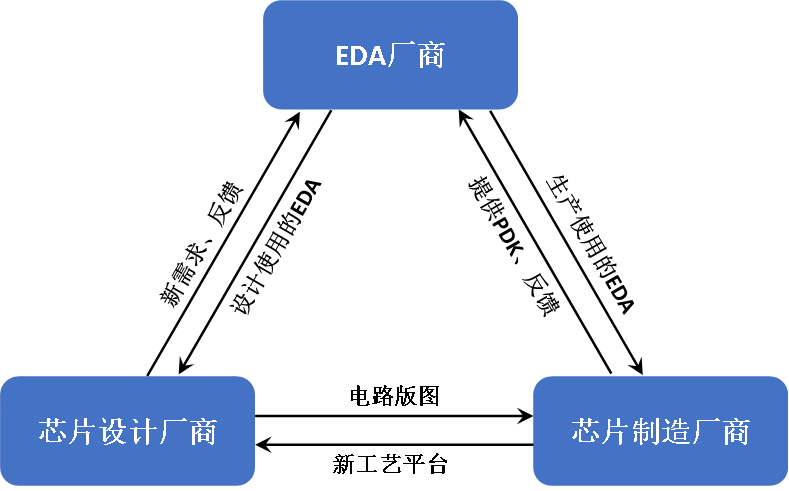
Macro Perspective - On October 10, 2025, President Trump announced a 100% tariff on goods imported from China, effective November 1, as a response to China's export controls on rare earths [2][6] - In the first eight months of this year, China's exports increased by 4.6% year-on-year, while imports grew by 2.5%. However, exports to the US fell by 15.5% [2] - The escalation of tariffs could further pressure Chinese exports, but growth in non-US markets may provide some buffer against domestic economic impacts [2][3] Strategy Perspective - The announcement of reciprocal tariffs in April led to stable performance in sectors like daily consumption and public utilities, which could serve as short-term hedges against uncertainty [4] - Certain manufacturing sectors, such as passenger vehicles and white goods, are expected to be more resilient to tariff impacts due to capacity expansion overseas [4] Fixed Income Perspective - The new tariffs have sparked concerns about market volatility, with potential implications for asset prices. Observing the implied volatility in the options market may provide insights into market sentiment [5][6] - The impact of the tariffs on the domestic capital market is expected to be limited, with the possibility of tariff cancellation or reduction remaining [6] Pharmaceutical Industry Perspective - China's pharmaceutical exports to the US were valued at $19 billion in 2024, with a 12% increase, while imports were $15.1 billion, down 4.6% [8] - The tariff impacts are expected to primarily affect companies with significant US market exposure, particularly in innovative drugs and medical devices [8] Computer Industry Perspective - Domestic software products have gained traction in government and financial sectors, with a shift towards enterprise applications [12] - The urgency for domestic alternatives in EDA software has increased due to trade tensions, with local vendors beginning to gain competitive ground [13] Semiconductor Industry Perspective - The trade tensions have accelerated the push for domestic semiconductor production, particularly in areas with high external dependency [13][14] - The domestic semiconductor equipment sector has made significant progress, with local manufacturers entering mainstream production lines [14] Metals Industry Perspective - The market's acceptance of tariff expectations is higher than before, suggesting that after initial panic, opportunities in non-ferrous metals may become more pronounced [7][9] - Strategic metals are increasingly important in the context of US-China relations, highlighting potential investment opportunities in this sector [10]
外汇周报:贸易风险抬头,汇率未现突破-20251012
Hua Tai Qi Huo· 2025-10-12 13:29
Group 1: Market Analysis - USD/CNY - China's export growth in August 2025 slowed to 4.4% year-on-year, the lowest in six months, and exports to the US declined by about 33.1% year-on-year. Import growth was weak, and overall import-export momentum weakened [1]. - Trump announced on October 10 that an additional 100% tariff on Chinese goods would be imposed starting from November 1, signaling an escalation of Sino-US trade friction. This increases external pressure on the RMB, and there is a risk of RMB depreciation if the tariffs are eventually implemented [1]. - The new tariff proposal increased the short - term market demand for the US dollar as a safe - haven asset. The US dollar index attempted to rebound this week, but the increase narrowed without breaking through major resistance levels [1]. - The Fed's meeting minutes continued to send a dovish signal, with officials inclined to further interest rate cuts in the future, but inflation risks and balance - sheet adjustments were still widely concerned. Due to the partial government shutdown in the US, the release of core economic data was restricted, limiting the US dollar's upward momentum [1]. Group 2: Fundamental Analysis of Exchange Rates - Economic expectation differentials are favorable for the RMB. There is a divergence in the market's view of the US dollar's future path due to the co - existence of economic growth and inflation. China has policy intervention and domestic demand support despite export and manufacturing downward pressure [2]. - The Sino - US interest rate differential is favorable for the RMB. With the decline of short - term US interest rates and China not significantly cutting interest rates, the interest rate differential may tilt towards the RMB [2]. - Trade policy uncertainty is favorable for the US dollar. Trump's announcement of a 100% tariff on Chinese imports starting from November 1 signals an escalation risk of trade friction, which may trigger short - term exchange rate fluctuations [2]. Group 3: Other Currencies - The euro is under new downward pressure due to political upheaval in France. The resignation of French Prime Minister Lecornu and the subsequent attempt to form a new cabinet have raised questions about the stability of the French government, weakening market confidence in the eurozone's fiscal policy implementation and causing the euro to be under pressure against the US dollar [3]. - The Japanese yen has come under pressure recently. After conservative politician Takaichi Sanae was elected as the new leader of the Liberal Democratic Party, the market generally expects more stimulative economic policies, leading to an increase in long - term bond yields. On the day of Takaichi's victory, the yen fell more than 1.9% against the US dollar to 150.35, the largest single - day decline in five months. The widening of the US - Japan interest rate differential and carry - trade sentiment have further exacerbated the pressure on the yen [3]. Group 4: Strategies - For the USD/CNY exchange rate, during the window period when the tariff suspension is extended to November, the exchange rate is likely to remain in the range of 7.10 - 7.20 in the short term. Key factors to watch include the Fed's interest rate movements, US employment and inflation data, and the implementation of Sino - US trade policies [4]. - The euro is expected to be weak against the US dollar in the short term due to the weak eurozone economy, limited policy space, and political instability in France [4]. - The USD/JPY exchange rate may continue its upward trend in the short term due to changes in the Japanese political situation, the widening interest rate differential, and carry - trade flows. However, if the Bank of Japan intervenes or changes its policy, it may resist the upward momentum of the US dollar [5].