
反内卷

Search documents
掘金有色,把握主线:有色及贵金属月度策略(第15期)-20260201
Guo Tai Jun An Qi Huo· 2026-02-01 08:18
Report Industry Investment Rating No information provided in the content. Core Viewpoints of the Report - In 2026, hold non - ferrous metals, oil and gas, and rare earths until the US economy faces a recession crisis. The long - end interest rate in the US is likely to rise, and the US economy may overheat. The macro market's political volatility will decline, and the trading will focus on economic and policy factors. Gold is expected to reach around $6,000 per ounce, and silver's high is expected to be around $120 per ounce. Copper prices are expected to remain firm due to Fed rate cuts and supply - demand gaps. The electrolytic aluminum market may have an upward trend, with a global supply shortage [10][35][98]. Summary by Directory Asset Allocation: Macroeconomic Contradictions and Allocation Strategies - The US Treasury drives currency and inflation. The continuous growth of US Treasury debt is backed by GDP. Since 2000, the US government's expenditure/GDP ratio has been rising, and the deficit rate is high. If the stock market has a crisis, it may bring opportunities for commodities. The sensitivity of non - ferrous metals to interest rates has increased since 2020, and the game between the Fed and global commodity inflation has intensified [4][13]. - In 2026, hold non - ferrous metals, oil and gas, and rare earths. The US economy may overheat, and the long - end interest rate is likely to rise. The macro market's political volatility will decline, and trading will focus on economic and policy factors [10][35]. Precious Metals: Where Are Gold, Silver, Platinum, and Palladium Headed? - Gold is at a new starting point. Due to geopolitical risks and dovish Fed expectations, it is recommended to increase gold allocation, focus on unilateral long positions and call option strategies. For silver, it is recommended to take profit on long positions and consider long positions in the gold - silver ratio. In 2026, gold is expected to reach around $6,000 per ounce, and silver is expected to have a high of around $120 per ounce [29][35]. - Platinum and palladium are driven by the precious metals sector. They have strong follow - up elasticity but are also affected by the callback of gold and silver. The current upward trend of platinum is relatively healthy, and there is a possibility of a new high. Palladium may have supplementary upward momentum [36]. Copper: How to Choose the Trading Mode under the Background of Weak Reality and Strong Expectations? - In terms of trading, copper price volatility has declined, and the positions of SHFE and LME copper are at historical highs. The term structure of SHFE copper has weakened, and the spot import loss has narrowed. Globally, the total copper inventory is at a historical high, and the LC spread has narrowed [37][44][48]. - The global copper mine supply in 2025 was lower than expected, and the increase in 2026 is limited. The supply disturbance has increased, mainly due to factors such as reduced ore grades, strikes, and geopolitics. The domestic smelting capacity is expanding, and the refined copper output is expected to increase by 68.75 million tons in 2026 [62][66][69]. - In terms of consumption, high - quality consumption such as AI computing centers and new energy consumption contribute significantly to copper consumption. The "14th Five - Year Plan" in China supports power grid investment, which will drive copper consumption. Traditional industries also show an increase in copper consumption, but there are differences among countries [75][80][92]. - The global refined copper supply will shift from surplus in 2025 to a shortage in 2026. It is expected that the global copper supply will have a shortage of 197,000 tons in 2026, and the Chinese market will have a shortage of 191,500 tons. Copper prices are expected to remain firm in 2026 [95][96][98]. Electrolytic Aluminum: How to Grasp the Contradictions and Rhythms after the Abnormal Breakthrough? - In 2025, the electrolytic aluminum market was in a state of shock convergence. In the fourth quarter, the stock - futures linkage opened up the upward elasticity. In 2026, it is expected that the market will continue the upward - looking trend, with a global supply shortage of 420,000 - 760,000 tons. The short - term rhythm needs to pay attention to the decline in photovoltaic enterprise production, and the risks include macro - recession and over - production in Indonesia [100][101][104]. - Currently, the Shanghai aluminum is in a high - level shock, with a neutral - strong position. The short - term micro - demand is weak, but the macro - risk preference is optimistic, and it has marginal upward momentum [110]. Over - the - Counter Options: How to Use Option Hedging Tools under High Volatility and High Prices? - For long positions, when the price is high, consider replacing with in - the - money call options to retain the upside potential and control the maximum drawdown. You can also use spread options to optimize costs with a capped upside [118][122]. - For selling hedging of inventory, consider buying put collar options to optimize the hedging cost, limit inventory price fluctuations between $100,000 - $120,000, and receive an option premium of $150 per ton [126].
黑色分析师:李亚飞投资咨询号:Z0021184日期:2026年02月01日
Guo Tai Jun An Qi Huo· 2026-02-01 07:21
1. Report Industry Investment Rating - Not provided in the report 2. Core Viewpoints of the Report - The raw materials are strong while the steel products are weak, leading to the compression of steel - making profits [3] - The "Three Red Lines" constraint has been alleviated, and the real - estate market expectation has improved. The macro - environment is generally warm [5] - The black industry chain: Steel mills are replenishing stocks for winter storage, and there are still low - level buying orders for steel - making raw materials. The supply - demand pattern of steel is loose, but the cost provides support, and the price fluctuates widely. Currently, steel production and inventory are being reduced, creating conditions for subsequent positive feedback [5] 3. Summary According to Relevant Catalogs 3.1 Overall Market Data - **Supply, Demand, and Inventory**: The report provides supply, demand, inventory data, as well as spot and futures prices and spreads for various steel products such as iron water, scrap steel, rebar, wire rod, hot - rolled coil, cold - rolled coil, and medium - thick plate on January 30, 2026, including week - on - week and year - on - year differences [4] 3.2 Rebar Fundamental Data - **Basis and Spread**: Last week, the Shanghai rebar spot price was 3250 (-20) yuan/ton, the 05 - contract price was 3128 (-14) yuan/ton, the 05 - contract basis was 122 (-6) yuan/ton, and the 05 - 10 spread was -49 (-3) yuan/ton. It shows a situation of weak reality and strong expectation, with basis and spread reverse arbitrage [13][17] - **Demand**: New - home sales remain at a low level, indicating low market confidence. Second - hand home sales remain at a high level, reflecting the existence of rigid demand. Land transaction area also remains at a low level. It is the traditional off - season, and demand has declined [18][21] - **MS Weekly Data**: Supply and demand are both weak, and inventory is healthy. It also shows the supply and inventory data of long - and short - process rebar [23][25] - **Production Profit**: Last week, the rebar spot profit was 129 (-32) yuan/ton, and the main - contract profit was 130 (-12) yuan/ton. Due to the expected resumption of production by steel mills and inventory replenishment, the disk profit has shrunk [28] 3.3 Hot - Rolled Coil Fundamental Data - **Basis and Spread**: Last week, the Shanghai hot - rolled coil spot price was 3270 (-20) yuan/ton, the 05 - contract futures price was 3288 (-17) yuan/ton, the 05 - contract basis was -18 (-3) yuan/ton, and the 05 - 10 spread was -23 (-4) yuan/ton. It shows a situation of weak reality and strong expectation, with basis and spread reverse arbitrage [32][36] - **Demand**: Demand is flat. It is the traditional off - season, and demand has declined. The profit window for exports has not opened, and export orders have decreased [37][38] - **MS Weekly Data**: Hot - rolled coil inventory is high, and production and inventory are being reduced. Production is maintained at a low level [43][44] - **Production Profit**: Last week, the hot - rolled coil spot profit was -13 (-31) yuan/ton, and the main - contract profit was 140 (-15) yuan/ton. Due to the expected resumption of production by steel mills and inventory replenishment, the disk profit has shrunk [46][49] 3.4 Variety Regional Differences - The report shows the regional price differences of rebar, cold - rolled coil, hot - rolled coil, and medium - thick plate, including the price differences between different regions such as Shanghai - Tianjin, Tianjin - Guangzhou, and Shanghai - Guangzhou [55] 3.5 Cold - Rolled and Medium - Thick Plate Supply, Demand, and Inventory Data - It provides the seasonal data of total inventory, production, and apparent consumption of cold - rolled coil and medium - thick plate from 2022 to 2026 [63][64]
欲速则不达
GOLDEN SUN SECURITIES· 2026-02-01 06:51
Investment Rating - The report maintains a "Buy" rating for several key companies in the steel sector, including Hualing Steel, Nanjing Steel, Baosteel, and New Steel [8]. Core Insights - The steel industry is experiencing a slight decline in daily molten iron production, with the average dropping to 227.9 thousand tons, while steel production has seen a minor increase [13]. - Total steel inventory has expanded, with a week-on-week increase of 1.7%, indicating a growing supply in the market [23]. - Apparent consumption of steel has weakened slightly, with rebar demand decreasing by 13.4% week-on-week [39]. - Iron ore prices are trending downwards, influenced by increased shipments from Australia and Brazil, alongside rising port inventories [48]. - The current steel price index has decreased by 0.2% week-on-week, reflecting a general weakening in the market [72]. Summary by Sections 1. Supply - Daily molten iron production has decreased by 0.2 thousand tons to 227.9 thousand tons, with a slight recovery in steel production [13]. - The capacity utilization rate of 247 steel mills is at 85.5%, down 0.1 percentage points week-on-week but up 0.8 percentage points year-on-year [17]. 2. Inventory - The total inventory of five major steel products has increased by 1.7% week-on-week, with social inventory rising to 890.7 thousand tons [25]. - Rebar social inventory has increased by 7.7% week-on-week, while hot-rolled coil inventory has decreased by 1.0% [25]. 3. Demand - Apparent consumption of five major steel products has decreased by 1.0% week-on-week, with rebar consumption down by 4.9% [49]. - Weekly average transaction volume for construction steel has dropped to 67 thousand tons, a decline of 13.4% [41]. 4. Raw Materials - Iron ore prices have weakened, with the Platts 62% iron ore price index at $103.2 per ton, down 1.4% week-on-week [58]. - The total port inventory of iron ore has increased by 1.5% week-on-week, indicating a supply surplus [58]. 5. Prices and Profits - The comprehensive steel price index has decreased to 121.6, reflecting a 0.2% decline week-on-week [72]. - The current profit margins for long-process rebar and hot-rolled coils are negative, indicating cost pressures in the industry [74].


价格继续抑制需求
CAITONG SECURITIES· 2026-02-01 06:45
Group 1: Economic Indicators - The manufacturing Purchasing Managers' Index (PMI) for January is 49.3%, down 0.8 percentage points from the previous month, indicating a return below the growth threshold[3][7]. - The new export orders index and new orders index for January are 47.8% and 49.2%, respectively, down 1.2 and 1.6 percentage points from last month, both remaining below the growth threshold[5][13]. - The production expansion speed has slowed, with the manufacturing PMI at 50.6%, down 1.1 percentage points from the previous month, still above the growth threshold[16]. Group 2: Inventory and Pricing Dynamics - The finished goods inventory index for January is 48.6%, up 0.4 percentage points from last month, slightly above seasonal levels; the raw materials inventory index is 47.4%, down 0.4 percentage points, below seasonal levels[17][21]. - The price scissors difference between raw material purchase prices and factory prices is 5.5%, up 1.3 percentage points from last month, indicating further compression of profit margins for enterprises[20][23]. - The main raw material purchase price index is 56.1%, up 3.0 percentage points from last month, reflecting significant price increases in the commodity market[20]. Group 3: Demand Weakness and Risks - External demand is weakening due to changes in trade policies and a decline in the U.S. consumer confidence index, which fell from 94.2% to 84.5%, the lowest since May 2014[15]. - Internal demand is also showing signs of weakness, with the difference between new orders and new export orders dropping from 1.8% in December 2025 to 1.4% in January 2026[15]. - Risks include potential underperformance of domestic policy measures, unexpected changes in international geopolitical situations, and measurement errors in PMI indicators related to anti-involution industries[40].
1月PMI数据点评:制造业供、需指数均有回落
Bank of China Securities· 2026-02-01 06:01
Manufacturing Sector - January Manufacturing PMI index decreased to 49.3%, down 0.8 percentage points from December, indicating a contraction in manufacturing activity[1] - New orders index fell to 49.2%, a decrease of 1.6 percentage points, while new export orders index dropped to 47.8%, down 1.2 percentage points[1] - Production index stood at 50.6%, down 1.1 percentage points; raw material inventory index at 47.4%, down 0.4 percentage points; finished goods inventory index increased to 48.6%, up 0.4 percentage points[1] - Employment index decreased to 48.1%, down 0.1 percentage points; supplier delivery time index slightly declined to 50.1%, down 0.1 percentage points[1] Price and Demand Indicators - Major raw material purchase price index remained high at 56.1%, up 3.0 percentage points; manufacturing output price index increased by 1.7 percentage points[2] - The demand for black metal smelting and specialized equipment manufacturing showed improvement in new orders, indicating potential growth in fixed asset investment[2] - January non-manufacturing PMI index fell to 49.4%, down 0.8 percentage points, indicating a contraction in the service sector[3] Construction Sector - January construction PMI index dropped to 48.8%, a significant decline of 4.0 percentage points; new orders index fell to 40.1%, down 7.3 percentage points[3] - Employment index in construction slightly improved to 41.1%, up 0.1 percentage points; business activity expectation index decreased to 49.8%, down 7.6 percentage points[3]
2026年1月PMI数据解读:1月PMI:生产蓄力开门红
ZHESHANG SECURITIES· 2026-02-01 04:10
Group 1: PMI Overview - The manufacturing PMI for January 2026 is 49.3%, a decrease of 0.8 percentage points from the previous month, indicating a return to contraction territory[1] - The production index remains in the expansion zone at 50.6%, despite a decline of 1.1 percentage points, showing ongoing manufacturing activity[2] - The comprehensive PMI output index is 49.8%, reflecting a general slowdown in economic activity as the Spring Festival approaches[1] Group 2: Sector Performance - The consumer goods manufacturing index fell below 50% to 50%, dragging down the overall production index due to weak market demand, particularly in textiles and apparel[2] - High-tech manufacturing PMI stands at 52%, maintaining expansion for 12 consecutive months, with production and new orders close to 54%[2] - Large enterprises have a PMI of 50.3%, while small and medium-sized enterprises show a decline with PMIs of 48.7% and 47.4%, respectively[2] Group 3: Demand and Pricing Trends - The new orders index is at 49.2%, down 1.6 percentage points, indicating a slowdown in both domestic and external demand[3] - The main raw materials purchase price index is 56.1%, and the factory price index is 50.6%, both showing increases due to rising commodity prices[4] - The proportion of manufacturing firms reporting insufficient market demand is 54.9%, a decrease of 9.4 percentage points from the previous month, suggesting a stabilization in market demand[3]
策略周末谈(0201):大炼化,下一个有色
Western Securities· 2026-02-01 03:18
Group 1 - The underlying logic of the non-ferrous metals, liquor, and large refining sectors is interconnected, driven by the anticipated liquidity from the Federal Reserve's QE in 2026, which is expected to enhance the super cycle of commodities [1][10] - The current investment in the large refining sector is likened to the investment in non-ferrous metals last year, with expectations of a significant price increase in oil and chemical products by 2026, following the patterns observed in the non-ferrous sector [2][14] - The "anti-involution" trend in China is contributing to the upward momentum in the large refining sector, as capital expenditure is being restrained, leading to a significant slowdown in new capacity additions and a clearing of inventories, which supports future price elasticity [3][16] Group 2 - The large refining sector is still at a low valuation level, with significant room for valuation recovery compared to the non-ferrous sector, which has already experienced a systematic valuation increase [4][21] - Recent inflows from public funds, foreign investments, and ETFs into the large refining sector indicate a timely opportunity for investment, as the sector is positioned for a major upward trend [6][27] - The upcoming Federal Reserve QE in 2026 is expected to create a favorable environment for the large refining sector, alongside the anticipated recovery in consumer demand and high-end manufacturing sectors [7][37]
投顾周刊:黄金主题基金总规模已近3800亿元
Sou Hu Cai Jing· 2026-02-01 01:05
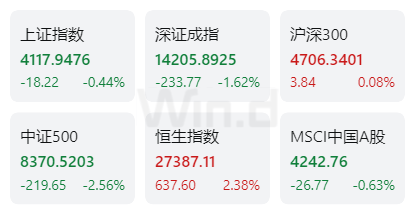
Group 1: Gold Theme Funds - The total scale of gold theme funds has approached 380 billion yuan, with an increase of nearly 100 billion yuan this year, representing a growth rate of 35.7% [1] - Among the 53 gold theme funds, the largest product has surpassed 120 billion yuan, becoming the first gold theme fund in the market to reach the trillion yuan level [1] - 18 products have achieved a net value growth of over 30% within the year [1] Group 2: Photovoltaic Industry - The Ministry of Industry and Information Technology held a symposium emphasizing "anti-involution" to promote healthy competition in the photovoltaic industry [1] - The ministry plans to use capacity regulation, price enforcement, and measures to prevent monopoly risks to guide the industry back to rational development [1] Group 3: Banking Sector - Small and medium-sized banks face a countdown to scale reduction or complete withdrawal from self-operated wealth management as the market is projected to grow significantly by 2025 [1] - Data shows that self-operated wealth management products decreased by over 100 billion yuan last year, with a total scale of 2.58 trillion yuan at the end of last year, a year-on-year decline of 29.12% [1] Group 4: AI Model Competition - ByteDance plans to release three new AI models next month, covering large language models, image generation, and video generation, to challenge Alibaba's market position [2] - Alibaba is set to launch its flagship model Qwen 3.5, which boasts strong mathematical and coding capabilities, intensifying competition in the domestic AI model market [2] Group 5: Gold Price Forecast - Citigroup's latest annual commodity outlook report suggests that gold could rise to 6,000 USD per ounce in a bull market scenario, driven by wealth reallocation and supply rigidity [2] - Deutsche Bank believes that a weaker dollar, structural supply-demand imbalances, and geopolitical risks are likely to push gold prices to 6,000 USD per ounce this year [2] Group 6: Private Fund Market - By the end of 2025, the scale of existing private equity funds in China is expected to reach a historical high of 22.15 trillion yuan, with private securities investment funds reaching 7.08 trillion yuan [2] Group 7: Federal Reserve and Economic Outlook - The Federal Reserve maintained its benchmark interest rate at 3.50%-3.75%, aligning with market expectations, while a candidate for the Fed chair supports a 25 basis point rate cut [3] - The Fed noted signs of stabilization in the unemployment rate, but inflation remains relatively high, and economic uncertainty persists [3] Group 8: Global Market Insights - The CEO of Norway's sovereign wealth fund expressed concerns about global division and sovereign debt levels, highlighting the fund's value's connection to AI stocks [3] - Recent global stock market performance has been mixed, with the Hang Seng Index up 2.38% and the S&P 500 Index up 0.34% [3]

1月制造业PMI点评:关注价的积极信号
Huachuang Securities· 2026-01-31 14:45
1. Report Industry Investment Rating No information about the industry investment rating is provided in the report. 2. Core Viewpoints - In January 2026, China's official manufacturing PMI was 49.3%, a month - on - month decrease of 0.8pct; the official non - manufacturing PMI was 49.4%, also a month - on - month decrease of 0.8pct; the composite PMI output index was 49.8%, a decrease of 0.9pct from the previous month. The PMI returned below the boom - bust line due to factors such as demand overdraft at the end of the previous year, early holiday closures around the Spring Festival, and the impact of cold snaps on construction demand [5][8]. - Positive signals include the simultaneous recovery of price indices and a continued decline in the proportion of enterprises reporting insufficient demand in January, indicating that the direction of demand stabilization remains unchanged [5][11]. - For the bond market, the decline in PMI is affected by short - term factors. The price increase expectations brought by the transformation of new and old driving forces and "anti - involution" are difficult to disprove for the time being. The PMI may continue to weaken in February during the Spring Festival, but the "Golden March" may see a strong recovery, and attention should be paid to the potential impact of fundamental data on bond market expectations [5][12]. 3. Summary by Directory 3.1 Manufacturing PMI: Short - term factors lead to a return to the contraction range 3.1.1 Supply and Demand: Orders decline more deeply while production remains in expansion - New orders dropped to 49.2% in January, returning to the contraction range, reflecting the demand overdraft effect from the previous month. The month - on - month decline in new orders was 1.6pct, lower than most previous periods but better than January 2025. Domestic demand orders slowed down more significantly than new export orders [15]. - Production slowed down but remained in the expansion range. In January, production decreased by 1.1pct month - on - month to 50.6%. The decline in production was due to pressure on the demand side, and the production index of the consumer goods manufacturing industry dropped below the boom - bust line, while the production of new - driving - force industries remained highly prosperous, increasing the differentiation [16]. 3.1.2 Foreign Trade: Strong imports and weakening export orders - New export orders decreased by 1.2pct month - on - month to 47.8%, with the contraction intensifying. Factors such as new US tariffs on some high - tech manufacturing products, trade tariff frictions between the US and Europe, and the approaching Spring Festival led to a slowdown in the growth of new export orders. However, imports increased by 0.3pct month - on - month to 47.3%, showing a stable improvement for three consecutive months [20]. 3.1.3 Price: Both purchase and ex - factory prices rise, but profits may still be squeezed - In January, the raw material purchase price and ex - factory price increased by 3.0pct and 1.7pct month - on - month to 56.1% and 50.6% respectively. The ex - factory price returned above the boom - bust line for the first time since May 2024. However, the increase in the ex - factory price was less than that of raw materials, indicating limited downstream demand to absorb price increases and potential pressure on corporate profits [24]. 3.1.4 Inventory: Slower destocking of finished products - Raw material inventory decreased by 0.4pct month - on - month to 47.4%, indicating that production remained prosperous and procurement slowed down, with a relatively faster digestion of raw materials. Finished product inventory increased by 0.4pct month - on - month to 48.6%, with the destocking pressure rising for three consecutive months [28]. 3.2 Non - manufacturing PMI: Seasonal factors affect construction, leading to a significant slowdown in construction activities - In January, the non - manufacturing PMI was 49.4%, a month - on - month decrease of 0.8pct. The service industry PMI decreased by 0.2pct month - on - month to 49.5%, and the construction industry PMI decreased by 4.0pct month - on - month to 48.8%, shifting from expansion to contraction [29]. - The slowdown in construction activities was due to cold weather and the approaching Spring Festival. Construction projects entered the off - season, and investment demand is expected to be further released after the Spring Festival in February [29]. - The service industry showed potential demand and industry differentiation. In January, the financial industry in the service sector was highly prosperous, while industries such as the Internet and railway transportation declined, and the retail and catering industries remained in the contraction range. The Spring Festival holiday may boost the consumer service industry in February [32].
2026年中国经济形势展望:新质驱动,能级跃-ciic中智咨询
新经销· 2026-01-31 09:40
Economic Outlook - China's GDP is expected to maintain a growth rate of around 5% in 2026, shifting from high-speed growth to high-quality development driven by new productivity[8] - Fixed asset investment (excluding rural households) is projected to decline by 3.8% in 2025, with private investment decreasing by 6.4%[13] - The retail sales of consumer goods in 2025 are anticipated to grow by 3.7%, with service retail sales increasing at a faster rate than goods[13] Investment and Consumption Trends - Investment is transitioning from real estate to strategic projects and high-tech manufacturing, with a focus on equipment upgrades, green energy, and new infrastructure[8] - Consumption is exhibiting a "hollow" structure, with high-end experiences and cost-effective options gaining strength, while the mid-market faces pressure[8] Foreign Trade and Reform - Exports are evolving from "new three samples" to "new new three samples," with diversification towards the Belt and Road Initiative and high-value-added products[8] - State-owned enterprise reforms are focusing on strategic missions and technological innovation, while local debt resolution and urban investment transformation are entering a "systematic" phase[8] Risks and Opportunities - Risks include insufficient demand and weak prices, with CPI and PPI remaining low, reflecting fragile domestic recovery[14] - Opportunities lie in investments in new productivity sectors such as high-tech manufacturing and green energy, as well as the growth of service and county-level consumption, which is expected to exceed 40%[14]