金属

Search documents
铜冠金源期货商品日报-20260107
Tong Guan Jin Yuan Qi Huo· 2026-01-07 01:59
1. Report Industry Investment Rating No relevant content provided. 2. Core Views of the Report - Geopolitical risks are escalating globally, leading to an upward trend in resource prices. Precious metals, copper, and other commodities are showing strong performance. The market is influenced by factors such as geopolitical conflicts, Fed's monetary policy expectations, and supply - demand fundamentals [2][3][5]. - In the short term, most commodity prices are expected to maintain a volatile or upward - trending pattern, but there are also risks such as capital outflows and weak demand in some sectors [6][10][15]. 3. Summary by Commodity Precious Metals - Geopolitical risks from events like the US' strategic intervention in Greenland and the situation in Venezuela are driving up precious metal prices. Silver has set a new high. The long - term outlook for precious metals remains positive, but short - term price fluctuations will be intense [3][4]. - On Tuesday, COMEX gold futures rose 1.22% to $4505.70 per ounce, and COMEX silver futures rose 5.95% to $81.22 per ounce [3]. Copper - Dovish voices suggest that the Fed may cut interest rates by more than 100 basis points this year. The copper price is oscillating upwards. Although the spot market trading is sluggish and inventories are rising, supply disruptions from strikes in Chile and a tight supply - demand balance are expected to keep the copper price at a high level in the short term [5][6]. - On Tuesday, the Shanghai copper main contract continued its strong upward trend, and LME copper broke through $13,000 without showing signs of adjustment [5]. Aluminum - The aluminum price is strongly influenced by short - term capital and sentiment. Although the supply - demand fundamentals show an increase in supply and a decrease in demand, in the context of the Fed's expected interest - rate cut cycle, capital continues to flow into the aluminum market, leading to a strong performance of the aluminum price [7]. - On Tuesday, the Shanghai aluminum main contract closed at 24,395 yuan/ton, up 3.26% [7]. Alumina - The alumina spot price is still weak, but due to the expectation of maintenance and production cuts by loss - making enterprises after the execution of long - term contracts in January and the overall strength of the non - ferrous sector, the alumina futures have rebounded. However, the rebound may limit the scale of production cuts [8]. - On Tuesday, the alumina futures main contract closed at 2,818 yuan/ton, up 0.9% [8]. Cast Aluminum - The continuous sharp rise in copper and aluminum prices has pushed up the cost of recycled aluminum raw materials, driving up the spot price of cast aluminum. Although the demand is weak, the inflow of capital has supported the cast aluminum price to be strong recently [9]. - On Tuesday, the cast aluminum alloy futures main contract closed at 22,995 yuan/ton, up 2.29% [9]. Zinc - Driven by capital, the zinc price has continued to rise. The geopolitical conflict has brought resource premiums, and the price hitting a nearly 10 - year high in China has boosted capital's enthusiasm for long - positions. However, the fundamentals are mixed, and chasing the rise requires caution [10]. - On Tuesday, the Shanghai zinc main contract 2602 continued its strong intraday trend and oscillated at a high level at night [10]. Lead - With the market maintaining a bullish atmosphere, the rise of LME lead has driven up the Shanghai lead price. The supply - demand is weak on both sides, but the low inventory provides support. The lead price is expected to continue to rise slowly in the short term [11]. - On Tuesday, the Shanghai lead main contract 2602 moved up during the day and continued to rise at night [11]. Tin - In the context of resource risk premiums, capital enthusiasm has pushed the tin price back to a strong level. Although the raw material supply disturbances have eased, the seasonal decline in Indonesian refined tin exports and the reduction in domestic supply in January support the price. However, the downstream demand is weak, and attention should be paid to inventory changes [13]. - On Tuesday, the Shanghai tin main contract 2602 rose strongly during the day and continued to rise at night [12]. Industrial Silicon - The market sentiment is high, and the industrial silicon price has rebounded. The supply is marginally shrinking, and the demand is also weak. The overall inventory has slightly decreased, and the futures price is expected to maintain a strong oscillation in the short term [14][15]. - On Tuesday, the industrial silicon main contract rebounded slightly [14]. Steel (Rebar and Hot - Rolled Coil) - The supply - demand of steel is in a weak balance. The off - season demand suppresses the price, while inventory reduction provides support. With positive macro - expectations, the steel price is expected to oscillate and rise in the short term [16]. - On Tuesday, steel futures rose. The trading volume of steel in the spot market was 96,000 tons [16]. Iron Ore - The iron ore price is supported by the expectation of pre - holiday restocking. Although the supply is abundant due to the year - end shipping rush by overseas miners, the change in the South American situation has worried the market about supply, leading to an oscillating rebound of the futures price [17][18]. - On Tuesday, iron ore futures rose. The trading volume of iron ore in the spot market was 1.33 million tons [17]. Coking Coal and Coke (Double - Coking) - The fundamentals lack strong drivers. The decline in raw coal prices has narrowed, supporting the coke price, and the downstream procurement demand has recovered. After the holiday, coal mine production has increased slightly. The steel mills' procurement is still cautious, and the double - coking price is expected to oscillate and rebound [19]. - On Tuesday, double - coking futures rebounded [19]. Soybean Meal and Rapeseed Meal - South American weather is favorable for crop growth, maintaining the expectation of a bumper harvest. The US soybean export sales progress is slow, and the external market is under pressure. The trading volume of soybean meal has increased, and it is expected to oscillate in the short term [20][21]. - On Tuesday, the soybean meal 05 contract rose 1.09% to 2,776 yuan/ton, and the rapeseed meal 05 contract rose 1.06% to 2,390 yuan/ton [20]. Palm Oil - The palm oil price is waiting for the guidance of the MPOB report. The production in Malaysia in early January decreased significantly, while exports improved moderately. With positive macro - sentiment and weak oil prices, the palm oil price is expected to oscillate within a range in the short term [22][23]. - On Tuesday, the palm oil 05 contract rose 0.09% to 8,500 yuan/ton [22].
别只盯着黄金!全球通胀背景下,这3种冷门资产正被机构悄悄买入
Sou Hu Cai Jing· 2026-01-05 23:15
Core Viewpoint - Global inflation remains persistent, prompting investors to seek anti-inflation assets, with a notable shift towards three lesser-known asset classes beyond traditional gold investments [1] Group 1: Inflation-Linked Bonds - Inflation-linked bonds are highlighted as a "hidden shield" against inflation, offering returns that are directly tied to the Consumer Price Index (CPI), thus providing higher interest as inflation rises [3] - The issuance of domestic inflation-linked bonds is projected to increase by 60% in 2025, with an institutional subscription rate reaching 95%, indicating strong demand [3] - These bonds allow ordinary investors to participate with a low entry threshold of 10 yuan, with annual returns expected to outperform CPI by 1-2 percentage points [3][4] Group 2: Infrastructure Funds - Infrastructure funds, which invest in sectors like energy, transportation, and digital infrastructure, are seen as a "long-term ticket" due to their stable cash flow and ability to adjust pricing with inflation [5] - A report from UBS indicates that 35% of global billionaires are increasing their allocations to infrastructure assets, with Chinese clients particularly active, expecting stable returns of 5%-6% [5] - The scale of domestic infrastructure funds has surpassed one trillion yuan in 2025, with many products offering dividend rates above 4% and good liquidity for both long-term holding and immediate cash needs [5] Group 3: Strategic Minor Metals - Strategic minor metals, such as rare earths, cobalt, and lithium, are emerging as potential investment targets due to their critical role in new energy vehicles and renewable energy sectors, with a projected 25% increase in global demand by 2025 [6] - The supply of these metals is constrained, leading to rising prices, and institutions are quietly positioning themselves through related thematic funds to hedge against inflation while benefiting from industrial upgrades [6] - Ordinary investors are advised to consider funds focused on green energy demand for these minor metals, which, despite higher volatility, offer significant long-term return potential [6]

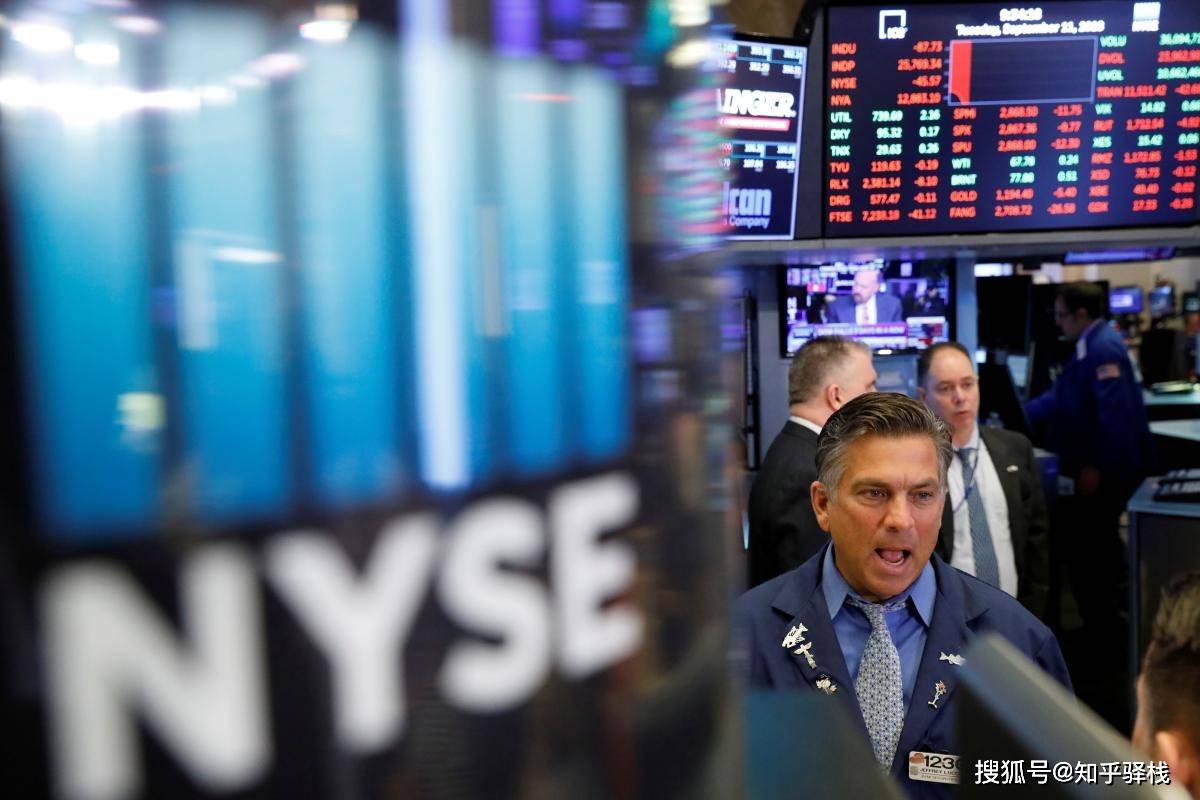
金丰来:避险情绪推高金价
Xin Lang Cai Jing· 2026-01-05 10:10
Core Viewpoint - The rapid increase in gold prices is driven by heightened global market risk aversion, influenced by geopolitical events, particularly U.S. military actions in Venezuela, which have created new uncertainties in energy supply and market risk tolerance [1][3]. Price Structure and Market Confidence - Gold prices have shown resilience after a previous high-level pullback, indicating strong medium to long-term confidence in gold as an asset [1][3]. - A significant price increase in gold is expected by 2025, with potential for normal profit-taking phases, but the overall outlook remains positive due to supportive liquidity and risk aversion factors [1][3]. Geopolitical and Economic Factors - U.S. military actions in Venezuela have impacted market risk tolerance and created uncertainties in energy supply, which may lead investors to increase gold holdings as a hedge against potential volatility [1][3]. - The linkage between energy markets and macro inflation expectations suggests that increased uncertainty will drive funds towards gold [1][3]. Long-term Support for Gold - The fundamental support for gold remains intact, driven by expectations of declining interest rates, increasing official reserves, and insufficient global economic growth momentum, all of which are favorable for gold prices in the medium to long term [1][3]. - Even with short-term volatility, as long as core supportive factors are not disproven, gold is expected to maintain a strong operational pattern [1][3]. Broader Commodity Market Sentiment - The simultaneous rise in other metals such as silver, platinum, and copper reflects a warming sentiment in the overall commodity market, driven by both risk aversion and a reassessment of future demand and liquidity conditions [2][4]. - Gold remains a key emotional barometer for market sentiment, with its price movements serving as an important reference for assessing overall market risk appetite [2][4].
国信证券:港股修复行情已开启 AI方向仍将被重点关注
智通财经网· 2026-01-05 06:05
Core Viewpoint - The market anticipates that the next interest rate cut by the Federal Reserve will be delayed until late April 2024, following the December rate cut, with a focus on employment data and inflation pressures [1][2]. Group 1: U.S. Economic Outlook - Inflation pressures are decreasing, and future focus will be on employment data due to the impact of government shutdowns on economic data quality [2]. - The real estate market is weak, and the employment market is relatively sluggish, indicating that inflation pressures will remain manageable in the near term [2]. Group 2: Domestic Market Focus - The two main themes that could change market expectations in 2026 are the release of the 14th Five-Year Plan during the Two Sessions and the continuous improvement of the Producer Price Index (PPI) [3]. - The 14th Five-Year Plan will provide clearer growth expectations and market capacity, while PPI improvements will be crucial for corporate profitability and market sentiment [3]. Group 3: Hong Kong Stock Market - The market outlook for the first half of 2026 is positive, driven by a weaker U.S. dollar and improved domestic liquidity, creating a dual-driven market [4]. - AI remains a key focus for 2026, with expectations for accelerated domestic semiconductor hardware production and increased AI application deployment, particularly in the Hang Seng Technology and Internet sectors [4]. - The recovery of corporate profits in 2026 is supported by a trend against excessive competition, benefiting upstream metals and certain industrial companies [4]. Group 4: Non-Banking Sector - Non-banking sector performance has been significantly upgraded recently, with insurance and brokerage firms expected to benefit from market stabilization [5]. Group 5: Innovative Pharmaceuticals and Consumer Sector - The innovative pharmaceutical sector shows stable performance and is worth holding, with potential for recovery upon the release of new business development projects [6]. - In the consumer sector, certain areas like collectible toys have seen valuations drop to around 15 times earnings for 2026, and ongoing government consumer subsidies are expected to support recovery [6].
A股市场将延续“慢牛”格局
Zheng Quan Shi Bao· 2026-01-04 17:30
Core Viewpoint - In 2026, the global debt issue will present three main solutions: real growth exceeding real interest rates (growth-based debt reduction), inflation exceeding expectations (inflation-based debt reduction), and fiscal tightening (fiscal-based debt reduction). Both AI and gold are expected to benefit from these paths, forming a dual mainline logic for asset performance [1] Group 1: A-Share Market Outlook - The A-share market is expected to maintain a "slow bull" pattern in 2026, driven by a profound change in corporate profit structures despite ongoing weakness in real estate, infrastructure, consumption, social financing, and PPI [1] - The net asset return on equity (ROE) for non-financial enterprises in the A-share market has stabilized over several quarters, with profits from eight advanced manufacturing industries now accounting for 38% of total profits [1] - Companies with overseas operations have seen their overseas revenue share increase to 20%, with overseas market gross margins exceeding domestic margins by 5 percentage points, which may drive a rebound in overall A-share ROE after stabilization [1] Group 2: Investment Directions - Investment focus should be on industries with constrained supply and clear prosperity trends, such as the AI industry chain, which has strong capital expenditure demand and limited short-term supply release [1] - Other sectors to consider include energy storage and metals, which have undergone capacity clearing [1] - Tactically, it is recommended to utilize market adjustments to position for the spring rally, prioritizing the aforementioned high-prosperity sectors [1]

周期论剑|新年周期打头阵-思路详解
2026-01-04 15:35
Summary of Key Points from Conference Call Industry Overview - **A-Share Market Performance**: The Shanghai Composite Index rose by 18.41% in 2025, indicating a positive market outlook for 2026, driven by expectations of U.S. interest rate cuts and increased liquidity in overseas markets [2][3]. - **Chemical Industry**: The chemical sector showed strong performance in 2025, with expectations of continued growth into 2026, as supply pressures ease and some products see price increases [10][11]. - **Aviation Industry**: The aviation sector experienced a 13% increase in passenger traffic during the New Year period, with ticket prices rising over 10% year-on-year. Future growth is anticipated due to low supply growth and recovering demand [6]. - **Oil Shipping Industry**: The oil shipping sector is at a four-year high, driven by increased oil production. The next five years are expected to see continued demand growth [8][9]. Core Insights and Arguments - **Market Trends**: The A-share market is expected to benefit from several factors, including anticipated U.S. interest rate cuts, a stable and appreciating RMB, and supportive policies for investment and real estate [2][3]. - **Price Increase Logic**: Price increases are emerging in sectors like chemicals and new energy materials due to improved demand and constrained supply. The TMT supply chain is also experiencing price hikes due to demand expansion [4]. - **Investment Recommendations**: - **Technology Growth**: Positive outlook for technology sectors, including internet, electronics, and power equipment [5]. - **Non-Banking Financials**: Favorable conditions for insurance and brokerage firms [5]. - **Cyclical Sectors**: Sectors benefiting from domestic demand and stable real estate policies, such as tourism and consumer goods, are recommended [5]. Additional Important Insights - **Industrial Metals**: The industrial metals market is optimistic for 2026, with supply disruptions and increased demand from AI and traditional sectors driving growth [15]. - **Chemical Sector Recommendations**: Key companies to watch include Hualu Hengsheng in coal chemicals and leading firms in the refrigerant and new materials sectors [11]. - **Coal Market Outlook**: The coal market is expected to stabilize, with prices projected to rise in the latter half of 2026 after a period of decline [22][24]. - **Real Estate Sector**: The real estate sector is receiving renewed attention from policymakers, indicating potential recovery and investment opportunities in leading companies [25]. This summary encapsulates the key points discussed in the conference call, highlighting the performance and outlook of various industries, along with strategic investment recommendations.
向上动能仍存,新年或有新气象
Datong Securities· 2026-01-04 11:25
Group 1 - The overall performance of major assets shows that the equity, bond, and commodity markets are stabilizing with narrow fluctuations [2][9] - The A-share market is experiencing a high-level narrow fluctuation, with the Shanghai Composite Index maintaining a continuous upward trend, although affected by pre-holiday risk aversion [3][11] - The domestic macroeconomic data continues to improve, with PMI rising and remaining in the expansion zone, while the RMB continues to appreciate against the USD, providing support for the market [3][12] Group 2 - The bond market is expected to remain in a state of fluctuation, with liquidity easing providing a support base while upward movement is capped by the equity market [6][36] - The bond market configuration suggests that it may continue to experience a period of oscillation, with short-term bonds likely to perform better due to their flexibility [6][36] Group 3 - The commodity market is stabilizing after a slight decline, with precious metals like gold and silver experiencing adjustments after significant gains [7][44] - The outlook for precious metals remains positive in the medium to long term, with expectations of upward movement due to ongoing geopolitical conflicts and a declining status of the US dollar [7][44] - The recommendation for commodity allocation suggests maintaining positions in gold [7][47] Group 4 - The report suggests an "barbell strategy" for A-share allocation, focusing on offensive sectors like telecommunications and commercial aviation while retaining cash for potential post-holiday volatility [5][13] - The focus on technology innovation sectors is emphasized as a key driver for market performance in the medium to long term, particularly in the context of national competition and industrial transformation [11][13]
铜价新年开局上涨 铝价触及三年半高位
Xin Lang Cai Jing· 2026-01-02 06:20
去年伦敦金属交易所(LME)铜价创下纪录高位,上涨了 42%,因美元走软、人工智能和可再生能源 需求激增,以及矿山供应中断推动了涨势。美元在 2026 年伊始走势疲软,周五开局表现不力,在 2025 年美元兑大多数货币都走势挣扎,而日元则稳定在 10 个月低点附近,交易商等待本月公布的经济数据 来评估利率走向。 美元走软令以美元计价的大宗商品对其他货币持有者来说变得更加便宜。 在其他金属中,锌上涨 0.1%至每吨 3,121.5 美元,铅上涨 0.1%至每吨 2,012 美元,锡上涨 0.7%至每 吨 40,825 美元,镍 上涨 1.2%至每吨 16,850 美元。 责任编辑:王永生 在其他金属中,锌上涨 0.1%至每吨 3,121.5 美元,铅上涨 0.1%至每吨 2,012 美元,锡上涨 0.7%至每 吨 40,825 美元,镍 上涨 1.2%至每吨 16,850 美元。 伦敦期铜周五上涨近 1%,在经历了 2025 年铜价飙升逾 40%至纪录高位的辉煌一役后,新年伊始迎来 开门红,而铝价则触及 2022 年 5 月以来的最高水平。 责任编辑:王永生 伦敦金属交易所(LME)三个月期铜上涨 0.9%,至 ...
波黑对外贸易和经济关系部通过了支持国内经济发展的重要决议
Shang Wu Bu Wang Zhan· 2026-01-01 12:32
波黑《新闻报》12月31日报道。波黑部长会议副主席兼对外贸易和经济关系部长斯塔沙.科沙拉茨表 示,在周一举行的波黑部长会议上,通过了支持波黑经济进一步发展的重要决议。 部长会议决定,批准总额为90万马克的国内外展会活动经费。其中60万马克将用于支持国内展会活动, 30万马克用于支持波黑在国外的展会活动。科沙拉茨表示,该决定为塞族共和国政府和波黑联邦政府的 发展政策做出了贡献,并支持我们的企业家努力在国内外更好地展示波黑的产品。 部长会议还通过了《关于2026年矿物肥料进口临时关税配额的决定》。科沙拉茨表示,这是一项干预措 施,旨在解决波黑因生产矿物肥料所需的能源价格上涨而导致的肥料供应短缺和价格过高问题。(驻波 黑使馆经商处) 科沙拉茨表示,会议通过了《关于在2026年12月31日前对进口特定商品暂时暂停和暂时降低关税税率的 决定》。该决定涵盖了国内生产所需、但无法在国内市场足额获取的原材料和物资,涉及纺织、皮革、 鞋类、化工、金属、电子、食品、印刷、汽车工业以及卫生产品制造等多个领域。 ...
帮主郑重:铜的疯狂,油的落寞,金的摇摆——2025大宗商品“分裂之年”
Sou Hu Cai Jing· 2026-01-01 03:41
Core Insights - The global commodity market in 2025 displayed a stark contrast, with copper prices soaring while oil prices plummeted, reflecting the complexities of the global economy [3][4]. Copper Market - Copper prices surged by 42% in 2025, marking the largest annual increase since the recovery from the 2009 financial crisis, driven by strong demand expectations in the electrification era and supply chain tensions [3]. - The robust performance of copper is seen as a positive indicator for future manufacturing activity, suggesting a degree of optimism in the market [3]. Oil Market - In contrast, international oil prices fell by 20% in 2025, the largest annual decline since 2020, primarily due to significant supply surplus despite geopolitical tensions [3]. - The weak oil prices highlight the fragile and uneven nature of the global economic recovery, with oversupply pressures outweighing demand recovery [3][4]. Gold and Silver Market - Gold and silver experienced significant volatility, achieving their largest annual gains in over 40 years, despite a decline in the last trading days of the year [4]. - The dual nature of precious metals is evident, serving as both a long-term safe haven against geopolitical risks and currency devaluation, while also being influenced by liquidity and speculative trading [4]. Investment Strategies for 2026 - For copper, while the long-term electrification narrative remains strong, the recent price surge suggests caution; investors should wait for market corrections before entering positions [5]. - Oil is expected to exhibit more range-bound trading unless there is a fundamental shift in supply-demand dynamics; it may be better suited for short-term trading strategies [5]. - Gold's high volatility indicates it is no longer a stable safe-haven asset; a small allocation is recommended for portfolio diversification, with strict stop-loss measures in place [5].