
农产品

Search documents
演都不演了!特朗普通告全球,不准与中国签协议,否则加税100%
Sou Hu Cai Jing· 2026-01-26 05:55
Core Viewpoint - The article discusses the escalating tensions between the U.S. and Canada, particularly in the context of trade agreements with China, highlighting the implications for Canada's economic sovereignty and the potential consequences of U.S. tariffs [1][4]. Group 1: U.S.-Canada Trade Relations - Trump has threatened to impose a 100% tariff on all Canadian goods if Canada proceeds with any trade agreements with China, a significant escalation from previous threats [4]. - This tariff threat could severely impact Canada's economy, which is heavily reliant on the U.S. market, with past pressures already causing a 1.6% decline in GDP and a 7.5% drop in exports [6]. - The U.S. President's remarks suggest a disregard for Canada's sovereignty, indicating that allies must align with U.S. interests or face punitive measures [4][6]. Group 2: Canada's Response and Economic Strategy - Canada is pursuing a trade agreement with China to reduce its dependency on the U.S., which currently accounts for 75.9% of its exports, and aims to open new markets for agricultural and energy products [3][8]. - The agreement with China includes significant concessions, such as reducing tariffs on electric vehicles from 106.1% to 6.1%, which could revitalize the Canadian automotive market [8]. - Public support in Canada for the trade agreement with China is strong, with over half of the population backing the initiative and a significant portion of the business community eager to access new markets [13][15]. Group 3: Broader Implications - The conflict is not merely a trade dispute but a confrontation over sovereignty and power dynamics, with Canada asserting its independence in the face of U.S. pressure [15]. - The situation reflects a broader trend of countries seeking diversified partnerships and reducing reliance on U.S. dominance, indicating a shift towards a multipolar global economy [17]. - The outcome of this trade conflict will have significant implications not only for Canada but also for the global landscape, as nations increasingly pursue autonomous development paths [17].


金融期货早评-20260126
Nan Hua Qi Huo· 2026-01-26 05:10
Report Summary 1. Report Industry Investment Ratings No investment ratings were provided in the report. 2. Core Views - **Global Fixed - Income Market**: A new logic has emerged where bonds have shifted from traditional safe - havens to risk sources. Fiscal sustainability has become the core anchor for bond pricing, and the new logic is driven by the combination of fiscal, monetary, and inflationary pressures. It is also globally contagious, affecting both developed and emerging markets. The fiscal health of economies and policy games are key considerations for fixed - income investment [2]. - **Renminbi Exchange Rate**: The RMB has a solid foundation for appreciation, supported by domestic export and settlement data. However, the appreciation process will be regulated by the central bank and may be affected by the strength of the US dollar index. Short - term export enterprises are advised to lock in forward settlements, and import enterprises can adopt a rolling foreign exchange purchase strategy [6][7]. - **Equity Index**: The medium - to long - term upward trend of the equity index is supported by policy and liquidity, but the small - and medium - cap indices may experience short - term technical adjustments due to overheating [7]. - **Container Shipping to Europe**: The market is in a game between the weak current reality and the uncertain future. There are both positive factors such as the delay of full - scale resumption of navigation and local improvements in macro data, and negative factors like the sharp decline in spot freight rates and trade protectionism. The future price trend depends on the realization of resumption of navigation [11]. - **Commodities** - **Carbonate Lithium**: Before the Spring Festival, it is recommended to reduce positions. Attention should be paid to the opportunity of selling volatility [16]. - **Industrial Silicon and Polysilicon**: In the short term, the price of industrial silicon is likely to rise, but the upward elasticity is restricted by the polysilicon inventory. Long - term investors can consider a long - position strategy at low prices [18][19]. - **Copper**: The price is in a narrow - range shock. It is not recommended to build new positions above 100,000 yuan, and long - positions built in the range of 90,000 - 95,000 yuan can be held [24]. - **Aluminum and Its Products**: Aluminum prices are expected to be volatile and slightly stronger in the short term and bullish in the long term; alumina is expected to be weak; cast aluminum alloy is expected to be slightly stronger [25][26][27]. - **Zinc**: The price may be volatile and slightly stronger, but it is also affected by macro and geopolitical factors [27]. - **Nickel - Stainless Steel**: The supply side is facing disturbances, and the market is in a state of long - short competition. Attention should be paid to supply - side news and inventory changes [29]. - **Tin**: The price may be in a high - level wide - range shock due to geopolitical factors [31]. - **Lead**: The price is expected to be in a narrow - range shock, and selling options to collect premiums is recommended [32]. - **Oilseeds and Oils**: External soybean futures are weakly oscillating, and domestic soybean meal is expected to stop falling in the short term. Rapeseed meal may return to international pricing. Oils are expected to remain strong, with palm oil being the strongest [33][35][36]. - **Fuel Oil**: The high - sulfur fuel oil market has a poor fundamental situation, but the Iranian issue provides support at the bottom [39]. - **Asphalt**: The short - term price is expected to be in a shock state. The 02 and 03 contracts' premium opportunities may be stable trading opportunities [41]. - **Platinum and Palladium**: In the medium - to long - term, the bull market foundation remains. The price is expected to be in a high - level wide - range shock, and attention should be paid to position control [47][48]. - **Gold and Silver**: The prices have reached new highs, driven by geopolitical risks, policy uncertainties, and the weakening of the US dollar. They are in an upward - prone state, and short - term corrections can be considered as opportunities to build long - positions [48][49]. - **Paper Pulp and Offset Paper**: It is recommended to wait and see for both paper pulp and offset paper futures [53]. - **LPG**: The short - term price is supported by external cold snaps and geopolitical factors, but the demand side is weakening [54]. - **PTA - PX**: The prices are strongly rising due to concentrated long - positions. However, the high - valuation situation is not suitable for chasing long - positions. It is recommended to wait for corrections to build long - positions [58]. - **MEG - Bottle Chips**: The price of ethylene glycol has bottomed out and is expected to fluctuate widely with the macro - environment. It is not suitable to be used as a short - position target in the short term [60]. - **Methanol**: The price has rebounded, mainly due to geopolitical risks and the improvement of the energy - chemical sector's sentiment. It is recommended to wait and see for single - side trading and consider 3 - 5 reverse spreads and expanding MTO profits [62]. - **PP and PE**: Both are affected by market sentiment and sector rotation. Their fundamentals are weak, and it is recommended to wait and see [64][67]. - **Pure Benzene - Styrene**: Both are running strongly. It is recommended to wait and see and look for opportunities to buy on dips for styrene [68]. - **Urea**: It is recommended to hold long - positions for the 05 contract, but the price may correct in the short term [70]. - **Glass and Soda Ash**: The price elasticity of soda ash is limited, and glass is in a state of weak supply and demand, with no obvious trend [72][73]. - **Propylene**: The price is affected by cost and supply - demand factors. Attention should be paid to geopolitical and device - related changes [75]. - **Black Commodities** - **Rebar and Hot - Rolled Coil**: The prices are in a range - bound shock, with the rebar 2605 contract in the range of 3050 - 3200 yuan and the hot - rolled coil 2605 contract in the range of 3200 - 3350 yuan [76][77]. - **Iron Ore**: The price has limited downward space. Although the supply is abundant, the demand has certain resilience, and the steel mill's restocking demand is strong [78][80]. - **Coking Coal and Coke**: The demand for coking coal and coke may be insufficient in the short term. The coking coal spot price may face downward pressure, and attention should be paid to post - holiday mine resumption and macro - sentiment changes [83]. - **Silicon Ferrosilicon and Manganese Silicon**: They are in a range - bound shock, with silicon ferrosilicon in the range of 5400 - 5900 yuan and silicon manganese in the range of 5700 - 6100 yuan [84][85]. - **Agricultural and Soft Commodities** - **Live Pigs**: The main 03 contract may rise in an oscillating manner [88]. - **Cotton**: The domestic cotton price has an upward drive in the medium - to long - term, but the short - term upward space is restricted by the internal - external price difference. It is recommended to build long - positions on dips [90][91]. - **Sugar**: The domestic sugar price has limited probability of further increase due to the decline of raw sugar and weak demand [93]. - **Eggs**: The main contract may weaken in an oscillating manner [95]. - **Apples**: The futures price may continue to rise if the demand continues to improve and inventory is removed more than expected [96]. - **Red Dates**: The short - term price may be in a low - level shock, and the long - term price is under pressure due to sufficient supply [97]. - **Logs**: The price is in a range of 750 - 795, and a double - selling strategy of put at 750 and call at 800 can be considered [101]. 3. Section - by - Section Summaries Macroeconomic and Financial Futures - **Macro**: The probability of Rick Rieder of BlackRock being elected as the Fed Chairman has soared. His policy stance may lead to a further cut in policy rates. Japan's Prime Minister will take measures against abnormal market fluctuations, and the US is affected by a winter storm [1]. - **Renminbi Exchange Rate**: The on - shore RMB against the US dollar closed higher in the previous trading day. The RMB is supported by domestic data for appreciation, but the process will be regulated by the central bank [3][6]. - **Equity Index**: The previous trading day's index showed a differentiated trend, with large - cap indices weak and small - and medium - cap indices rising. The market may have short - term corrections due to overheating [7]. - **Treasury Bonds**: The bond market rebounded last week, but the short - term may continue to oscillate. Medium - term long - positions can be held, and short - term investors can wait and see [8][9]. Container Shipping to Europe - **Market Review**: The futures contracts showed a differentiated trend, with the near - term contracts relatively stable and the far - term contracts showing different trends. The主力合约 EC2604 slightly declined, and the次主力合约 EC2606 rose [10]. - **Information Summary**: There are positive factors such as the delay of full - scale resumption of navigation and local improvements in macro data, and negative factors like the sharp decline in spot freight rates, the weakening of freight rate indices, and trade protectionism [11]. - **Trading Judgment**: The 02 and 04 contracts' prices decreased year - on - year. If the resumption of navigation cannot be realized, the 06 contract may have some upward space [12][13]. Commodities - **New Energy** - **Carbonate Lithium**: The price rose last week, and the market is active. It is recommended to reduce positions before the Spring Festival and pay attention to selling volatility [15][16]. - **Industrial Silicon and Polysilicon**: The prices of both showed certain changes last week. In the short term, the price of industrial silicon is likely to rise, but the polysilicon inventory restricts its upward elasticity [17][19]. - **Non - Ferrous Metals** - **Copper**: The price was in a narrow - range shock last week. The LC spread narrowed, and LME copper warehouse receipts in US warehouses flowed in. It is not recommended to build new positions above 100,000 yuan [21][24]. - **Aluminum and Its Products**: The prices of aluminum, alumina, and cast aluminum alloy showed different trends. Aluminum is expected to be slightly stronger in the short term and bullish in the long term; alumina is expected to be weak; cast aluminum alloy is expected to be slightly stronger [25][26][27]. - **Zinc**: The price was oscillating strongly. The supply is expected to be relatively loose, and the demand is weak. It may oscillate strongly following the sector [27]. - **Nickel - Stainless Steel**: The prices of nickel and stainless steel showed different trends. The supply side is facing disturbances, and the market is in a state of long - short competition [28][29]. - **Tin**: The price was oscillating strongly and reached a new high at night. It is affected by geopolitical factors [30][31]. - **Lead**: The price was oscillating weakly. The supply and demand are both weak, and it is recommended to sell options to collect premiums [32]. - **Oilseeds and Oils** - **Oilseeds**: External soybean futures are weakly oscillating, and domestic soybean meal is expected to stop falling in the short term. Rapeseed meal may return to international pricing [33][35]. - **Oils**: Oils are expected to remain strong, with palm oil being the strongest. The market is affected by geopolitical factors and bio - fuel policies [36][37]. - **Energy and Oil and Gas** - **Fuel Oil**: The high - sulfur fuel oil market has a poor fundamental situation, but the Iranian issue provides support at the bottom [39]. - **Asphalt**: The short - term price is expected to be in a shock state. The 02 and 03 contracts' premium opportunities may be stable trading opportunities [41]. - **Precious Metals** - **Platinum and Palladium**: The prices rose last week. In the medium - to long - term, the bull market foundation remains. The price is expected to be in a high - level wide - range shock [44][48]. - **Gold and Silver**: The prices reached new highs, driven by geopolitical risks, policy uncertainties, and the weakening of the US dollar. They are in an upward - prone state [48][49]. - **Chemicals** - **Paper Pulp and Offset Paper**: The paper pulp futures price is affected by the spot market and may have limited upward space. The offset paper futures price is affected by cost and supply - side factors. It is recommended to wait and see for both [51][53]. - **LPG**: The short - term price is supported by external cold snaps and geopolitical factors, but the demand side is weakening [54]. - **PTA - PX**: The prices are strongly rising due to concentrated long - positions. However, the high - valuation situation is not suitable for chasing long - positions. It is recommended to wait for corrections to build long - positions [55][58]. - **MEG - Bottle Chips**: The price of ethylene glycol has bottomed out and is expected to fluctuate widely with the macro - environment. It is not suitable to be used as a short - position target in the short term [59][60]. - **Methanol**: The price has rebounded, mainly due to geopolitical risks and the improvement of the energy - chemical sector's sentiment. It is recommended to wait and see for single - side trading and consider 3 - 5 reverse spreads and expanding MTO profits [61][62]. - **PP and PE**: Both are affected by market sentiment and sector rotation. Their fundamentals are weak, and it is recommended to wait and see [63][67]. - **Pure Benzene - Styrene**: Both are running strongly. It is recommended to wait and see and look for opportunities to buy on dips for styrene [68]. - **Urea**: The price of the 05 contract may continue to rise, but there may be short - term corrections. It is recommended to hold long - positions [69][70]. - **Glass and Soda Ash**: The soda ash market has an over - supply expectation, and the glass market is in a state of weak supply and demand. Both have limited price elasticity [71][73]. - **Propylene**: The price is affected by cost and supply - demand factors. Attention should be paid to geopolitical and device - related changes [74][75]. - **Black Commodities** - **Rebar and Hot - Rolled Coil**: The prices are in a range - bound shock. The supply is expected to increase slightly, and the demand will weaken seasonally [76][77]. - **Iron Ore**: The price has limited downward space. Although the supply is abundant, the demand has certain resilience, and the steel mill's restocking demand is strong [78][80]. - **Coking Coal and Coke**: The demand for coking coal and coke may be insufficient in the short term. The coking coal spot price may face downward pressure, and attention should be paid to post - holiday mine resumption and macro - sentiment changes [81][83]. - **Silicon Ferrosilicon and Manganese Silicon**: They are in a range - bound shock, with silicon ferrosilicon in the range of 5400 - 5900 yuan and silicon manganese in the range of 5700 - 6100 yuan [84][85]. - **Agricultural and Soft Commodities** - **Live Pigs**: The spot price has stabilized. The main 03 contract may rise in an oscillating manner [87][88]. - **Cotton**: The domestic cotton price has an upward drive in the medium - to long - term, but the short - term upward space is restricted by the internal - external price difference. It is recommended to build long - positions on dips [89][91]. - **Sugar**: The domestic sugar price has limited probability of further increase due to the decline of raw sugar and weak demand [92][93]. - **Eggs**: The main contract may weaken in an oscillating manner due to the weakening of pre - holiday demand [94][95]. - **Apples**: The futures price may continue to rise if the demand continues to improve and inventory is removed more than expected [95][96]. - **Red Dates**: The short - term price may be in a low - level shock, and the long - term price is under pressure due to sufficient supply [97]. - **Logs**: The price is in a range of 750 - 795, and a double - selling strategy of put at 750 and call at 800 can be considered [98][101].



不要低估这轮大宗商品的牛市
Xin Lang Cai Jing· 2026-01-26 03:31
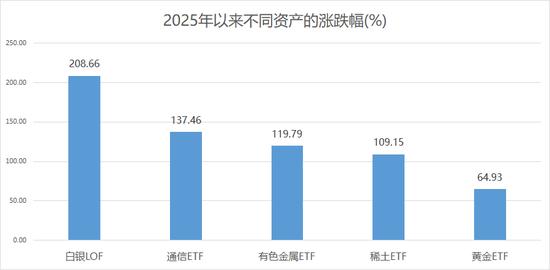
Core Viewpoint - The A-share market has shown a strong upward trend since the beginning of 2026, driven by technology stocks, particularly in AI, while the commodity market also presents significant investment opportunities due to its performance since last year [1][24]. Group 1: Commodity Market Performance - Since 2025, the commodity market has exhibited a clear differentiation, with gold, silver, and copper prices reaching historical highs, while steel and chemicals are in a recovery phase, and oil and coal remain at low levels [5][26]. - Precious metals, particularly gold, have shown remarkable performance, driven by factors such as the global "de-dollarization" narrative, renewed focus on gold's monetary attributes, and external factors like interest rate cuts and geopolitical tensions [6][7][26]. - Industrial metals are experiencing increased demand due to AI, with copper demand rising from AI data center construction, while silver has also seen significant price increases due to its dual role as a precious and industrial metal [27][28]. Group 2: Economic Cycle and Commodity Trends - The price trends of commodities are influenced by macroeconomic cycles and inventory cycles, typically following a pattern of precious metals leading, followed by industrial metals, energy, and finally agricultural products [28][29]. - In the transition from recession to recovery, precious metals like gold and silver lead the price increases, while industrial metals rebound during the recovery to overheating phase, and energy prices strengthen during the overheating phase [29][30]. Group 3: Investment Opportunities for 2026 - Opportunities in 2026 can be identified along three main lines: 1. AI-driven demand expansion, with significant growth in materials like lithium carbonate and copper, as evidenced by recent price increases [34][36]. 2. Supply contraction due to "anti-involution" policies, particularly in industries like photovoltaics, chemicals, and steel, which are expected to improve profitability and price stability [36][38]. 3. Monitoring CPI trends to identify potential agricultural investments, as the domestic CPI has shown signs of gradual recovery [45][46]. Group 4: Conclusion - The domestic economy is expected to continue its recovery in 2026, leading to a cycle of increased demand, inventory accumulation, and rising prices for various commodities, with global supply constraints becoming more pronounced [47].
农产品早报-20260126
Yong An Qi Huo· 2026-01-26 02:41
Group 1: Corn and Starch - The price of corn in ports first declined and then rose this week, remaining at last week's level. In the short term, due to the strong price - holding and reluctance to sell in the production areas, limited supply increase, low inventory in the channels, and downstream stocking expectations, corn prices are expected to remain strong. In the long term, attention should be paid to structural changes, import policies, and domestic reserve auction policies [2]. - The deep - processing industry of starch is stable, with a slight increase in the startup rate and faster inventory reduction due to seasonal stocking. In the short term, the festival stocking expectation and inventory reduction support the enterprise's strong price quotes. In the long term, the key factor for the price trend is the change in downstream consumption rhythm [3]. Group 2: Sugar - In the international sugar market, for the 25/26 sugar - making season, the northern hemisphere's main producing countries are expected to increase production in the long - term due to stable or slightly increased planting areas and good weather conditions. In the domestic market, in the short term, the pressure of raw sugar supply decreases, and the futures price can refer to the domestic sugar spot price. In the long term, if the global sugar market surplus intensifies, the futures price will seek the cost of out - of - quota imports [4]. Group 3: Cotton and Cotton Yarn - The low initial inventory offsets most of the increase in cotton production. Considering the expansion of domestic textile production, good downstream profits, domestic consumption - promotion policies, and good export performance, cotton demand is expected to continue to improve. Also, the planting area in Xinjiang will decrease in the new season, so cotton is suitable for long - term investment [4]. Group 4: Eggs - The recent Spring Festival stocking has pushed up the spot price of eggs, and the pace of chicken culling has slowed down. The sales were fast in the first half of the week and then slowed down as the terminal was less willing to accept high prices. The actual demand and chicken culling data should be monitored. If the spot price drops and stimulates farmers to cull old chickens, it will be beneficial to the egg price in the second quarter; otherwise, the second - quarter contract will face high pressure [5]. Group 5: Apples - The trading atmosphere in the late - Fuji apple production areas is still light. Traders are less active in purchasing from fruit farmers, mainly packaging pre - ordered and self - stored goods. High - quality apples maintain stable prices, while the prices of medium and low - quality apples have declined. As of January 22, 2026, the national cold - storage inventory ratio is about 48.01%, 2.11 percentage points lower than last year. The cold - storage inventory ratio decreased by 1.77 percentage points this week, and the inventory removal rate is 14.06%. During the Spring Festival stocking period, the cold - storage shipment volume is increasing [9]. Group 6: Pigs - The spot price of pigs was strong first and then weak on the weekend. Farmers are reluctant to sell at low prices, but it is difficult to maintain high prices. The overall enthusiasm of retail farmers for slaughter is average. With the approaching of Laba Festival, the demand in the north is supported. There is an expectation of both supply and demand increase before the Spring Festival, and there may still be a short - term supply - demand mismatch. The medium - term pressure remains, and there is support for a long - term inflection point. The futures market sentiment fluctuates greatly, and continuous attention should be paid to factors such as slaughter rhythm, diseases, and policies [9].
贵金属强势突破,白银创历史新高|期货周报
2 1 Shi Ji Jing Ji Bao Dao· 2026-01-26 02:40
Group 1: Market Performance - The domestic futures market showed a mixed performance from January 19 to January 23, with strong performance in precious metals and energy chemicals, while the black series experienced a general pullback [2] - In the energy chemical sector, fuel oil rose by 4.01% and crude oil increased by 0.79%. In contrast, the black series saw coking coal decline by 1.07% and iron ore drop by 2.21% [2] - Precious metals saw significant gains, with Shanghai gold up by 6.10% and Shanghai silver up by 8.39% [2] Group 2: Precious Metals Insights - On January 23, international silver prices surpassed $100 per ounce, marking a historical high with an annual increase of over 44%. The rise in gold and silver prices is attributed to geopolitical factors [3] - Silver's price increase is driven by both financial and industrial demand, with ongoing supply shortages exacerbated by tightening export controls and low inventory levels [3][4] - Analysts suggest that the recent price increases in gold and silver are primarily influenced by geopolitical tensions and market liquidity expectations rather than solely by safe-haven demand [4][5] Group 3: Platinum and Palladium Market Trends - On January 23, overseas platinum futures prices exceeded $2,600 per ounce, while palladium prices approached $2,000 per ounce, with platinum futures rising by 10.39% [6] - The platinum market has faced supply shortages for three consecutive years, with a projected supply gap of 69,200 ounces by 2025, leading to low inventory levels [6] - The demand for platinum is expected to be bolstered by the accelerating hydrogen energy industry, while palladium faces long-term pressure due to its reliance on internal combustion engine vehicles [7] Group 4: Regulatory Developments - The China Securities Regulatory Commission announced new guidelines for public fund performance benchmarks, effective March 1, 2026, aimed at enhancing the stability and seriousness of benchmark applications [8][9] - The guidelines emphasize the need for internal controls and management by fund managers, as well as external oversight by custodians and sales institutions [8][9] Group 5: Oil Market Dynamics - International oil prices rose over 3% due to escalating geopolitical tensions and increased U.S. sanctions, with Brent crude and NYMEX crude closing at $65.44 and $61.29 per barrel, respectively [11] - Analysts note that while the oil market currently faces an oversupply, geopolitical uncertainties provide a support base for prices, leading to potential short-term price spikes [11]

豆粕周报:阿根廷产区偏干,连粕震荡收敛-20260126
Tong Guan Jin Yuan Qi Huo· 2026-01-26 01:54
1. Report's Industry Investment Rating - No relevant content in the report 2. Core View of the Report - Last week, the CBOT March soybean contract rose 11.25 cents to close at 1067.5 cents per bushel, a 1.07% increase; the May soybean meal contract rose 24 yuan to close at 2751 yuan per ton, a 0.88% increase; the spot price of soybean meal in South China was 3100 yuan per ton, unchanged from the previous week; the May rapeseed meal contract fell 20 yuan to close at 2235 yuan per ton, a 0.89% decrease; the spot price of rapeseed meal in Guangxi fell 20 yuan to close at 2430 yuan per ton, a 0.82% decrease [4][7]. - After the decline, US soybeans oscillated upwards. Firstly, due to the expected release of the US biodiesel policy, the strengthening of US soybean oil boosted US soybeans. Secondly, the accelerating export sales progress of US soybeans also supported the price. Thirdly, increased precipitation in the central Brazilian producing areas might slow down the harvesting progress in the short term. Fourthly, the dry weather in the Argentine producing areas affected crop growth and development, leading to a recent downgrade of the crop's good - to - excellent rate and an increase in speculation sentiment. In China, the oil mill's crushing and operating rate rebounded slightly. Soybeans and soybean meal were in the process of inventory reduction. The pre - Spring Festival stocking demand gradually emerged, with good downstream transactions (but a decline compared to the previous week). Feed enterprises' soybean meal inventory continued to increase. The import cost increased slightly, and combined with the improvement of the domestic commodity sentiment, the Dalian soybean meal stopped falling and rose [4][7]. - In the next two weeks, the dry weather in the Argentine producing areas will lead to a downgrade of the crop's good - to - excellent rating, and the market's weather speculation sentiment will heat up. The excessive precipitation in the central - western Brazilian producing areas may slow down the harvesting progress. The pre - Spring Festival stocking demand continues, with good overall soybean meal transactions. Feed enterprises' inventory continues to increase, and the domestic oil mill's crushing and operating rate rebounds. The high - inventory reduction process continues. Pay attention to weather changes in South America and the intensity of stocking demand. In summary, it is expected that the Dalian soybean meal will oscillate in the short term [4][11]. 3. Summary According to the Table of Contents 3.1 Market Data | Contract | January 23, 2026 | January 16, 2026 | Change | Change Rate | Unit | | --- | --- | --- | --- | --- | --- | | CBOT Soybean | 1067.50 | 1056.25 | 11.25 | 1.07% | Cents per bushel | | CNF Import Price: Brazil | 448.00 | 448.00 | 0.00 | 0.00% | US dollars per ton | | CNF Import Price: US Gulf | 477.00 | 473.00 | 4.00 | 0.85% | US dollars per ton | | Brazilian Soybean Crushing Profit on the Futures Market | 71.46 | 37.87 | 33.59 | - | Yuan per ton | | DCE Soybean Meal | 2751.00 | 2727.00 | 24.00 | 0.88% | Yuan per ton | | CZCE Rapeseed Meal | 2235.00 | 2255.00 | -20.00 | -0.89% | Yuan per ton | | Soybean Meal - Rapeseed Meal Price Difference | 516.00 | 472.00 | 44.00 | - | Yuan per ton | | Spot Price: East China | 3100.00 | 3120.00 | -20.00 | -0.64% | Yuan per ton | | Spot Price: South China | 3100.00 | 3100.00 | 0.00 | 0.00% | Yuan per ton | | Spot - Futures Price Difference: South China | 349.00 | 373.00 | -24.00 | - | Yuan per ton | [5] 3.2 Market Analysis and Outlook - US soybean market: The CBOT March soybean contract rose. Factors included the expected release of the US biodiesel policy, accelerating export sales, increased precipitation in central Brazil, and dry weather in Argentina. As of the week of January 15, 2026, the net increase in US soybean export sales for the 2025/2026 season was 244.6 million tons, and the cumulative sales volume was 3303.5 million tons, with a sales progress of 77.1%. China's net purchase in that week was 130.3 million tons, with a cumulative purchase of 942 million tons and an outstanding shipment of 673.4 million tons [7][8]. - Brazilian soybean market: As of the week of January 17, 2026, the soybean harvesting rate was 2.3%. The expected export volume in January was 379 million tons. Forecasts suggest that the excessive precipitation in the central producing areas may slow down the harvesting progress in the later stage [7][9]. - Argentine soybean market: As of the week of January 21, 2026, the soybean sowing progress was 96.2%. The proportion of normal and good - to - excellent crops was 87%. The dry weather forecast continues, and if it persists, it will affect crop growth and development [9]. - Domestic market: As of the week of January 16, 2026, the soybean inventory of major oil mills was 6.8733 billion tons, a decrease of 257.9 million tons from the previous week; the soybean meal inventory was 947.2 million tons, a decrease of 96.8 million tons from the previous week; the outstanding contracts were 4.9848 billion tons, a decrease of 423.8 million tons from the previous week. The national port soybean inventory was 7.721 billion tons, a decrease of 307 million tons from the previous week. As of the week of January 23, 2026, the daily average trading volume of soybean meal nationwide was 186,720 tons, and the daily average pick - up volume was 188,160 tons. The major oil mills' crushing volume was 2.1021 billion tons. The feed enterprises' soybean meal inventory days were 10.21 days [10]. 3.3 Industry News - Safras & Mercado predicts that Brazil's soybean production in the 2025/2026 season will reach 1.7928 billion tons, a 4.3% increase from the previous year, setting a new record. The planting area is expected to increase by 1.5% year - on - year, and the average yield per hectare is expected to increase by 2.8% [12]. - As of January 15, 2026, the EU's soybean imports in the 2025/2026 season were 6.61 billion tons, a 14% year - on - year decrease [12]. - Canada and China reached a preliminary trade agreement on January 16, 2026, significantly reducing tariff barriers on key commodities such as electric vehicles and rapeseed [13]. - AgRural reports that as of last Thursday, Brazil's 2025/2026 soybean harvesting rate was 2%, slightly higher than the same period last year [13]. - Safras predicts that Brazil's soybean export volume in 2026 will be 1.05 billion tons, and the crushing volume will be 600 million tons. The total supply is expected to reach 1.8379 billion tons, a 5% increase from the previous year [14]. - SECEX reports that Brazil's soybean export pace in January 2026 is significantly higher than the same period last year. From January 1 to 16, 2026, the export volume was 1.307 billion tons, and the daily average export volume increased by 144.6% year - on - year [14]. - As of January 15, 2026, the EU's soybean imports in the 2025/2026 season were 6.7 billion tons, and the soybean meal imports were 9.9 billion tons, both showing a year - on - year decrease [15]. - In Argentina's early - maturing soybean planting areas, some regions are experiencing drought, while others have sufficient or excessive soil moisture [15]. - StoneX reports that the market expects the US EPA to soon release the final regulations on biofuels, which is expected to boost market sentiment [15]. - ABIOVE predicts that Brazil's soybean production in the 2025/2026 season will be 1.77124 billion tons, and the crushing volume will reach a record - high 610 million tons [16]. 3.4 Related Charts - The report provides 28 charts, including the trend of US soybean continuous contracts, Brazilian soybean CNF arrival prices, freight rates, RMB spot exchange rate trends, regional crushing profits, management funds' CBOT net positions, soybean meal futures - spot price differences, and various inventory and trading volume data trends [18 - 45]
贵金属延续强势,化工板块集体大涨
Dong Zheng Qi Huo· 2026-01-26 01:31
1. Report Industry Investment Ratings Not provided in the given content. 2. Core Views of the Report - The dollar index is expected to weaken in the short - term due to increased domestic conflicts over illegal immigration in the US [11][12]. - US stocks are expected to maintain high - level volatility during the earnings season, with increased volatility [16][17]. - Precious metals are likely to see increased short - term volatility, and investors should be aware of the risk of a pullback after a continuous sharp rise [20]. - The bond market is experiencing a short - term rebound, and it is more cost - effective to short after the upward momentum fades [21][22]. - The stock index long - position strategy should be continued [23][24]. - Coking coal is expected to be weak and volatile in the short - term as supply is at a high level and downstream restocking has ended [25][26]. - Steel prices are expected to be volatile before the Spring Festival, and it is recommended to hedge inventory at high prices if there is a price rebound [31]. - Palm oil is likely to be easy to rise and difficult to fall in the short - term, and the price of soybean oil is expected to be supported before the US biofuel policy is released [35]. - The outlook for soybean meal exports is not optimistic, and the 5 - month contract is likely to be weak if there are no major abnormalities in South American production [37][38]. - The domestic sugar market is expected to be weakly volatile in the short - term due to seasonal supply pressure and limited demand [42]. - Zhengzhou cotton is expected to be adjusted in a volatile manner before the Spring Festival, with long - term bullish views unchanged [47]. - Copper prices are likely to be volatile in the short - term, and it is recommended to wait and see in the short - term and look for opportunities to go long at low prices in the medium - term [51]. - Lead prices are expected to be in low - level volatility, and it is recommended to wait and see both unilaterally and in arbitrage [53][54]. - Zinc prices are expected to remain in high - level volatility, and it is recommended to wait and see unilaterally, pay attention to long - position opportunities in the far - month contracts for arbitrage, and wait and see in the domestic - foreign arbitrage [57]. - Lithium carbonate prices are likely to be easy to rise and difficult to fall, and a bullish strategy is recommended with attention to position control and risk management [60][61]. - Tin prices are expected to be in wide - range volatility in the short - term, and attention should be paid to the implementation of supply recovery expectations and consumption recovery [65]. - Nickel prices are expected to be easy to rise and difficult to fall, and it is recommended to look for opportunities to go long at low prices [66][67]. - EU carbon prices are expected to be strong in the short - term [68][69]. - Oil prices are expected to be supported by short - term geopolitical conflicts and supply disruptions [71][72]. - The bottle - chip market is expected to see a mild recovery in processing fees around the Spring Festival [76]. - The container shipping index is expected to be weakly volatile in the short - term [78]. 3. Summary by Directory 3.1 Financial News and Comments 3.1.1 Macro Strategy (Foreign Exchange Futures - US Dollar Index) - Europe is estimated to need $1 trillion to restructure its defense industry. The shooting of a US citizen by ICE has intensified domestic conflicts over illegal immigration, causing the dollar index to weaken. The Trump administration is expected to maintain a tough stance on illegal immigration, and market volatility will remain high. The dollar index is expected to weaken in the short - term [9][11][12]. 3.1.2 Macro Strategy (US Stock Index Futures) - The final value of the University of Michigan Consumer Sentiment Index in the US in January was 56.4, reaching a five - month high. The preliminary value of the US S&P Global Manufacturing PMI in January was 51.9. The US economy shows resilience, and the Fed is unlikely to cut interest rates in the short - term. The market is worried about the Fed's independence, and US stocks are expected to maintain high - level volatility during the earnings season [13][14][16]. 3.1.3 Macro Strategy (Gold) - The US is expected to obtain "sovereignty" over the area where the US military base on Greenland is located. The preliminary value of the US S&P Global Manufacturing PMI in January was 51.9. The New York Federal Reserve Bank conducted a "rate check" on the US dollar/yen exchange rate. Precious metals continued to rise strongly on Friday, reaching a new high. The market is trading on the safe - haven and de - dollarization needs caused by the tense situation between the US and Europe. The sharp rise of the yen and the fall of the dollar after the US and Japan jointly signaled to intervene in the foreign exchange market boosted the precious metals. However, the short - term market is dominated by sentiment and funds, and the risk is increasing. Precious metals are likely to see increased short - term volatility, and investors should be aware of the risk of a pullback [18][19][20]. 3.1.4 Macro Strategy (Treasury Bond Futures) - The central bank conducted a 7 - day reverse repurchase operation of 125 billion yuan, with a net investment of 38.3 billion yuan. The bond market continued to strengthen, mainly due to the alleviation of previous concerns. However, there are still long - term negative factors, and it is more cost - effective to short after the upward momentum fades [21][22]. 3.1.5 Macro Strategy (Stock Index Futures) - The CSRC issued a guidance on the performance comparison benchmark for public funds. Due to strong bullish expectations, funds flowed into small - cap stocks, causing market differentiation. The regulatory authorities are expected to take stricter and more precise measures to limit excessive speculation, and the market is likely to remain in high - level volatility. It is recommended to continue to hold the long - position strategy for the stock index [23][24]. 3.2 Commodity News and Comments 3.2.1 Black Metals (Coking Coal/Coke) - The coking coal price in the Changzhi market remained stable. The supply in some areas increased slightly, while the downstream restocking ended, and the market sentiment declined. Coking coal is expected to be weak and volatile in the short - term [25][26]. 3.2.2 Black Metals (Rebar/Hot - Rolled Coil) - The global crude steel output in 2025 was 1.849 billion tons. In mid - January 2026, the daily output of key steel enterprises decreased slightly, and the inventory increased. Before the Spring Festival, steel prices are expected to be volatile and may rebound slightly. It is recommended to hedge inventory at high prices if there is a price rebound [27][29][31]. 3.2.3 Agricultural Products (Soybean Oil/Rapeseed Oil/Palm Oil) - The EU plans to gradually phase out soybean biofuels. The establishment of the Southeast Asian Sustainable Aviation Fuel Council. The actual soybean crushing volume of domestic oil mills increased, and the estimated volume for the next week is higher. The palm oil market is supported by inventory reduction and Ramadan expectations, and the price of soybean oil is expected to be supported before the US biofuel policy is released [32][34][35]. 3.2.4 Agricultural Products (Soybean Meal) - The US weekly soybean export sales reached the highest level of the year. The domestic oil mill soybean crushing volume increased, and it is expected to remain high. The outlook for soybean meal exports is not optimistic, and the 5 - month contract is likely to be weak if there are no major abnormalities in South American production [36][37][38]. 3.2.5 Agricultural Products (Sugar) - The amount of sugar waiting to be shipped at Brazilian ports increased. The sugar production in the central and southern regions of Brazil decreased in the second half of December. The domestic sugar market is under seasonal supply pressure, and the demand is limited. It is expected to be weakly volatile in the short - term [39][41][42]. 3.2.6 Agricultural Products (Cotton) - The import of Indian cotton yarn decreased, while the import of polyester - cotton blended yarn increased. The EU's clothing import rebounded in November 2025, and the import from China increased. The US cotton export signing reached a new high, but the export progress is still behind. Zhengzhou cotton is expected to be adjusted in a volatile manner before the Spring Festival, with long - term bullish views unchanged [43][44][47]. 3.2.7 Non - ferrous Metals (Copper) - Chilean contractor protests blocked access to mines. Tibet Julong Copper's second - phase project was put into operation. The Chilean Mining Association warned that it will take several years for copper supply to increase. The short - term macro factors support copper prices, but the fundamental factors may suppress price increases. Copper prices are likely to be volatile, and it is recommended to wait and see in the short - term and look for opportunities to go long at low prices in the medium - term [48][50][51]. 3.2.8 Non - ferrous Metals (Lead) - The LME lead spread was at a discount. The production of primary lead was stable, the profit of secondary lead refineries narrowed, and the consumption of lead batteries was weak. The social inventory increased, and lead prices are expected to be in low - level volatility. It is recommended to wait and see both unilaterally and in arbitrage [52][53][54]. 3.2.9 Non - ferrous Metals (Zinc) - A gold mine in Mexico was temporarily shut down. The LME zinc spread was at a discount, and MMG's zinc ore output in the fourth quarter of 2025 increased. The zinc concentrate port inventory increased, the smelting profit improved slightly, and the demand was affected by multiple factors. Zinc prices are expected to remain in high - level volatility. It is recommended to wait and see unilaterally, pay attention to long - position opportunities in the far - month contracts for arbitrage, and wait and see in the domestic - foreign arbitrage [55][56][57]. 3.2.10 Non - ferrous Metals (Lithium Carbonate) - The retail and wholesale volume of new - energy passenger vehicles in the first 18 days of January 2026 decreased year - on - year. Lithium carbonate prices rose sharply last week. The demand is strong, and the inventory is low. It is recommended to take a bullish strategy with attention to position control and risk management [58][60][61]. 3.2.11 Non - ferrous Metals (Tin) - The first domestic satellite computing power module was launched. The LME tin spread was at a discount, and the inventory increased. The import of tin concentrate in December increased year - on - year. The supply is expected to increase in 2026, but there are uncertainties. The demand is weak, and tin prices are expected to be in wide - range volatility in the short - term [62][63][65]. 3.2.12 Non - ferrous Metals (Nickel) - The port logistics of the Indonesian Qing Shan Industrial Park was suspected of monopoly. The nickel ore production quota in Indonesia is expected to be adjusted, and the global primary nickel gap is expected to be more than 100,000 metric tons. The raw material price rose, and the demand for nickel salt increased. Nickel prices are expected to be easy to rise and difficult to fall, and it is recommended to look for opportunities to go long at low prices [66][67]. 3.2.13 Energy Chemicals (Carbon Emissions) - The closing price of the EUA main contract decreased. The EU carbon price remained high and volatile last week. The CoT data helped boost the market. The carbon price is expected to be strong in the short - term [68][69]. 3.2.14 Energy Chemicals (Crude Oil) - The production of a Kazakhstani oil field was delayed due to a power failure and export problems. The number of US oil rigs increased. The oil price rose on Friday, supported by the risk of supply disruptions and the increase in diesel cracking spreads [70][71][72]. 3.2.15 Energy Chemicals (Bottle Chips) - The export quotation of bottle - chip factories continued to rise. The polyester raw material price rose strongly, and the bottle - chip factory quotation increased. The market trading atmosphere was fair, and the downstream was cautious. The industry operating rate decreased, and the inventory pressure was transferred smoothly. The processing fee is expected to recover mildly around the Spring Festival [73][75][76]. 3.2.16 Shipping Index (Container Freight Rates) - Wildfires and rough seas restricted the operation of some ports in Chile. The short - term market is weak, and the European - line futures are expected to be weakly volatile. Attention should be paid to whether the index will be higher due to container dumping and late ship departures [77][78].
光大期货:1月26日农产品日报
Xin Lang Cai Jing· 2026-01-26 01:23
Group 1: Oilseed and Oil Market - Oilseed prices have risen this week, with international markets leading domestic prices, particularly palm oil outperforming soybean and canola [3][12] - The U.S. soybean market is focused on demand forecasts, with positive crushing data and expectations for biodiesel policy announcements that could enhance soybean crushing prospects [3][12] - There are mixed expectations regarding export demand, particularly concerning China and Brazil, with China's soybean purchases expected to slow down while Brazil's harvest is delayed [3][12] - Domestic soybean meal prices have stopped falling and are rising, supported by high import costs and strong terminal demand [3][12] - The market anticipates a strong price basis for soybean meal due to expectations of inventory depletion, with differing views on the supply-demand gap in March-April [3][12] Group 2: Egg Market - Egg futures prices experienced fluctuations, with a weekly decline of 0.85%, closing at 3046 yuan per 500 kg as of January 23 [5][14] - The spot price of eggs has continued to rise, with an average price of 3.85 yuan per jin, up 0.25 yuan from the previous week, driven by pre-holiday demand [5][14] - Increased profits in egg production have been noted, with a profit of 0.44 yuan per jin as of January 22, although this may hinder effective capacity reduction [6][15] - The number of old hens culled has decreased, while the utilization rate of breeding eggs has increased, which could pressure future egg prices [6][15] Group 3: Corn Market - U.S. corn prices have seen a 1% increase early in the week, followed by fluctuations, with strong export demand emerging [7][16] - Domestic corn futures have reached new highs for near-month contracts, with increased sales activity as the Spring Festival approaches [7][16] - The market is characterized by stable prices in the Northeast, with cautious purchasing behavior from downstream buyers [7][16] Group 4: Pork Market - Domestic pork prices have shown a mixed trend, with an average price of 12.82 yuan per kg as of January 22, reflecting a slight increase [8][18] - The price of piglets has risen significantly, indicating a demand for restocking despite challenges in low-price procurement [8][18] - The overall pork production capacity is expected to decline, with a projected increase in pork output for 2025 [8][18] - The operating rate of slaughterhouses has decreased, indicating pressure on procurement costs and a reduction in orders due to high prices [8][18]


农产品早报2026-01-26:五矿期货农产品早报-20260126
Wu Kuang Qi Huo· 2026-01-26 00:56
1. Report Industry Investment Rating No relevant content provided. 2. Core Viewpoints - For sugar, the current raw sugar price has fallen below the support of the Brazilian ethanol conversion price. After the new Brazilian sugar - cane crushing season in April this year, there is a possibility of reducing the sugar - cane - to - sugar ratio. After the northern hemisphere begins to finish the sugar - cane crushing in February and the negative impact of increased production is basically realized, the international sugar price may rebound. The supply of imported sugar in China is gradually decreasing. As the sugar price drops to a low level, the short - term downward space may be limited, and it is advisable to wait and see for the time being [4]. - For cotton, in the medium - to - long - term, with the reduction of the planting area in the new year and the positive macro - economic expectations in the future, the cotton price still has room to rise. However, due to the excessive short - term increase, it needs time to digest. It is recommended to wait for the price to pull back and then choose an opportunity to go long [9]. - For protein meal, the January USDA report data is slightly bearish as the production estimates of the US and Brazil are slightly revised upwards, and the US export volume is slightly revised downwards. However, the overall balance sheet situation is still better than that in the 2024/25 season. Recently, China has increased its purchase of US soybeans, which supports the CBOT US soybean price but is bearish for the domestic price. The bearish impact of the significant reduction of the import tariff on Canadian rapeseed has been digested. Overall, the protein meal price may continue to fluctuate, and it is recommended to wait and see in the short term [13][18]. - For eggs, the pre - festival stocking sentiment has boosted the spot price increase beyond expectations. The near - month contracts are driven to fluctuate strongly. However, the overall supply is still abundant, and the demand is about to meet expectations. The near - term contracts have post - festival attributes and may mainly fluctuate. In the future, more attention should be paid to the pressure after the rebound. The far - end contracts are affected by the peak of production capacity and have long - term positive expectations. However, after the profit is given too early, the realization path is still uncertain. Pay attention to the selling pressure after the over - valued situation [21]. - For pigs, the demand support and the market's reluctance to sell due to the high fat - to - standard price difference limit the short - term downward space of the spot price. However, the expectation of inventory accumulation and the upcoming pre - festival supply release have led to the early weakness of the futures market. Considering the large supply pressure after the Spring Festival in the first half of the year and the expectation of inventory post - ponement, the futures discount is logical. There may still be short - selling opportunities after the rebound. Due to the limited reduction of production capacity, the improvement space of the far - end fundamentals has been revised downwards. Pay attention to the support at the lower level after the long - term decline [24]. 3. Summaries by Related Catalogs Sugar Market Information - On Friday, the Zhengzhou sugar futures price fluctuated. The closing price of the May contract of Zheng sugar was 5,180 yuan/ton, up 22 yuan/ton or 0.43% from the previous trading day. The spot price of Guangxi sugar - making groups was 5,270 - 5,310 yuan/ton, up 10 yuan/ton from the previous trading day [2]. - In the second half of December 2025, the central - southern region of Brazil crushed 2.171 million tons of sugar - cane, a year - on - year increase of 26.60%. The sugar output was 56,000 tons, a year - on - year decrease of 14.93%. The sugar - cane - to - sugar ratio was 21.24%, a decrease of 11.28 percentage points compared with the same period last year. In December 2025, China imported 580,000 tons of sugar, an increase of 190,000 tons year - on - year. In 2025, China's cumulative sugar imports were 4.92 million tons, an increase of 570,000 tons year - on - year. As of the end of December in the 2025/26 sugar - cane crushing season, China's cumulative sugar imports were 1.77 million tons, an increase of 310,000 tons year - on - year. In December, China imported a total of 69,700 tons of syrup and premixed powder. In 2025, the cumulative imports were 1.1888 million tons. As of January 15, 2026, India's national sugar output had reached 15.909 million tons, a nearly 22% increase compared with 13.044 million tons in the same period last year. The number of sugar mills still in operation increased from 500 in the same period last year to 518 [3]. Strategy - Wait for the northern hemisphere to finish the sugar - cane crushing in February. After the negative impact of increased production is basically realized, the international sugar price may rebound. The supply of imported sugar in China is gradually decreasing. As the sugar price drops to a low level, the short - term downward space may be limited, and it is advisable to wait and see for the time being [4]. Cotton Market Information - On Friday, the Zhengzhou cotton futures price fluctuated. The closing price of the May contract of Zheng cotton was 14,695 yuan/ton, down 35 yuan/ton or 0.24% from the previous trading day. The spot price of China Cotton Price Index (CCIndex) 3128B was 15,870 yuan/ton, up 31 yuan/ton from the previous trading day [6]. - In December 2025, China imported 180,000 tons of cotton, an increase of 40,000 tons year - on - year. In 2025, China's cumulative cotton imports were 1.08 million tons, a decrease of 1.56 million tons year - on - year. As of the week of January 16, the spinning mill's operating rate was 64.6%, a decrease of 0.1 percentage point from the previous week and an increase of 8.6 percentage points compared with the same period last year. The national commercial cotton inventory was 5.69 million tons, an increase of 380,000 tons year - on - year. The January 2025/26 global cotton production forecast was 26 million tons, a decrease of 80,000 tons from the December forecast and an increase of 200,000 tons compared with the previous year. The inventory - to - consumption ratio was 62.63%, a decrease of 1.42 percentage points from the December forecast and an increase of 0.62 percentage points compared with the previous year. The January US cotton production forecast was 3.03 million tons, a decrease of 76,000 tons from the December forecast. The export forecast remained unchanged, and the inventory - to - consumption ratio was 30.43%, a decrease of 2.17 percentage points. The Brazilian cotton production forecast remained unchanged at 4.08 million tons, the Indian production forecast was revised down by 110,000 tons to 5.12 million tons, and the Chinese production forecast was revised up by 220,000 tons to 7.51 million tons. From January 8 to January 15, the US current - year cotton export sales were 97,300 tons, and the cumulative export sales were 1.72 million tons, a decrease of 166,000 tons year - on - year. Among them, the export to China that week was 3,300 tons, and the cumulative export to China was 88,600 tons, a decrease of 72,100 tons year - on - year [7][8]. Strategy - In the medium - to - long - term, with the reduction of the planting area in the new year and the positive macro - economic expectations in the future, the cotton price still has room to rise. However, due to the excessive short - term increase, it needs time to digest. It is recommended to wait for the price to pull back and then choose an opportunity to go long [9]. Protein Meal Market Information - On Friday, the protein meal futures price fell slightly. The closing price of the May contract of soybean meal was 2,751 yuan/ton, down 17 yuan/ton or 0.61% from the previous trading day. The closing price of the May contract of rapeseed meal was 2,235 yuan/ton, down 15 yuan/ton or 0.67% from the previous trading day. The spot price of Dongguan soybean meal was 3,100 yuan/ton, unchanged from the previous trading day. The spot price of Huangpu rapeseed meal was 2,440 yuan/ton, unchanged from the previous trading day [11]. - From January 8 to January 15, the US exported 2.45 million tons of soybeans, and the current - year cumulative soybean exports were 33.03 million tons. Among them, the US exported 1.3 million tons of soybeans to China that week, and the current - year cumulative exports to China were 9.42 million tons. From January 9 to January 16, the domestic sample soybean arrivals were 1.5 million tons, a decrease of 20,000 tons from the previous week. The sample soybean port inventory was 7.72 million tons, a decrease of 300,000 tons from the previous week. The sample soybean oil mill operating rate was 55.97%, an increase of 6.47 percentage points year - on - year. The sample oil mill soybean meal inventory was 840,000 tons, a decrease of 86,000 tons from the previous week. The January 2025/26 global soybean production forecast was 425.67 million tons, an increase of 31.3 million tons from the December forecast and a decrease of 14.8 million tons compared with the previous year. The inventory - to - consumption ratio was 29.4%, an increase of 0.39 percentage points from December and a decrease of 0.44 percentage points compared with the previous year. The January US soybean production forecast was 115.99 million tons, an increase of 2.38 million tons from the December forecast and a decrease of 30.5 million tons compared with the previous year. The January Brazilian production forecast was 178 million tons, an increase of 30 million tons from the December forecast and an increase of 65 million tons compared with the previous year. The January Argentine production forecast was 48.5 million tons, unchanged from the December forecast and a decrease of 26 million tons compared with the previous year. In addition, in the January forecast, the US export volume was slightly revised down by 16.3 million tons to 428.6 million tons [12][17]. Strategy - The January USDA report data is slightly bearish as the production estimates of the US and Brazil are slightly revised upwards, and the US export volume is slightly revised downwards. However, the overall balance sheet situation is still better than that in the 2024/25 season. Recently, China has increased its purchase of US soybeans, which supports the CBOT US soybean price but is bearish for the domestic price. The bearish impact of the significant reduction of the import tariff on Canadian rapeseed has been digested. Overall, the protein meal price may continue to fluctuate, and it is recommended to wait and see in the short term [13][18]. Fats and Oils Market Information - On Friday, the fats and oils futures price fluctuated. The closing price of the May contract of soybean oil was 8,094 yuan/ton, up 10 yuan/ton or 0.12% from the previous trading day. The closing price of the May contract of palm oil was 8,910 yuan/ton, down 34 yuan/ton or 0.38% from the previous trading day. The closing price of the May contract of rapeseed oil was 8,991 yuan/ton, down 11 yuan/ton or 0.12% from the previous trading day. The spot price of Zhangjiagang first - grade soybean oil was 8,620 yuan/ton, down 30 yuan/ton from the previous trading day. The spot price of 24 - degree palm oil in Guangdong was 8,930 yuan/ton, down 50 yuan/ton from the previous trading day. The spot price of rapeseed oil in Jiangsu was 9,750 yuan/ton, down 80 yuan/ton from the previous trading day. The market information about soybean exports, arrivals, port inventory, oil mill operating rate, and production forecasts is the same as that of protein meal [15][17]. Strategy - The January USDA report data is slightly bearish as the production estimates of the US and Brazil are slightly revised upwards, and the US export volume is slightly revised downwards. However, the overall balance sheet situation is still better than that in the 2024/25 season. Recently, China has increased its purchase of US soybeans, which supports the CBOT US soybean price but is bearish for the domestic price. The bearish impact of the significant reduction of the import tariff on Canadian rapeseed has been digested. Overall, the protein meal price may continue to fluctuate, and it is recommended to wait and see in the short term [18]. Eggs Market Information - Over the weekend, the domestic egg price was mainly stable, with some local areas experiencing a slight decline. The large - sized egg price in Heishan remained at 3.5 yuan/jin, the small - sized egg price in Guantao dropped 0.05 yuan to 3.51 yuan/jin, and the price in Xishui remained at 3.84 yuan/jin. The supply was normal, and the supply of small - sized eggs was slightly tight. The Spring Festival demand was gradually starting, and the market sales speed was fast. However, as the egg price rose to a phased high, the risk - aversion sentiment of traders increased, and there was a risk of a slight decline in the egg price in some areas [20]. Strategy - The pre - festival stocking sentiment has boosted the spot price increase beyond expectations. The near - month contracts are driven to fluctuate strongly. However, the overall supply is still abundant, and the demand is about to meet expectations. The near - term contracts have post - festival attributes and may mainly fluctuate. In the future, more attention should be paid to the pressure after the rebound. The far - end contracts are affected by the peak of production capacity and have long - term positive expectations. However, after the profit is given too early, the realization path is still uncertain. Pay attention to the selling pressure after the over - valued situation [21]. Pigs Market Information - Over the weekend, the domestic pig price generally rose, with some local areas experiencing a slight decline. The average price in Henan rose 0.14 yuan to 13.34 yuan/kg, and the average price in Sichuan rose 0.06 yuan to 12.77 yuan/kg. The overall slaughter volume may increase in the second half of the month. Coupled with the general demand in the southern market, the pig price trend will be mainly weak and stable. However, after entering February, due to the expected tightening of supply and the release of pre - festival stocking demand, the pig price still has room to rise [23]. Strategy - The demand support and the market's reluctance to sell due to the high fat - to - standard price difference limit the short - term downward space of the spot price. However, the expectation of inventory accumulation and the upcoming pre - festival supply release have led to the early weakness of the futures market. Considering the large supply pressure after the Spring Festival in the first half of the year and the expectation of inventory post - ponement, the futures discount is logical. There may still be short - selling opportunities after the rebound. Due to the limited reduction of production capacity, the improvement space of the far - end fundamentals has been revised downwards. Pay attention to the support at the lower level after the long - term decline [24].
经济日报:大宗商品市场贵金属支撑性强
Sou Hu Cai Jing· 2026-01-26 00:20
市场趋于分化 作为"十五五"规划的开局之年,2026年,投资市场的结构性特征日益显现。钱往哪里流,又该往哪里 投?关注版今天起推出"2026年钱往哪儿投"系列报道,展望市场前景,探寻市场机会。 2026年,大宗商品市场站在新一轮周期的关键节点。传统的"经济复苏—需求回升—价格上涨"线性模式 被打破,一个由地缘政治、产业转型、金融属性与政策博弈交织驱动的复杂体系正在形成。在全球经济 深度调整的背景下,大宗商品市场正在用价格语言,注释一场关于发展模式、资源配置与未来竞争力的 深刻变革,大宗商品市场正在从"宏观风向标",进一步变成"安全温度计""产业晴雨表""金融放大器"。 代",而是"并行",新旧能源在较长时期内共存,任何一端的短板都会引发价格波动。对企业而言,能 源成本管理的重心正在从"低价采购"转向"稳定供给",更重视中长期合同、跨区域采购、多能源替代与 用能效率。 金属市场再定价 长期以来,大宗商品往往呈现出较强的同涨同跌特征:全球增长预期上行,工业品普涨;衰退担忧升 温,商品普跌。但进入2026年,这种"宏观共振"正在退潮,"品种逻辑"成为主导。所谓品种逻辑,就是 每一种商品的价格更取决于自身产业链结构、 ...