
石油

Search documents
金价下跌,银价追跌!
中国能源报· 2026-03-09 03:58
Group 1 - The surge in energy prices has led investors to worry that the Federal Reserve may delay interest rate cuts due to inflation rebound pressures, resulting in a cooling of previously crowded gold long positions and a significant profit-taking by investors, causing international gold and silver prices to decline last week [2][9] - The U.S. stock indices experienced a broad decline last week, with the Dow Jones falling by 3.01%, the S&P 500 down by 2.02%, marking the largest weekly drop since October of the previous year, and the Nasdaq decreasing by 1.24% [5] - The military conflict in the Middle East has significantly pushed up international oil prices, with New York oil prices rising by 35.63% and London Brent oil prices increasing by 27.88% last week [7][9] Group 2 - As of Monday (9th), international oil prices continued their strong upward trend, with New York oil prices opening above $100 per barrel for the first time since the outbreak of the Russia-Ukraine military conflict in 2022, briefly touching $110 per barrel during trading [11] - The surge in oil prices has put pressure on U.S. stocks, with investors concerned that rising energy prices will impact consumer spending and corporate investment, potentially leading the Federal Reserve to delay interest rate cuts [14] - Key monthly inflation data, including the February Consumer Price Index (CPI) and January Core Personal Consumption Expenditures (PCE) Price Index, is set to be released this week, with expectations that the February CPI will not rebound sharply due to tightening consumer spending and lower used car prices [16]


终于,海湾石油危机还是来了!
华尔街见闻· 2026-03-09 03:52
Core Viewpoint - The Strait of Hormuz is effectively blocked, pushing the global energy market towards a potential crisis not seen since the 1970s, with oil prices surging dramatically [1][3]. Group 1: Oil Price Surge - WTI crude oil futures surged by 26%, surpassing $115 per barrel [1]. - Brent crude oil futures increased by 25%, reaching $116 per barrel [3]. Group 2: Production Cuts in the Middle East - Major oil-producing countries in the Middle East are forced to announce production cuts due to blocked oil exports and rapidly filling storage [5][6]. - Kuwait has officially declared force majeure and significantly reduced production [7]. - The UAE is adjusting offshore production levels to alleviate storage pressure [7]. Group 3: Impact of the Crisis - Goldman Sachs has revised its optimistic outlook, warning that the actual flow reduction in the Strait of Hormuz is far greater than expected, with significant upward risks for oil prices if the situation does not improve [8][60]. - The crisis intensity has exceeded initial expectations, with Gulf officials initially believing the situation would remain controllable [9][10]. Group 4: LNG Supply Disruption - Qatar, now the world's largest LNG exporter, has halted production at its core facility, cutting off nearly 20% of global LNG supply [11][41]. - Natural gas prices in Europe and Asia have surged, with European benchmark gas prices rising approximately 70% and Asian spot LNG prices increasing about 50% [12][46]. Group 5: Market Reactions and Future Projections - The market is experiencing panic as oil tanker flows have drastically decreased, leading to urgent storage issues and widespread production cuts [24][25]. - Morgan Stanley estimates that if the Strait remains closed, daily production could drop by over 4 million barrels, potentially reaching a reduction of nearly 9 million barrels by the end of March, which is close to 10% of global demand [35]. Group 6: Goldman Sachs' Revised Predictions - Goldman Sachs has dramatically revised its predictions, estimating that the flow through the Strait has decreased by about 90%, equating to a reduction of approximately 18 million barrels per day [56]. - The report emphasizes that if the situation does not improve, oil prices could exceed historical peaks seen in 2008 and 2022 [60]. Group 7: Regional Impacts - The energy crisis is affecting different regions differently, with the Chinese chemical industry potentially benefiting from increased market share due to rising European production costs [74]. - In Asia, countries are facing real energy supply shortages, with significant reliance on Middle Eastern LNG, particularly in India, Thailand, and the Philippines [75].


三大股指收盘全线下跌,美国三大股指全线
Xin Yong An Guo Ji Zheng Quan· 2026-03-09 03:41
Market Overview - Concerns over prolonged conflict in the Middle East have led to a surge in oil prices, with WTI crude surpassing $100 per barrel for the first time since 2022[1] - The US stock market showed mixed results, with the Dow Jones down 0.95% at 47,501.55 points, and the S&P 500 down 1.33% at 6,740.02 points[1] - The Shanghai Composite Index rose by 0.38% to 4,124.19 points, while the Shenzhen Component increased by 0.59%[1] Economic Indicators - The US non-farm payrolls unexpectedly decreased by 92,000 in February, raising concerns about a potential stagflation scenario as the unemployment rate rose to 4.4%[12] - Inflationary pressures are expected to complicate the Federal Reserve's interest rate decisions, with the market anticipating rates to remain unchanged in the upcoming meeting[12] Oil Market Dynamics - The ongoing conflict has disrupted oil trade routes, particularly through the Strait of Hormuz, leading to reduced production from major oil-exporting countries like Iraq and Kuwait[12] - The Trump administration has initiated a $20 billion maritime reinsurance plan to stabilize oil trade in the region amid rising prices[12] Sector Performance - The chemical sector showed strength, contributing to the overall market rebound in A-shares[1] - The Hong Kong market experienced volatility, with the Hang Seng Index closing up 1.72% at 25,757.29 points, driven by gains in technology and healthcare sectors[1] Corporate Developments - Yanzhou Coal Mining Company sold its 100% stake in Inner Mongolia Xintai Coal for RMB 3.05 billion, which is expected to positively impact its profits in 2026[15] - Longyuan Power reported a 0.73% year-on-year increase in power generation for February, with solar power generation up by 20.67%[15]


大越期货原油周报-20260309
Da Yue Qi Huo· 2026-03-09 03:25
Report Industry Investment Rating - Not provided in the content Core Viewpoints - Due to the worsening Middle - East conflicts, the oil price has a large upward space. It is recommended to go long in the 700 - 850 range for short - term operations and stay on the sidelines for long - term operations [7] Summary by Directory 1. Review - Last week, crude oil prices continued to rise due to the deterioration of the Middle - East conflict. The New York Mercantile Exchange's main light crude oil futures closed at $91.27 per barrel, up 35.64% for the week; Brent crude oil futures closed at $93.32 per barrel, up 27.47% for the week; China's crude oil futures SC main contract closed at 753.4 yuan per barrel, up 54.26% for the week [5] - Saudi Aramco's Ras Tanura refinery was shut down after a drone attack. The conflict in the Middle - East has expanded to energy infrastructure, increasing the risk of energy supply disruption and global economic impact. Many shipping insurance companies have cancelled war - risk coverage for relevant vessels [5] - The closure of the Strait of Hormuz has severely hampered exports from the world's most important oil - producing region. Consumption countries are seeking alternative supply sources, and global inflation risks have increased [5] - Kuwait Petroleum Corporation has declared force majeure. Kuwait's production cut started at about 100,000 barrels per day on Saturday and is expected to triple on Sunday. The subsequent production cut will depend on storage levels and the situation in the Strait of Hormuz [6] - The UAE is adjusting its offshore production levels to meet storage needs. Abu Dhabi National Oil Company (Adnoc) has an alternative pipeline, but it cannot fully replace the Strait of Hormuz [6] - Saudi Arabia has diverted some crude oil exports to Yanbu Port on the Red Sea coast to avoid risks in the Strait of Hormuz [6] - The US is considering sending ground troops to Iran, and one option is to send special operations forces to destroy key nuclear facilities in Iran [6] 2. Related Information - Not specifically presented in a separate part, but related information is included in the "Review" section 3. Outlook - The situation in the Middle - East is still deteriorating. It is expected that shipping and energy production problems in the Strait of Hormuz will persist, and oil prices have a large upward space [7] - Short - term operation: go long in the 700 - 850 range; long - term operation: stay on the sidelines [7] 4. Fundamental Data - **Spot Weekly Prices**: The prices of various crude oil varieties have increased. For example, the price of UK Brent Dtd increased from $71.84 to $85.41, with a rise of 18.89%; WTI increased from $65.92 to $78.47, with a rise of 19.04% [10] - **Cushing Inventory**: The inventory has fluctuated. For example, on December 12, it was 20.862 million barrels, with a decrease of 742,000 barrels compared to the previous period [11] - **EIA Inventory**: The inventory has also fluctuated. For example, on December 26, it was 422.888 million barrels, with a decrease of 1.934 million barrels compared to the previous period [12] 5.持仓 Data - **CFTC Fund Net Long Positions**: As of March 3, the net long positions of WTI crude oil decreased by 562 contracts to 172,150 contracts [5][18] - **ICE Fund Net Long Positions**: As of March 3, the net long positions of Brent crude oil decreased by 35,358 contracts to 285,594 contracts [5][19]
海峡断航大考:冗余与脆弱性
Hua Tai Qi Huo· 2026-03-09 03:22
1. Report Industry Investment Rating No information provided 2. Core Views of the Report - With the extension of the Strait's closure, the market realizes it won't reopen soon. Trump's re - insurance and naval escort have limited effects. The Strait's reopening requires a significant reduction in Iran's attacks on merchant ships, a new agreement between the US and Iran, or joint naval escort by multiple countries. In the short - term, oil prices are likely to exceed $100 per barrel, but high oil prices will impact demand and test the global economy. If the Strait event reverses, there will be a sharp decline in oil prices [2][47][49] - Oil prices are strongly driven up in the short - term due to the Strait's closure, but are also prone to sharp drops if the event reverses. It is risky to participate in the crude oil market currently, and using options to hedge risks is recommended [3] 3. Summary by Directory 3.1 Strait Continued Closure: Soaring Oil and Gas Benchmark Prices and Crack Spreads - Under the influence of the Strait's continuous closure, global energy prices have soared, including crude oil benchmarks, natural gas, and refined oil crack spreads. LNG has the largest increase, followed by refined oil prices and crude oil benchmark prices [8] - Among crude oils, Dubai, Oman, and Murban crude oil futures are the strongest, with Brent and WTI following passively. For natural gas, JKM has a larger increase than TTF, and HH has a relatively small increase. For refined oil, the crack spread increase order is jet fuel, diesel, high - sulfur fuel oil, gasoline, naphtha, and LPG [8][9] 3.2 Strait Closure Disrupts Global Energy Supply Chain - The Strait accounts for 33% of global crude oil exports, 20% of LNG exports, 14% of refined oil exports, and 30% of LPG exports. Most of the crude oil is exported to Asia - Pacific countries, and the import dependence of Asia - Pacific countries on Strait crude is high [13] - The export scale of refined oil through the Strait is 500 million barrels per day. Different refined oil products have different export destinations and import dependencies. The export scale of LNG through the Strait is 87.5 million tons per year, mainly exported to the Asia - Pacific region [15][26] - The Strait's closure affects the oil, refined oil, and natural gas industries in terms of transportation, production, and supply - demand balance [26][27] 3.3 Market Redundancy: Limited Bypass Capacity, Global High Crude Oil Inventory as Buffer but Needs Artificial Release - Only Saudi Arabia and the UAE in the Persian Gulf have bypass capabilities, but due to various factors, the theoretical bypass capacity cannot be fully achieved, and it is estimated that only 200 million barrels per day can be increased in the short - term [30] - Global crude oil inventory is a market redundancy. The total global land - sea crude oil inventory is about 4.88 billion barrels, and the underground SPR inventory is about 500 million barrels. However, releasing SPR requires government actions, and there is uncertainty about the US's SPR release [30][31] 3.4 Vulnerability: Sanctions, Tight Refining Capacity, and High - Load Liquefaction Capacity Limit Supply Elasticity of Refined Oil and LNG - Western sanctions have fragmented the oil market. In the refined oil market, Europe is more dependent on the US and the Middle East, and the supply chain's resilience has decreased. In the natural gas market, the supply efficiency of Russian projects has been affected [41] - The global refining capacity has been reduced after the pandemic, and the growth of refined oil supply is slow, which will be further exacerbated by the Middle East conflict. The LNG market lacks supply elasticity, and the current EU natural gas inventory is at a historical low [42][45] 3.5 Winners and Losers in the Conflict - Winners include the US, Russia, Oman, non - Persian Gulf oil and gas - producing countries, coal, coal chemical industry, and oil transportation. Losers include Asia - Pacific oil and gas importers, Europe, and Persian Gulf producers [47]
地缘主导市场,能化继续偏强
Dong Zheng Qi Huo· 2026-03-09 03:14
1. Report Industry Investment Rating No relevant content provided. 2. Core View of the Report - Geopolitical factors will continue to dominate the commodity market next week. If the war intensifies, energy and chemical products are expected to perform strongly, while commodities sensitive to interest rates and worried about weakening demand may perform weakly. The expected order of performance is energy, chemicals > agricultural products > black commodities > non - ferrous metals and precious metals [2][18][19] 3. Summary by Directory 3.1 One - Week Review and Views 3.1.1 One - Week Review: Divergent Commodity Trends, Leading by Energy and Chemicals - This week (03.02 - 03.01), commodity trends were divergent. The performance order of sectors was energy > oil chemical > coal chemical > black > agricultural products > non - ferrous > precious metals. Due to the escalating US - Iran conflict, supply - side disturbances persisted. On Monday, commodities generally rose, with energy, chemicals, and precious metals seeing large increases. From Tuesday, as the market revised up the expected duration of the war and inflation rose, the Fed's interest - rate cut expectations were revised down, causing precious metals and non - ferrous metals to fall, while energy and chemical products continued to rise [1][12] 3.1.2 Next - Week Outlook: Geopolitical Dominance, Continued Strength in Energy and Chemicals - Geopolitical factors will continue to dominate the commodity market. The market has revised up the war duration, and the Strait of Hormuz remains blocked, with a low probability of short - term supply recovery. Geopolitical risks are increasing global stagflation pressure, and the Fed's interest - rate cut expectations are being revised down. Domestic policies announced during the Two Sessions are in line with market expectations. If the war intensifies, energy and chemical products will remain strong, while some commodities sensitive to interest rates may be weak. The expected performance order is energy, chemicals > agricultural products > black commodities > non - ferrous metals and precious metals [2][18][19] 3.2 Exchange Rate and Interest Rate Data Tracking - The US dollar index strengthened, and the 10 - year US Treasury yield rose. As of March 6, the US dollar index rose 1.34% to 98.9558, and the 10 - year US Treasury yield rose 18BP to 4.15%. The Sino - US 10 - year Treasury yield spread was inverted by 237.3BP. The US - Iran war exceeded market expectations, leading to increased risk - aversion, rising oil and chemical prices, and a significant downward revision of the Fed's interest - rate cut expectations. The slowdown in the US February non - farm employment data may intensify concerns about stagflation. The RMB's appreciation pace slowed [22] 3.3 Upstream Raw Material Prices - Due to the escalating US - Iran conflict, the Strait of Hormuz transportation was severely affected, causing a significant increase in crude oil prices. The resonance of energy substitution, cost transmission, rising transportation costs, and increased market risk - aversion also led to an increase in coking coal prices [27] 3.4 Production - End High - Frequency Data - The blast furnace capacity utilization rate of 247 steel enterprises decreased, while the daily output of clean coal from 523 sample mines increased. The production of copper tubes and electrolytic aluminum in China increased. The EIA US crude oil production data was presented. The methanol capacity utilization rate decreased, the PE capacity utilization rate slightly decreased, the PTA plant operating rate increased, the PVC operating rate decreased, the operating rate of Chinese soda ash enterprises slightly increased, the capacity utilization rate of float glass enterprises was low, the operating rates of automobile tire all - steel and semi - steel tires increased, and the production of soybean meal from Chinese full - sample enterprises' pressing plants increased [33][36][52] 3.5 Inventory - End High - Frequency Data - Gold and silver inventories decreased slightly. Most industrial product inventories continued to accumulate above the seasonal level. Inventories of copper, iron ore, methanol, PVC, soda ash, glass, etc. were at historical highs, and inventories of aluminum and steel were also increasing significantly. The key to inventory reduction is whether demand can improve significantly [53] 3.6 Demand - End High - Frequency Data - This year's growth - stabilization goals are pragmatic, with more attention on development quality, economic structure adjustment, and long - term development potential. The real - estate market data was divergent this week: the sales area of commercial housing in 30 large - and medium - sized cities decreased slightly, the sales area in first - tier cities increased but at a slower pace, and second - hand housing listing prices declined. However, the second - hand housing listing volume was low, and the second - hand housing transaction area continued to rise. This week, the issuance and net financing scale of government bonds decreased, and the cumulative net financing of government bonds this year was at a historical high. The subway passenger volume in the top ten cities and the apparent consumption of rebar increased seasonally [74][75][76] 3.7 Key Commodity Basis - Data on the basis of various key commodities such as gold, copper, aluminum, rebar, iron ore, coking coal, crude oil, methanol, PTA, PVC, pig, and soybean meal were presented [86][89][92] 3.8 Commodity Price Ratios - Data on various commodity price ratios such as gold - silver ratio, gold - copper ratio, gold - oil ratio, copper - oil ratio, copper - aluminum ratio, steel - ore ratio, agricultural - industrial ratio, and pig - grain ratio were presented [96][99][103] 3.9 Summary and Outlook - The expected performance order is energy, chemicals > agricultural products > black commodities > non - ferrous metals and precious metals [3][104]
华尔街日报:人们长期以来担忧的波斯湾石油危机已经来临!
美股IPO· 2026-03-09 03:09
Core Viewpoint - The closure of the Strait of Hormuz has led to a severe energy crisis, the worst since the 1970s, threatening the global economy [1][4]. Group 1: Oil Production and Market Impact - DNO's chairman ordered the shutdown of oil wells in Iraq due to attacks on Iran, marking the first oil production halt since the outbreak of war [3]. - Oil tanker transportation has nearly come to a standstill, with Iraq's oil production reduced by over two-thirds, leading to storage issues [3]. - Analysts estimate that if the Strait remains closed, daily production could drop by over 4 million barrels, potentially reaching a decline of about 9 million barrels by the end of March, which is nearly 10% of global demand [3]. - U.S. oil prices surpassed $100 per barrel for the first time since the Russian invasion of Ukraine, reflecting the market's reaction to the crisis [3]. Group 2: Broader Economic Consequences - The energy crisis has rapidly increased retail gasoline and diesel prices, impacting borrowing costs and threatening economic policies [4]. - The U.S. has more buffer against oil price increases due to its lower dependence on oil in GDP and its status as a major energy exporter [4]. - The crisis has led to a surge in commodity prices, with aluminum prices hitting multi-year highs due to supply chain disruptions [6]. Group 3: Historical Context and Comparisons - Historical precedents show that Middle Eastern oil disruptions have previously caused significant global economic impacts, such as the 1973 oil embargo which quadrupled oil prices [8]. - The current situation is compared to past crises, highlighting the potential for long-term effects on U.S. energy and foreign policy [8]. Group 4: Natural Gas Supply Issues - Qatar's rise as a major exporter of liquefied natural gas (LNG) has created a new dependency, which was exposed when attacks on Iranian facilities led to production halts [19]. - The closure of pipelines has cut off a significant portion of global LNG supply, causing prices to soar, particularly in Europe and Asia [19]. - Countries like India and Pakistan are expected to face greater impacts due to rising energy costs and potential reductions in natural gas supply affecting agricultural production [20]. Group 5: U.S. Market Reactions - The U.S. is somewhat insulated from immediate impacts due to its energy supply, but global oil price increases are expected to affect consumers [22]. - Airlines are warning that rising fuel prices will negatively impact quarterly earnings and increase ticket prices [22]. - The U.S. government's efforts to mitigate the effects of the Gulf blockade may inadvertently weaken its stance on isolating Russia's oil industry due to the need for alternative oil sources [22].
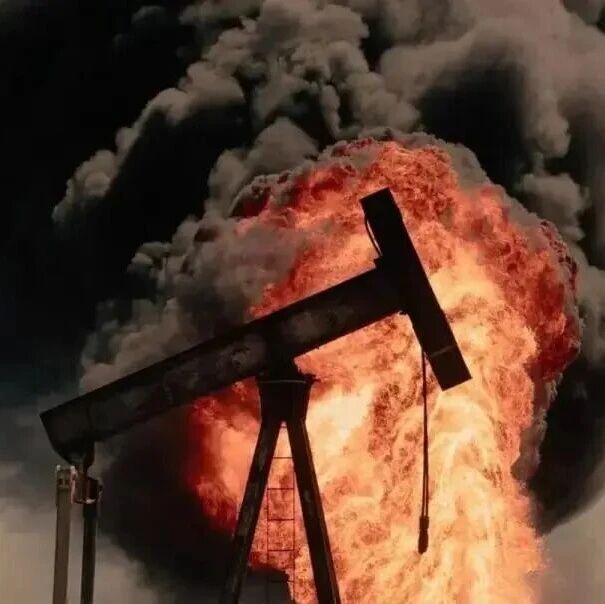
原油破百、美股期货重挫、VIX恐慌指数飙升!分析师警告:市场最糟糕时期尚未到来!
美股IPO· 2026-03-09 03:09
Group 1 - The core viewpoint of the articles highlights the escalating geopolitical tensions in the Middle East, particularly the conflict involving Iran, which has led to significant disruptions in oil supply and increased market volatility [1][3][4] - WTI crude oil prices surged approximately 19% last week, reaching around $108 per barrel, following a record increase of 36% in the previous week, indicating a volatile oil market influenced by geopolitical events [3] - The U.S. stock index futures fell by 1.5% on Monday, reflecting investor concerns over rising oil prices and inflation expectations, while the Australian 3-year government bond yield soared to its highest level since July 2011 due to these pressures [3] Group 2 - The Chicago Board Options Exchange Volatility Index (VIX) spiked to nearly 30, indicating heightened market volatility and investor anxiety, with spot prices exceeding their three-month futures prices, marking the largest price inversion in nearly a year [4] - Recent U.S. labor market data showed a decrease of 92,000 non-farm jobs last month, the largest drop since the pandemic began, contributing to rising unemployment rates at 4.4%, which may influence monetary policy decisions [4] - The ongoing crisis has created a dilemma for investors, balancing the risks of high oil prices leading to renewed inflation against signs of a cooling U.S. labor market that may necessitate monetary easing [3]

首席点评:政策托底,商品波折
Shen Yin Wan Guo Qi Huo· 2026-03-09 03:00
1. Report's Industry Investment Rating - The report provides a possibility judgment for various varieties, with "cautiously bullish" for many including stock indices (IH, IF, IC, IM), bonds (TF, TS), crude oil, etc., and "cautiously bearish" for some like rebar, hot - rolled coil, iron ore, etc. [6] 2. Core View of the Report - The market focuses on China's policy support and global commodity fluctuations. Domestically, there are policies like GDP growth expectations and a national - level merger fund, along with a moderately loose monetary policy. Internationally, geopolitical conflicts increase commodity uncertainties. Different commodities have their own influencing factors and price trends. [1] 3. Summary by Relevant Catalogs 3.1. Chief Comment - The market focuses on China's policy support and global commodity fluctuations. Domestically, the NDRC expects GDP growth to exceed 6 trillion yuan this year and a national - level merger fund is set up. The central bank will implement a moderately loose monetary policy. Internationally, geopolitical conflicts intensify commodity uncertainties, with energy and precious metals affected. [1] 3.2. Key Varieties Crude Oil - Due to the ongoing conflict in the Persian Gulf, the shipping in the Strait of Hormuz is paralyzed, cutting off oil supply and pushing up crude - oil futures. There are a series of supply disruptions and storage crises, and some countries have cut production. [2][12] Gold - Short - term: The Fed's lower - than - expected interest - rate cut expectations and a stronger US dollar suppress precious metals. Long - term: Multiple factors like geopolitical risks, anti - inflation needs, and de - dollarization support the upward trend of gold. Silver, platinum, and palladium follow the overall trend with larger fluctuations. [3][18] Methanol - Methanol night - trading rose 5.43%. The average operating load of coal - to - olefin (methanol) plants decreased, and the overall methanol plant operating load decreased slightly compared to the previous period but increased compared to the same period last year. Coastal methanol inventory is at a medium - high level historically and is rising. [4][13] 3.3. Variety Views - A table shows the possibility judgment of "cautiously bearish" or "cautiously bullish" for various varieties, but it is a possibility judgment rather than a definite one. [6] 3.4. Main News Focus of the Day International News - Israel warns about Iran's leadership change, threatening those involved in the election. [7] Domestic News - At a press conference, officials from the Ministry of Finance, the central bank, and the NDRC announced more active fiscal policies, interest - rate regulation, and the establishment of a national - level merger fund. The central bank will use multiple monetary policy tools. [7] Industry News - China's gold reserves increased for the 16th consecutive month in February. [7] 3.5. Daily Returns of Overseas Markets - The report provides the price, change amount, and change rate of various overseas market varieties such as the S&P 500, FTSE China A50 futures, ICE Brent crude oil, etc. from March 5th to March 6th. [8] 3.6. Morning Comments on Major Varieties Financial Stock Indices - US stock indices fell, while domestic stock indices rebounded. As annual and first - quarter reports are released, the market will shift from "expectation - driven" to "profit - driven". In the long run, stock indices will return to a structural market. [9] Bonds - Bonds fluctuated narrowly. The central bank's net reverse - repurchase withdrawal this week did not significantly tighten the money market. Overseas factors and domestic policies support bond - futures prices in the short term. [10][11] Energy and Chemicals Crude Oil - The Persian - Gulf conflict disrupts oil supply, leading to a significant increase in crude - oil futures prices. [12] Methanol - Methanol prices rose at night. The operating load of related plants decreased, and coastal inventory increased. [4][13] Rubber - Geopolitical conflicts drive up the price of crude oil, which in turn supports the price of rubber. The supply is seasonally low, and the demand is expected to recover after the holiday, so the rubber price is expected to be strong. [14] Polyolefins - Polyolefins continued the bullish trend on Friday. The increase in international crude - oil prices boosts polyolefins. [15] Glass and Soda Ash - Glass futures closed up, with inventory increasing after the holiday. Soda - ash futures rebounded, and the supply is high with inventory accumulation, facing inventory - digestion pressure. [16][17] Metals Precious Metals - Short - term suppression and long - term upward trend due to various factors such as US employment data, inflation, and de - dollarization. [3][18] Copper - Copper prices fell at night. Concentrate supply is tight, and downstream demand is mixed. The price may fluctuate in a range. [19] Zinc - Zinc prices rose at night. Concentrate supply is temporarily tight, and downstream demand is mixed. The price may follow the overall trend of non - ferrous metals. [20] Aluminum - Shanghai aluminum prices rose. The conflict affects aluminum production and transportation in the Middle East, and the long - term low inventory and supply constraints support the price. [21] Black Metals Coking Coal and Coke - Coking coal supply increased, and demand weakened in the short term. However, with the resumption of work, the demand is expected to improve, and the price may be affected by geopolitical conflicts. [22] Agricultural Products Protein Meal - Bean and rapeseed meal prices were strong at night. Brazil's soybean production forecast was lowered, and supply disruptions in the Middle East supported US soybean prices, so the domestic protein - meal price is expected to be strongly volatile. [23] Oils and Fats - Oil prices continued to be strong at night. Malaysia's palm - oil inventory is expected to decline, and geopolitical risks and bio - fuel expectations support the price, which is expected to remain high and volatile. [24] Pigs - The pig market is weak, with sufficient supply and weak consumption. The short - term price is expected to continue to bottom out. [25] Shipping Index Container Shipping to Europe - The EC index fell on Friday. The SCFI European - line price rose slightly. Geopolitical conflicts in the Middle East affect the shipping market, and the freight rate will enter a period of greater volatility. [26]
金融期货早评-20260309
Nan Hua Qi Huo· 2026-03-09 02:46
1. Report Industry Investment Rating No relevant content provided. 2. Core Views of the Report - The recent escalation of geopolitical conflicts in the Middle East has become the core disturbing factor in the global financial market, and the market has quickly formed five types of asset trading logics: risk - aversion, event - driven, repair, new main - line, and hedging. In 2026, China's economy will maintain a stable and progressive rhythm in a complex situation, with five major trends advancing in synergy, significantly enhancing the allocation value of Chinese assets. Gold also shows long - term allocation significance in the volatile pattern [2]. - The short - term trend of RMB exchange rate is affected by the resilience of the US dollar index, and it is difficult to restart the trend of appreciation. The key observation point is the change in corporate foreign exchange settlement willingness. Export enterprises can lock in forward foreign exchange settlement in batches at around 6.93, and import enterprises can adopt a rolling foreign exchange purchase strategy at the 6.82 mark [3][4]. - The short - term trend of stock index is expected to be dominated by shock repair. The impact of overseas factors is weakening, and policy signals during the Two Sessions provide support. If there are more favorable policies, the stock index may turn stronger [6]. - For treasury bonds, the T2606 contract can hold a small number of medium - term long positions, and short - term trading should be on hold. The market is affected by the situation of the US - Iran war and A - share trends. If the stock market adjusts significantly, the safe - haven sentiment may drive the bond market up [7]. - The short - term price of container shipping on the European line will maintain high volatility, and the market is dominated by geopolitical news. Trend traders are advised to wait and see or participate with a light - position short - term strategy. Arbitrageurs can consider the 08 - 10 spread for positive arbitrage [11]. - The industrial silicon and polysilicon industries are at the bottom of the cycle, waiting for capacity clearance and improvement in the supply - demand pattern. The Middle East conflict may increase the demand for distributed energy, and photovoltaic is an important part of the energy structure transformation [14]. - The short - term trend of aluminum is volatile and bullish, alumina is in shock consolidation, and cast aluminum alloy is volatile and bullish. The price of aluminum is mainly affected by the geopolitical conflict in the Middle East. The price of copper is in a shock - adjustment pattern, and the key window for verifying the inventory inflection point is in mid - to late March. Zinc is weak in the short term and bullish in the medium term. Nickel - stainless steel is in a short - term shock, and tin is in a narrow - range shock. Lead is in shock adjustment [16][18][22][23][25]. - For oilseeds, the price is driven by funds and geopolitics. The price of domestic soybean meal and rapeseed meal will follow the trend of US soybeans in the short term. The strategy is to conduct positive arbitrage between spreads or widen the spread between soybean meal and rapeseed meal. For oils, the short - term price is easy to rise and difficult to fall, and the focus is on the US - Iran conflict and the navigation situation in the Strait of Hormuz [27][32]. - The price of crude oil is mainly affected by the Middle East situation. The key factors to watch are the degree of "physical blockade" of the Strait of Hormuz and the development of the US - Iran situation. The price of fuel oil is supported by China's export suspension and Indonesia's festival demand. The price of asphalt is completely driven by the cost of crude oil, and the short - term core factor is the geopolitical disturbance [37][39][40]. - For platinum and palladium, the long - term bull market foundation remains, but short - term adjustments may occur due to the delay of interest - rate cut expectations. For gold and silver, the strategy is to be bullish in the long - term, and pay attention to the support levels. Be vigilant against short - term technical corrections and panic selling [45][49]. - For pulp, the market is slightly bullish, and short - term interval trading can be carried out, while medium - term low - buying strategies can be considered. For offset paper, short - term high - selling strategies can be considered. For pure benzene and styrene, they are expected to be strong before the problem of navigation in the Strait of Hormuz is solved. For LPG, the price is affected by the Middle East war and the supply situation. For methanol, it may catch up with the increase of olefins next week. For plastics and PP, they are expected to be strong before the situation in the Middle East eases. For rubber, natural rubber is expected to be in shock, and synthetic rubber is relatively easy to rise and difficult to fall. For urea, the war risk may drive up the price. For glass and soda ash, the price is affected by the fundamentals and market sentiment [51][53][55][57][58][61][67][69]. - For steel products, the short - term price is supported by the cost of raw materials, but the rebound height is limited. The price of iron ore has support in the near - term but limited upside space. The price of coking coal and coke has a bottom support but limited price elasticity. The price of ferroalloys has cost support but limited upside due to weak downstream demand [72][74][77][79]. - For live pigs, the price is at the bottom, and a sell - call option strategy can be adopted. For cotton, the price is in a narrow - range shock adjustment. For sugar, the price is in a low - level rebound, but there is no clear trend - reversal basis. For apples, the futures price is strong, driven by fundamentals and delivery logic. For jujubes, the price is in a low - level shock. For logs, an interval trading strategy can be adopted, and long - term low - buying opportunities can be considered [82][84][87][94][96][97]. 3. Summary by Directory 3.1 Macro - **Market Information**: The conflict in the Middle East continues to escalate. Iran's oil storage facilities are attacked, and there are differences between the US and Israel on the scope of strikes. The US cancels the navigation warning for commercial ships. The US discusses seizing Iran's strategic oil export terminal. In Iran, Hamedani's son is elected the new supreme leader, and Trump considers military options against Iran. The US non - farm payrolls in February decreased by 92,000, and the unemployment rate rose to 4.4% [1]. - **Core Logic**: The escalation of the Middle East conflict has led to a resurgence of global stagflation concerns. The unexpected negative non - farm payrolls data in the US has raised concerns about the economy, but the economic fundamentals may not be as pessimistic as the data shows. The RMB exchange rate is affected by the US dollar index and corporate foreign exchange settlement willingness [1][3]. 3.2 Stock Index - **Market Review**: The stock index rose collectively last trading day, with small - and medium - cap stock indexes performing relatively strongly. The trading volume of the two markets shrank to about 2.2 trillion yuan. In the index futures market, IH increased in volume, while other varieties increased in price with shrinking volume [5]. - **Important Information**: Hamedani's son is elected the new supreme leader of Iran. The non - farm payrolls in the US in February decreased by 92,000, and the unemployment rate rose to 4.4%. The output value of six emerging pillar industries is expected to exceed 10 trillion yuan by 2030 [5][6]. - **Market Analysis**: The stock index rebounded last Friday, mainly a repair after the impact of geopolitical factors. The overseas situation still has uncertainties, but the impact on the A - share market is weakening. Policy support during the Two Sessions may drive the stock index to turn stronger [6]. 3.3 Treasury Bonds - **Market Review**: Treasury bonds rose last week due to safe - haven sentiment and then maintained a narrow - range shock. The funds were loose, but tightened marginally on Friday. The yields of 10 - year and 30 - year treasury bonds were basically the same as the previous week [6]. - **Important Information**: The non - farm payrolls in the US in February decreased by 92,000, and the unemployment rate rose to 4.4%. Trump said there will be no agreement with Iran unless it surrenders unconditionally [7]. - **Market Analysis**: The information from the Two Sessions has a neutral impact on the bond market. The GDP target is in the range of 4.5% - 5.0%, and the fiscal deficit rate remains at 4%. The policy support for the bond market is limited. If the stock market adjusts significantly, the safe - haven sentiment may drive the bond market up [7]. 3.4 Container Shipping on the European Line - **Market Review**: The near - month contracts of the container shipping index (European line) futures market opened high and went high on March 6. The main contract EC2504 rose 7% compared with the previous trading day. The far - month contracts were relatively weak, showing a pattern of strong near - term and weak far - term [9]. - **Information Sorting**: The US - Iran conflict has both positive and negative impacts on the European line. Positive factors include the increase in war risk insurance premiums and fuel costs, the price increase by shipping companies, and the delay of the resumption of navigation in the Red Sea. Negative factors include the uncertainty of the conflict, the weak demand in the spot market, and the risk of over - supply due to the re - allocation of idle capacity [10]. - **Market Analysis**: The short - term price of container shipping on the European line will maintain high volatility, and the market is dominated by geopolitical news. Trend traders are advised to wait and see or participate with a light - position short - term strategy. Arbitrageurs can consider the 08 - 10 spread for positive arbitrage [11]. 3.5 Commodities 3.5.1 New Energy (Industrial Silicon and Polysilicon) - **Market Review**: The weighted contract of industrial silicon futures closed at 8,697 yuan/ton last week, with a weekly increase of 3.51%. The trading volume decreased by 10.08% week - on - week, and the open interest decreased by 62,600 lots. The weighted index contract of polysilicon closed at 41,576 yuan/ton, with a weekly decrease of 11.09%. The trading volume decreased by 7.36% week - on - week, and the open interest decreased by 7,167 lots [13]. - **Industry Performance**: The spot market of industrial silicon and the photovoltaic industry chain was generally weak last week, mainly in the process of inventory reduction. The production of industrial silicon increased week - on - week, while the production of polysilicon decreased by 5.05%. The inventory of industrial silicon decreased by 0.7 million tons, and the inventory of polysilicon increased by 1.01% [14]. - **Market Analysis**: The Middle East conflict may increase the demand for distributed energy, and photovoltaic is an important part of the energy structure transformation. The industry is at the bottom of the cycle, waiting for capacity clearance and improvement in the supply - demand pattern [14]. 3.5.2 Non - ferrous Metals - **Aluminum Industry Chain** - **Market Review**: The main contract of Shanghai aluminum closed at 25,180 yuan/ton, with a month - on - month increase of 2.55%. The main contract of LME aluminum closed at 3,431 US dollars/ton, with a month - on - month increase of 4.21%. The price of alumina and cast aluminum alloy also increased [16]. - **Core View**: The price of aluminum is mainly affected by the geopolitical conflict in the Middle East. The conflict affects the supply and cost of aluminum in the Middle East, and the market expectation of conflict mitigation will lead to a decline in the premium. The price of alumina is affected by the price of aluminum, and the price of cast aluminum alloy has a strong follow - up to the price of aluminum [16][18]. - **Market Analysis**: The short - term trend of aluminum is volatile and bullish, alumina is in shock consolidation, and cast aluminum alloy is volatile and bullish [18]. - **Copper** - **Market Review**: The price of copper decreased last week, with the Shanghai copper weighted index trading volume decreasing by 17.8% week - on - week and the open interest increasing by 0.24%. The price of LME copper and COMEX copper also decreased [18][19]. - **Industry Information**: The inventory of copper in the Shanghai Futures Exchange and LME increased. The National Development and Reform Commission announced policies to boost consumption and investment. The US dollar strengthened due to the Middle East conflict and rising oil prices [20][21]. - **Market Analysis**: The core logic of copper price has switched to a shock - adjustment pattern of "high inventory suppression + macro uncertainty + strong US dollar". The key window for verifying the inventory inflection point is in mid - to late March. It is recommended to adopt an interval trading strategy [21]. - **Zinc** - **Market Review**: The weighted contract of Shanghai zinc closed at 24,295 yuan/ton. The spot price of 0 zinc ingot was 24,150 yuan/ton, and the spot price of 1 zinc ingot was 24,080 yuan/ton [22]. - **Core Logic**: The price of zinc was weak during the day and fluctuated narrowly at night. The unexpected non - farm payrolls data strengthened the expectation of interest - rate cuts, providing support for the weak market. The supply of zinc concentrate may be affected by the situation in Iran, and the demand is gradually recovering, but the inventory pressure is relatively large [22]. - **Market Analysis**: Zinc is weak in the short term and bullish in the medium term [22]. - **Nickel - Stainless Steel** - **Market Review**: The main contract of Shanghai nickel closed at 137,550 yuan/ton, with an increase of 0.59%. The main contract of stainless steel closed at 14,170 yuan/ton, with an increase of 0.04% [23]. - **Industry Performance**: The spot price of nickel and stainless steel changed slightly. The inventory of pure nickel and stainless steel decreased. The profit of nickel - iron and stainless steel production was relatively stable [23]. - **Market Analysis**: The short - term trend of nickel - stainless steel is in shock, and the market is affected by the situation in Indonesia and the expectation of interest - rate cuts. The demand in the peak season provides some support [24]. - **Tin** - **Market Review**: The weighted contract of Shanghai tin closed at 393,600 yuan/ton. The spot price of SMM 1 tin was 396,950 yuan/ton [25]. - **Core Logic**: The price of tin fluctuated narrowly, and the night - session continued the trend. The situation in Iran and the unexpected non - farm payrolls data provided support for the metal. The supply of tin is relatively tight, and the demand is gradually recovering, but the high inventory suppresses the price [25]. - **Market Analysis**: Pay attention to the support of the MA60 line [25]. - **Lead** - **Market Review**: The weighted contract of Shanghai lead closed at 16,781 yuan/ton. The spot price of 1 lead ingot was 16,600 yuan/ton [25]. - **Core Logic**: The price of lead fluctuated narrowly, mainly due to the price pressure and inventory accumulation expectation. The supply and demand of lead are both weak, and the price is expected to maintain a shock - adjustment pattern [25]. - **Market Analysis**: The price of lead is expected to be in shock, and an interval trading strategy can be adopted [25]. 3.5.3 Oils and Feeds - **Oils** - **Market Review**: The oil sector strengthened, driven by the increase in crude oil prices and the expectation of biodiesel demand. The Chicago soybean oil futures reached a record high, driving up the domestic oil prices [32]. - **Supply - Demand Analysis** - **Soybean Oil**: The cost is driven up by the increase in CBOT soybean futures, and the supply pressure is relieved due to the low arrival volume of soybeans in the first quarter. However, the global soybean supply is still abundant, which restricts the upward space of soybean oil prices [32]. - **Palm Oil**: It is in the traditional production - reduction season, and the production in Malaysia is decreasing, which supports the price. However, the export is weak, which restricts the upward momentum [33]. - **Rapeseed Oil**: The raw material supply is abundant, and the global rapeseed production is increasing. The market is optimistic about the resumption of Canadian rapeseed imports, and the supply is expected to be loose [33]. - **Market Analysis**: The short - term focus is on the US - Iran conflict and the navigation situation in the Strait of Hormuz. The strength of the three oils is different [33]. - **Feeds** - **Market Review**: The price of US soybeans continued to rise, and the domestic market followed suit. The spot price of soybeans increased over the weekend [27][30]. - **Supply - Demand Analysis** - **Imported Soybeans**: The arrival volume in March is about 5 million tons, and in April is about 9 million tons. The supply pressure is expected to decrease due to geopolitical disturbances and the delay of domestic reserve sales [27][30]. - **Domestic Soybean Meal**: The spot market is relatively calm, and the basis continues to shrink. The inventory of soybean meal is expected to increase, and the downstream procurement is not active