美股研究社

Search documents
黄仁勋是否说过“中国会赢”,也许已经不那么重要
美股研究社· 2025-11-14 10:39
Core Viewpoint - The article discusses the contrasting paths of AI development in China and the US, highlighting China's potential to challenge the prevailing narrative dominated by Silicon Valley giants like OpenAI and Nvidia, particularly in terms of cost efficiency and innovation [4][6][24]. Group 1: AI Competition Landscape - Huang Renxun's statement about China potentially winning the AI race has sparked significant discussion, emphasizing the need for the US to accelerate its efforts in AI development [4][5]. - The article outlines two distinct paths in AI development: the high-cost, high-expectation model of US companies like Nvidia and OpenAI versus the efficiency-driven approach of Chinese firms such as DeepSeek and MiniMax [6][24]. - Chinese AI companies are seen as capable of "bursting" the AI bubble by focusing on practical applications and cost-effective solutions, suggesting that innovation can thrive without excessive spending [7][24]. Group 2: Market Dynamics and Valuation - Concerns about an "AI bubble" are growing, with significant investments in infrastructure raising questions about the sustainability of high valuations in the sector [10][24]. - A report from Jefferies indicates that between 2023 and 2025, China's major cloud providers will spend $124 billion, which is 82% less than their US counterparts, while maintaining competitive performance in AI models [10][24]. - The article highlights that Chinese AI companies are achieving high returns on investment (ROI), with MiniMax's training costs being significantly lower than those of comparable US models, indicating a potential undervaluation of Chinese firms [24][29]. Group 3: Technological Advancements - Chinese AI firms are rapidly innovating, with models like MiniMax M2 demonstrating superior performance at a fraction of the cost of US counterparts, leading to increased adoption among developers [18][22]. - The emergence of open-source models from Chinese companies is reshaping the competitive landscape, challenging the traditional closed-source model prevalent in Silicon Valley [24][28]. - MiniMax's annual recurring revenue (ARR) has reached $100 million, showcasing the successful transition from model development to product commercialization [29]. Group 4: Future Outlook - The article suggests that the narrative in the AI sector may shift from "scaling limits" to "efficiency limits," with Chinese companies poised to lead in this new paradigm [30][31]. - Long-term confidence in Chinese AI development is emphasized, as companies continue to refine their strategies and technologies to maximize output and minimize costs [31].


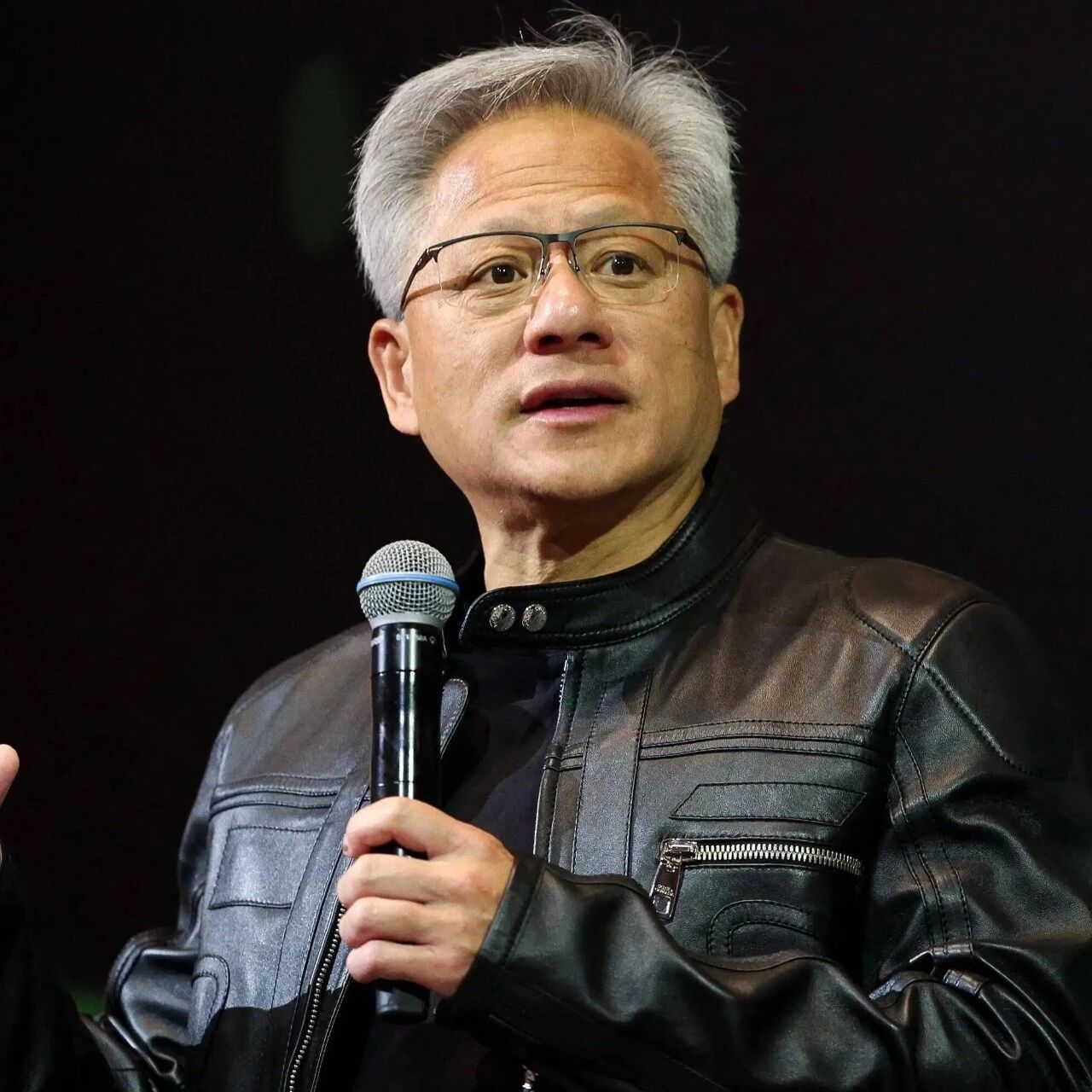
英伟达 Q3 财报前瞻:利润率稳健,但中国市场遇挑战
美股研究社· 2025-11-14 10:39
Core Viewpoint - Nvidia is expected to maintain strong profitability and growth, with optimistic projections for future earnings and revenue growth, despite facing challenges in the Chinese market [4][8]. Financial Performance - Nvidia's adjusted EPS for the last quarter was $1.05, with total revenue of $46.74 billion, exceeding market expectations. For the upcoming quarter, adjusted EPS is projected to reach $1.25, a 19% quarter-over-quarter increase, while revenue is expected to be $54.8 billion, a 17% increase [1]. - Analysts predict a compound annual growth rate (CAGR) of 22.0% for EPS and 20.2% for revenue over the next five years, indicating more than double growth in both metrics [4]. - The projected profit margin is expected to expand, with the adjusted net profit margin increasing from 55.3% to 56.2% in the next quarter [1]. Growth and Profitability Projections - By January 2026, EPS is projected to be $4.54, with revenue at $207.33 billion and a profit margin of 53.98%. By January 2028, EPS is expected to reach $8.47, with revenue of $356.75 billion and a peak profit margin of 58.52% [5]. - The average net profit margin over the next five years is anticipated to be 57.0% [4]. Market Dynamics - Nvidia's market share in the Chinese AI chip market is projected to decline from 66% in 2024 to 54% in 2025, primarily due to the rise of domestic competitors and complexities in chip supply recovery [8]. - Domestic AI chip manufacturers, such as Huawei, are rapidly iterating their products, which may further pressure Nvidia's market position [9]. Competitive Landscape - The growth of domestic AI chips may impact Nvidia's pricing power, which has been strong due to its near-monopoly in high-performance AI chips. The increasing competition could lead to price pressures and a potential loss of market share [13]. - Analysts note that the Chinese market's scale provides local companies with opportunities to grow and develop their ecosystems, potentially leading to competition beyond China [13].
虎牙Q3营收16.9亿创九季新高!第二曲线真的破局成功了?
美股研究社· 2025-11-14 10:39
Core Viewpoint - Huya Inc. reported its Q3 2025 financial results, showing a revenue increase of nearly 10% year-on-year, marking the highest revenue in nearly nine quarters, with game-related services, advertising, and other business revenues surpassing 30% for the first time, indicating a significant step in its transformation from a gaming live-streaming platform [1][3][4]. Revenue Performance - The total revenue for Q3 reached 1.69 billion yuan, reflecting a year-on-year growth of 9.8%, a notable improvement compared to less than 2% growth in the first half of the year [3][4]. - Live streaming revenue stabilized at 1.16 billion yuan, growing approximately 3% year-on-year, marking the first positive growth since Q3 2021 [4][8]. Business Segments - The gaming-related services, advertising, and other revenues surged to 532 million yuan, a year-on-year increase of 29.6%, accounting for over 31.5% of total revenue, indicating the success of Huya's strategic shift towards becoming a comprehensive gaming ecosystem service provider [7][8]. - The growth in this segment is attributed to deep collaborations with game developers like Tencent, which have diversified revenue sources and significantly boosted advertising income [8][9]. Financial Health - Gross profit for the quarter was 227 million yuan, up 11.3% year-on-year, with a slight increase in gross margin to 13.4% [8]. - Cash reserves stood at 3.828 billion yuan, providing liquidity for future investments in event ecosystems and new business expansions [8]. Long-term Challenges - The sustainability of the second growth curve as a stable revenue pillar remains uncertain, with concerns about the dependency on Tencent's games and the potential risks associated with this reliance [9][11]. - The growth rate of the gaming-related services has shown signs of decline, dropping from 145.4% in 2024 to 29.6% in Q3 2025, raising questions about its ability to fill the gap left by slowing live streaming revenue [11]. - Regulatory pressures in the live streaming and gaming sectors pose additional uncertainties for Huya's content operations [12]. Market Outlook - The global esports industry is in a recovery phase, with projected revenue growth in the Chinese esports sector expected to reach 27.568 billion yuan in 2024, indicating a favorable environment for Huya's strategic initiatives [9][10]. - Analysts have recognized the improvement in Huya's fundamentals, with predictions of continued revenue and profit growth, contingent on the effective collaboration between new business lines and the existing live streaming ecosystem [13].


思科财报解读:低估值 + 稳增长,科技老将的投资吸引力凸显
美股研究社· 2025-11-13 11:24
Core Viewpoint - Cisco Systems (CSCO) is a well-established technology company that, while not the fastest-growing, is expected to attract investors seeking both growth and low valuation due to its steady growth pace and reasonable valuation [1]. Financial Performance - Cisco's Q1 FY2026 earnings report showed that both revenue and earnings per share exceeded market expectations, continuing a trend of 13 consecutive quarters of outperforming expectations, indicating a tendency for analysts to underestimate Cisco [2][4]. - The company's Q1 revenue grew by 7.5% year-over-year, which is considered a healthy growth rate compared to recent levels, where revenue growth was around 5% to 6% in FY2025, and a decline was noted the previous year [4][5]. Revenue Breakdown - Cisco's total revenue for the quarter was $14.9 billion, with the network equipment segment contributing $7.8 billion, accounting for slightly over 50% of total revenue. This segment's revenue grew by 15% year-over-year, outperforming other business segments [7]. - The network equipment market is expected to continue expanding due to increased investments in data centers by major tech companies like Amazon and Google, which will benefit Cisco despite competition from Arista Networks [8]. Geographic Distribution - Cisco's revenue is heavily concentrated in the Americas, contributing approximately 60% of total revenue, with Europe, the Middle East, and Africa (EMEA) and Asia-Pacific accounting for about 25% and 15%, respectively. The Americas saw a year-over-year growth of 9%, while other regions grew around 5% [8]. Order Growth and Profitability - Product orders for Q1 increased by 13% year-over-year, with the Americas showing the fastest growth at 16%. Orders from service providers and cloud service customers surged over 40% [8]. - Cisco's Q1 net profit grew by 9%, driven by improved operating profit margins and controlled operating expenses, which only increased by 3%, highlighting effective cost management [9]. Future Outlook - Cisco's revenue guidance for the current quarter suggests a year-over-year growth of about 8%, with an expected total revenue of approximately $60.6 billion for FY2026, reflecting a growth of about 7% compared to FY2025 [11]. - Analysts anticipate an annual growth of around 10% in earnings per share, supported by profit margin improvements and stock buybacks, with the current price-to-earnings ratio at 17 to 18 times, indicating it is not overvalued [12].

AI日报丨百度发布文心大模型5.0,Meta承诺超10亿美元资金建设数据中心
美股研究社· 2025-11-13 11:24
Group 1 - The rapid development of artificial intelligence technology is creating widespread opportunities in various sectors [3] - Baidu has launched its Wenxin large model 5.0, which excels in multimodal understanding, creative writing, and instruction following, positioning itself at a global leading level [5] - Stanford professor Fei-Fei Li's startup World Labs has introduced the first commercial world model, Marble, which supports large-scale multimodal interactions to create and edit 3D worlds [6] Group 2 - Meta Platforms is investing over $1 billion to build an AI data center in Beaver Dam, Wisconsin, which will support AI operations and create approximately 100 full-time jobs [9] - The data center will cover 700,000 square feet and is expected to be operational by 2027, with an additional $200 million investment in energy infrastructure [9] - Meta is collaborating with Alliant Energy for the energy infrastructure upgrades necessary to support the data center [9] Group 3 - Quark AI glasses have applied for a patent for their "Super Raw low-light processing algorithm," which aims to enhance image quality in low-light conditions by reducing noise [7]



孙正义出手!软银清仓英伟达,套现58亿美元转向其它AI投资
美股研究社· 2025-11-13 11:24
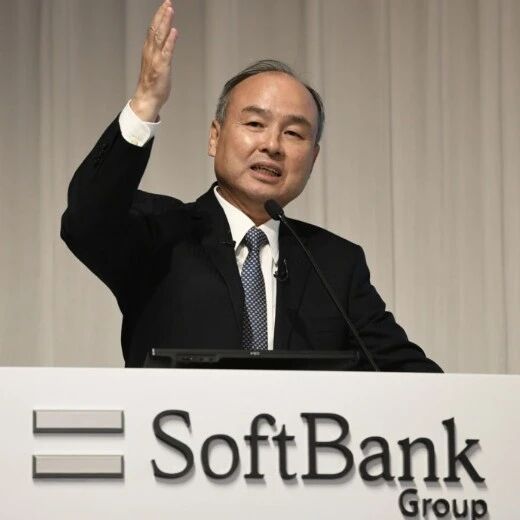
Group 1 - SoftBank Group has completely liquidated its holdings in NVIDIA, cashing out approximately $5.8 billion as founder Masayoshi Son plans significant investments focused on AI [5][6] - The company reported a net profit of 2.5 trillion yen (approximately $162 billion) for the second quarter of the fiscal year ending September 30, significantly exceeding market analysts' expectations of 418.2 billion yen [5][6] - SoftBank's stock price surged by 78% in the three months ending September 30, marking its best quarterly performance since Q4 2005, driven by substantial gains from its AI-related investments [6] Group 2 - Masayoshi Son is actively betting on the AI and semiconductor industries while reducing investments in other sectors, with plans including a $30 billion investment in OpenAI and discussions with TSMC regarding a $1 trillion AI manufacturing center in Arizona [6][7] - The company faces challenges in raising funds for new investments, including the $20 billion for OpenAI and $6.5 billion for acquiring Ampere Computing [7] - A report from Finimize indicates that the previous strategy of buying SoftBank for low-cost access to Arm shares and broader AI exposure has exceeded expectations, but the discount opportunity has largely disappeared, suggesting it may be a good time to sell and realize profits [7]
亚马逊:巨头的进击与隐忧
美股研究社· 2025-11-13 11:24
Core Viewpoint - Amazon has shown a 20% increase over the past year, significantly outperforming benchmark indices, with a forward P/E ratio of 35, indicating investor willingness to pay a premium for its growth potential [1][8]. Financial Performance - Amazon's Q3 2025 financial report revealed that it has exceeded market expectations for both revenue and earnings per share for five consecutive quarters, showcasing strong fundamentals and robust demand [3]. - On the first trading day after the earnings release, Amazon's stock price rose approximately 10% [4]. - North America contributed 59% of total sales, with net sales of $106.3 billion, a year-on-year increase of 11% [4][5]. - International business accounted for 23% of total sales, with net sales of $40.9 billion, reflecting a 14% year-on-year growth [4][6]. - Amazon Web Services (AWS) contributed 18% of total sales, with net sales of $33 billion, marking a 20% year-on-year increase, making it the fastest-growing segment [4][6]. - The company's net profit for Q3 was $17.4 billion, remaining stable year-on-year, primarily impacted by significant expenses related to legal settlements and layoffs [7]. Strategic Initiatives - Amazon is actively investing in artificial intelligence, launching new UltraServers powered by NVIDIA chips for complex AI model training and deployment [7]. - AWS has seen a 150% quarter-on-quarter increase in the adoption rate of its self-developed accelerator chip, Trainium2 [7]. - The AI tool Rufus has served approximately 250 million users this year, enhancing purchase conversion rates by 60% [7]. - Amazon has expanded its same-day delivery service for fresh food to over 1,000 towns in the U.S., with plans to cover about 2,300 towns by year-end [7]. - The company is also entering the sports streaming market, with Prime platform broadcasting NBA games, attracting viewers from around 200 countries [7]. Market Outlook - Analysts project that Amazon's diluted earnings per share will reach $7.04 in 2025, $7.80 in 2026, and $9.48 in 2027, with expected double-digit net profit growth in the coming years [8]. - A conservative estimate suggests a target price of $300 based on a forward P/E ratio of 32, which is 10% lower than the current ratio [8]. Competitive Position - Amazon's strategic initiatives and investments are expected to strengthen its competitive moat and support sustained growth, enhancing global brand recognition and maintaining market leadership [8][11]. - Despite potential risks, including market corrections and high capital expenditures in AI, the overall outlook remains positive, with more favorable factors than negative ones [9][11].


AI日报丨谷歌拟在德国投资64亿美元建设数据中心,AMD预计数据中心需求将加速销售增长
美股研究社· 2025-11-12 12:59
Group 1: AI Market Trends - The rapid development of artificial intelligence (AI) technology is creating widespread opportunities in various sectors [3] - AMD's CEO Lisa Su forecasts that the company's annual revenue will grow by over 35% on average in the next 3-5 years, driven by strong demand for data center products, with AI data center revenue expected to grow by 80% on average [5] - The AI chip market is projected to reach a size of $1 trillion by 2030 [5] Group 2: Investment Strategies - CITIC Securities anticipates a high growth period for domestic AI chips by 2026, focusing on investment opportunities in cooling, PCB, power supply, and supply chain management [6] - There is an expected shift towards domestic chips as they enter mass production, leading to increased market concentration [6] - Companies like OpenAI are accelerating the commercialization of applications, presenting investment opportunities in AI's transformative potential across industries [6] Group 3: Regional Developments - Shanghai's action plan aims to promote the intelligent layout of the catering industry, targeting over 60% coverage of intelligent supply chain management by the end of 2028 [7] - The plan includes the establishment of AI-integrated dining scenarios and the introduction of AI nutrition analysts to provide personalized meal suggestions [7] Group 4: Major Corporate Investments - Google plans to invest €5.5 billion (approximately $6.4 billion) in Germany over the next four years for data center construction and operations [9] - Microsoft announced a $10 billion investment in Portugal to build AI infrastructure, marking one of the largest AI investment projects in Europe [10] - Apple's conservative approach to AI investments is now viewed favorably, positioning the company as a potential safe haven amid concerns over excessive spending in the AI sector by other tech giants [10]





超5万亿美元!摩根大通:全球AI基建“规模空前”,将影响所有资本市场
美股研究社· 2025-11-12 12:59
Core Viewpoint - Morgan Stanley warns that the $5 trillion AI boom will "squeeze" every credit market, with a projected funding requirement of $5 trillion to $7 trillion for AI data center construction over the next five years [2][3]. Funding Requirements - The report predicts that the investment-grade bond market will need to provide approximately $1.5 trillion, while leveraged finance markets will contribute around $150 billion, and data center asset securitization can only handle $30 billion to $40 billion annually, leaving a $1.4 trillion funding gap that will require private credit and government funds to fill [3][23]. Capital Market Dynamics - The construction of AI and data centers is expected to be a "remarkable and sustained capital market event," with a need for an additional 122 GW of data center infrastructure capacity from 2026 to 2030, and a more optimistic forecast suggesting a growth of 144 GW in the next three years [7][10]. Energy Constraints - Physical constraints, particularly in electricity supply, pose significant challenges, with natural gas turbine delivery times extending to 3-4 years and nuclear power plant construction taking over ten years [11]. Funding Sources - Major tech companies generate over $700 billion in operating cash flow annually, with an estimated $300 billion directed towards AI and data center investments [16]. - The high-grade bond market is expected to absorb about $300 billion in AI-related bonds within the next year, totaling $1.5 trillion over five years [17]. - The leveraged finance market can provide around $150 billion in funding over the next five years, while the securitization market is projected to absorb $30 billion to $40 billion annually [20][22]. Private Credit and Alternative Capital - There remains a significant funding gap of approximately $1.4 trillion that will primarily be filled by private credit and alternative capital, with the private credit market holding around $466 billion in capital [23][24]. Historical Context and Risks - The report draws parallels between the current AI investment frenzy and the telecom bubble of the early 2000s, highlighting the potential for a similar outcome if revenue growth does not keep pace with investment [28][29]. - Two core risks identified are monetization risk, requiring $650 billion in new revenue annually to achieve a 10% return, and disruptive technology risk, where advancements could render existing investments obsolete [30][31]. Conclusion - The report emphasizes that the wave of AI infrastructure development is irreversible and will inject unprecedented vitality into capital markets, but not all participants will emerge as winners, necessitating a careful understanding of capital flows and the identification of companies with sustainable competitive advantages [32].


Alphabet:持续兑现业绩,值得继续投入
美股研究社· 2025-11-12 12:59
Core Viewpoint - Google's third-quarter performance exceeded market expectations, showcasing strong revenue and net profit growth, driven by AI advancements and a resilient search business [3][4][5]. Financial Performance Overview - Revenue reached $102.35 billion, a year-over-year increase of 15.95%, surpassing analyst expectations by $2.21 billion [3]. - Net profit per diluted share (EPS) was $2.87, up 35% year-over-year, exceeding expectations by $0.61 [3]. - Operating profit margin decreased by 180 basis points to 30.5%, primarily due to a 22% increase in R&D expenses and a doubling of general and administrative expenses due to a $3.5 billion EU fine [3]. - Free cash flow grew by 39% year-over-year, totaling $73.55 billion over the past 12 months [3]. AI-Driven Growth in Search Business - The search business achieved its highest revenue growth in over three years, with double-digit growth maintained [4][5]. - AI features, such as AI Overviews and AI Mode, significantly contributed to this growth, particularly among younger users [5]. - Weekly usage of AI Mode doubled compared to the second quarter, with daily active users reaching 75 million [5]. Google Cloud Performance - Google Cloud revenue grew by 33.5% year-over-year and 11.3% quarter-over-quarter, with four out of the last five quarters exceeding 30% growth [6]. - Operating profit margin for Google Cloud improved by 660 basis points to 23.7% [6]. - The backlog for Google Cloud reached $155 billion, reflecting an 82% year-over-year and 46% quarter-over-quarter increase [6]. Capital Expenditure Insights - Concerns regarding increased capital expenditures for AI infrastructure are deemed unwarranted, as the increase is not significant [7]. - Management raised the 2025 capital expenditure guidance to between $91 billion and $93 billion, which is a modest increase [7]. - Strong demand for AI tools, evidenced by significant growth in AI product revenue, supports the rationale for increased capital spending [7][10]. YouTube Business Recovery - YouTube's advertising revenue showed strong recovery, achieving its highest growth rate since Q1 of the previous year, with revenue surpassing $10 billion for only the second time in 18 quarters [8]. - AI tools like Demand Gen have enhanced advertising efficiency, increasing conversion value by 40% for targeted advertisers [9]. Future AI Integration and Growth Potential - Future AI plans, including the integration of Gemini into various services, are expected to drive significant growth, particularly in the autonomous vehicle sector [9][10]. - The anticipated collaboration with Apple to enhance Siri using Gemini is projected to generate $1 billion annually for Apple [9].