雪涛宏观笔记

Search documents
下半年物价展望(国金宏观孙永乐)
雪涛宏观笔记· 2025-07-10 14:00
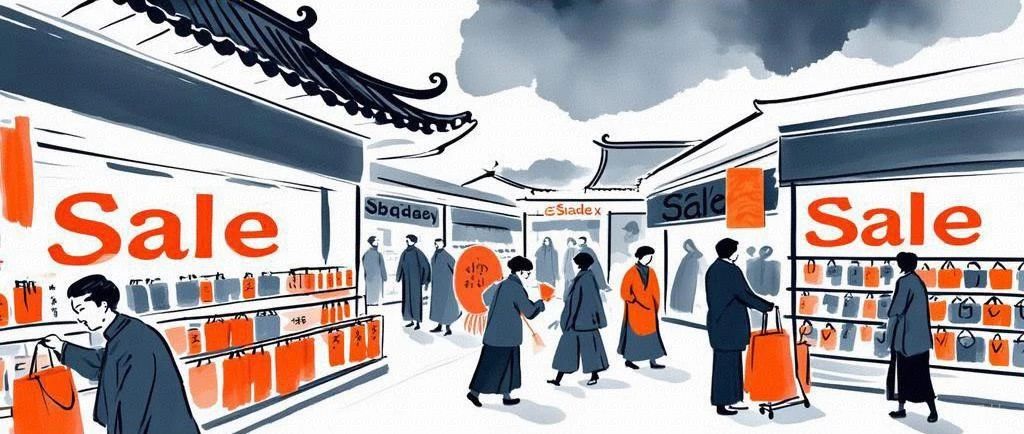
CPI Outlook for the Second Half of the Year - The core CPI has been rising since the beginning of the year, with June's core CPI at 0.7%, the highest since May 2024, driven mainly by core goods rather than services [2] - Service retail growth has slowed, with a year-on-year increase of 5.2% from January to May 2025, significantly lower than the 20% and 6.2% growth rates in 2023 and 2024 respectively [2] - The core goods CPI is expected to remain resilient in Q3, supported by the "old-for-new" policy, while facing high base pressure in Q4 [5][6] Service Prices - Service prices have shown a downward trend since 2020, with a year-on-year increase of only 0.4% expected in 2025 [8] - Tourism prices have weakened significantly, with a monthly average growth rate of -0.4% from January to June 2025, indicating a bottleneck in domestic cultural and tourism consumption recovery [9] Food Prices - Food items account for about 18% of the CPI, with pork prices being particularly volatile due to the pig cycle [13] - Pork prices are expected to remain low in Q3, with a potential slight recovery in Q4 as seasonal demand increases [14] Oil Prices - Oil-related products account for approximately 3.5% of the CPI, with Brent crude oil prices averaging $71.9 per barrel in the first half of the year, down 14.7% year-on-year [18] - Oil prices are expected to face downward pressure in the second half due to weak demand and ongoing supply pressures [19] PPI Outlook for the Second Half of the Year - The PPI has been in negative territory for 33 consecutive months, with significant price pressures across various industries [20] - Real estate investment and traditional infrastructure growth are dragging down building materials prices, contributing to a 0.9 percentage point decline in PPI [21] - The "anti-involution" policy is expected to impact prices in certain industries, potentially providing some support to related commodity prices [29] Overall Economic Indicators - The forecast for PPI in the second half of the year is a slight recovery to around -2.3%, with Q3 PPI growth expected at -2.5% [30] - The GDP growth target for the second half of the year is set at 4.6%-4.7% to achieve an annual growth rate of 5.3%-5.4% [30]

非农的三个谜团(国金宏观钟天)
雪涛宏观笔记· 2025-07-07 08:08
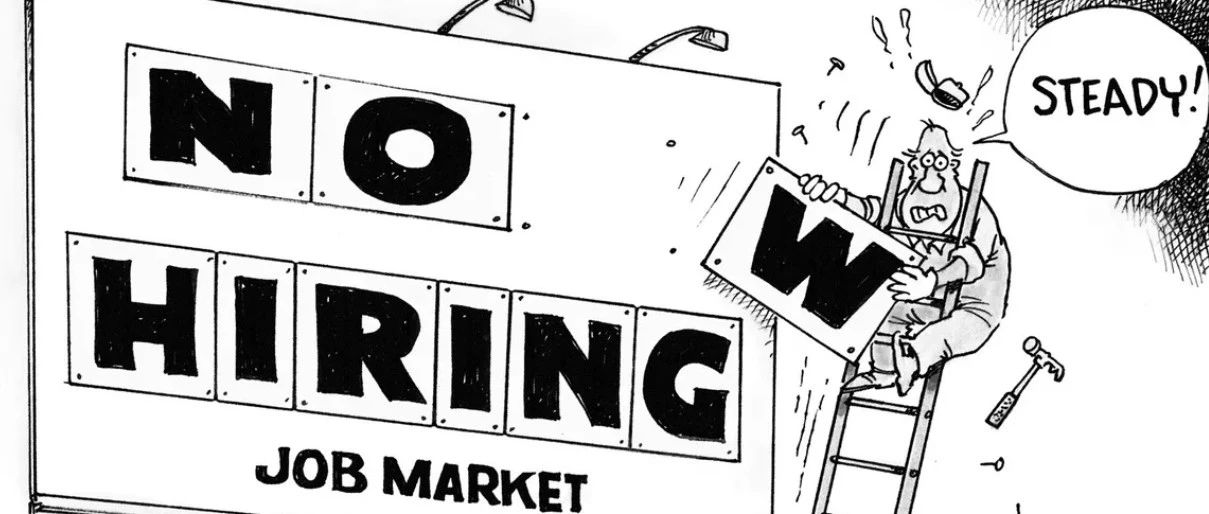
Core Viewpoint - The resilience of the U.S. labor market is increasingly challenged by underlying individual vulnerabilities, as highlighted by the recent non-farm payroll data, which shows a complex picture of employment dynamics [1][3][18]. Group 1: Non-Farm Payroll Data Insights - In June, the U.S. non-farm payroll added 147,000 jobs, exceeding the expected 110,000, with an unemployment rate of 4.12%, better than the anticipated 4.3% [3]. - A significant portion of the job growth came from government employment, particularly in education, which accounted for 27% of the total non-farm increase [4][8]. - The surge in education jobs is attributed to the phased reactivation of the ARP-ESSER funding, which has raised concerns about the sustainability of this growth due to budget constraints [6][8]. Group 2: Employment Trends in Education and Healthcare - The education and healthcare sectors remain the only bright spots in private employment, showing stability since 2020 [9]. - However, there are signs of concern, such as a continuous decline in working hours, approaching the lowest levels seen after the pandemic's onset in early 2020 [11]. Group 3: Youth Unemployment and Labor Participation - The decline in the unemployment rate is partly due to a drop in labor force participation, which has reached its lowest level since January 2023 at 62.3% [14]. - The participation rate among 16-19-year-olds has also fallen to its lowest since 2020, indicating a trend of young unemployed individuals opting to "lie flat" [14][15]. - The decrease in labor participation cannot solely be attributed to the absence of illegal immigrants, as high-skilled labor participation has seen a more significant decline compared to low-skilled labor [15]. Group 4: Divergence in Employment Data - There is a divergence between non-farm payroll data and other labor market indicators, such as the ADP small non-farm employment trends and the rising number of unemployment claims, suggesting a weakening private sector job market [18]. - Despite the seemingly strong non-farm report, the underlying trends indicate increasing challenges for the Federal Reserve, particularly with more young and high-skilled workers withdrawing from the job market [18].
国金高频图鉴 | Q2经济增速5.3%左右&汽车消费超季节性
雪涛宏观笔记· 2025-07-06 13:50
Group 1 - The issuance of government bonds accelerated in June, with a total issuance of 2.8 trillion yuan, up from 2.3 trillion yuan in the previous period, resulting in a net financing of 1.41 trillion yuan [3] - As of June 2025, the net financing scale of government bonds is projected to reach 7.8 trillion yuan, with an issuance progress of 56.2% [3] - The cumulative issuance progress for various types of bonds includes general bonds at 52.0%, special bonds at 47.5%, and new special refinancing bonds at 85.2% [3] Group 2 - In June, the retail sales of passenger cars reached 1.269 million units, representing a year-on-year growth of 24% and a month-on-month increase of 8% [4] - The surge in car purchases is attributed to three main factors: a new round of price wars among car manufacturers like BYD, discounts from the "618" shopping festival and the "old-for-new" policy, and increased demand for self-driving cars during the summer after the college entrance examination [4] Group 3 - The BCI index fell to 49.3 in June, dropping below the neutral line of 50, indicating cautious business expectations [5][7] - The decline in the BCI index reflects weakened confidence in future order growth and profit improvement, particularly among small and medium-sized enterprises [7] - The manufacturing PMI rose by 0.2 points to 49.7%, with production and new orders indices improving, suggesting a slight recovery in market demand [9] Group 4 - The economic resilience is maintained, with the GDP growth rate for the second quarter expected to be between 5.3% and 5.4% [10] - The combination of high-frequency data and PMI data supports the GDP growth estimate of around 5.3% for June [10]

宋雪涛:关税豁免日到期后会发生什么?
雪涛宏观笔记· 2025-07-05 07:59
Core Viewpoint - The article discusses the ongoing trade negotiations between the United States and various countries, focusing on the U.S. demands in the tariff negotiations and the potential outcomes as the July 9 deadline approaches [2][21]. Group 1: U.S. Demands in Tariff Negotiations - The U.S. aims to use "reciprocal tariffs" as leverage to increase government revenue, reduce fiscal spending, attract foreign investment, enhance supply chain security, and create a more favorable global operating environment for American companies [3]. - One of the primary demands is to expand U.S. exports, particularly in the energy and agricultural sectors, which account for an average of 28% of total U.S. exports over the past five years [4][5]. - The U.S. government seeks to reduce overseas spending, particularly foreign aid, using tariffs as a tool to compel recipient countries to lessen their dependency on U.S. support [6]. - Another key demand is to promote the return of manufacturing to the U.S. to enhance supply chain resilience, especially in critical industries like semiconductors and medical supplies [9][10]. Group 2: Specific Negotiation Developments - The U.S. has made significant progress in negotiations with countries like India, Pakistan, and Switzerland, with expectations of reaching trade agreements or frameworks [15][21]. - The article highlights specific investments from various countries, such as Diageo's $415 million investment in Alabama and Japan's $44 billion investment in a natural gas project in Alaska, indicating active engagement in trade discussions [11]. - The U.S. has also been addressing discriminatory taxes imposed by other countries, particularly the digital services tax (DST), which targets major U.S. tech companies [12][13]. Group 3: Potential Outcomes and Future Negotiations - As the July 9 deadline approaches, the U.S. has shown a fluctuating stance on tariff increases, indicating that the outcome will depend on the substantive compromises made by both parties [14][21]. - Countries like the EU and Japan face significant uncertainties in negotiations due to disagreements over issues like the digital services tax and automotive tariffs [18]. - The article suggests that countries with large trade deficits with the U.S. may agree to purchase more American goods and ease market access in order to reach trade agreements [16][20].
综合整治内卷与16年供改有何不同?(国金宏观赵宏鹤)
雪涛宏观笔记· 2025-07-04 01:59
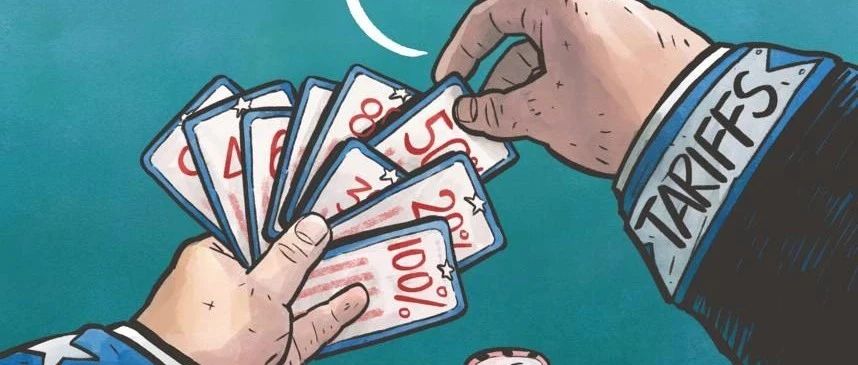
标本兼治解决问题,"标"是无序价格战,"本"是不正当竞争和地方保护主义,与16年 供改有明显不同 文:国金宏观宋雪涛/赵宏鹤 作为党中央领导财经工作的决策议事协调机构,中央财经委员会会议的规格和重要性很高。 相比部署 全面工作的政治局会议,财经委会议的召开频率更低、议题更聚焦。政治局会议部署经济工作一般是每 年的4、7、12月+不定期,年均3-4次;相比之下,十九届财经委5年间共召开11次会议,二十届财经 委至今召开过6次会议,年均2次。 更聚焦的议题有助于我们了解决策层的当下关切,对下一阶段的政策方向有重要指引。 例如,2022年 4月的十九届财经委第十一次会议,研究"全面加强基础设施建设"问题,随后基建投资一改2018- 2021年年均增长2%的低迷状态,2022年以来年均增速接近10%,中央财政通过"两重"(重大工程、 重点项目)投入了大量资金。再比如,2024年2月的二十届财经委第四次会议,研究"两新"(大规模 设备更新和消费品以旧换新)问题,可以说是"两新"政策在中央层面部署的起点。 7月1日的二十届财经委第六次会议,研究的问题之一是"纵深推进全国统一大市场建设",标志着改革 再提速。 "构建全国统 ...

宋雪涛:美股、美债、美元分别在定价什么?
雪涛宏观笔记· 2025-07-02 00:37
从政治经济学的角度看,当前市场一致预期具有脆弱性,线性外推可能会得出错误的 结论。 文:国金宏观宋雪涛/联系人钟天 从时间维度和可替代性的角度看,当前美股、美债与美元逐渐分野。美元定价的时间维度最长,美股最 短,美债居中;而美股的可替代性较低,美元的可替代性较高,美债亦居于中间。 根本原因是三者的核心驱动存在差异,美股目前是短期情绪和资金驱动的资产;美债则交织着短期衰退 预期和长期财政可持续性担忧;美元则是体现了中期关税因素和长期财政可持续性担忧。 美股:定价时间维度最短,当前由情绪和资金驱动 首先,美股趋于短期化,散户化;在 4 月初对等关税前,特朗普反向的政策预期(大力反移民、 DOGE 改革)明显冲击经济,而关税预期则强化市场冲击。 4 月后反弹主要由情绪和资金驱动:散户 成为主力,投机心理主导。 短期利好包括减税的持续推进、财政收缩缓和(如马斯克离开 DOGE )和关税冲击缓和(仅保留 10% 基线税,以及 90 天缓和期),在此基础上华尔街" TACO "心态助推短期情绪;但这些的可持 续并未受到明显重视。 其次,动摇美股根基的问题并没有得到解决。 AI 叙事动摇 :基座模型更新放缓,能力进步及商业 ...

国金高频图鉴 | “618”家电3C消费火爆&关注油价对通胀传导
雪涛宏观笔记· 2025-06-29 03:52
Group 1 - The "618" shopping festival in 2025 started a week earlier than in 2024, leading to significant sales growth driven by government subsidies [3][5] - Total online retail sales during the "618" period reached nearly 2 trillion yuan, with a year-on-year growth of approximately 9.8% [3] - Major platforms like Taobao Tmall, JD, Douyin, and Pinduoduo saw year-on-year sales growth of 4%, 17%, and 15% respectively [3] Group 2 - The "old-for-new" subsidy program has led to a surge in sales of home appliances and 3C digital products, with 113 brands achieving sales exceeding 100 million yuan [5] - An estimated 150 billion yuan of "old-for-new" funds were utilized from January to May, with additional central funds expected to be released in July and October [5] - The total "old-for-new" funds for the second half of the year are projected to be around 138 billion yuan, averaging 23 billion yuan per month [5] Group 3 - The proportion of second-hand housing sales in major cities has been increasing, with some cities reaching nearly 70% [8] - In June, the proportion of second-hand housing transactions was 58.2%, a 10 percentage point increase compared to the same period last year [8] Group 4 - Recent tensions between Iran and Israel have impacted global oil prices, which saw a rise before a drop after June 20 [9] - Historically, a 10% increase in international oil prices has a direct impact of approximately 0.08 percentage points on domestic CPI and 0.5 percentage points on PPI [9]

宋雪涛:谁导演了美股的情绪市?
雪涛宏观笔记· 2025-06-28 02:55
一个短视的市场往往也是脆弱的,一旦新的担忧出现,反转可能接踵而至。 文:国金宏观宋雪涛/联系人陈瀚学 当前的美股是散户乐观、机构悲观。 6月12日当周,美股散户看多比例达到33.2%,为1月底以来新 高;看空比例为33.6%,为1月底以来新低。散户乐观的另一个佐证,是小市值股票成交火热,因为小 市值股票往往是散户们激烈博弈的战场。截至6月18日,美股市场上股价小于1美元的公司成交量占比 升至36.6%,较4月9日上升近20个百分点。 而美股机构资金普遍偏悲观。从CFTC报告的E-mini标普500非商业期权期货净持仓数据来看,非商业 交易者通常并非套期保值者(即不利用期货市场来对冲现有业务敞口),而是以对冲基金为代表的投机 性机构资金。截至6月10日,美股非商业期权期货净持仓-12.4万张,位于近一年4%的极低分位数水 平。 Be fearful when others are greedy. —— Warren Buffett 4月9日前,美股在"科技例外论"消退和对等关税带来的经济担忧下,一度接近技术性熊市(详见 《美 股已进入"特朗普周期"》 )。但之后的两个多月里,美股迎着美元和美债的逆风独自反弹,当 ...

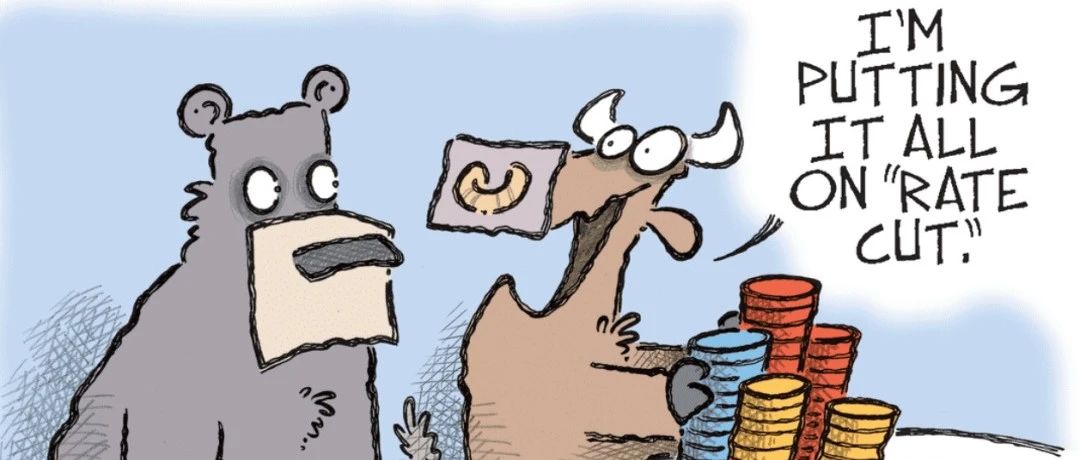
宋雪涛:降息的低语
雪涛宏观笔记· 2025-06-27 01:20
Core Viewpoint - The article discusses the increasing likelihood of interest rate cuts in the U.S. as economic data signals a weakening labor market, despite the Federal Reserve's previous stance that the labor market is not in distress [1][3][11]. Economic Indicators - Recent comments from Federal Reserve officials indicate a shift towards a more dovish outlook, with discussions around the conditions for potential rate cuts intensifying [3][14]. - The U.S. economic momentum index has fallen back to levels seen in September of the previous year, aligning closely with the trends in the U.S. dollar index [4]. - The Conference Board Consumer Confidence Index has declined, further confirming the cooling trend in the labor market [11]. Inflation and Tariff Impact - Officials emphasize that tariffs do not solely drive inflation; rather, both demand and supply-side factors are suppressing price increases [5]. - Analysis of inflation changes in goods with HS-4 codes shows a weak correlation between tariff increases and CPI growth, indicating limited impact on overall inflation levels [5]. - Technological advancements in various sectors, such as toys and electronics, contribute to long-term price declines, counteracting the one-time effects of tariffs [5]. Capital Expenditure Trends - Following a period of recession-level expectations, U.S. corporate capital expenditure (CAPEX) forecasts have shown some recovery, although they remain at levels similar to those in September of the previous year [10]. Market Sentiment - The market is increasingly pricing in a faster or larger rate cut, although this sentiment has not been fully captured in market pricing [14]. - The recent statements from Fed officials have increased the certainty of rate cuts, with a consensus emerging around the potential for a downward shift in economic conditions [14].
宋雪涛:对当前政策的判断
雪涛宏观笔记· 2025-06-26 01:46
Core Viewpoint - The article emphasizes the balance between short-term and long-term economic goals, with a focus on achieving a 5% economic growth target while promoting reforms and technological innovation to enhance economic efficiency and potential growth space [2][3]. Consumption - The "trade-in" policy has seen a significant increase in usage, with daily purchase volumes for various products rising substantially from early 2024 to late May, including a 61.2% increase in automobiles and a 95.7% increase in home appliances [4][8]. - There is currently 138 billion yuan in national subsidy funds for trade-ins that have not yet been allocated, with plans for further disbursement in July and October [4][8]. - The government is also focusing on preventing fraud in subsidy claims, with measures to ensure compliance and proper implementation of the trade-in policy [7]. Consumer Policy - Recent consumer policies are shifting towards establishing long-term mechanisms rather than short-term stimulus, with an emphasis on improving the consumption environment and infrastructure [9][10]. - Enhancing the income distribution mechanism to increase earnings for low-income groups is crucial for boosting consumption [11]. Real Estate - The real estate market is currently weak, with a 4.6% year-on-year decline in residential sales area in May, but there is a push for structural reforms to improve the quality of housing supply [14][15]. - The government aims to promote the construction of high-quality housing and to revitalize existing land and projects to address inventory issues [14][15]. Reform - Recent reforms focus on improving public services and linking them to population metrics, with a clear intention to accelerate the implementation of previously outlined reform measures [16][18]. Financial Support - There is an increasing emphasis on supporting technology and manufacturing sectors, with new financial tools expected to be introduced to facilitate investment in these areas [19][20]. - The government is also promoting the development of technology innovation bonds to support the financing of tech and manufacturing projects [21][22].