
经济观察报

Search documents
同为央企新能源 深蓝与奕派为何不同命?
经济观察报· 2025-06-02 03:52
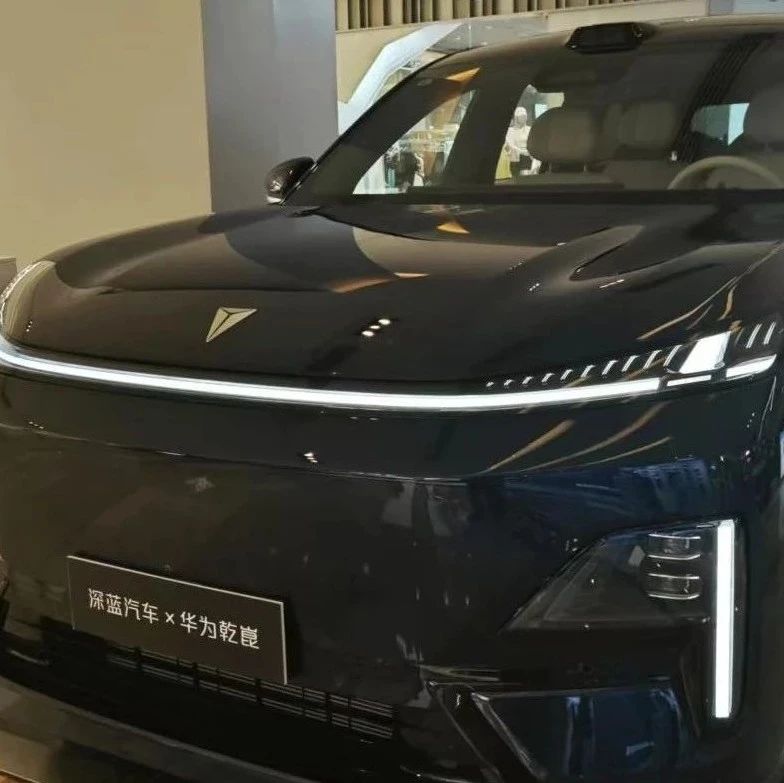
Core Viewpoint - The article highlights the significant differences between two mainstream new energy vehicle brands, Deep Blue and Yipai, in terms of their market entry timing, product offerings, technological routes, resource endowments, channel layouts, and external collaborations, which have led to their divergent fates in the market [2][4]. Group 1: Market Entry and Product Offerings - Deep Blue entered the market earlier and has a more extensive product range, having launched 6 models and delivered over 400,000 units by 2023, while Yipai, which started later, has only 2 models with deliveries below 80,000 [2][4]. - Deep Blue's first model, SL03, was launched in July 2022, achieving over 10,000 deliveries in December of the same year, and continued to perform well with subsequent models [4][5]. - In 2024, Deep Blue is expected to launch multiple new models, aiming for a cumulative sales target of 243,900 units, representing a year-on-year growth of 78.14% [4]. Group 2: Technological Routes - Deep Blue has adopted a diversified technological approach, offering pure electric, range-extended, and hydrogen-powered versions of its vehicles, with the range-extended models becoming a key driver of sales growth [7][8]. - Yipai's technological strategy has lagged, with its first range-extended model being released much later than Deep Blue's offerings, limiting its competitive edge in the market [7][8]. Group 3: Resource Endowments and Support - Deep Blue benefits from strong support from its parent company, Changan Automobile, which provides shared manufacturing platforms and sales channels, allowing it to focus on product development [8][9]. - In contrast, Yipai has not received the same level of support due to East Wind Automobile's focus on high-end brands, which has diluted resources available for Yipai [8][9]. Group 4: Channel Development - Yipai has established a significant number of independent sales channels, with 471 stores across 233 cities in just over a year, but this has diverted attention from product refinement [9]. - Deep Blue's channel strategy has been more integrated with its parent company, allowing for a more focused approach to product development and market penetration [8][9]. Group 5: External Collaborations - Deep Blue has formed extensive partnerships with leading companies in battery technology, smart driving, and charging infrastructure, enhancing its technological capabilities and market presence [11][12]. - Yipai's collaborations have been limited, with only a recent agreement with Huawei that has yet to yield significant results, impacting its competitive positioning [11][12].

映恩生物朱忠远:不做“中国版第一三共”,要做全球药企
经济观察报· 2025-06-01 05:08
Core Viewpoint - Ying'en Biotech, established in 2020, has rapidly advanced in the ADC (Antibody-Drug Conjugate) sector, aiming to become a global pharmaceutical company rather than just a "Chinese version of Daiichi Sankyo" [1][2][15] Company Overview - Ying'en Biotech has achieved significant milestones, including a record-breaking IPO in April 2025, with a fundraising of $210 million and an oversubscription of 13.52 times in international placements [2][7] - The company has a strong leadership team, including key figures with extensive experience in the biopharmaceutical industry, particularly in ADC development [10][11] Market Position and Strategy - The company chose to focus on the ADC sector, specifically targeting the HER-2 antigen, despite initial skepticism from investors regarding the choice of a mature target [14][20] - Ying'en Biotech has successfully established partnerships with major players like BioNTech, resulting in significant financial agreements totaling over $6 billion [15][16] Team and Culture - The company emphasizes the importance of a strong and capable team, with a hiring strategy focused on attracting top talent from leading ADC companies [10][11][12] - The culture within Ying'en Biotech is characterized by a hands-on approach, with all employees expected to contribute actively to the company's goals [12] Financial Performance and Future Outlook - Ying'en Biotech has not yet commercialized its products but has generated substantial revenue through business development (BD) deals, allowing it to sustain operations independently [16] - The company anticipates receiving several hundred million dollars in milestone payments from existing BD agreements over the next two years [16] Vision for Global Expansion - The CEO, Zhu Zhongyuan, envisions a global presence for Ying'en Biotech, focusing on building a competitive edge in the ADC market and leveraging China's unique advantages in drug development [15][20]

启明创投拟入主天迈科技 一级市场基金探索并购新路径
经济观察报· 2025-06-01 05:07
Core Viewpoint - The acquisition of Tianmai Technology by a private equity fund is expected to be the first case of a private equity fund acquiring a listed company in the A-share market, supported by regulatory authorities, and will serve as a window for observing regulatory trends in the market [1][3]. Group 1: Acquisition Details - Tianmai Technology announced on May 23, 2025, that the venture capital firm Qiming Venture Partners will acquire a total of 26.10% of its shares through its fund, Suzhou Industrial Park Qichen Hengyuan Equity Investment Partnership [2][5]. - The original controlling shareholders, Guo Jianguo and Tian Shufen, will relinquish their voting rights, making Suzhou Qichen the controlling shareholder post-transaction [2][6]. - The transaction is subject to compliance review by the Shenzhen Stock Exchange and other regulatory approvals [2][3]. Group 2: Financial Performance and Commitments - Tianmai Technology has reported continuous losses over the past five years, with net profits attributable to the parent company being -15.27 million, -49.81 million, -20.90 million, -54.87 million, and -60.83 million from 2020 to 2024 [7]. - The agreement includes performance commitments to maintain the company's listing status, requiring that revenue remains above 100 million and that net profit does not exceed -30 million in 2025, with no losses in 2026 [7]. Group 3: Fund Structure and Background - Suzhou Qichen was established on January 23, 2025, with Suzhou Qihan as the general partner responsible for daily management and decision-making [9][10]. - The largest limited partner in Suzhou Qichen is Yuanhe Dingsheng, backed by state-owned capital, indicating a blend of private and public investment in the acquisition [10][11]. - The dual general partner structure, involving both private and state-owned entities, is seen as a transparent and compliant model for the transaction [12].

黄金大涨“带火”铂金:有人百万资金囤购,年轻人直播间“扫货”
经济观察报· 2025-06-01 05:07
Core Viewpoint - The platinum market is experiencing a revival, with a significant price increase of 25% year-to-date, driven by strong investment demand and a shift in consumer preferences from gold to platinum [1][2][19]. Group 1: Market Dynamics - Platinum prices surged, with the New York Mercantile Exchange's main futures contract reaching a high of $1,104.8 per ounce, marking a significant increase in investor interest [2][3]. - The global demand for platinum increased by 10% year-on-year in Q1 2025, reaching approximately 71 tons, with notable growth in China where demand for investment-grade platinum bars surged by 140% [3][19]. - The current market conditions have led to a shortage of platinum inventory, with many retailers reporting zero stock and requiring full payment for pre-orders [13][14]. Group 2: Consumer Behavior - Consumers are increasingly shifting their focus from gold to platinum due to high gold prices, with many finding platinum to be a more attractive investment option [6][7][10]. - The rise in platinum prices has led to increased activity in online sales channels, with consumers purchasing platinum jewelry through live-streaming platforms [7][11]. - Retail demand for platinum jewelry remains subdued, with many traditional jewelry stores reducing their platinum offerings in favor of gold [9][10]. Group 3: Industry Insights - The platinum market is characterized by a strong industrial demand, particularly in automotive catalytic converters, which accounted for 39% of total demand in 2019 [17]. - The recent surge in platinum prices is seen as a response to the high gold prices, positioning platinum as a value opportunity in the current market [15][19]. - Industry experts suggest that the current platinum market dynamics are driven by upstream supply adjustments, with a need for greater participation from downstream retail to sustain growth [19][20].

“零公里二手车”多达百万台,各方“配合”造就隐秘链条
经济观察报· 2025-06-01 05:07
Core Viewpoint - The emergence of "zero-kilometer used cars" is seen as a detrimental practice that undermines the foundation of the automotive circulation industry, as highlighted by Wei Jianjun, the chairman of Great Wall Motors [2][17]. Summary by Sections Definition and Market Response - "Zero-kilometer used cars" refer to vehicles that have been registered but not sold to end users, essentially new cars sold at used car prices, leading to concerns about their reliability and potential for misrepresentation [2][5]. - Some used car dealers defend the practice, arguing that lower prices benefit consumers, while others express concerns about after-sales service and the risk of odometer fraud [2][5]. Regulatory Actions - Regulatory bodies, including the Ministry of Commerce, have begun discussions with automotive manufacturers and used car platforms regarding the implications of "zero-kilometer used cars" [3]. Market Dynamics - The supply of "zero-kilometer used cars" comes from various sources, including 4S dealerships and manufacturers, often as a means to clear inventory [6][9]. - The price of these vehicles is significantly lower than that of new cars, which has contributed to their increasing prevalence in the market [6][9]. Industry Insights - The traditional used car market is struggling, prompting dealers to pivot towards "zero-kilometer used cars" as a more profitable alternative [9][11]. - The financial pressures on manufacturers due to unsold inventory have led to collaborations with used car dealers to manage stock effectively [11]. Statistical Data - In 2024, the total transaction volume of used cars in China is projected to reach 19.61 million units, with "zero-kilometer used cars" potentially accounting for 463,400 to 855,000 units [12]. - The proportion of "zero-kilometer used cars" in the traditional fuel vehicle market is estimated to be between 1% to 3%, while in the new energy vehicle market, it ranges from 3% to 5% [7][12]. Consumer Behavior - The typical buyers of "zero-kilometer used cars" include budget-conscious young consumers, business owners, and traditional used car dealers seeking profit margins [14]. Risks and Concerns - The practice of selling "zero-kilometer used cars" raises concerns about misleading sales data and potential financial misrepresentation, which could have serious implications for companies involved [15][16]. - Recommendations have been made for regulatory bodies to establish a vehicle lifecycle tracking system to enhance transparency and accountability in the market [17].

国际贸易变了,义乌商人也在变
经济观察报· 2025-06-01 05:07
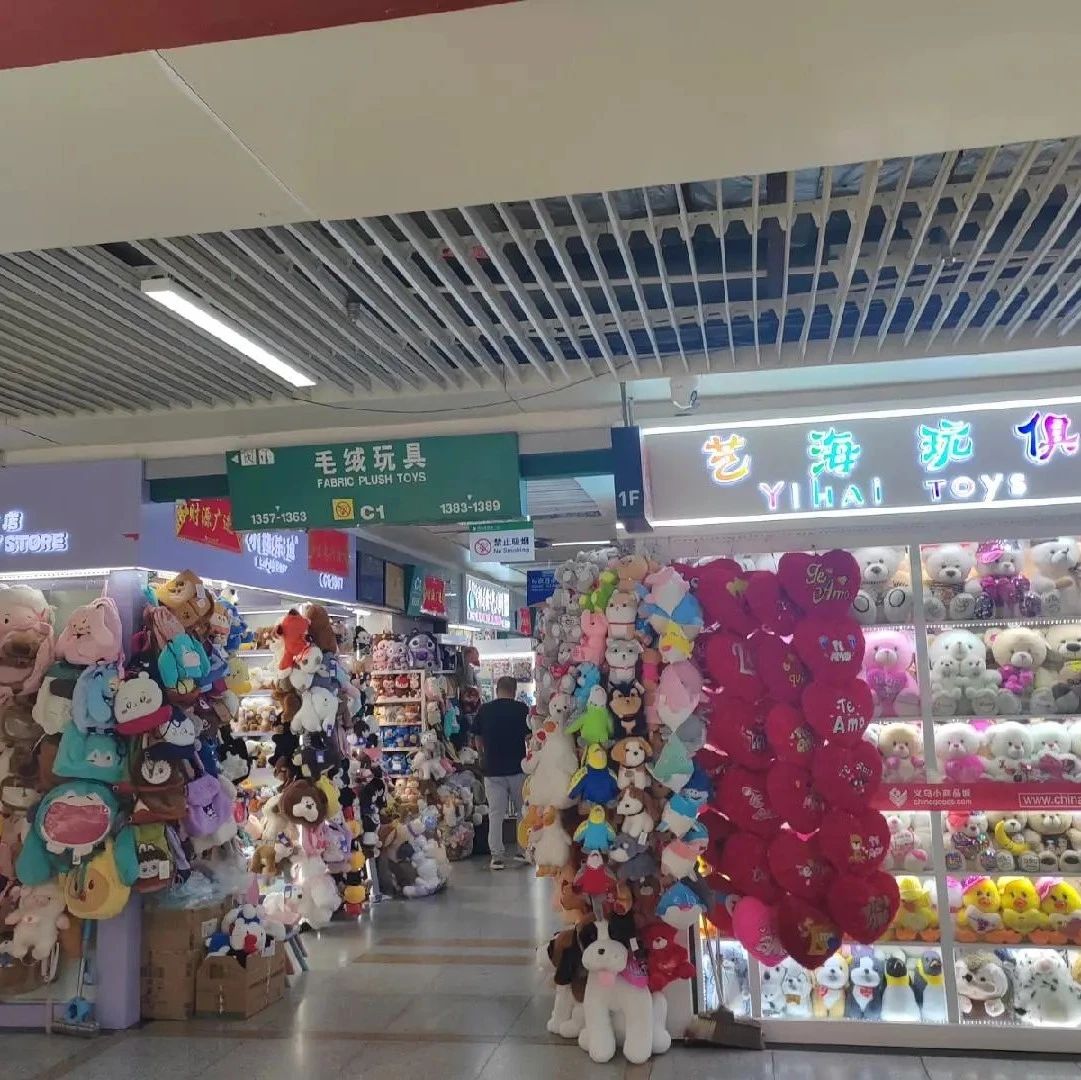
Core Viewpoint - The article discusses the evolution of Yiwu merchants in response to global economic fluctuations, international trade dynamics, and the impact of the internet, highlighting their ambition to "trade globally" despite changing market conditions [1][2]. Group 1: Traditional Business Models - Traditional Yiwu merchants continue to rely on established business practices, maintaining close relationships with long-term clients and focusing on in-store sales [2][13]. - Merchants like Chen Lixiu and Qiu Xiaonan emphasize the importance of personal customer service and the effectiveness of the "sitting merchant" model, which involves direct interaction with customers in physical stores [15][16]. - The traditional model has shown a consistent customer engagement rate, with new customer inquiries averaging around 10 per day and a conversion rate of 20%-30% [15]. Group 2: New Business Strategies - Newer Yiwu merchants are adopting innovative approaches by leveraging social media platforms like Douyin and Xiaohongshu to attract customers, resulting in a significant increase in foreign trade share from zero to 50% in just two years [2][10][12]. - The shift towards online sales allows for a broader product range and lower minimum order quantities, making it easier to cater to diverse customer needs [11][12]. - The use of competitive pricing strategies has been effective, with some products being offered at significantly lower prices than competitors, enhancing customer purchasing power [7][12]. Group 3: Market Dynamics and Opportunities - The article highlights the historical context of Yiwu's trade environment, noting that past profit margins were much higher due to a lack of competition and high demand [5][6]. - Current market conditions have led to a more competitive landscape, prompting merchants to adapt by diversifying their business models and focusing on retail rather than wholesale [2][6]. - The potential for growth in the foreign trade market is emphasized, with overseas customers showing less price sensitivity compared to domestic clients, indicating a lucrative opportunity for Yiwu merchants [12].
经观社论|在乐观时保持底线思维
经济观察报· 2025-05-31 05:21
Core Viewpoint - The competition in the new energy vehicle (NEV) industry is far from reaching its conclusion, and the industry should focus on building a healthy ecosystem that promotes cooperation and high-quality success while avoiding "involution" competition [1][5]. Group 1: Industry Challenges - The NEV industry has achieved significant growth, but underlying issues are emerging, including supply chain pressures, quality control concerns, and financial vulnerabilities among companies [2][3]. - There is increasing pressure on suppliers from manufacturers, leading to a reliance on supply chain financing, reminiscent of the strained relationships seen in the real estate sector [2]. - Safety and quality issues are becoming critical, with some companies promoting immature driver-assistance systems and engaging in cost-cutting measures that compromise product integrity [3]. Group 2: Financial and Structural Risks - Many companies appear successful but are heavily reliant on external financing, resulting in fragile financial structures that could lead to cash flow crises if sales decline [3]. - The industry must recognize the inevitability of market corrections and the need for a natural clearing process to eliminate weaker players [3][4]. Group 3: Recommendations for Improvement - Establishing effective exit and risk mitigation mechanisms is essential to absorb market shocks and prevent "zombie companies" from occupying resources [4]. - The industry should focus on fair trading practices to rebuild relationships within the supply chain, ensuring a win-win situation for manufacturers and suppliers [4]. - Maintaining safety and quality standards is crucial, with a zero-tolerance policy for practices like premature mass production of untested technologies and misleading advertising [4]. - Encouraging rational capital investment and enhancing the risk investment ecosystem can help the NEV industry leverage synergies with robotics and AI, creating new growth opportunities [5].

“宁王”陷6000万货款纠纷 换电业务发展遇阻
经济观察报· 2025-05-31 05:21
Core Viewpoint - The article highlights the unexpected situation of CATL, a leading player in the power battery industry, facing lawsuits from suppliers due to unpaid debts, which raises concerns about its financial practices and the challenges in its battery swapping business [2][3]. Group 1: Legal Issues and Financial Impact - CATL has been sued by supplier Hanchuan Intelligent for failing to pay a total of 60.88 million yuan, involving multiple contracts from 2021 to 2024 [2][3]. - Hanchuan Intelligent claims that CATL has delayed payments and has not issued acceptance certificates for delivered equipment, which has severely impacted Hanchuan's revenue and led to significant losses in 2024 [9][6]. - The legal disputes have arisen from CATL's market dominance, which Hanchuan alleges has resulted in unfair contract terms and payment practices [5][6]. Group 2: Business Performance and Market Challenges - In 2024, CATL reported a revenue of 362.01 billion yuan, a decrease of 9.7% year-on-year, while its net profit increased by 15.01% to 50.75 billion yuan [2]. - The company's market capitalization reached 1.15 trillion yuan in A-shares and 1.41 trillion yuan in Hong Kong shares as of May 29 [2]. - CATL's battery swapping business has faced significant challenges, with slow progress in establishing its network and partnerships, leading to a reassessment of its strategy [10][11]. Group 3: Market Position and Competitive Landscape - As of April 2023, CATL held a 39.44% market share in domestic power battery installations, a decrease of 2.94% from the previous period, while competitors like BYD saw an increase in their market share [11]. - The decline in CATL's gross margin from 43.7% in 2016 to 22.91% in 2023 indicates a challenging profitability landscape, raising questions about future investments in its battery swapping business [11].

有千万资金,你也未必能成为海底捞加盟商
经济观察报· 2025-05-31 05:21
在经历2020年大量开店、2021年批量关店、2024年探索新 店型的"红石榴计划"之后,海底捞直营门店数量在过去一年仍 是负增长。在扩张效率和品牌调性之间,加盟模式正在考验海 底捞的管理平衡术。 作者:郑淯心 美编:肖利亚 导读 壹 || 海底捞要求加盟商具备1000万元以上的资金实力。"但如果只有1000万元,基本没机 会。"首轮遭遇淘汰的一位申请者说。 贰 || 对潜在加盟商来说,他们更关心的一个问题是:成为海底捞加盟商的收益究竟如何? 叁 || 疫情后数据显示,海底捞三线及以下城市营收持续增长且占比不断提升。尽管数量不 高,加盟仍被视为海底捞破局的关键解法。 手握千万元资金,也未必能成为海底捞的加盟商。 海底捞对加盟商的要求是:钱多,有资源,高度认可海底捞的文化,且不参与门店管理。 自2024年3月开放加盟渠道以来,海底捞的加盟事业部称,在过去一年收到超2万份加盟申请,但 加盟事业部人力有限,加之海底捞实行三轮筛选机制,截至2024年底,海底捞仅新开出3家加盟 店,另有10家加盟店由直营店转换而来。 5月27日,海底捞董事局副主席周兆呈飞到广州,面试当地一位潜在加盟商。周兆呈是海底捞加盟 业务的负责人 ...


李健上位 荣耀刮骨
经济观察报· 2025-05-31 04:11
Core Viewpoint - The company believes that its most challenging period has passed, and it is undergoing significant internal restructuring and strategic transformation to adapt to market changes and enhance its competitiveness [2][6][7]. Group 1: Internal Restructuring - Following the departure of CEO Zhao Ming and several key executives, the new CEO Li Jian initiated a major personnel overhaul called the "Eagle Plan," which involved open competition for key positions within the company [3][4]. - This restructuring affected 38 key positions in the Chinese market, with 45% of personnel adjusted within a week through a transparent internal voting process [3][4]. - Li Jian emphasized the importance of placing capable individuals in suitable roles, marking a significant shift in the company's historical approach to personnel management [4]. Group 2: Market Performance - In the first quarter, the company's market share dropped to 13.7%, falling out of the top five rankings, attributed to previous operational decisions and a lack of new product launches [6][7]. - Despite challenges in the domestic market, the company reported strong growth in overseas markets, with Latin America experiencing a nearly 30% increase and the Middle East and Africa seeing a 66% rise in sales [7]. - The company aims to reverse the sales decline with the launch of new products, including the 400 series and foldable devices, targeting a return to the top three in market share by the end of the year [7]. Group 3: Strategic Transformation - The company announced a strategic shift from being a smartphone manufacturer to becoming a leading AI terminal ecosystem company, with plans to invest over $10 billion in AI ecosystem development over the next five years [8][10]. - New departments have been established to support this transformation, including an AI new industry department and a global brand department [8]. - The company is also preparing for an IPO, having completed its restructuring and aiming to align its strategic goals with market conditions [9][10].
