
GWMOTOR(601633)

Search documents
汽车“自主五强”的2025年:增长之下现战略分野
经济观察报· 2026-01-10 08:22
Core Viewpoint - The Chinese automotive market is entering a critical phase in 2025, with domestic brands collectively capturing nearly 70% of the passenger car market share, driven by the rise of new energy vehicles and international expansion [2][4]. Group 1: Market Dynamics - The "self-owned five strong" brands, including BYD, Geely, Chery, Changan, and Great Wall, have established a stable market presence, with total sales of 14.67 million units, accounting for over half of the overall passenger car market [2][4]. - BYD leads the global new energy vehicle sales with 4.6024 million units sold in 2025, marking a 7.73% year-on-year increase, while its pure electric vehicle sales reached approximately 2.257 million units, surpassing Tesla [4][5]. - Geely's total sales exceeded 3.02 million units in 2025, a 39% increase, with new energy vehicle sales reaching 1.6878 million units, reflecting a 90% growth [5][6]. Group 2: Strategic Developments - Geely has initiated a significant restructuring by merging with Zeekr Technology to enhance operational efficiency and resource integration, aiming to save billions in R&D costs annually [9][10]. - Chery has restructured its brand architecture to improve domestic market efficiency, establishing a new business group to streamline operations and enhance competitiveness [9][10]. - Changan has launched a 6 billion yuan capital increase plan to support the development of new energy vehicles and global R&D centers, reinforcing its strategic alignment with major shareholders [10][11]. Group 3: Technological Advancements - The competition among Chinese automakers has evolved from individual technological breakthroughs to a more systemic confrontation, with companies like BYD and Geely focusing on comprehensive technology integration and smart driving solutions [11][12]. - Great Wall has introduced a next-generation intelligent super platform that supports various powertrains, emphasizing its advancements in smart cockpit and driving technologies [12].






车企掌门人齐发声 开局即决战
Zhong Guo Jing Ying Bao· 2026-01-09 20:16
Core Insights - The Chinese automotive industry is entering a critical phase characterized by technological innovation, transformation, and global expansion, as highlighted by the statements from various industry leaders [1][2][4]. Group 1: Industry Performance and Trends - In 2025, the retail sales of passenger cars in China exceeded 23.78 million units, with the penetration rate of new energy vehicles surpassing 50% [1]. - The market penetration rate of L2-level advanced driver assistance systems reached 64% in the first three quarters of 2025, indicating that over 60% of new cars are equipped with advanced driving features [3]. - The first batch of L3-level conditional autonomous driving vehicle licenses was issued in December 2025, marking a significant milestone in the industry [3]. Group 2: Company Strategies and Innovations - Great Wall Motors achieved a historical sales high of 1,323,672 units in 2025, reflecting a 7.33% year-on-year growth, driven by its strategy of making advanced driving features standard across its models [4][6]. - China FAW Group adopted a dual approach of self-research and collaboration to develop its intelligent driving systems, with its Hongqi brand focusing on fully self-developed technologies [5][6]. - Xiaomi Motors emerged as a significant player, delivering over 410,000 vehicles in 2025, surpassing its annual target, with its first model, the Xiaomi SU7, delivering over 240,000 units [6]. Group 3: Competitive Landscape and Future Outlook - The competition in the automotive sector is intensifying, with traditional automakers and new entrants facing a survival race centered around technological capabilities and market share [4][10]. - Industry experts predict that the market will see increased concentration among leading companies, with smaller brands facing potential consolidation or exit [11]. - The focus of competition is shifting from delivery volumes to technological barriers, profitability, and global capabilities, with companies that prioritize innovation and strategic market positioning likely to gain an advantage [11].

2026年车企销量目标出炉:增幅最高近70%
Jing Ji Guan Cha Wang· 2026-01-09 13:53
Core Viewpoint - The automotive market in China is expected to see a slight growth in 2026, with total sales projected at approximately 35.5 million units, a 2% increase year-on-year, while retail sales of passenger cars are estimated at around 24 million units, reflecting a 1% growth. Despite this modest growth forecast, several automakers have set ambitious sales targets, indicating an intensifying competition for market share as the industry transitions from expansion to competition for existing market segments [2]. Group 1: New Energy Vehicle Manufacturers - New energy vehicle manufacturers maintain optimistic growth expectations, with target growth rates exceeding 30%, significantly higher than the 13% forecasted growth for new energy passenger vehicles by the China Passenger Car Association [3]. - Leap Motor aims for a sales target of 1 million units in 2026, representing a growth rate of 67.5%. In 2025, Leap Motor sold 597,000 units, achieving a remarkable 103% year-on-year increase and becoming the sales champion among new energy vehicle manufacturers [3]. - NIO's growth target for 2026 is set between 456,000 and 489,000 units, reflecting a growth rate of 40%-50%. In 2025, NIO sold 326,000 units, marking a 46.9% increase but falling short of its 440,000-unit target [4]. - Xiaomi Auto has set a sales target of 550,000 units for 2026, with a growth rate of 34%. In 2025, it sold 410,000 units, exceeding its previous target of 350,000 units [4]. Group 2: Traditional Automakers - Traditional automakers are generally more cautious, with Changan Automobile setting a target growth rate of 13.3% for 2026, aiming for total sales of 3.3 million units, including 1.4 million new energy vehicles, which would require a 26.2% year-on-year increase [6]. - Geely Automobile has a target growth rate of 14%, with a total sales goal of 3.45 million units for 2026. In 2025, Geely sold 3.025 million units, achieving a 39% increase [6]. - Chery Group also targets a growth rate of 14%, aiming for total sales of 3.2 million units in 2026. In 2025, it sold 2.806 million units, reflecting a 7.8% increase [7]. - Great Wall Motors has set a relatively high target growth rate of 36% for 2026, with a sales goal of 1.8 million units. In 2025, it sold 1.324 million units, marking a 7.33% increase [7]. - Dongfeng Group has established a sales target of 3.25 million units for 2026, with a growth rate of 30%, including 1.7 million new energy vehicles, which would require a 63% increase [8].



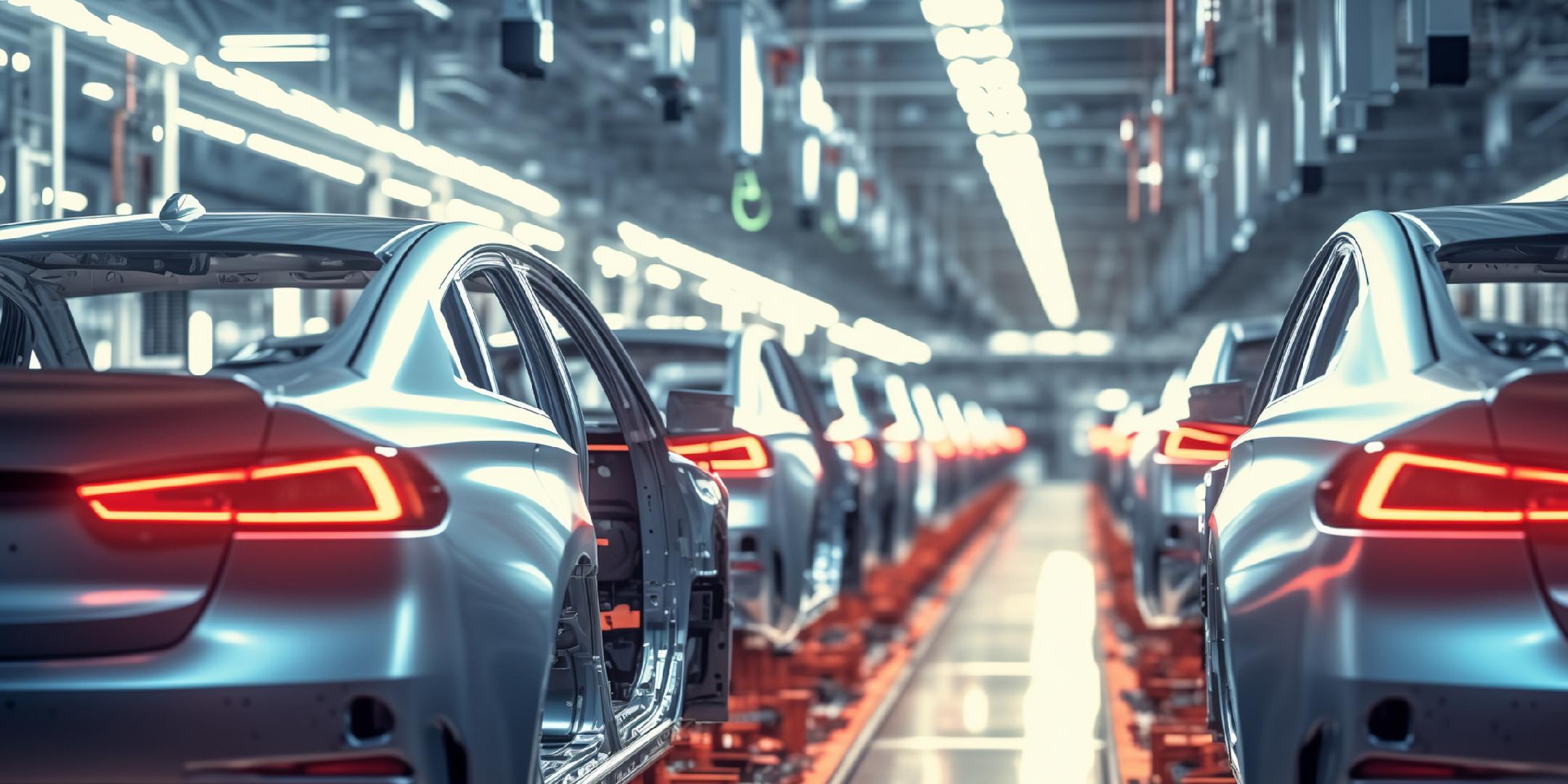
长城汽车2025年销量约132.37万辆 魏牌增速最快
Mei Ri Jing Ji Xin Wen· 2026-01-09 12:48
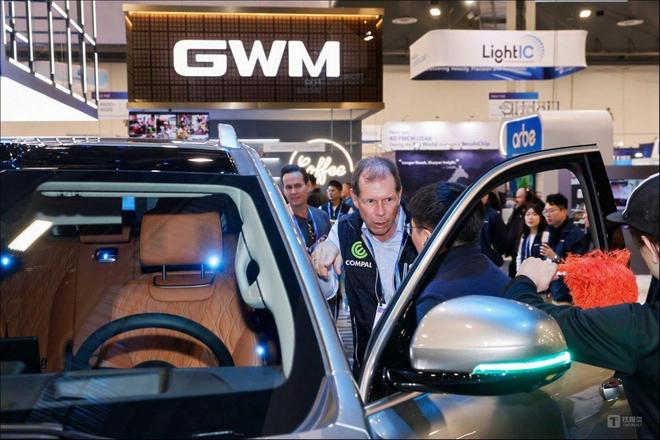
Group 1 - The core viewpoint of the articles indicates that Great Wall Motors has shown significant growth in sales for 2025, with a total sales volume of approximately 1.32 million units, representing a year-on-year increase of 7.33% [1] - The sales of new energy vehicles reached 403,700 units, marking a year-on-year growth of 25.44%, while overseas market sales were about 506,100 units, up 11.68% [1] - The Wey brand experienced the fastest sales growth among Great Wall Motors' brands, achieving sales of approximately 102,000 units in 2025, a remarkable increase of 86.29% [1] Group 2 - The Haval brand, as the main sales driver for Great Wall Motors, achieved sales of 758,600 units in 2025, reflecting a year-on-year increase of 7.41% [1] - The Tank brand and Great Wall pickup trucks also saw sales growth, with Tank brand sales reaching 232,700 units, a slight increase of 0.74%, and Great Wall pickups achieving sales of 182,000 units, up 2.57% [1] - In contrast, the Ora brand experienced a decline in sales, with a total of 48,300 units sold, down 23.68%, although it showed signs of recovery in December 2025 with sales of 8,134 units, up 71.6% year-on-year [1] Group 3 - Great Wall Motors plans to achieve a significant sales increase in 2026, targeting a sales volume of 1.8 million units, which would represent a growth of over 35% compared to the actual sales in 2025, although this has not been officially confirmed [2] - The company has announced a new platform named "Guiyuan," which is designed to be compatible with multiple power solutions including gasoline, diesel, BEV, HEV, PHEV, and hydrogen, covering various product categories such as SUVs and MPVs [4] - Great Wall Motors has also introduced its next-generation all-power intelligent super platform, emphasizing its core self-developed achievements in intelligent cockpit (Coffee OS) and intelligent driving (Coffee Pilot), accelerating its transformation into a smart technology company [4]
乘用车板块1月9日涨0.09%,北汽蓝谷领涨,主力资金净流出1.95亿元
Zheng Xing Xing Ye Ri Bao· 2026-01-09 08:54
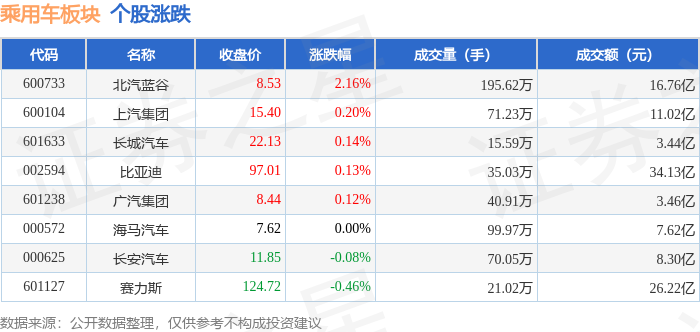
Group 1 - The passenger car sector increased by 0.09% on January 9, with Beiqi Blue Valley leading the gains [1] - The Shanghai Composite Index closed at 4120.43, up 0.92%, while the Shenzhen Component Index closed at 14120.15, up 1.15% [1] - Beiqi Blue Valley's stock price rose by 2.16% to 8.53, with a trading volume of 1.9562 million shares and a transaction value of 1.676 billion yuan [1] Group 2 - The net outflow of main funds in the passenger car sector was 195 million yuan, while retail investors saw a net inflow of 341 million yuan [1] - Beiqi Blue Valley had a net inflow of 26 million yuan from main funds, while retail investors contributed 14.16 million yuan [2] - BYD experienced a net outflow of 21.18 million yuan from retail investors, despite a net inflow of 96.28 million yuan from main funds [2]

CES变成中国科技秀:机器人跳舞、熊猫获奖
3 6 Ke· 2026-01-09 08:24
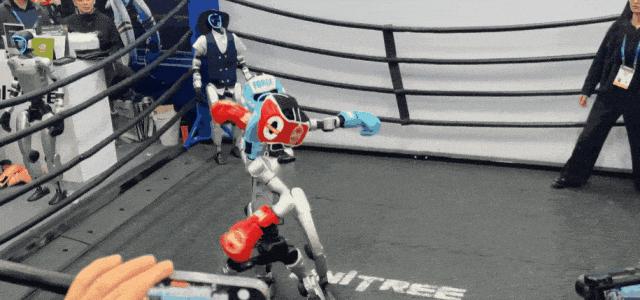
Group 1: Core Themes of CES 2026 - The main theme of CES 2026 is "human-centered" AI applications, marking a shift from traditional consumer electronics to AI-centric technological transformations [1] - Chinese companies are increasingly taking center stage at CES, with 942 exhibitors, accounting for approximately 22% of the total, maintaining their position as the second-largest exhibiting nation [1] - In specific sectors, Chinese firms dominate, with 55% of humanoid robot exhibitors and nearly 70% of AI glasses brands coming from China [1] Group 2: Robotics and AI Innovations - Chinese manufacturers are expected to continue leading in cost reduction and efficiency improvements in humanoid robots, showcasing their capabilities in unstructured environments [2] - Notable products include the Unitree H1 humanoid robot with advanced sensing capabilities and the latest generation of the "绝影" series robotic dogs, which excel in indoor navigation [4][11] - The "Care-bot" humanoid robot by Fourier demonstrates embodied intelligence in real-life interaction scenarios [7] Group 3: Consumer Electronics and Smart Devices - Over 80% of global smart glasses supply chain manufacturers are from China, with 16 Chinese companies showcasing their products at CES [15] - Innovations in smart home devices include the AI-driven "安安" companion robot designed for elderly and cognitively impaired individuals [16] - Companies like Alibaba and XREAL are launching advanced AI glasses, with features such as ultra-lightweight designs and integration with various AI services [19][20] Group 4: Automotive and AI Integration - The automotive industry is transitioning from "software-defined" to "AI-defined" vehicles, with companies like Geely and Great Wall showcasing new technologies [28] - Geely's G-ASD smart driving solution and Great Wall's focus on new energy technologies highlight the industry's shift towards AI integration [30][32] - New products like the AI-driven logistics solutions from New Stone and advanced lidar technology from Hesai demonstrate the growing importance of AI in transportation [34][35] Group 5: Home Appliances and AI - Hisense introduced new RGB-Mini LED display technology and AI-controlled smart refrigerators, showcasing the integration of AI in home appliances [41] - TCL's innovations in display technology, including the world's first printed OLED car screen, reflect advancements in consumer electronics [43][44] - Companies are increasingly focusing on AI capabilities in home security and smart home management systems [51][49] Group 6: Overall Impact of AI - CES 2026 emphasizes the profound impact of AI on the consumer electronics industry, with expectations for AI user numbers to grow significantly [59] - The event serves as a platform for global tech companies to set the foundation for future technological development and transformation [59] - The integration of AI into various sectors, including robotics, automotive, and consumer electronics, indicates a trend towards deeper AI adoption in everyday life [59]


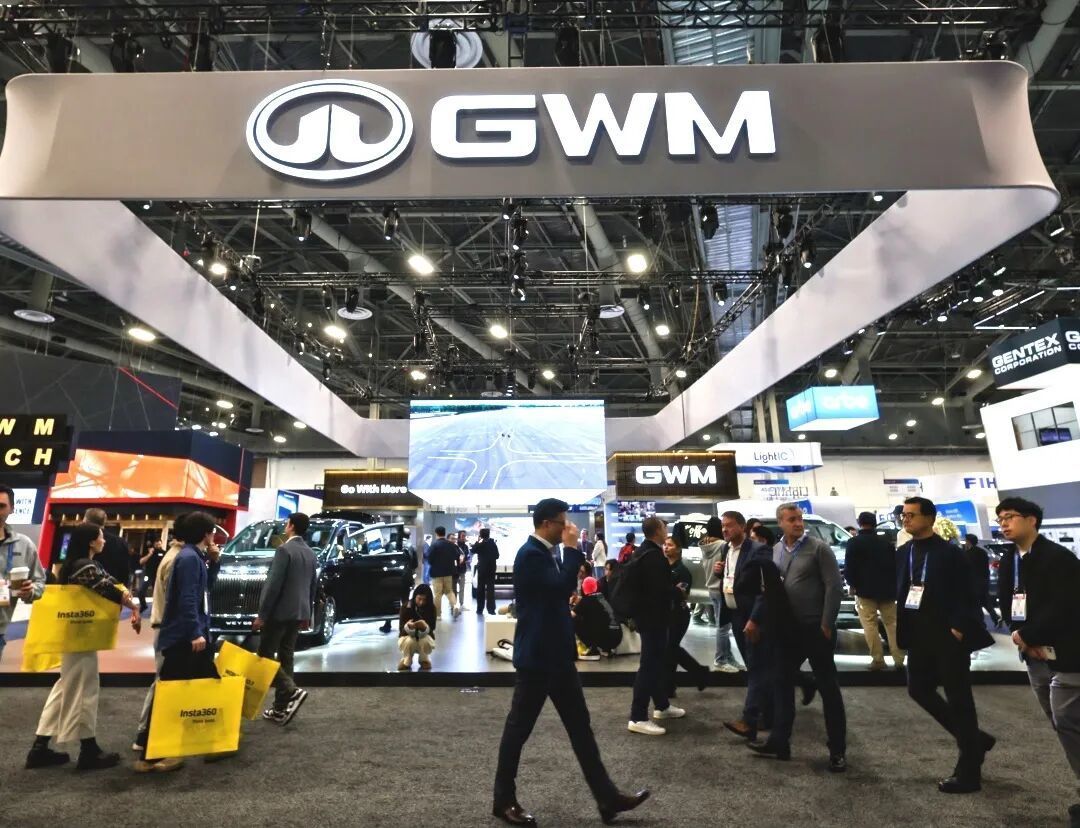
CES 2026:在全球市场谈智能化,长城汽车选择了哪些取舍
Tai Mei Ti A P P· 2026-01-09 08:00
Core Insights - The article highlights the transformation of Chinese automotive companies, particularly Great Wall Motors, from mere participants to key players in the global narrative of smart and localized automotive solutions at CES 2026 [2][3]. Group 1: Globalization and Market Strategy - Great Wall Motors aims to achieve over 500,000 units in overseas sales by 2025, reflecting its strategic global expansion [4]. - The company is adapting its smart driving and cabin ecosystem to local market conditions, recognizing the differences in network infrastructure, regulations, and user habits across regions [4][5]. - Great Wall is implementing a phased approach to introduce its technologies in various markets, prioritizing regions with better network conditions and open ecosystems [4][5]. Group 2: Technology and Product Development - The Coffee OS and Coffee Pilot systems serve as the foundation for Great Wall's unified system logic, which will be adapted for local markets [4]. - Great Wall is developing Coffee G, an overseas version of its Coffee OS, to enhance user interaction and ecosystem integration [6]. - The company is focusing on creating a high degree of interaction and ecosystem compatibility, particularly in regions where existing solutions like CarPlay and Android Auto fall short [6][7]. Group 3: Research and Development - Great Wall has established local R&D teams in various regions to address market-specific needs, including regulatory compliance and rapid response to user demands [9]. - The company is also setting up advanced technology R&D centers in regions like North America and Europe to attract top talent and enhance its technological capabilities [9][10]. Group 4: Market Entry and Consumer Engagement - Great Wall is actively preparing to enter the Middle East market by December 2025, with plans for EU market entry by April 2026 [34]. - The company recognizes the cultural and brand recognition challenges in mature markets like the U.S., where established brands dominate [35]. - Great Wall aims to leverage feedback from potential users in the U.S. to optimize its products and strategies for future market opportunities [14]. Group 5: Smart Driving and User Experience - The company is advancing its smart driving capabilities with a focus on user experience, aiming to transition from traditional interaction models to proactive service models [21][22]. - Great Wall's ASL 2.0 intelligent system is designed to enhance user interaction by understanding user intent and providing seamless assistance [22][32]. - The company plans to launch its first mass-produced vehicle equipped with the ASL 1.0 system in mid-2026, marking a significant step in its smart driving strategy [24][32].
研报掘金丨国海证券:维持长城汽车“增持”评级,看好公司未来发展
Ge Long Hui A P P· 2026-01-09 05:49
Core Viewpoint - The report from Guohai Securities indicates that Great Wall Motors is expected to achieve record sales in 2025, with a focus on expanding its rugged off-road vehicle segment [1] Sales Performance - In December 2025, the company is projected to reach sales of 124,000 units, representing a year-on-year decrease of 8.3% [1] - The total sales for the company in 2025 are forecasted to be 1.324 million units, reflecting a year-on-year increase of 7.3%, marking a new high for the group’s annual sales [1] Product Strategy - The Tank and WEY brands are driving the company's high-end upgrade strategy, while the Ora brand is being revitalized to reshape its economy-oriented new energy vehicle layout [1] Competitive Advantage - The company maintains a solid competitive advantage in overseas markets, with a high degree of earnings certainty [1] - As new products are launched, the overall sales trend for the company is expected to be upward [1] Future Outlook - The company’s future revenue and performance indicators are anticipated to continue improving, leading to a positive outlook for its development [1] - The rating for the company is maintained at "Buy" [1]
四川明确脑机接口医疗服务价格,置入费最高6583元/次|首席资讯日报
首席商业评论· 2026-01-09 04:51
Group 1 - Sichuan has set a maximum price of 6,583 yuan per session for brain-computer interface medical services, effective from April 30 this year, which is expected to promote industry standardization and prevent speculation [2] - WeChat has clarified that normal social behaviors will not be restricted under the new rules, ensuring users' accounts will not be penalized for typical usage patterns [3] - Aima Technology has denied rumors of a workforce reduction exceeding 50%, stating that personnel optimization is a normal adjustment for business development [4] Group 2 - Ant Group and Meituan Longzhu have invested in Shenzhen Guangzhi Shikong Technology Co., a developer of AI interactive devices, increasing its registered capital from approximately 1.6435 million yuan to about 2.1062 million yuan [5] - The film "The Legend of the Condor Heroes" has surpassed 200 million yuan in box office revenue within 9 days of its release [6][7] - IKEA announced the closure of 7 stores, including one in Shanghai, as part of its strategy to optimize business operations and focus on consumer-centric channels [8][13] Group 3 - Bawang Tea has responded to rumors of a potential IPO in Hong Kong, stating that there are currently no plans for such an initiative [9] - Lin Yunfeng, head of NetEase's DreamWorks division, has left the company, with the DreamWorks mobile game team being integrated into the Sea God division [10] - Chinese automotive brands are performing well in Ecuador, with BYD's sales expected to grow by 243.1% in 2025, and overall new car sales projected to increase by 15% [11] Group 4 - JD.com has established a "Chameleon Business Unit" to focus on the development and commercialization of core AI products [12] - JD.com is reportedly considering the issuance of dim sum bonds to raise approximately 10 billion yuan, although the company has stated there are no current plans for such an issuance [14]



国海证券晨会纪要-20260109
Guohai Securities· 2026-01-09 01:31
Group 1: Fixed Income Analysis - The report analyzes the recent increase in borrowing of local government bonds and provides insights into the reasons behind this trend and future market outlook [3][4] - As of January 6, the net borrowing volume of local government bonds has increased, with the top five being Henan, Jiangxi, Shandong, Hunan, and Hebei, all with a 30-year maturity [5] - Institutions are primarily borrowing local bonds to take long positions on the spread between local government bonds and national bonds, with the spread reaching a relative low of 14.8 basis points on December 29, 2025 [5][6] Group 2: Great Wall Motors Analysis - Great Wall Motors reported a total sales volume of 1.324 million vehicles in 2025, marking a year-on-year increase of 7.3%, achieving a record high for the company [7][8] - The WEY brand saw significant growth, with a year-on-year increase of 86.3%, while the Haval brand maintained a steady performance with a 7.4% increase [8][9] - The company aims to continue its high-end upgrade strategy with the launch of new models and expects to maintain strong sales momentum in 2026 [9][10] Group 3: Leap Motor Analysis - Leap Motor achieved a total delivery of 597,000 vehicles in 2025, a year-on-year increase of 103.1%, and aims for a target of 1 million vehicles in 2026 [11][12] - The B and C series products have been well-received, contributing to the company's upward structural upgrade, with new models expected to enhance the product lineup [12] - The company has expanded its overseas presence, achieving over 60,000 deliveries in international markets, and plans to accelerate local production in 2026 [12][13] Group 4: Leshushih Analysis - Leshushih has established itself as a leading player in the African hygiene products market, focusing on local manufacturing and a strong distribution network [14][15] - The African market for baby diapers and sanitary products is projected to grow from $3.8 billion in 2024 to $5.6 billion by 2029, driven by increasing penetration and a young population [15][16] - The company has built a robust local supply chain and brand recognition, holding significant market shares in key product categories [16][17] Group 5: AI and Manufacturing Policy - The report discusses the recent policy initiative aimed at integrating AI into manufacturing, with goals to develop industrial intelligence and enhance software capabilities by 2027 [18][19] - The initiative aims to create 1,000 industrial intelligent entities and promote the application of AI across various manufacturing processes, potentially increasing efficiency and reducing costs [19][20] - The industrial software market in China is expected to exceed 500 billion yuan by 2029, driven by the ongoing digital transformation and policy support [21][22]
