原油
Search documents
每日投行/机构观点梳理(2025-09-03)
Jin Shi Shu Ju· 2025-09-03 10:38
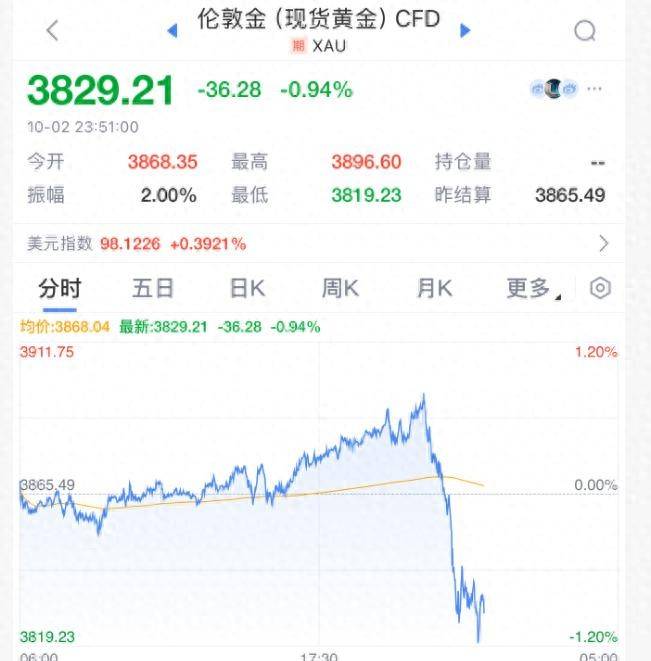
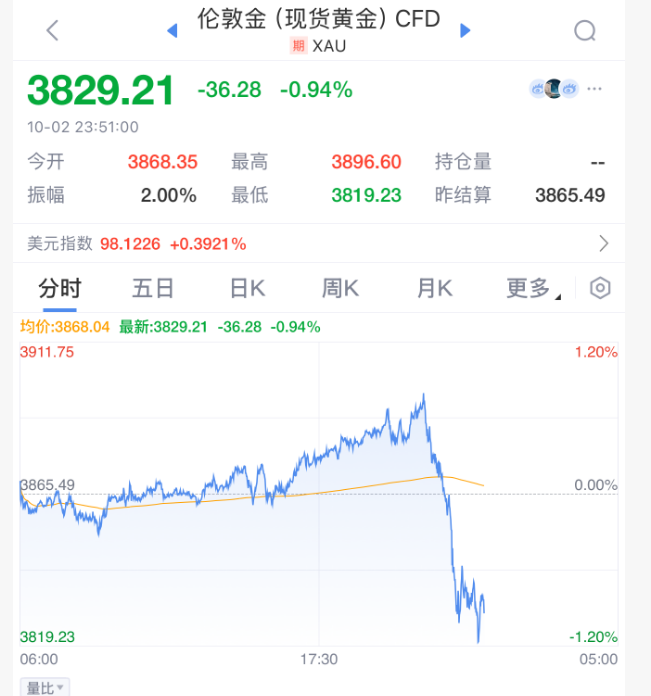
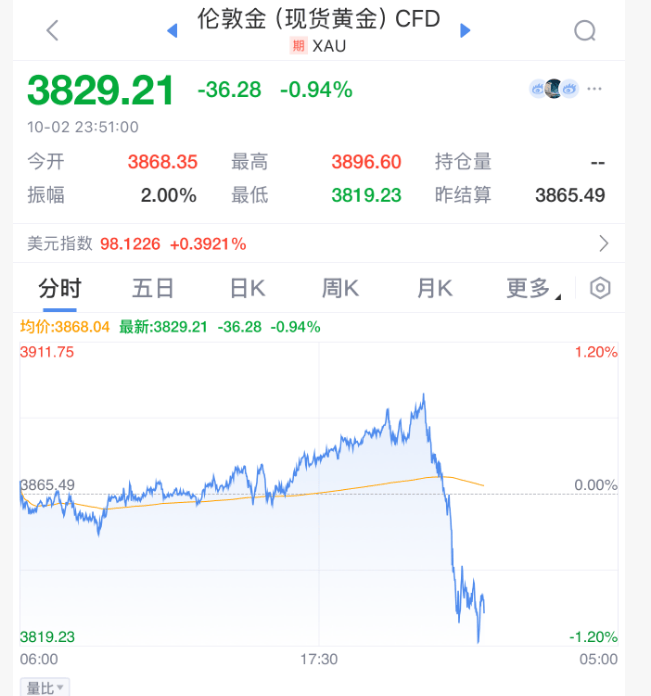
Group 1: Gold Market Insights - Analysts from Philip Nova predict that gold prices may reach the range of $3600 to $3900 per ounce in the coming months if spot gold continues to break above $3500, driven by geopolitical risks and strong ETF demand [1] Group 2: Currency Market Analysis - Dutch bank analysts suggest that the recent decline of the US dollar may be limited, with potential for a rebound in the coming months as the market has already priced in interest rate cuts [2] - Analysts from Mitsubishi UFJ state that the political situation in France is unlikely to disrupt the upward trend of the euro, as market participants remain optimistic despite political turmoil [4] - Dutch bank analysts note that the euro's recent performance indicates that market participants do not believe the political situation in France will shake the euro's upward trend [4] Group 3: Oil Market Dynamics - Analysts from Dutch International highlight that the risk in oil prices lies in OPEC+'s decision to potentially re-implement production cuts, with Brent crude oil prices recently rising above $68 per barrel [3] Group 4: A-Share Market Trends - CITIC Securities reports that the A-share market is entering a mild recovery phase, with a structural shift towards growth sectors driven by AI and domestic substitution [6] - CITIC Securities also sees potential bottom-fishing opportunities in the white liquor industry, despite recent declines in revenue and profit due to reduced demand [7] Group 5: Investment Opportunities in Utilities - Huatai Securities suggests focusing on state-owned electric utility companies with low asset securitization ratios, as capital operations may enhance dividend payouts [8]
百利好晚盘分析:避险情绪升温 黄金大幅走高
Sou Hu Cai Jing· 2025-09-03 09:18
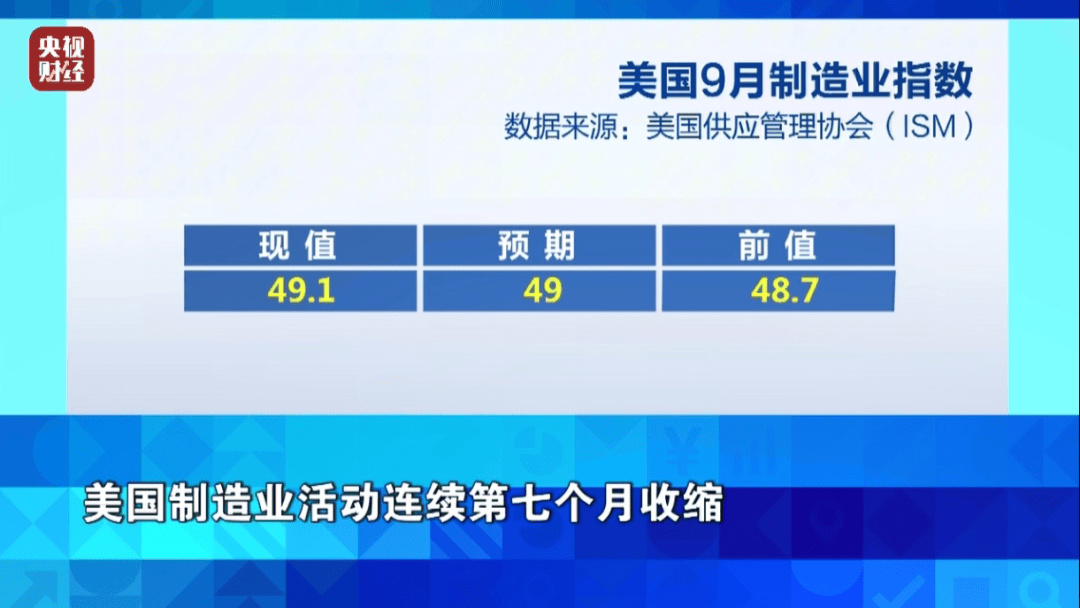
Gold Sector - The US ISM Manufacturing PMI for August recorded at 48.7, slightly above the previous value of 48 but below market expectations of 49, indicating a contraction in the manufacturing sector for six consecutive months due to tariff policies [1] - Recent risk aversion has led to a rise in bond yields, with the UK 30-year bond yield reaching its highest level since 1998, and similar trends observed in France and Germany, suggesting increased debt levels in the Eurozone [1] - Analysts suggest that weak economic data from the US indicates a potential slowdown in economic growth, while rising risk aversion supports a strong performance in gold prices [1] Oil Sector - With the implementation of US tariff policies, the volatility in oil prices is expected to return to fundamentals, with a likelihood of wide fluctuations due to a lack of significant supply-demand imbalances [2] - Market focus is on the Federal Reserve's expected rate cuts in September and December, which may support oil prices due to a weaker dollar [2] - Oil supply risks are heightened as producing countries fulfill their production commitments, coinciding with the end of the US demand season, potentially putting downward pressure on oil prices [2] Dollar Index - Federal Reserve Chairman Powell indicated that the balance of risks may require adjustments to monetary policy, making a rate cut in September almost certain [3] - Upcoming non-farm payroll and CPI data releases will influence expectations for future rate cuts, potentially slowing the dollar's decline [3] - The dollar index has been in a low-range adjustment since early August, with a possibility of continued fluctuations in the short term [3] Copper Sector - Recent trading days have shown a strong upward trend in copper prices, breaking previous highs, indicating a robust market performance [6] - The 20-day moving average has flattened and begun to rise, suggesting a potential upward shift in price levels [6] - The MACD indicator shows volume returning above the zero line, indicating that the upward trend in copper prices may continue [6]
能源化策略报:地缘对原油价格略有?撑,化?投产时间不确定加?投资难度
Zhong Xin Qi Huo· 2025-09-03 07:01
1. Report Industry Investment Rating - The report does not explicitly provide an overall industry investment rating. However, individual product outlooks are given, including "oscillating", "oscillating weakly", "oscillating strongly", etc. These ratings are based on the expected price movements of the products within the next 2 - 12 weeks, with different definitions for each rating in terms of standard deviations [272]. 2. Core Viewpoints of the Report - International crude oil has shown a slightly stronger trend recently. Concerns about supply disruptions due to Ukraine's attacks on Russian oil infrastructure have boosted oil prices, but the overall market is still under supply pressure from OPEC+增产 and US production resilience. The market expects OPEC+ to maintain the current production policy at the upcoming meeting. Oil prices are likely to oscillate to digest the supply disturbances caused by the Ukraine attacks [1]. - The chemical industry continues to oscillate and consolidate. There is no dominant market logic, and futures prices fluctuate with raw materials and market sentiment. The uncertainty of the commissioning time of chemical plants, especially ethylene glycol plants, increases the difficulty of investment. If the chemical industry rebounds following crude oil, investors can gradually short products with severe over - capacity, such as olefins [2]. - Investors should approach oil - chemical products with an oscillating mindset and wait for the implementation of specific policies to address the over - competition in China's petrochemical industry. 3. Summary by Product Category Crude Oil - **Viewpoint**: Supply pressure persists, and attention should be paid to geopolitical disturbances. - **Main Logic**: Tensions between the US and Venezuela and Trump's changing attitude towards Russia support geopolitical premiums and increase oil price volatility. However, the supply pressure from OPEC+增产 and US production resilience makes it difficult to reverse the market's oversupply expectation. Oil prices are expected to oscillate weakly, and attention should be paid to short - term disturbances from Russia - Ukraine negotiations [7]. Asphalt - **Viewpoint**: The escalation of the US - Venezuela situation has led to a significant increase in the geopolitical premium of asphalt. - **Main Logic**: The market has refocused on negative factors such as tariff increases and OPEC+增产, but the recent escalation of the US - Venezuela situation has led to expectations of a supply cut in asphalt raw materials, driving up asphalt futures prices. However, the supply tension has been significantly alleviated, and the demand is still not optimistic. The absolute price of asphalt is over - estimated, and the monthly spread is expected to decline as warehouse receipts increase [8]. High - Sulfur Fuel Oil - **Viewpoint**: The geopolitical premium of high - sulfur fuel oil has increased significantly. - **Main Logic**: Geopolitical tensions in the Middle East and between the US and Venezuela have enhanced the geopolitical premium of high - sulfur fuel oil, but the increase is limited by the increase in warehouse receipts. The import tariff of fuel oil in China has been raised, and the demand for high - sulfur fuel oil has changed. The three main drivers supporting high - sulfur fuel oil are showing a weakening trend. Geopolitical upgrades are expected to have only a short - term impact on prices [8]. Low - Sulfur Fuel Oil - **Viewpoint**: Low - sulfur fuel oil has followed the increase in crude oil prices. - **Main Logic**: Low - sulfur fuel oil has oscillated and declined following crude oil. It is facing multiple negative factors such as a decline in shipping demand, green energy substitution, and high - sulfur substitution. It is expected to follow crude oil price fluctuations while maintaining a low valuation [10]. Methanol - **Viewpoint**: There is still an expectation of shutdown in the far - month contract, and the methanol futures price has rebounded. - **Main Logic**: On September 2, the methanol futures price oscillated. The far - month shutdown expectation has caused the futures price to decline first and then rebound significantly. The fundamentals of downstream olefins provide limited support. Considering the high certainty of overseas shutdowns in the far - month, opportunities for going long in the far - month can be considered [19]. Urea - **Viewpoint**: The release of the Indian tender has been postponed, and the market is generally waiting and watching. It is expected to strengthen soon. - **Main Logic**: As of September 2, information on the Indian tender and export policies has not been finalized, and the market is waiting and watching. The futures price has rebounded slightly, and the spot prices in different regions have diverged. The supply is expected to decrease, and the autumn demand is expected to pick up. Attention should be paid to the Indian tender price and subsequent export progress [19][20]. Ethylene Glycol - **Viewpoint**: The news of commissioning has stimulated the futures market to weaken. - **Main Logic**: The narrow fluctuations of coal and oil prices provide limited cost guidance. The news of the commissioning of Yulong Petrochemical's ethylene and downstream products has had a negative impact on the market, increasing supply pressure. Although the supply - demand structure shows some signs of weakening, the market is still in the de - stocking cycle, which provides some support [14][15][16]. PX - **Viewpoint**: Cost and sentiment fluctuations are still the main driving forces. - **Main Logic**: The commodity sentiment is poor, and PX has continued to decline. The upstream load has remained stable, but the commissioning of aromatic hydrocarbon plants has increased supply pressure. The downstream PTA plants are operating at a low level, and polyester demand is fair. PX is expected to maintain a tight balance, and its price is expected to fluctuate with cost and macro - sentiment [11]. PTA - **Viewpoint**: It is oscillating to find support, and cost and sentiment dominate the direction. - **Main Logic**: The Russia - Ukraine issue has stalled, and the crude oil market has been in a stalemate, providing limited guidance. After the hype of upstream plants subsided, the commodity sentiment cooled down, and the spot basis weakened. The downstream polyester sales and production have limited improvement, and the enthusiasm for raw material procurement is not high. It is expected to seek support downward in the short term, with a limited overall decline [11]. Short - Fiber - **Viewpoint**: There is an expectation of plant restart, and the quality of demand still needs to be verified. - **Main Logic**: The upstream cost performance is poor, and the absolute price of short - fiber has declined accordingly. The supply - demand situation has weakened marginally, the downstream sales and production are mediocre, and the terminal's procurement behavior is cautious. The quality of the peak season still needs to be verified. The absolute value of short - fiber will fluctuate with raw materials and oscillate in the short term [16]. Bottle Chip - **Viewpoint**: The production cut in September remains at 20% and can be expanded to 30% if necessary. - **Main Logic**: The upstream cost is still seeking support, and the price of polyester bottle chips is oscillating weakly. The supply - demand drive is limited, and the overall order intake has declined in the off - season. The processing margin has no obvious expansion driver and will maintain an oscillating consolidation [17][18]. PP - **Viewpoint**: The support from maintenance is limited, and PP is oscillating weakly. - **Main Logic**: News of addressing the petrochemical over - capacity through plant maintenance has limited actual impact. Oil prices are oscillating in the short term, and geopolitical uncertainties remain. The supply side of PP is still increasing, and there is inventory pressure in the upstream and mid - stream. The demand has a peak - off - season switch, and the pipe - making industry's start - up rate has increased. It is expected to oscillate weakly in the short term [22]. Propylene (PL) - **Viewpoint**: PL follows the short - term fluctuations of PP. - **Main Logic**: On September 2, PL oscillated. Propylene enterprises' inventories are at a low level, and they are mainly pushing up prices. Downstream factories purchase on demand. The short - term market follows PP fluctuations, and the polypropylene processing fee is the key focus on the market [23]. Plastic - **Viewpoint**: The performance of peak - season demand is the short - term focus, and plastic is oscillating. - **Main Logic**: News of addressing the petrochemical over - capacity and the elimination of South Korean petrochemical capacity have limited actual impact. Oil prices are oscillating, and geopolitical uncertainties remain. There is still a capital game in the macro - environment, and the "Golden September and Silver October" consumption expectation still exists. The fundamentals of plastic are still under pressure, with high production and inventory levels. Attention should be paid to the downstream start - up rate and purchasing willingness [21]. Pure Benzene - **Viewpoint**: The port will return to inventory accumulation, and the price of pure benzene will oscillate weakly. - **Main Logic**: More naphtha buyers are seeking October shipments, and the market expects a tightening supply due to planned maintenance in the Middle East and reduced exports from Russian refineries. However, the increase in imported pure benzene at the port and the return of the anti - over - competition sentiment in the energy and chemical industry have led to a decline in the price of pure benzene. The demand verification is crucial as the peak season approaches, but the orders of downstream products have not improved significantly [13]. Styrene - **Viewpoint**: The inventory pressure is prominent, and styrene continues to decline. - **Main Logic**: The decline of styrene is mainly due to the cooling of the anti - over - competition sentiment in the energy and chemical industry and the black commodity sentiment. Its fundamentals are poor, and it is significantly weaker than other chemical products. The explicit and implicit inventories are high, and the cost support is insufficient. The peak - season demand has not materialized, and the downstream demand is weak. There is some support at the valuation level of 7000 - 7100, but there is no positive driver for a rebound [14][15][16]. PVC - **Viewpoint**: Weak market conditions are suppressing PVC, and it is operating weakly. - **Main Logic**: At the macro - level, the domestic anti - over - competition policy has not been implemented, and the probability of overseas interest rate cuts has increased. At the micro - level, the fundamentals of PVC are under pressure, with a decline in cost. The production is expected to decline in September due to autumn maintenance, the downstream start - up rate has not changed much, the export expectation is under pressure, and the cost is moving down. The market sentiment is poor, and the inventory is increasing, so the market is expected to operate weakly [25]. Caustic Soda - **Viewpoint**: The spot price rebound has slowed down, and the market is on hold for now. - **Main Logic**: At the macro - level, the domestic anti - over - competition policy has not been implemented, and the probability of overseas interest rate cuts has increased. At the micro - level, the fundamentals have improved marginally, with increased demand for replenishment, improved non - aluminum start - up rates, increased export orders, and a slight decline in production due to maintenance. The spot price has reached a temporary peak, and the market is expected to oscillate due to the expectation of alumina production in the far - month [26].
《能源化工》日报-20250903
Guang Fa Qi Huo· 2025-09-03 05:32
1. Report Industry Investment Rating No information provided in the text. 2. Report's Core View Polyolefin - In September, the polyolefin market shows a phased characteristic of "decreased supply and increased demand", with inventory being reduced and overall market pressure under control. It is recommended to continue holding the expanding position of the LP01 contract [2]. Caustic Soda - The caustic soda market is strong in the short - term. After the parade, there may be an increase in orders from other provinces, and some caustic soda plants may raise prices. It is necessary to pay attention to the downstream purchasing rhythm and device fluctuations [4]. PVC - The PVC market continues to be in a situation of oversupply. Although it is the traditional demand peak season in September, demand remains sluggish. It is expected to continue weak and volatile [4]. Crude Oil - Overnight oil prices rose. The supply side supports buying, while the demand side is under pressure. It is recommended to pay attention to the subsequent OPEC+ meetings. In the short - term, wait and see, use a positive arbitrage strategy, and look for opportunities to expand options after the volatility increases [7]. Methanol - The methanol supply is expected to increase, while the traditional downstream demand is weak. It is necessary to focus on the restart of MTO devices at ports and the inventory digestion rhythm. The 01 contract can consider the possibility of a decline in imports due to gas restrictions in Iran [17]. Urea - The urea futures price rebounded slightly, driven by supply - side maintenance and Indian tender news. However, weak demand limits the upside space [21]. PX - PX supply is expected to increase, and the supply - demand is in a tight balance in September. PX11 can focus on the area around 6800 [25]. PTA - PTA supply - demand is expected to improve, and the absolute price is supported in the short - term. [26] Ethylene Glycol - In September, domestic ethylene glycol supply is high, imports are revised down, and port inventories are low. Consider going long EG2601 or selling put options EG2601 - P - 4300 [26]. Short - fiber - In September, short - fiber supply - demand is expected to improve, but the inventory reduction is limited. The price fluctuates mainly with raw materials [26]. Bottle Chip - In September, bottle chip manufacturers maintain a 20% production cut. Demand declines slightly, and the upside space is limited [26]. Pure Benzene - Pure benzene supply is expected to remain high, demand support is weak, and the absolute price is under short - term pressure. However, the strong oil price restricts the downward space. For BZ2603, focus on the area around 5800 - 6000 [34]. Styrene - Short - term styrene supply is high, and the driver is weak. However, there is an expectation of supply - demand improvement in the future, and the downward space is limited. Consider going long lightly below 7000 and focus on the support around 6900, and then mainly short on rebounds [34]. 3. Summary According to Relevant Catalogs Polyolefin - **Price and Spread**: L2601, L2509, PP2601, PP2509 closing prices all decreased slightly. The basis of North China LL and the spreads of L2509 - 2601 and PP2509 - 2601 changed [2]. - **Inventory**: PE enterprise inventory decreased by 14.92%, and social inventory increased by 0.99%. PP enterprise inventory decreased by 5.91%, and trader inventory decreased by 1.81% [2]. - **Operating Rate**: PE device operating rate decreased slightly, and downstream weighted operating rate increased by 0.72%. PP device operating rate increased by 2.6%, and powder operating rate increased by 4.1% [2]. Caustic Soda and PVC - **Price and Export Profit**: FOB price of caustic soda in East China remained unchanged, and export profit decreased. PVC's CFR Southeast Asia price decreased, and export profit increased [4]. - **Operating Rate and Profit**: The caustic soda industry operating rate and PVC total operating rate decreased. The profit of externally - purchased calcium carbide PVC and Northwest integrated PVC decreased [4]. - **Demand**: The operating rate of some downstream industries of caustic soda and PVC changed, and PVC's pre - sales volume decreased [4]. - **Inventory**: The inventory of liquid caustic soda in East China decreased, while that in Shandong increased. PVC upstream factory inventory and total social inventory increased [4]. Crude Oil - **Price and Spread**: Brent, WTI, and SC prices all rose. The spreads of Brent M1 - M3, WTI M1 - M3, etc. changed significantly [7]. - **Refined Oil**: The prices of some refined oil products and their spreads changed, and the cracking spreads of some refined oil products also changed [7]. Methanol - **Price and Spread**: MA2601 and MA2509 closing prices decreased. The basis of Taicang and regional spreads changed [17]. - **Inventory**: Methanol enterprise inventory, port inventory, and social inventory all increased [17]. - **Operating Rate**: The operating rate of domestic upstream enterprises decreased, while that of overseas enterprises increased. The operating rate of downstream MTO devices increased [17]. Urea - **Price and Spread**: The prices of some urea products and their spreads changed [21]. - **Supply and Demand**: Domestic urea daily and weekly production decreased, and factory and port inventories increased [21]. PX, PTA, and Ethylene Glycol - **PX**: PX futures prices decreased, and spreads such as PX - crude oil and PX - naphtha decreased [24][25]. - **PTA**: PTA spot and futures prices changed slightly, and the processing fee increased [25]. - **Ethylene Glycol**: The price of ethylene glycol decreased, and the basis increased [25]. Pure Benzene and Styrene - **Upstream Price and Spread**: The prices of crude oil, naphtha, etc. changed, and the spreads of pure benzene - naphtha and ethylene - naphtha decreased [32]. - **Benzene and Styrene Price and Spread**: The prices of pure benzene and styrene decreased, and the basis and import profit changed [32]. - **Downstream Cash Flow**: The cash flows of some downstream products of pure benzene and styrene changed [33]. - **Inventory and Operating Rate**: The inventories of pure benzene and styrene in Jiangsu ports increased. The operating rates of some industries in the industrial chain changed [34].
山海:多方面因素影响,推动黄金无脑上涨!
Sou Hu Cai Jing· 2025-09-03 03:11
Group 1: Gold Market Analysis - The bullish trend for gold remains unchanged, with a focus on waiting for pullbacks to enter long positions, particularly at support levels of 3525 and 3500 [4][5] - Recent price movements show a significant increase from 3410 to 3550, indicating strong market momentum that is difficult to analyze through technical means [5] - The domestic gold market has mirrored international trends, with significant price increases observed, and the recommendation is to maintain a bullish stance without shorting [5][6] Group 2: Silver Market Insights - International silver experienced a predicted pullback, with key support at 40; a break below this level could signal a shift in market strength [6] - The upper resistance levels for silver are noted at 41 and 41.5, with expectations of another upward movement before potentially reaching a peak [6] - Domestic silver also showed a pullback, with a focus on resistance at 9950 and support at 9700, indicating a cautious approach to trading [6] Group 3: Oil Market Overview - The oil market is currently observing upward momentum, with support at 62.5 and potential for further increases if the price breaks above 65 [6] - Recent trading has seen oil prices close at around 66, suggesting a stronger performance compared to gold [6] - The recommendation is to continue a bullish outlook on oil, with a target of reaching 68 to 70 [6] Group 4: Fuel Oil Market Commentary - Domestic fuel oil has shown a successful rise, with current prices around 2840; however, it is advised to take profits and remain cautious [7] - The market is expected to oscillate between 2700 and 3000, indicating a non-trending environment where traders should wait for pullbacks to enter long positions [7]
研究所晨会观点精萃-20250903
Dong Hai Qi Huo· 2025-09-03 01:27
Report Industry Investment Rating No relevant content provided. Core View of the Report - Overseas, concerns about government fiscal conditions have intensified, leading to multi - year high yields on UK and French government bonds, a decline in the pound and euro, and a rebound in the US dollar. The global risk appetite has cooled. In China, the official manufacturing PMI in August improved slightly to 49.4 but remained below the boom - bust line for the fifth consecutive month. The Ministry of Commerce will introduce policies to expand service consumption in September. The extension of the 90 - day tariff truce between China and the US and the increased expectation of US monetary easing have reduced short - term external risks and increased domestic risk appetite. The market is focused on domestic incremental stimulus policies and easing expectations, with a marginal increase in short - term macro - upward drivers. [2] - For different assets: the stock index is expected to be slightly stronger in the short term, and short - term cautious long positions are recommended; government bonds are expected to oscillate at a high level in the short term, and cautious observation is advised; the black commodity sector is expected to be slightly weaker in the short term, and cautious observation is recommended; the non - ferrous sector is expected to be slightly stronger in the short term, and short - term cautious long positions are recommended; the energy and chemical sector is expected to rebound in the short term, and cautious observation is recommended; precious metals are expected to oscillate strongly at a high level in the short term, and cautious long positions are recommended. [2] Summary by Related Catalogs Macro Finance - **Macro**: Overseas, concerns about government finances have led to high bond yields in the UK and France, a decline in the pound and euro, and a rise in the US dollar. A US federal appellate court's ruling on tariffs and the assessment of Trump's tariff policy have cooled global risk appetite. In China, the August official manufacturing PMI improved slightly but was below the boom - bust line. The Ministry of Commerce will introduce policies to expand service consumption. The extension of the tariff truce and US easing expectations have increased domestic risk appetite. The market focuses on domestic policies and easing expectations, with short - term macro - upward drivers strengthening. [2] - **Stock Index**: Affected by sectors such as communications, electronics, and consumer electronics, the domestic stock market declined slightly. The August official manufacturing PMI improved slightly but was below the boom - bust line. Policy support and reduced external risks have increased domestic risk appetite. The market focuses on domestic policies and easing expectations. Short - term cautious observation is recommended. [3] - **Government Bonds**: Government bonds are expected to oscillate at a high level in the short term, and cautious observation is advised. [2] Black Metals - **Steel**: The domestic steel futures and spot markets continued to be weak on Tuesday, with a slight increase in trading volume. Real - world demand continued to weaken, but there may be a seasonal improvement in September - October. Supply remained high, with the average daily crude steel output of key enterprises in August at 2.115 million tons, a 2% month - on - month increase, and a 4% increase in steel inventories. Although supply may decline temporarily due to production restrictions, steel mills are likely to resume production next week. Coke price increases were blocked and instead decreased. The steel market is likely to remain weak in the short term. [4] - **Iron Ore**: On Tuesday, the spot price of iron ore rebounded slightly, and the futures price oscillated. Due to production restrictions, steel mills' demand decreased, and they mainly replenished inventory on a just - in - time basis. Last week, the pig iron output was over 2.4 million tons but decreased significantly. The global iron ore shipment volume increased by 2.41 million tons to 35.56 million tons this week, and the arrival volume increased by 1.827 million tons. The supply of mainstream Australian powder was stable, but traders were reluctant to sell at low prices. The port inventory decreased slightly by 120,000 tons. Iron ore prices are expected to oscillate in the short term. [6] - **Silicon Manganese/Silicon Iron**: On Tuesday, the spot prices of silicon iron and silicon manganese were flat. The price of 6517 silicon manganese in the northern market was 5,650 - 5,700 yuan/ton, and in the southern market was 5,680 - 5,730 yuan/ton. Manganese ore prices were weak. Inner Mongolia's production was stable, with new high - silicon production this month and planned new capacity in October. Ningxia's production was stable, and some southern factories were in losses. The price of 72 - grade silicon iron in the main production areas was 5,150 - 5,300 yuan/ton, and 75 - grade was 5,750 - 5,950 yuan/ton. Although silicon iron profits were compressed, electricity costs provided support, and producers were reluctant to cut production. The market is expected to oscillate in the short term. [7] - **Soda Ash**: On Tuesday, the main soda ash contract oscillated. Last week, the weekly production of soda ash decreased. With new capacity coming online, supply pressure remained, and the oversupply situation persisted, with new installations planned for the fourth quarter. Demand was stable week - on - week, but overall support from downstream demand was weak. Profits decreased week - on - week, and the industry was in a loss. Soda ash is expected to oscillate in the short term due to high supply, high inventory, and weak demand. [8] - **Glass**: On Tuesday, the main glass contract oscillated. Last week, glass production was stable, with an increase in the start - up rate and the number of production lines. Terminal real estate demand remained weak, but downstream deep - processing orders increased in mid - August, and overall demand was stable. Profits increased slightly. Glass is expected to oscillate in the short term due to stable supply and limited demand growth. [8] Non - ferrous Metals and New Energy - **Copper**: On Tuesday, concerns about the UK economy and rising global bond yields led to a rise in the UK's long - term borrowing costs and a fall in the pound against the US dollar. With the decline of factors such as export rush, over - installation in the photovoltaic industry, and the diminishing marginal effect of the trade - in policy, domestic copper demand will weaken. However, the expected Fed rate cut in September may boost copper prices temporarily. [9] - **Aluminum**: On Tuesday, the closing price of aluminum rose slightly but fell slightly at the end of the session, with a decrease in open interest of 7,398 lots. Aluminum inventory increased to 623,000 tons, exceeding the previous expectation of 600,000 tons. LME aluminum inventory decreased by 1,450 tons, reaching a neutral level. In the medium term, the upside potential of aluminum prices is limited, but in the short term, there is still a peak - season expectation, and there is no strong downward driver, so it is expected to oscillate. The recent rise in gold prices may have a limited positive impact on copper and aluminum prices. [10] - **Aluminum Alloy**: Currently, the supply of scrap aluminum is tight, and the production cost of recycled aluminum plants is rising. It is still the off - season for demand, and manufacturing orders are growing slowly. Considering cost support, the price is expected to oscillate strongly in the short term, but the upside is limited due to weak demand. [10] - **Tin**: The combined start - up rate of Yunnan and Jiangxi decreased by 0.21% to 59.43%. Some smelters in Yunnan were under maintenance, and the supply of tin ore was tight in reality but expected to ease. The import of African tin ore decreased in July due to transportation and power issues. Terminal demand was weak, and the inventory decreased by 117 tons to 9,161 tons last week. As prices rose, downstream procurement slowed down. Tin prices are expected to oscillate in the short term, supported by smelter maintenance and peak - season expectations but restricted by high - tariff risks,复产 expectations, and weak demand. [11] - **Lithium Carbonate**: On Tuesday, the main lithium carbonate contract 2511 fell 4.3% to a settlement price of 74,180 yuan/ton, with an increase in open interest of 19,567 lots to a total of 761,400 lots. The price of battery - grade lithium carbonate was 75,250 yuan/ton, a 1,750 - yuan decrease. The price of Australian lithium spodumene was 860 US dollars/ton, a 20 - dollar decrease. The production profit of purchasing lithium spodumene was 50 yuan/ton. Lithium carbonate inventory is gradually decreasing, and it is expected to oscillate widely, with a short - term bearish and long - term bullish outlook. [11] - **Industrial Silicon**: On Tuesday, the main industrial silicon contract 2511 rose 1.13% to a settlement price of 8,515 yuan/ton, with a decrease in open interest of 12,531 lots to 491,200 lots. The price of oxygen - blown 553 industrial silicon in East China was 9,100 yuan/ton, a 50 - yuan increase. The futures price was at a discount of 630 yuan/ton. The price difference between 421 and 553 in East China was 300 yuan/ton. With polysilicon prices oscillating at a high level, industrial silicon is expected to oscillate in the short term. [12] - **Polysilicon**: On Tuesday, the main polysilicon contract 2511 rose 3.97% to a settlement price of 51,985 yuan/ton, with a decrease in open interest of 8,457 lots to 318,000 lots. The price of N - type polysilicon was 50,500 yuan/ton, a 1,000 - yuan increase. The price of P - type cauliflower - shaped polysilicon was 30,500 yuan/ton, unchanged. The price of N - type silicon wafers was 1.25 yuan/piece, a 0.01 - yuan increase. The price of single - crystal Topcon battery cells (M10) was 0.292 yuan/watt, unchanged. The price of N - type modules (centralized): 182mm was 0.66 yuan/watt, unchanged. The number of polysilicon warehouse receipts was 6,870, a decrease of 10 lots. Rumors of a "industry restructuring plan" by GCL Technology have increased market expectations of capacity integration. Polysilicon prices are expected to oscillate at a high level in the short term, facing a game between strong expectations and weak reality. [13] Energy and Chemicals - **Crude Oil**: Technical buying and supply disruptions drove the rebound of crude oil prices, with the largest increase since the end of July. Ukraine's attacks on Russian refineries have affected crude oil supply, and the US will study sanctions on Russia this week. The Cushing inventory is still low. However, attention should be paid to the OPEC+ production decision this Sunday. [14][15] - **Asphalt**: As crude oil prices rise, the asphalt futures price also increases, driven by cost factors in the short term. Currently, asphalt is still weak, with a slightly decreasing basis. The social inventory has not decreased significantly, and the factory inventory has decreased slightly. Profits have recovered slightly, and the start - up rate has increased significantly. In the future, crude oil prices may be affected by OPEC+ production increases, and the follow - up increase of asphalt prices needs to be monitored. [15] - **PX**: Although crude oil prices are rising, the increase in downstream petrochemical products is limited. The low start - up rate of PTA has kept the PX price weak, supported only by maintenance plans. The PX supply is still tight, with the PXN spread decreasing slightly to 251 US dollars and the PX foreign price rebounding to 848 US dollars. It is expected to oscillate in the short term, waiting for changes in PTA installations. [15] - **PTA**: Recently, the start - up rate of PTA has dropped to a seasonal low due to environmental protection requirements and low processing fees. The high basis has weakened, and the processing fee has recovered, indicating a high possibility of supply recovery. The demand growth has slowed down, with a downstream start - up rate of only 89.8%. PTA is expected to oscillate narrowly in the short term, and attention should be paid to the recovery risks of crude oil and downstream demand. [16] - **Ethylene Glycol**: Due to problems with overseas installations, the import forecast has been low recently, leading to a significant decrease in port inventory to 440,000 tons. The load of syngas - based production units is already high, and there is limited room for further increase. The impact of the petrochemical industry's capacity adjustment on ethylene glycol is relatively limited. It is recommended to go long at low prices in the short term, but attention should be paid to the recovery of downstream start - up rates and crude oil cost fluctuations. [16] - **Short - Fiber**: The price of short - fiber rose with the sector but then declined slightly. The overall strength of the polyester sector is still insufficient. Terminal orders have increased seasonally, and the start - up rate of short - fiber has rebounded slightly, with a limited increase in inventory. Further inventory reduction depends on the continuous recovery of terminal orders. In the medium term, short - fiber is expected to follow the polyester sector and may be shorted on rallies. [16] - **Methanol**: The restart of inland installations and concentrated arrivals have increased supply pressure. As the port price falls, the reflux window has opened, providing some support to the spot market. MTO installations are planned to restart, and the traditional downstream peak season is approaching, indicating a marginal improvement in the fundamentals. However, the oversupply situation remains, and high inventory continues to suppress prices. Methanol prices are expected to oscillate weakly in the short term. [17] - **PP**: The start - up rate of PP installations has increased, and new capacity has been put into operation, resulting in a record - high weekly supply. The downstream start - up rate has increased slightly, but demand growth is weak. Although there is policy support, the downside is limited. The 01 contract is expected to oscillate weakly. [17] - **LLDPE**: Currently, maintenance has relieved some supply pressure, and downstream demand is gradually increasing, with a decrease in inventory. The supply - demand contradiction is not prominent. However, as maintenance ends and supply recovers, pressure will increase, and attention should be paid to the synchronous growth of demand. The price is expected to oscillate. [17] Agricultural Products - **US Soybeans**: Overnight, the November soybean contract on the CBOT closed at 1,040.00, a decrease of 14.50 or 1.38% (settlement price: 1,041.00). As of August 31, 2025, the good - to - excellent rate of US soybeans was 65%, lower than the market expectation of 68%. The pod - setting rate was 94%, and the leaf - falling rate was 11%. The weekly export inspection volume of US soybeans as of August 28, 2025, was 472,914 tons, higher than the market expectation. Since the beginning of this crop year, the cumulative export inspection volume has reached 49.763188 million tons, higher than the same period last year. [19] - **Soybean Meal/Rapeseed Meal**: The CBOT soybean futures price is likely to be under pressure in the short term. In China, the increase in imported soybean sales and the high procurement and start - up rate of oilseeds in the third quarter have increased the inventory pressure. The basis is difficult to repair in the short term. The rapeseed meal market is also weak, and attention should be paid to the trade policy between China and Canada. [20] - **Oils**: Overnight, the CBOT soybean oil futures price rose by 1% due to the decline in soybean oil inventory. The BMD palm oil futures price may open higher, supported by strong palm oil exports from Malaysia and a weakening ringgit. According to high - frequency data, Malaysia's palm oil exports increased by 15.37% (AmSpec) and 30.53% (SGS) in August 2025 compared with the same period last year. Ukraine has imposed a 10% export tax on soybeans and rapeseeds until January 1, 2030, and the tax rate will decrease by 1% annually until it reaches 5%. [20] - **Corn**: New - season corn has started to be harvested in Liaoning, and farmers are reluctant to sell at low prices. The futures market has rebounded recently, which is beneficial to market sentiment. This year, there is no pressure from a large - scale arrival of corn at ports, and the inventory at ports and downstream enterprises is low. The estimated cost of new - season corn in North China is 1,960 - 2,020 yuan/ton, and in Heilongjiang, it is at least 2,100 yuan/ton. Referring to the policy - supported wheat market, it is expected that during the new - season corn harvest period, farmers will be reluctant to sell when the price in North China is below 2,220 yuan/ton and in the northern ports is below 2,130 yuan/ton, and traders will be more willing to store corn. It is estimated that the opening price of the main C2511 contract may be slightly higher than last year, and if there are no unexpected weather risks during the harvest, the main operating range of the opening - price market may be 2,150 - 2,250 yuan/ton. [21] - **Pigs**: In September, the supply and demand of pigs will both increase. In August, large - scale farms increased pre
每日投行/机构观点梳理(2025-09-02)
Jin Shi Shu Ju· 2025-09-02 12:00
Group 1 - UBS analysts suggest that the European Central Bank's rate-cutting cycle may have ended, with expectations to maintain the deposit rate at 2% during the September policy meeting. This is based on anticipated large-scale fiscal stimulus from the EU, including increased defense spending and infrastructure investment in Germany, which are expected to support the economy starting in early 2026 [1] - Saxo Bank reports that silver prices have surpassed $40 per ounce for the first time since September 2011, driven by macroeconomic support, industrial demand growth, and supply shortages. The current price is $40.70 per ounce, with expectations that rising US rate cut expectations will continue to boost silver alongside gold [1] - ING analysts indicate that the upcoming US non-farm payroll report will significantly influence gold prices, which have been on an upward trend. A weak report could strengthen the view that the Federal Reserve is likely to cut rates in September [2][3] Group 2 - MUFG analysts predict that a weak US non-farm payroll report could lead to further declines in the dollar and potentially prompt the Federal Reserve to cut rates by 50 basis points in September, with current market expectations leaning towards a 25 basis point cut [3] - Societe Generale highlights that the pound is facing downward pressure due to high inflation and low growth in the UK, presenting challenges for the Bank of England's policy [5] - CICC forecasts that US inflation pressures may continue to rise, suggesting that if rate cuts occur during high inflation periods, it could lead to a steepening of the yield curve, with the 10-year rate potentially reaching 4.8% by year-end [6] Group 3 - Huatai Securities emphasizes that the likelihood of a Federal Reserve rate cut in September could drive down real interest rates, benefiting gold investments. They suggest that unless the US economy returns to a high-growth, low-inflation scenario, the upward trend in gold prices may persist [6] - CITIC Securities notes that the recent appreciation of the RMB against the USD may require additional catalysts to break the 7 level, with current market conditions providing support for the currency [7] - CITIC Securities also indicates that the bond market's pricing may reflect a more dominant domestic influence, suggesting that the relationship between equity and bond markets is not necessarily oppositional [8] Group 4 - CITIC Jinpu reports that lithium carbonate production in China reached a new high of over 85,000 tons in August, with a 5% month-on-month increase and a 39% year-on-year increase. The downstream demand is entering a traditional peak season, providing support for lithium prices [9]
广发期货日评-20250902
Guang Fa Qi Huo· 2025-09-02 07:59
Report Summary 1. Investment Ratings The document does not provide an overall industry investment rating. 2. Core Views - The direction of monetary policy in the second half of 2025 is crucial for the equity market. After a significant increase in A-shares, they may enter a high-level shock pattern [2]. - In the short term, the 10-year treasury bond interest rate may fluctuate between 1.75% - 1.8%. Gold shows a strong shock trend, and copper prices are rising due to improved interest rate cut expectations [2]. - Many commodities such as steel, iron ore, coking coal, and coke are facing price - related challenges. Some suggest strategies like long steel - to - ore ratio and shorting at high prices [2]. 3. Summary by Categories Financial Futures - **Stock Index Futures**: After a large increase in A - shares, they may enter a high - level shock pattern. It is recommended to wait for the next direction decision [2]. - **Treasury Bond Futures**: The 10 - year treasury bond interest rate may fluctuate between 1.75% - 1.8%. It is recommended to use range - bound operations for unilateral strategies and pay attention to the basis convergence strategy of TL contracts for spot - futures strategies [2]. - **Precious Metals**: Gold is strongly fluctuating. It is advisable to be cautious when chasing long positions unilaterally. Buying at - the - money or in - the - money call options can be considered. Silver is affected by news and shows an upward shock [2][3]. Industrial Metals - **Copper**: Due to the improvement of interest rate cut expectations, the center of copper prices has risen, with the main contract reference range of 78500 - 80500 [2]. - **Aluminum and Related Products**: Aluminum oxide has a surplus pressure, and the disk is in a weak shock. Aluminum is in a high - level shock, and attention should be paid to whether the peak - season demand can be fulfilled. Aluminum alloy has a firm spot price [2]. - **Other Metals**: Nickel has an upward shock trend, and stainless steel has a strong disk due to improved spot trading, with cost support and weak demand in a game [3]. Energy and Chemicals - **Crude Oil**: Supported by geopolitical and supply risks, oil prices have rebounded. It is recommended to wait and see unilaterally in the short term and use a positive - spread strategy for arbitrage [2]. - **Other Chemicals**: Many chemicals have different market situations. For example, ethylene glycol is expected to have limited downward space, while PVC is in a weakening trend [2]. Agricultural Products - **Grains and Oils**: Corn futures are in a rebound adjustment, and palm oil may rise in the short term [2]. - **Other Agricultural Products**: Sugar has a relatively loose overseas supply outlook, and eggs have a weak peak - season performance [2]. Special and New Energy Commodities - **Special Commodities**: Glass has a high inventory, and it is recommended to short at high prices. Rubber has a strong fundamental situation and is in a high - level shock [2]. - **New Energy Commodities**: Polysilicon has risen significantly due to news stimulation, and lithium carbonate is in a wait - and - see state [2].
金融期货早评-20250902
Nan Hua Qi Huo· 2025-09-02 06:17
Group 1: Report Industry Investment Ratings - No industry investment ratings are provided in the report. Group 2: Report Core Views Macro and Financial Futures - Domestic supportive policies are gradually taking effect. In September, policies to promote service consumption will be the focus, which will support the growth of total retail sales of consumer goods to some extent, but the actual effect remains to be seen. Policies in the real - estate sector are advancing, but their impact on the overall market may be limited. The profitability of industrial enterprises has not been fundamentally improved. Overseas, the US economy and employment have shown resilience, and key economic data next week should be closely monitored [2]. - The core issue of the RMB exchange rate is the timing and pace of appreciation. In the short - term, the RMB is likely to appreciate, and the market may reach a "triple - price integration" pattern around 7.10. In the medium - term, the RMB needs a clear downward trend of the US dollar index and substantial positive changes in the domestic economy to achieve a trend - strengthening [4][5]. - As the 9.3 parade approaches, the stock index is expected to have increased volatility. The stock market is expected to be volatile and bullish in the short - term, while the bond market may expand its rebound space if the stock market experiences a high - level adjustment after September 3 [7][8]. Commodities Metals - Gold and silver are expected to be bullish in the medium - to - long - term and strong in the short - term. The focus should be on US economic data this week, and the strategy is to buy on dips [12][15]. - Copper is expected to oscillate before the Fed's next interest - rate decision on September 19, with a mid - term strategy of low - level procurement [16][17]. - Aluminum is expected to be volatile and bullish in the short - term, with a price range of 20,500 - 21,000. Alumina is expected to be weakly volatile, and cast aluminum alloy is expected to be volatile and bullish [20][21]. - Zinc is expected to be strongly oscillating at the bottom in the short - term [23][24]. - Nickel and stainless steel prices rose under the influence of the Indonesian riot and strike. The short - term trend remains to be seen, depending on the development of the situation in Indonesia [24][25]. - Tin is expected to be slightly bullish in the short - term due to tight supply [26]. - The lithium carbonate market is in an adjustment phase. If downstream demand is released, prices may be supported; otherwise, it may remain weakly volatile [26][28]. - Industrial silicon and polysilicon are expected to rise in an oscillatory manner. The rise of polysilicon is mainly affected by macro - sentiment and the expectation of a possible storage platform in September [29]. - Lead is expected to oscillate within a narrow range, with limited upside and downside [30]. Black Metals - Steel products continue to accumulate inventory beyond the seasonal norm. If demand does not improve, the downward space of the steel futures market depends on the tolerance of steel mills for profit shrinkage. Short - sellers can consider reducing positions to take profits [32][33]. - Iron ore prices have released risks. After the short - term risk release, short - sellers are advised to take phased profits [34][35]. - Coking coal may maintain a high - level wide - range oscillatory pattern in the short - term. Coke may face a price cut cycle after the parade. Unilateral speculation on short - selling coking coal is not recommended for now [37]. - Silicon iron and silicon manganese are expected to oscillate at the bottom. It is advisable to go long on the spread between the two when the spread reaches - 400 [38][40]. Energy and Chemicals - Crude oil is currently oscillating weakly. In September, the demand decline is a definite negative factor, and the market needs to wait for key events to clarify the direction. The overall outlook is bearish [42][43]. - Propylene's spot market is strong, and the futures market is oscillating. The northern market is tighter than the southern market [44][45]. - PX - TA's market is mainly characterized by structural contradictions. The overall pattern is "tight at the top and loose at the bottom," and the processing fee of PTA01 is recommended to be compressed when it is above 350 [46][49]. - Ethylene glycol is expected to oscillate between 4330 - 4550, and it is advisable to go long on dips [53]. - PP's supply is increasing, and the demand situation is unclear. Its future trend depends on whether downstream demand can maintain high - speed growth [54][55]. - PE is in a pattern of decreasing supply and increasing demand, but the demand recovery is not strong enough to drive the price up significantly. It is expected to oscillate for now [56][57]. - PVC's price has returned to the industrial fundamentals. With high inventory and weak demand, it is advisable to short - allocate it [58][59]. - Pure benzene is expected to be weakly oscillating, and for benzene - styrene, short - selling on the short - term single - side is not recommended. Wait for the end of the decline and then consider low - buying [60][61]. - Fuel oil has a weak rebound driven by cost, but the downward pressure remains. Low - sulfur fuel oil follows cost fluctuations, and it is recommended to wait for long - allocation opportunities [63][64]. - Asphalt is expected to oscillate and strengthen, mainly following cost fluctuations. The short - term peak season has no super - expected performance [65][66]. - Urea is in a stalemate. It is advisable to pay attention to the 1 - 5 reverse spread [67]. Group 3: Summaries by Relevant Catalogs Macro and Financial Futures Market Information - China's September 3 parade will last about 70 minutes. The Shanghai Cooperation Organization's Tianjin Summit has achieved eight results. There are various tariff - related news, including Trump's remarks on India's tariffs and possible US housing policies. There are also speculations about Fed officials' appointments [1]. RMB Exchange Rate - The previous trading day, the on - shore RMB against the US dollar closed at 7.1332, down 2 basis points, and the night - session was at 7.1375. The central parity rate was 7.1072, down 42 basis points. The eurozone's manufacturing PMI in August showed expansion [3]. Stock Index - The stock index rose with reduced volume yesterday. The Shanghai and Shenzhen 300 Index closed up 0.60%. The trading volume of the two markets decreased by 483.37 billion yuan. The futures of stock index also rose with reduced volume. The 9.3 parade is approaching, and key economic data have been released [7]. Bond - Bond futures opened low and closed high on Monday. The yields of medium - and long - term bonds declined. The funding situation was loose, and DR001 dropped to 1.31%. Relevant policies and the end of the summer travel season have been reported [8]. Container Shipping - The futures prices of the container shipping index (European line) opened high and then oscillated. Spot prices of some shipping companies have changed. The Houthi armed forces' remarks have affected the market sentiment. The current market is in the off - season, and the SCFIS European line index has continued to decline [10][11]. Commodities Metals Gold and Silver - On Monday, the precious metals market continued to be strong. COMEX gold closed up 0.84% at 3545.8 dollars per ounce, and silver closed up 2.46% at 41.725 dollars per ounce. The Fed's interest - rate cut expectations and fund positions are stable. Key US economic data and events this week should be monitored [12][15]. Copper - The Shanghai copper index was slightly bullish on Monday. Chile's copper production in July increased slightly. The collapse of a copper mine in July and the reduction of production guidance in August have affected the market. The key factors affecting copper prices are complex, with both bullish and bearish factors in the short - to - medium - term [16][17]. Aluminum and Related Products - The prices of aluminum, alumina, and cast aluminum alloy have changed. The macro - environment is favorable for aluminum prices. The fundamentals of alumina are weak, and the supply of cast aluminum alloy may be affected by tax policies [19][22]. Zinc - The zinc price opened high and closed low. The supply is in an oversupply state, and the demand is stable. The LME inventory is decreasing, and the trading strategy of selling the outer market and buying the inner market can be considered [23][24]. Nickel and Stainless Steel - The price of nickel rose, and stainless steel fell slightly. The spot prices of nickel - related products have changed. The market was affected by the Indonesian riot and strike, and the supply uncertainty has increased [24][25]. Tin - The Shanghai tin index slightly declined on Monday. Yunnan Tin's equipment maintenance and the decrease in refined tin production in August have affected the market. The short - term price may rise slightly due to tight supply [26]. Lithium Carbonate - The futures price of lithium carbonate fell on Monday. The prices of lithium - related products in the spot market have declined. The supply has no new news, and the demand has marginal improvement expectations, but the increase in warehouse receipts may suppress the short - term price [26]. Industrial Silicon and Polysilicon - The prices of industrial silicon and polysilicon rose on Monday. The prices of related products in the spot market are stable. The rise of polysilicon is affected by macro - sentiment and the expectation of a storage platform [26][29]. Lead - The lead price oscillated narrowly. The supply side is weak, and the demand is in a "peak - season not prosperous" situation. The domestic inventory is oscillating, and the LME inventory is high [30]. Black Metals Steel - The prices of rebar and hot - rolled coil decreased. The production of Tangshan's blast furnaces has been affected by inspections, and most are expected to resume production on September 4. The steel market is in a state of over - seasonal inventory accumulation, and the demand has not shown significant seasonal strength [32][33]. Iron Ore - The price of iron ore fell and then rebounded. The global iron ore shipment volume in late August increased. The market is worried about the insufficient demand in the peak season, and short - sellers are advised to take phased profits [34][35]. Coking Coal and Coke - The prices of coking coal and coke declined. The prices of coking coal in some regions have decreased. The downstream's replenishment of raw materials has slowed down, and the supply of coking coal and coke is relatively loose. Coke may face a price cut cycle after the parade [36][37]. Silicon Iron and Silicon Manganese - The production and demand of silicon iron and silicon manganese have changed. The market was affected by the pre - parade steel mill restrictions and the decline of the "anti - involution" hype. The prices have fallen back, and the bottom support exists, but the upside is also under pressure [38][40]. Energy and Chemicals Crude Oil - The prices of US and Brent crude oil rose. There are news about the suspension of oil sales to an Indian refinery, the change in Shandong refineries' crude oil arrivals, and the expectation of OPEC+ to maintain production. The oil market is currently oscillating weakly, and the September demand decline is a negative factor [41][43]. Propylene - The futures prices of propylene rose slightly. The spot prices in different regions have changed. The supply and demand of propylene and its downstream products have changed. The spot market is tight, and the price is affected by multiple factors [44][45]. PTA - PX - The load of PX and PTA plants has changed. The supply of PX in September is expected to increase, and the PTA supply has decreased. The polyester demand has a marginal improvement, but the peak - season performance is not super - expected [46][48]. MEG - Bottle Chip - The inventory of ethylene glycol in East China ports decreased. The supply and demand of ethylene glycol and related products have changed. The market is currently in a state of limited drive, and the price is expected to oscillate [50][53]. PP - The futures price of polypropylene decreased. The supply has increased, and the demand has shown a recovery trend. The inventory has decreased. The market is affected by new device production and the uncertainty of demand [54][55]. PE - The futures price of polyethylene decreased. The supply has decreased slightly, and the demand has increased. The inventory has decreased. The current demand recovery is not strong enough to drive the price up significantly [56][57]. PVC - The production of PVC in August and September is estimated. The demand is weak, and the export has changed. The inventory is accumulating, and the price has returned to the industrial fundamentals [58][59]. Pure Benzene and Styrene - The prices of pure benzene and styrene futures decreased. The inventory of pure benzene and styrene in ports has increased. The supply and demand of both have changed, and the prices are expected to be volatile [60][61]. Fuel Oil - The price of fuel oil rebounded weakly. The supply and demand of fuel oil have changed. The export in August decreased, and the demand is mixed. The market is still under pressure [62][63]. Low - Sulfur Fuel Oil - The price of low - sulfur fuel oil is mainly following cost fluctuations. The supply and demand and inventory of low - sulfur fuel oil have changed. The valuation is low, and it is advisable to wait for long - allocation opportunities [64]. Asphalt - The price of asphalt rose. The supply and demand and inventory of asphalt have changed. The short - term peak season has no super - expected performance, and it mainly follows cost fluctuations [65][66]. Urea - The futures price of urea is in a stalemate. The spot price is stable, and the demand is weak. The inventory has increased. It is advisable to pay attention to the 1 - 5 reverse spread [67].
《能源化工》日报-20250902
Guang Fa Qi Huo· 2025-09-02 05:09
Report Overview - The report provides a comprehensive analysis of various industries including polyolefins, crude oil, chlor-alkali, pure benzene-styrene, methanol, PX-PTA-EG, and urea on September 2, 2025. It presents price changes, supply-demand dynamics, and offers investment strategies for each sector. 1. Polyolefins Industry Investment Rating - Not provided Core View - In September, the polyolefin market shows a "supply decrease and demand increase" characteristic, with inventory reduction and controllable market pressure. It is recommended to hold the expanding position of the LP01 contract [2]. Summary by Catalog - **Price and Spread**: L2601, L2509, PP2601, and PP2509 futures prices declined slightly. The basis of some varieties changed, and the spread between different contracts also showed fluctuations [2]. - **Supply**: PE's early - September device maintenance volume remains high, and the scale gradually decreases after the middle of the month. PP shows a "supply - demand double - increase" situation due to new capacity release and the return of maintenance devices [2]. - **Demand**: The downstream industry's开工 rate increased compared to last month, but new orders have weak support [2]. 2. Crude Oil Industry Investment Rating - Not provided Core View - Overnight oil prices fluctuated strongly. The market is in a game between geopolitical risk support and long - term oversupply expectations. It is recommended to wait and see unilaterally in the short term and look for opportunities to expand spreads after increased volatility [4]. Summary by Catalog - **Price and Spread**: Brent, WTI, and SC crude oil prices rose. The spreads of some refined oil products and cracking spreads also changed [4]. - **Supply - Demand**: OPEC + production cuts, inventory decline, and China's strategic reserve absorption ease short - term pressure, but the expectation of war suppressing demand may lead to a 10% drop in oil prices this year and a large - scale surplus at the end of the year [4]. 3. Chlor - Alkali Industry Investment Rating - Not provided Core View - The caustic soda futures market is strong, and the PVC market is in an oversupply situation and is expected to continue to oscillate weakly [7]. Summary by Catalog - **Price and Spread**: The export profit of caustic soda decreased, and the export profit of PVC increased. The开工 rate and profit of related industries also changed [7]. - **Supply**: The开工 rate of the caustic soda and PVC industries declined [7]. - **Demand**: The开工 rate of some downstream industries of caustic soda increased, while the demand for PVC remained weak [7]. 4. Pure Benzene - Styrene Industry Investment Rating - Not provided Core View - In September, the supply - demand expectation of pure benzene weakens, and the absolute price is under pressure. The short - term driving force of styrene is weak, but there is an expectation of improvement in supply - demand later [15]. Summary by Catalog - **Price and Spread**: The prices of pure benzene and styrene decreased, and the spreads between related products also changed [13][14]. - **Supply**: The planned maintenance of pure benzene devices in September is few, and new devices are expected to be put into production. The short - term supply of styrene remains high [15]. - **Demand**: The downstream of pure benzene has multiple loss - making varieties, and the demand for styrene is currently strong but may be affected by future device maintenance [15]. 5. Methanol Industry Investment Rating - Not provided Core View - The methanol market has a problem of continuous inventory accumulation at ports, and the basis is weak. Attention should be paid to the inventory digestion rhythm [21]. Summary by Catalog - **Price and Spread**: Methanol futures prices rose slightly, and the basis and spread changed [21]. - **Supply**: Domestic and overseas methanol enterprises'开工 rate changed, and imports in September are still large [21]. - **Demand**: Traditional downstream demand is weak, and attention should be paid to the restart of MTO devices at ports [21]. 6. PX - PTA - EG Industry Investment Rating - Not provided Core View - The supply - demand of PX, PTA, and EG is expected to improve, and short - fiber also has a good supply - demand expectation, but the de - stocking amplitude is limited [25]. Summary by Catalog - **Price and Spread**: PX, PTA, and EG prices and spreads changed. PTA's processing margin decreased slightly [25]. - **Supply**: PX's maintenance devices restart, PTA's planned unplanned maintenance increases, and domestic EG's开工 rate is high [25]. - **Demand**: The polyester and terminal loads increased, and the "Golden September and Silver October" expectation still exists [25]. 7. Urea Industry Investment Rating - Not provided Core View - The urea futures market is weak, mainly due to weak demand. The upward pressure on the futures price is large under high - supply conditions [34]. Summary by Catalog - **Price and Spread**: Urea prices in some regions decreased slightly, and the spreads between different regions also changed [34]. - **Supply**: Although there are local maintenance plans, the daily output remains at about 180,000 tons [34]. - **Demand**: Agricultural off - season and industrial on - demand procurement suppress domestic demand, and dealers' fertilizer - stocking willingness is low [34].