
Qi Huo Ri Bao

Search documents
新增产能持续释放 PVC供应压力较大
Qi Huo Ri Bao· 2025-10-21 23:25
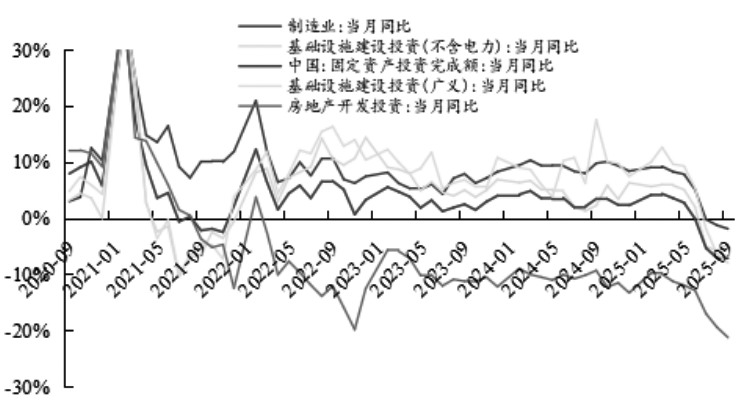
Group 1: PVC Market Overview - PVC futures have shown a "V" shaped trend since June 2025, with market logic returning to fundamentals after a period of "anti-involution" [1] - As of now, 1.75 million tons of new PVC production capacity has been added in 2025, with major contributions from companies like Xinpu Chemical and Wanhu Fujian [1] - The total production capacity for PVC is expected to reach 1.95 million tons this year, reflecting a year-on-year growth rate of approximately 7% [1] Group 2: Supply and Production Data - From January to September 2025, the cumulative PVC production reached 18.11 million tons, a year-on-year increase of 4.11%, with ethylene-based production growing by 9.78% [1] - The supply pressure is primarily driven by ethylene-based production, and with fewer maintenance activities in the fourth quarter, supply-side pressure is expected to increase further [1] Group 3: Demand and Real Estate Impact - PVC is closely linked to the real estate sector, which has seen a decline in investment and construction activities, with a 13.9% drop in real estate development investment from January to September 2025 [2] - The operating rates for downstream products, particularly those related to real estate, remain at historically low levels, indicating weak domestic demand for PVC [2] Group 4: Export Dynamics - Cumulative PVC powder exports from January to September 2025 reached 2.92 million tons, a significant year-on-year increase of 51%, with major markets including India and Vietnam [3] - However, the potential for export decline in the fourth quarter is a concern due to India's anti-dumping tax adjustments and ongoing trade tensions [3] Group 5: Inventory and Pricing - Domestic PVC social inventory stands at 1.0338 million tons, showing a slight decrease from the previous month but a year-on-year increase of 24.48% [3] - The prices of raw materials like calcium carbide and ethylene remain low, contributing to ongoing losses in production methods, yet the overall PVC operating rate has not decreased due to acceptable chlor-alkali profits [4] Group 6: Overall Market Sentiment - The PVC market is characterized by significant supply pressure and weak demand, particularly influenced by the downturn in the real estate sector [4] - The overall sentiment remains bearish, with caution advised for bottom-fishing strategies, while monitoring for potential stabilization signals in the market [4]
氧化铝供应过剩格局难扭转
Qi Huo Ri Bao· 2025-10-21 23:17
Group 1: Market Overview - Recent fluctuations in alumina futures have been influenced by negative factors, with main contract prices hovering around 2750 CNY/ton [1] - China's bauxite production in September was 4.8821 million tons, down 2.32% year-on-year, with supply tight due to ongoing rainy season impacts in Shanxi and Henan [1] - Domestic bauxite imports in September reached 15.8806 million tons, a month-on-month decrease of 13.17% but a year-on-year increase of 38.26% [1] Group 2: Production and Capacity - In September, China's metallurgical-grade alumina production was 7.6037 million tons, reflecting a month-on-month increase of 1.52% and a year-on-year increase of 10% [2] - As of October 17, the total alumina production capacity in China was 11.462 million tons, with operational capacity at 9.715 million tons, a decrease of 140,000 tons from the previous week [2] - Domestic electrolytic aluminum production in September was 3.6148 million tons, a year-on-year increase of 1.14% [4] Group 3: Pricing and Inventory - Domestic alumina total inventory reached 4.639 million tons as of October 10, with a weekly increase of 63,000 tons and a year-on-year increase of 721,000 tons [2] - The FOB alumina price from Western Australia was reported at 323 USD/ton as of October 16, down 15% from the July peak [3] - The domestic alumina market is expected to experience price stabilization due to high absolute inventory levels and reduced profit margins for alumina plants [1][2] Group 4: Future Outlook - The alumina market is anticipated to face oversupply pressure, with potential large-scale production cuts expected in November [6] - The overall economic environment in China is stable, with expectations of enhanced resilience due to policy support [6] - The alumina futures market is projected to experience a bottoming-out trend, with a support level around 2700 CNY/ton [6]
债市 关注政策和权益市场表现
Qi Huo Ri Bao· 2025-10-21 17:24
Group 1 - The core viewpoint is that the bond market is experiencing a recovery due to increased risk aversion amid escalating trade tensions, with expectations of policy support and a shift in sentiment following changes in fund redemption rules [1][2] - The 30-year government bond yield has decreased by over 8 basis points, with yields for 30-year and 10-year bonds recorded at 2.0680% and 1.7475% respectively, indicating a positive response in the bond market [1] - The macroeconomic environment remains challenging, with GDP growth slowing to 4.8% and pressures on both investment and consumption sectors, highlighting the need for further policy intervention [4][5] Group 2 - The U.S.-China trade relationship is a critical variable influencing bond market trends, with the likelihood of extreme tariff measures being low, suggesting a potential for negotiation rather than escalation [2] - The third quarter has shown a significant decline in investment growth, particularly in real estate and infrastructure, reflecting ongoing domestic demand issues [4] - The upcoming meetings, including the 20th National Congress, are expected to impact market risk appetite and may lead to more proactive counter-cyclical policies, which could affect bond market sentiment [5][7]

黄金 长期上涨逻辑未改
Qi Huo Ri Bao· 2025-10-21 06:52
Core Viewpoint - The article discusses the increasing uncertainty in the U.S. economy, the rising expectations for Federal Reserve interest rate cuts, and the potential for gold prices to maintain a bullish trend in the long term due to macroeconomic factors and geopolitical tensions [1][9]. Economic Conditions - The U.S. economy is experiencing a slowdown, with expectations for the Federal Reserve to lower interest rates, leading to a downward trend in real interest rates [1][9]. - The ongoing U.S. government shutdown and geopolitical conflicts are contributing to market uncertainty and driving up gold prices [1][7]. Gold Price Trends - Since early 2025, gold has seen two significant price increases, with the latest surge attributed to expectations of a new round of interest rate cuts by the Federal Reserve and geopolitical tensions [3][9]. - As of October 17, 2025, gold prices reached a historical high of $4,300 per ounce, with an increase of over 60% in both New York and London gold prices since the beginning of the year [3]. Gold Demand - Central banks globally have been increasing their gold reserves, with China's central bank adding 1,016 million ounces since November 2022 [4][5]. - In Q2 2025, global gold demand rose by 3% year-on-year to 1,249 tons, with a significant increase in value by 45% to $132 billion [5][6]. Investment Sentiment - The market is currently characterized by high risk aversion due to the U.S. government shutdown, which has led to delays in key economic data releases [7][8]. - The uncertainty surrounding the Federal Reserve's policy direction is increasing, with expectations of potential interest rate cuts in the coming months [8][9].
金价盘中再创新高,中国资产大涨!“第11次表决未通过”,美政府继续“停摆”!
Qi Huo Ri Bao· 2025-10-21 01:23
Group 1: Market Performance - U.S. stock markets saw significant gains, with the Nasdaq rising by 1.37%, the Dow Jones by 1.12%, and the S&P 500 by 1.07% [1] - Major tech stocks performed well, with Apple increasing approximately 4% to reach a market capitalization of $3.89 trillion, surpassing Microsoft [1] - The Nasdaq Golden Dragon China Index rose by 2.39%, with notable increases in Chinese stocks such as iQIYI (up over 8%) and NIO (up nearly 5%) [1] Group 2: Commodity Prices - COMEX gold futures increased by 3.82%, reaching $4,374.3 per ounce, while spot gold rose by 2.48% to $4,357.36 per ounce, both hitting historical highs [1] - COMEX silver futures rose by 2.59%, closing at $51.4 per ounce [1] - WTI crude oil futures slightly decreased by 0.03% to $57.52 per barrel, and Brent crude oil futures fell by 0.46% to $61.01 per barrel [1] - U.S. natural gas futures surged nearly 13%, closing at $3.397 per million British thermal units [1] Group 3: Silicon Market Dynamics - On October 20, polysilicon futures experienced a significant decline, with the main contract PS2511 closing at 50,340 yuan, down 3.66% [6] - Analysts attribute the price drop to a shift in market focus from speculative influences to fundamental conditions, indicating a supply surplus in the polysilicon market [6][7] - Current weekly polysilicon production is maintained at 31,000 tons, with expectations of exceeding 130,000 tons in October [6] - Inventory levels have increased to 289,340 tons, indicating a lack of substantial improvement in the supply-demand balance [6][7] Group 4: Future Outlook for Polysilicon - Analysts express mixed views on the future of polysilicon prices, with potential support from reduced production during the dry season in southwestern regions [7] - The market is currently characterized by a struggle between strong policy expectations and weak fundamental realities, leading to uncertainty in price movements [7]



金融工具为钢铁产业链筑牢价格“防护网”
Qi Huo Ri Bao· 2025-10-21 01:15
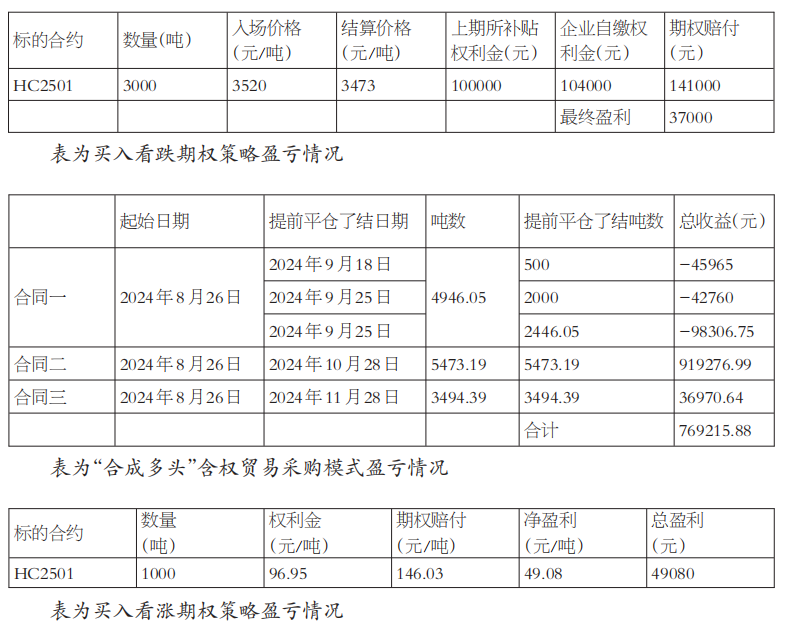
Core Viewpoint - The article emphasizes the importance of risk management in the steel industry, showcasing innovative practices and typical experiences using futures tools to manage price volatility and optimize business decisions, ultimately supporting high-quality development of the real economy [1]. Group 1: Project Background and Company Overview - The case study involves upstream, midstream, and downstream companies in the steel industry, each with different needs such as high-price sales, inventory preservation, and low-price procurement [3]. - The upstream company is a steel production enterprise in Xinjiang with an annual capacity of approximately 3 million tons, focusing on high-strength rebar and other products [4]. - The midstream company is a digital service platform for the steel industry based in Henan, connecting over 100,000 steel producers and traders with an annual transaction scale exceeding 100 billion [4]. - The downstream company is a construction steel service provider in Jiangxi, specializing in efficient matching of steel demand and service innovation, with a processing and distribution capacity of over 800,000 tons annually [4]. Group 2: Industry Demand and Market Conditions - In 2024, the global steel demand is projected to grow by 1.7%, with China's infrastructure investment driving a 2.3% increase in demand for construction steel [6]. - Domestic consumption of rebar and hot-rolled coils showed a slight increase of 0.8% year-on-year in the first half of 2024, with prices fluctuating between 3,400 and 3,900 yuan/ton [6]. - By September 2024, with the approval of 1.2 trillion yuan in infrastructure projects and proactive production cuts by steel manufacturers, prices rebounded, with a notable 5.2% increase in rebar futures on September 19 [6]. Group 3: Risk Management Solutions - The "Strong Source to Assist Enterprises - Futures Price Stabilization Orders" project was implemented to secure sales profits for upstream steel producers, generating a profit of 37,000 yuan [7]. - The midstream trade company utilized a "synthetic long" strategy to stabilize operations, resulting in a profit of 769,215.88 yuan [11][15]. - Downstream processing companies employed European call options to reduce actual procurement costs, achieving a profit of 49,080 yuan [13][15]. Group 4: Advantages and Highlights - The project allows steel industry enterprises to lock in profits and establish stable sales/purchase channels, effectively managing price risks [16][17]. - The process is simplified, meeting the risk management needs of enterprises with a lower understanding barrier [18]. - Futures prices provide precise pricing, enhancing the accuracy of sales/purchase price positioning and mitigating risks from price fluctuations [19]. Group 5: Experience and Future Outlook - The use of options to lock in sales/purchase profits represents a new business model for steel industry enterprises, with increasing participation from small and medium-sized enterprises [20]. - Future development of the OTC derivatives market is expected to enhance the targeting and precision of risk management solutions for enterprises [20].
基础概念
Qi Huo Ri Bao· 2025-10-21 01:01
Core Insights - The introduction of monthly average futures for LLDPE, PVC, and PP on October 28 aims to enhance risk management tools in the chemical industry, stabilize supply chains, and improve China's influence on plastic pricing [1] Group 1: Monthly Average Futures Overview - The monthly average futures contracts for LLDPE, PVC, and PP are based on the monthly settlement prices of corresponding physical delivery futures, with cash settlement upon expiration [1] - These contracts provide a risk management tool tailored for "average price trading" on a monthly basis, leveraging the fair prices of existing physical delivery futures [1] Group 2: Supply and Demand Situation - China is the largest producer and consumer of plastics globally, with projected capacities for 2024 being 35.71 million tons for polyethylene, 27.54 million tons for PVC, and 46.76 million tons for polypropylene [2] - The production volumes for 2024 are expected to be 27.91 million tons for polyethylene, 23.44 million tons for PVC, and 34.76 million tons for polypropylene, while consumption is projected at 40.94 million tons, 20.89 million tons, and 35.73 million tons respectively [2] - China's plastic exports have been increasing, with PVC exports rising from 63000 tons in 2020 to 262000 tons in 2024, and polypropylene exports increasing from 43000 tons to 235000 tons in the same period [2] Group 3: Rationale for Launching Monthly Average Futures - The launch of these futures is a response to the oversupply in the plastic industry and increasing exports, catering to the refined and diversified risk management needs of industry enterprises [2] - These futures will provide smoother price references and enrich the futures market toolset, enhancing China's pricing influence in the plastic sector [2] Group 4: International Precedents - The introduction of monthly average futures is not unprecedented, as CME launched WTI crude oil monthly average futures in 2006, followed by several international exchanges adopting similar products [3] - Monthly average futures have become essential tools in major international futures exchanges over the years [3]
OPEC+稳步释放产能 原油价格易跌难涨
Qi Huo Ri Bao· 2025-10-21 00:24
Core Viewpoint - The global crude oil supply-demand structure is undergoing significant adjustments, with increasing supply and weak demand creating a contrasting scenario that is leading to a downward trend in oil prices [1][2][3][4] Supply Side Analysis - OPEC+ is shifting from a production cut strategy to a competitive "increase production to maintain market share" approach, with plans to increase output by 137,000 barrels per day in November, maintaining the same increase as in October [1][2] - Major oil-producing countries like Saudi Arabia and Iraq are maintaining high export levels, with Saudi exports stable at 9 million barrels per day and Iraq at 4 million barrels per day, contributing to an overall surplus in the Middle East [2] - Non-OPEC+ countries, particularly in South America, are expanding production, with U.S. crude oil production reaching an average of 13.636 million barrels per day, a year-on-year increase of 136,000 barrels per day, nearing historical highs [2] Demand Side Analysis - Demand for oil is weakening, particularly as the summer travel season ends, leading to a seasonal decline in refinery operations. U.S. refinery utilization dropped to 85.7%, a significant decrease of 6.7 percentage points week-on-week [3] - In Asia, China's main refineries are operating at a low rate of 73.48%, with Shandong's independent refineries at 54.95%, further suppressing crude oil processing demand and increasing refined oil inventory pressure [3] Pricing Dynamics - The pricing logic for domestic crude oil futures is shifting from a "cost + premium" model, reliant on geopolitical risk and OPEC+ cuts, to a "supply-demand + inventory" driven model, reflecting a stronger correlation with WTI and Brent prices [4] - Domestic refinery profit margins are narrowing, leading to reduced willingness to accept high-cost crude, which further suppresses the potential for price rebounds [4] - The recent weak performance of domestic crude oil futures is a natural outcome of the global supply-demand restructuring, with supply outpacing demand recovery and diminishing geopolitical risk impacts [4]
生猪期价止跌了!最新解读:现货压力未消 反弹持续性存疑
Qi Huo Ri Bao· 2025-10-21 00:12
Core Viewpoint - The pig futures market experienced a strong rebound after a period of decline, with the main contract closing at 12,155 yuan/ton, an increase of 2.88%. This rebound is attributed to market sentiment recovery and stabilization of short-term spot prices, although fundamental pressures in the industry remain significant, potentially limiting future price increases [1]. Group 1: Market Analysis - Analysts believe the recent price increase is due to the previous deep decline in pig futures prices, which left prices at relatively low levels. The stabilization in the spot market has led to bullish sentiment in the futures market [1]. - After the National Day holiday, spot prices for pigs dropped significantly, which stimulated terminal consumption and storage demand. Daily slaughter volumes have rebounded by 12% from post-holiday lows [2]. - The price gap between fat pigs and standard pigs continues to widen, and with decreasing temperatures, demand for fat pigs has increased. Additionally, there are expectations that large enterprises may reduce their slaughter volumes by the end of the month, which could boost short-term market expectations [1]. Group 2: Price Trends and Projections - Since October, spot prices for pigs have continued to decline, with some regions falling below 11 yuan/kg, exerting ongoing pressure on futures prices. The overall industry is actively reducing weights, with the pig-to-grain ratio quickly dropping to around 5:1 [2]. - The third quarter saw a weakening in breeding profits, leading to increased enthusiasm for large pig sales and a release of holding risks. Recent prices for piglets have fallen below 180 yuan/head, resulting in further losses for self-breeding operations [2]. - Looking ahead, the agricultural sector lacks effective positive factors post-National Day, with spot prices in the feed and breeding industry primarily declining. The futures market is expected to maintain a weak near-term and strong long-term structure due to significant pressure on near-term spot prices [2]. - Current data indicates that the national pig inventory at the end of the third quarter was 43.68 million heads, a year-on-year increase of 986,000 heads (2.3%) and a quarter-on-quarter increase of 1.233 million heads (2.9%), suggesting a production increase in the fourth quarter [3].
文化铸魂 深耕产业——金瑞期货“十四五”奋进之路
Qi Huo Ri Bao· 2025-10-20 23:59
Core Viewpoint - The article highlights the challenges faced by a copper processing company due to high inventory and fluctuating copper prices, while showcasing the proactive approach of Jinrui Futures in providing tailored risk management solutions and industry services to support clients during difficult times [1][4]. Group 1: Industry Challenges - A copper processing company in Jiangxi is struggling with high inventory levels and a tight cash flow, exacerbated by fluctuating copper prices [1]. - The company is preparing for an IPO amidst these challenges, indicating a critical need for effective financial strategies [1]. Group 2: Jinrui Futures' Approach - Jinrui Futures emphasizes a culture of compliance, integrity, professionalism, stability, and responsibility, aiming to serve the real economy through innovative solutions [1]. - The company has established multiple specialized research teams to analyze different industries, ensuring that their services are aligned with market changes and client needs [2]. - Jinrui Futures has successfully completed research projects that received positive feedback, demonstrating their commitment to enhancing industry service levels [2][3]. Group 3: Risk Management Solutions - Jinrui Futures provided a customized risk management plan for a copper processing company facing challenges with spot exposure and price volatility [4]. - The team introduced copper futures options to optimize the company's hedging strategy, resulting in reduced losses and lower hedging costs [4]. - The company has developed various personalized risk management solutions for different types of enterprises, maintaining a focus on compliance and risk control [4][5]. Group 4: Collaboration and Talent Development - Jinrui Futures collaborates with universities to educate future financial talents, enhancing the industry's knowledge base and fostering a professional talent pipeline [6]. - The company actively participates in the construction of industrial-financial bases and organizes various industry training activities, promoting resource sharing and collaboration [6]. - Through these initiatives, Jinrui Futures aims to inject vitality into the industry and uphold its commitment to integrity and responsibility [6][7]. Group 5: Achievements and Recognition - Jinrui Futures has received multiple awards for its research and risk management practices, reflecting the dedication and hard work of its team [3][5]. - The successful implementation of risk management strategies and research breakthroughs contribute to the company's high-quality development and its role in serving the real economy [7].