
GEELY AUTO(00175)

Search documents
吉利汽车2025年销量为302.46万部,同比大增39%
Ju Chao Zi Xun· 2026-01-04 03:31
Core Insights - Geely Auto demonstrated strong sales performance in 2025, with total annual sales reaching 3,024,567 units, a significant increase of 39% compared to 2,176,567 units in the previous year [3] - December sales amounted to 236,817 units, reflecting a 13% year-on-year growth from 210,055 units [3] Group 1: Brand Performance - Geely brand's total annual sales were 2,449,939 units, up 47% from 1,669,003 units year-on-year; December sales were 172,799 units, a 10% increase from 156,780 units [1] - The Galaxy series showed exceptional performance with December sales of 100,694 units, a 45% increase year-on-year, and total annual sales of 1,235,807 units, a 150% surge from 494,440 units [1] - The Zeekr brand had December sales of 30,267 units, an 11% increase, with total annual sales of 224,133 units, a slight increase of 1% from 222,123 units [1] - Lynk & Co brand's December sales reached 33,751 units, a 29% increase, with total annual sales of 350,495 units, up 23% from 285,441 units [1] Group 2: Electric Vehicle Sales - Pure electric vehicles (BEVs) sold 79,131 units in December, a 3% increase from 76,963 units year-on-year, with total annual sales of 1,073,805 units, an 86% increase from 576,488 units [2] - Plug-in hybrid electric vehicles (PHEVs) saw December sales of 75,133 units, a remarkable 119% increase from 34,243 units year-on-year, with total annual sales of 613,962 units, a 97% increase from 311,747 units [2] Group 3: Export Performance - In December 2025, Geely's export volume was 40,310 units, a 49% increase from 27,050 units year-on-year; total annual exports reached 420,097 units, a marginal increase of 1% from 414,522 units [2]


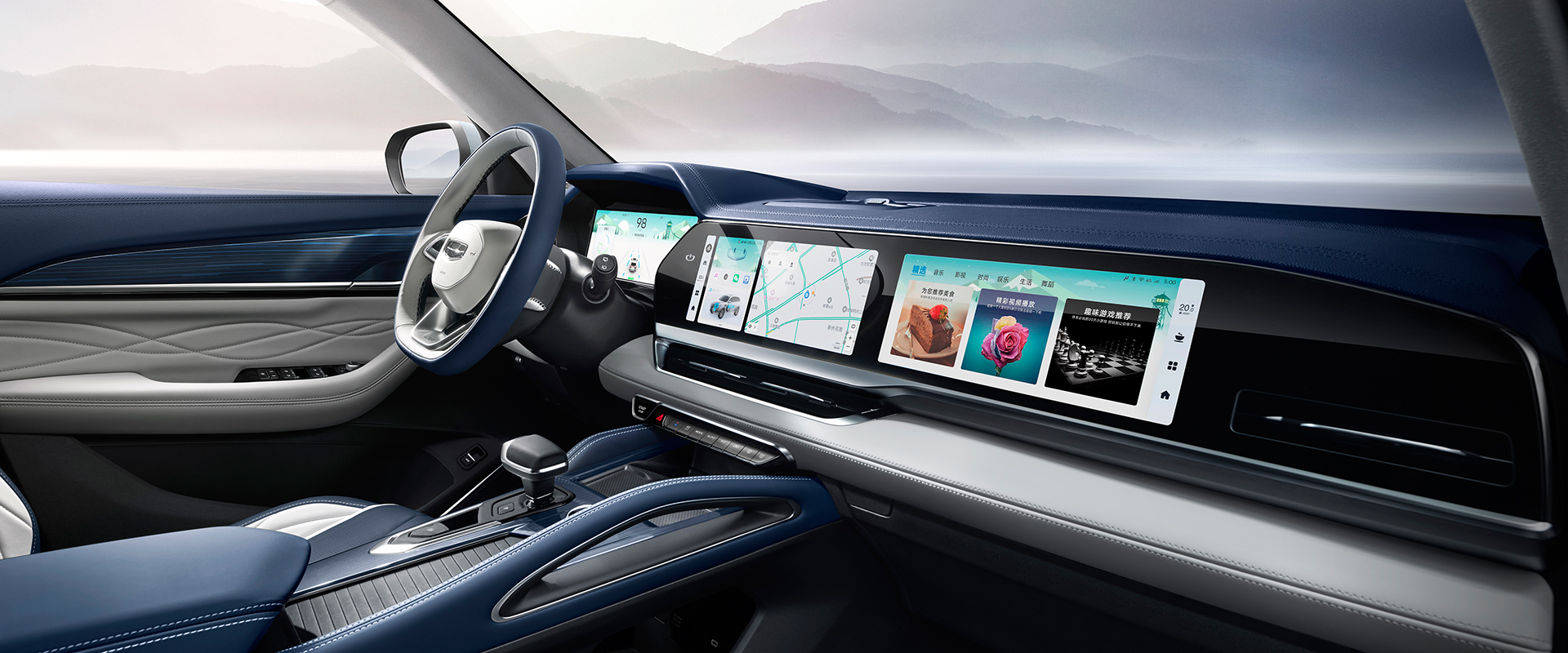
瞄准5万亿美元市场:跨界布局机器人,时代的新共识
3 6 Ke· 2026-01-04 00:26
Core Insights - The Chinese robotics industry is poised for significant growth by the end of 2025, with humanoid robots transitioning from experimental concepts to practical applications, achieving over 50% growth and indicating a trillion-yuan industry on the horizon [1] - The entry of major players from various sectors such as automotive, electronics, and the internet into the robotics field marks a shift from niche exploration to widespread competition, creating a unique trend of "cross-industry integration" [1] Group 1: Market Dynamics - In the first eight months of 2025, the primary market financing in the robotics sector reached 38.624 billion yuan, 1.8 times the total for 2024, highlighting the blue ocean effect attracting significant investment [2] - The global industrial robot sales are projected to reach 542,000 units in 2024, with China accounting for 295,000 units, representing 54% of the global market [2] - By 2025, the Chinese robotics market is expected to exceed 150 billion yuan, capturing 35% of the global market share, with predictions suggesting the market for embodied intelligence could reach 400 billion yuan by 2030 and over a trillion yuan by 2035 [2] Group 2: Industry Trends - At least 20 automotive companies have entered the humanoid robot market by the end of 2025, with notable developments including Chery's humanoid robot Mocha and BYD's production line for core robot components [3] - The automotive industry's supply chain overlaps significantly with robotics, with a 60% compatibility rate, driving car manufacturers to invest in robotics as they view vehicles as "mobile intelligent robots" [3] - Home appliance manufacturers are transitioning from traditional manufacturing to smart ecosystems, with companies like Midea establishing dedicated innovation centers for humanoid robots and developing comprehensive R&D systems [7] Group 3: Strategic Shifts - The automotive sector is seen as a key player in the transition to robotics, with companies like Geely planning to invest 5 billion yuan over three years to develop critical components and establish an ecosystem covering all robotics applications [6] - Internet giants are leveraging their technological and capital advantages to enter the robotics space, with ByteDance and Huawei making significant investments in developing advanced robotic models and systems [8] - The competition in the robotics sector is viewed as a strategic restructuring driven by technological advancements, with companies aiming to activate existing technological capabilities and build new ecosystems [9] Group 4: Challenges Ahead - Despite the enthusiasm for entering the robotics market, cross-industry players face challenges such as adapting core competencies to the robotics field, where technology paths are still being defined [10] - The high precision and stability required for industrial applications pose significant challenges for companies transitioning from other sectors, as they may struggle to meet the diverse demands of various operational environments [11] - Cost remains a critical issue, with companies like BYD and GAC aiming to reduce the production cost of humanoid robots to below 200,000 yuan, which requires overcoming substantial supply chain and process optimization challenges [11]





从这里读懂中国车企老大们的心思
汽车商业评论· 2026-01-03 23:04
Core Viewpoint - The Chinese automotive industry in 2025 is characterized by a focus on "progress" rather than just sales figures, emphasizing product quality and brand value enhancement [5][10][13]. Group 1: Sales and Market Position - BAIC Group announced that its self-owned brand sales have returned to over one million units after six years, highlighting a significant increase in the proportion of new energy vehicles [5]. - Changan Automobile reported that its new energy vehicle sales have surpassed one million units for the first time, marking the establishment of its three-brand matrix: Avita, Deep Blue, and Qiyuan, which target different market segments [7]. - Dongfeng Motor also achieved over one million new energy vehicle sales, with its self-owned brand accounting for over 60% of total sales, driven by strategic adjustments [10]. Group 2: Technological Advancements - The industry is focusing on technological breakthroughs, with companies like GAC and Dongfeng establishing solid-state battery pilot lines and achieving significant advancements in key components such as high-efficiency engines and hybrid transmission systems [13][15]. - Companies are enhancing their AI technology capabilities, with Geely and GAC developing comprehensive AI systems to improve vehicle decision-making and environmental understanding [14]. - The progress in autonomous driving is notable, with BAIC and Changan receiving the first L3 autonomous driving licenses in China, indicating a new phase in regulatory acceptance [15]. Group 3: Global Expansion and Collaboration - Chinese automakers are shifting from merely selling cars abroad to establishing roots in foreign markets, exemplified by Geely's technical cooperation with Renault in Brazil [16]. - Companies like CATL are making strides in overseas manufacturing, while Chery is focusing on cultural integration in international markets [17]. - The industry is moving towards collaborative efforts, with BAIC easing financial pressures on suppliers and GAC partnering with major tech firms to build a smart electric vehicle ecosystem [17][18]. Group 4: Internal Reforms and Strategic Focus - Automakers are undergoing significant internal reforms, transitioning from broad growth strategies to lean operations and collaborative efforts [26][30]. - GAC has relocated its headquarters to its manufacturing base to enhance operational efficiency, while BAIC is implementing top-down management strategies to improve marketing and quality [29][30]. - The focus is on building resilient and efficient systems rather than just increasing sales, with companies emphasizing user-centric approaches in product development [30][35]. Group 5: Future Outlook - The competition in the automotive industry is evolving from individual companies to ecosystems, where collaboration and strategic partnerships will determine success [20][24]. - The industry is at a critical juncture, with companies emphasizing the importance of strategic determination amidst changing external environments and user expectations [22][23]. - The long-term winners will be those who focus on core values and sustainable growth rather than opportunistic trends [24][35].



新造车2025年复盘:零跑登顶,小鹏逆袭,理想遇挫
创业邦· 2026-01-03 10:22
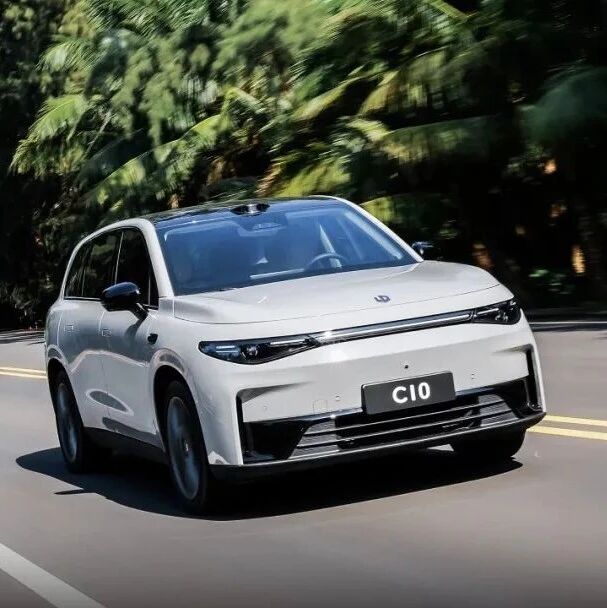
Core Viewpoint - The 2025 sales data reveals a significant shift in the Chinese electric vehicle (EV) market, with new players like Leap Motor, Huawei's Homologous Intelligent Driving, and Xiaomi emerging as strong competitors against established brands like BYD and Geely [6][12]. Group 1: 2025 Sales Performance - BYD led the market with 4.6024 million units sold, achieving 100% of its target [7]. - Geely surpassed 3 million units, reaching 3.0246 million with a 39% year-on-year growth [7]. - Leap Motor emerged as the top new force with nearly 600,000 units sold, marking a 103% increase [8][12]. - Homologous Intelligent Driving ranked second among new forces with 589,100 units delivered, primarily driven by the Wanjie brand [8]. - Xiaomi entered the top five with over 400,000 units sold, leveraging its ecosystem and brand loyalty [17]. Group 2: Competitive Landscape - The competition among new forces has intensified, with Leap Motor, Homologous Intelligent Driving, and Xiaomi leading the charge, while traditional players like BYD and Geely maintain their dominance [10][12]. - The market is shifting from a focus on capturing the fuel vehicle market to a more competitive landscape where companies vie for each other's market share [10]. - The new forces are increasingly focusing on systemic capabilities rather than just product features or pricing [18]. Group 3: Strategic Insights - Leap Motor's success is attributed to its cost control and high component sharing rate, which allows it to offer competitive pricing while maintaining quality [15][18]. - Xiaomi's approach combines its consumer electronics experience with automotive production, achieving a gross margin of 26.4% in Q3 2025 [17]. - The high-end players like Ideal, Homologous Intelligent Driving, and NIO face challenges as the market shifts towards technology competition rather than just configuration [19][23]. Group 4: Future Outlook - The penetration rate of new energy vehicles is expected to exceed 60% in 2026, leading to intensified competition [10]. - Companies are setting ambitious sales targets for 2026, with Homologous Intelligent Driving aiming for 1 to 1.3 million units and Leap Motor targeting 1 million [10]. - The competition will evolve into a "value war," focusing on better battery performance, intelligent features, and overall vehicle quality [29][30].



崔东树:2025年11月中国新能源乘用车世界份额高达73.7%
智通财经网· 2026-01-03 08:27
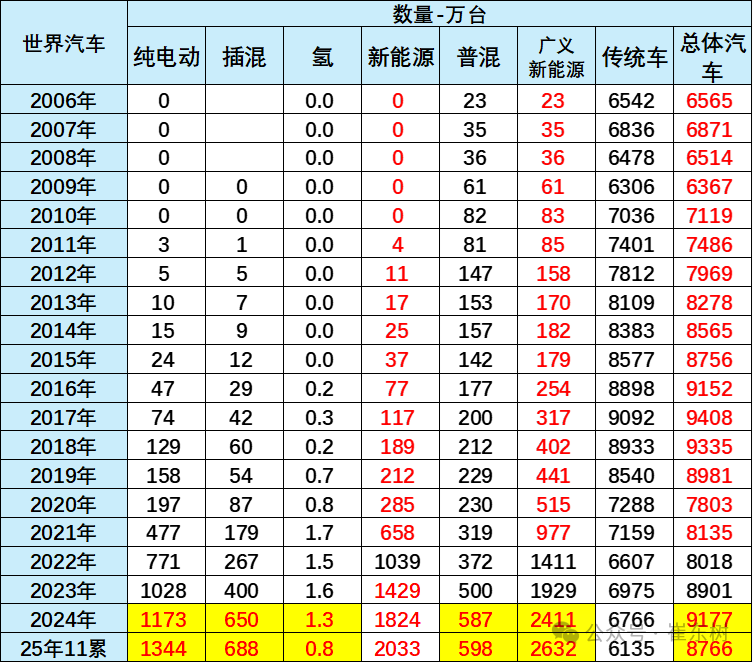
Core Insights - By 2025, China's share of the global new energy passenger vehicle market is projected to reach 68.4%, with November 2025 seeing a peak share of 73.7% [1][31] - In the contribution to global new energy vehicle growth from January to November 2025, China accounts for 68%, Germany for 5%, and India for 4% [1][28] - The global sales of new energy vehicles from January to November 2025 are expected to reach 2,033,000 units, with a year-on-year growth of 30% [10][11] Global New Energy Vehicle Market Performance - In 2025, the global new energy vehicle sales are projected to be 8,766,000 units, with 2,033,000 units being new energy vehicles, indicating a significant increase from previous years [2][10] - The global penetration rate of new energy vehicles is expected to reach 30% in 2025, up from 26.3% in 2024 [4][26] - The sales of new energy passenger vehicles in Europe from January to November 2025 are estimated at 3,320,000 units, a 30% increase year-on-year [24] Regional Market Trends - In the U.S., new energy vehicle sales reached 1.41 million units from January to November 2025, with a growth rate of 6% compared to previous years [22] - The European new energy vehicle market is recovering, with November 2025 sales reaching 338,000 units, a 28% increase year-on-year [24] - The overseas market share of Chinese self-owned new energy vehicles increased from 9.9% in 2024 to 15.4% in 2025 [1][17] Market Dynamics - The U.S. market experienced a decline in November 2025, with sales dropping by 41% year-on-year due to high tariffs and the cancellation of subsidies [22][21] - The growth of new energy vehicles in China is expected to continue, with a strong performance in the first half of 2025, despite a temporary slowdown in early 2025 [8][19] - The global new energy vehicle market is entering a phase of differentiated development, with China strengthening its position while Europe and the U.S. are reducing incentives [27][31]


每10辆就有1辆中国造,中国车企在欧洲卖爆了
创业邦· 2026-01-03 01:13
Core Viewpoint - Chinese electric vehicles (EVs) are significantly increasing their market share in Europe, overcoming high tariffs and competition from established local brands, indicating a successful penetration into a historically challenging market [5][7]. Market Performance - In 2025, Chinese brands are projected to capture 12.8% of the European EV market and over 13% in the hybrid vehicle sector, marking a historic high [7]. - In the UK, sales of Chinese automotive brands reached 187,800 units in the first 11 months of the year, doubling from the previous year, with expectations to exceed 200,000 units in 2025 [8][11]. - The average market share of Chinese brands in Western Europe is around 6%, with significant growth in countries like Spain and Norway [11]. Competitive Advantages - Chinese automakers benefit from a mature supply chain for new energy vehicles, allowing for stable supply and cost advantages compared to European manufacturers facing high production costs and battery shortages [13]. - The strategy of localizing production, such as Chery's assembly in Barcelona and BYD's new factory in Hungary, helps avoid tariffs and brings products closer to European consumers [14]. Technological Edge - Chinese companies lead in battery technology, with innovations like BYD's blade battery and CATL's high-energy-density batteries, meeting European demands for longer range and safety [14]. - Advanced smart features in vehicles from brands like XPeng and Leap Motor cater to tech-savvy European consumers [15]. Challenges Ahead - Trade barriers, such as a 45% anti-subsidy tax, and upcoming regulatory requirements pose significant challenges for Chinese automakers [15][17]. - Service and brand recognition remain weak compared to established European brands, with limited service networks and slower response times affecting customer retention [17]. - Adapting to stringent European standards for charging interfaces and carbon footprints adds to the cost of vehicle modifications [17].
2025年车企销量排名出炉:比亚迪、吉利、奇瑞稳居前三,造车新势力分化加剧,零跑、小鹏、小米完成目标
Feng Huang Wang Cai Jing· 2026-01-02 14:45
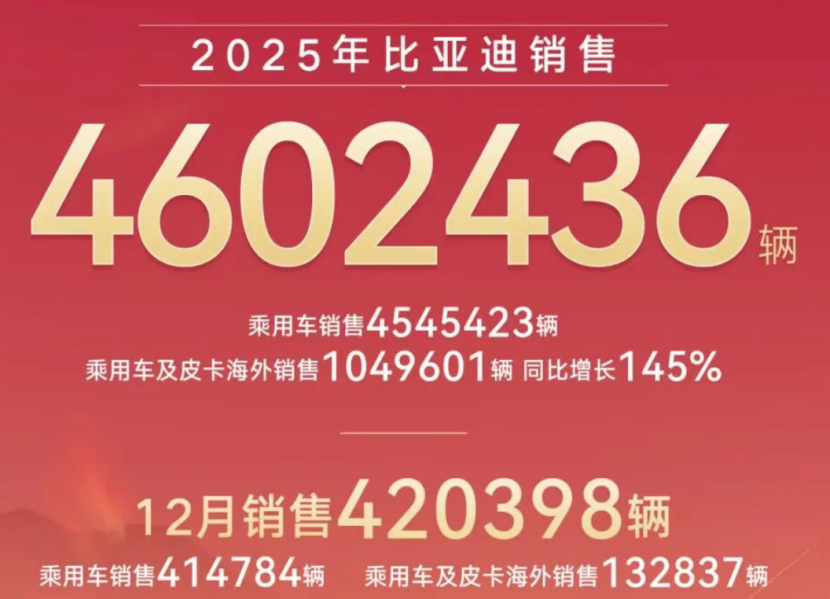
Core Insights - The Chinese automotive industry is experiencing a significant transformation, with traditional giants expanding rapidly while new energy vehicle startups face intense competition and market reshuffling [1] Traditional Giants' Performance - BYD continues to lead the market with total sales exceeding 4.6 million units in 2025, marking a nearly 8% year-on-year increase. Pure electric vehicle sales reached 2.2567 million units, up 27.86% [2] - BYD's overseas sales surpassed 1 million units for the first time, achieving 1.0496 million units, a staggering 145% increase year-on-year [2] - Geely Automotive achieved over 3.02 million units in sales, exceeding its target of 3 million units with a 39% year-on-year growth, driven by a 90% increase in new energy vehicle sales [3] - Chery Automotive sold over 2.8 million units, a 7.8% increase, and maintained its position as the top exporter of Chinese passenger cars for 23 consecutive years [5] - Great Wall Motors sold over 1.32 million units, a 7.33% increase, with new energy vehicle sales reaching 403,700 units, up 25.44% [7] New Energy Vehicle Startups' Struggles - The new energy vehicle sector shows significant differentiation, with only Leap Motor, Xiaomi, and XPeng meeting their annual sales targets [8] - Leap Motor emerged as a surprise leader with nearly 600,000 units sold, achieving a target completion rate of over 119% [8] - Homtruck followed closely with 589,100 units sold, but fell short of its 1 million target, achieving only 59% of its goal [8] - XPeng sold 429,400 units, surpassing Li Auto, with a year-on-year growth of 125.94% and a target completion rate of over 113% [10] - Li Auto faced a decline, selling 406,300 units, down 18.81% year-on-year, and only achieving 58.05% of its target [10] Market Dynamics and Future Outlook - The competitive landscape is shifting, with traditional automakers gaining strength while new entrants like Leap Motor and Xiaomi are rising [11] - The upcoming subsidy policies for 2026 are expected to intensify competition, focusing on product strength, technological capabilities, and brand value [12] - The automotive industry is poised for further transformation as market dynamics evolve, indicating that no company's position is guaranteed [12]
2025车市,谁封神谁掉队?
凤凰网财经· 2026-01-02 13:42
Core Viewpoint - The Chinese automotive industry is undergoing a significant transformation, with traditional giants expanding rapidly while new energy vehicle startups face intense competition and market reshuffling [1][2]. Group 1: Traditional Giants' Performance - BYD continues to lead the market with total sales exceeding 4.6 million units in 2025, marking an 8% year-on-year increase. Pure electric vehicle sales reached 2.2567 million units, up 27.86% [3]. - BYD's overseas sales surpassed 1 million units for the first time, with a remarkable 145% increase year-on-year, indicating its growth as a global player [3]. - Geely achieved over 3.02 million units in sales, exceeding its target of 3 million units with a 39% year-on-year increase. Its new energy vehicle sales approached 1.69 million units, soaring by 90% [5]. - Chery sold over 2.8 million units, a 7.8% increase, and maintained its position as the top exporter of Chinese passenger cars for 23 consecutive years, with exports exceeding 1.34 million units, up 17.4% [8]. - Great Wall Motors sold over 1.32 million units, a 7.33% increase, with new energy vehicle sales reaching 403,700 units, up 25.44% [10]. Group 2: New Energy Vehicle Startups' Performance - The new energy vehicle startups showed significant differentiation, with only Leap Motor, Xiaomi, and XPeng meeting their annual sales targets [12]. - Leap Motor emerged as a surprise leader with nearly 600,000 units sold, achieving a target completion rate of over 119% [12]. - XPeng sold 429,400 units, surpassing its target with a 125.94% year-on-year growth, while NIO sold 326,000 units, a 46.9% increase [15]. - Li Auto faced challenges, selling 406,300 units, down 18.81% year-on-year, and only achieving 58.05% of its target [15]. - Xiaomi's sales reached over 35,000 units, successfully meeting its annual target, while other brands like Deep Blue and Avita struggled to meet their goals [16]. Group 3: Market Dynamics and Future Outlook - The automotive market is expected to become more competitive as new subsidy policies are introduced in 2026, emphasizing product strength, technological capabilities, and brand value [19]. - The rapid changes in market positions among startups highlight the volatility and competitive nature of the industry, with no brand's position being secure [17].
智通港股解盘 | 科技引领港股开门红 商业火箭第一股申请上市推波助澜
Zhi Tong Cai Jing· 2026-01-02 12:56
Market Overview - The Hong Kong stock market opened positively in 2026, with the index breaking through the 26,000-point mark and closing up by 2.76% [1] - The offshore RMB strengthened, surpassing 6.97 against the USD, reaching a new high since May 2023 [1] - Aluminum prices hit $3,000, the highest since 2022, driven by supply tightening and long-term demand expectations [1] Technology Sector - Baidu announced that Kunlun Chip has submitted a listing application to the Hong Kong Stock Exchange, aiming for a valuation between $3 billion and $11 billion for Baidu's 59% stake [2] - Baidu's stock rose over 9%, positively impacting other tech giants like Alibaba and Tencent, which also saw gains of over 4% [2] Semiconductor Industry - Wall Street's first GPU stock, Birun Technology, saw a subscription rate of 1,583.50 times, with an opening price of HKD 35.7, reflecting an 82% premium [3] - Semiconductor stocks like TSMC and Hua Hong Semiconductor also experienced gains, with Hua Hong's stock rising over 9% [3] Aerospace Sector - The commercial aerospace sector saw a surge, with Blue Arrow Aerospace's IPO application accepted, leading to a stock price increase of over 20% for Goldwind Technology [4] Satellite Industry - SpaceX announced a reduction in the orbital height of thousands of Starlink satellites to mitigate collision risks, leading to significant stock increases for Chinese satellite companies [5] - Companies like China Technology Group and Asia Pacific Satellite saw stock increases of nearly 43% and over 34%, respectively [5] Renewable Energy - Skyworth Group's stock rose over 10% following the signing of a 10MW distributed solar power project in Italy, marking significant progress in the European market [6] - The Chinese government is enhancing regulatory measures in the solar industry to ensure fair competition and sustainable development [6] Consumer Electronics - The home appliance sector saw a boost, with major companies like Midea and Haier rising over 4% due to positive market sentiment [7] Automotive Industry - Chinese brands captured a record 12.8% market share in the European electric vehicle market, with significant sales growth reported by companies like BYD and Geely [8] - New energy vehicle sales in Europe doubled compared to the previous year, indicating strong demand for Chinese automotive brands [8] Aluminum Industry - China Aluminum's stock is expected to benefit from rising aluminum prices, which have reached a new high, with a projected revenue increase due to strong demand from the electric vehicle and solar sectors [10][11] - The company reported a 90.31% year-on-year increase in net profit for Q3 2025, driven by cost control and resource optimization [11]


吉利汽车(00175)因认股权获行使而发行23.05万股
Zhi Tong Cai Jing· 2026-01-02 08:49
于2026年1月2日因关连实体参与者根据认股权计划(于2023年4月28日获采纳)行使认股权而发行5.7万股 普通股股份。 智通财经APP讯,吉利汽车(00175)发布公告,于2026年1月2日因本集团雇员根据认股权计划(于2023年4 月28日获采纳)行使认股权而发行17.35万股普通股股份。 ...