滞胀

Search documents
美联储降息25个基点:鲍威尔终于屈服于特朗普,晚节不保还是被骂
Sou Hu Cai Jing· 2025-09-19 10:23
促使美联储最终转向的关键因素,是近期持续疲软的就业数据。最新统计显示,美国新增就业岗位远低于预期,导致特朗普总统直接撤换了劳工统计局局 长。多项经济指标表明,上半年美国经济增长明显放缓,就业市场面临下行风险。 分析人士认为,这次降息是美联储针对就业市场疲软采取的预防性措施,旨在防范经济衰退风险。短期来看,降息有助于提振市场信心;但长期可能加剧全 球资本流动波动,影响国际贸易格局。 美股市场对此反应分化。在降息预期和科技巨头AI投资热潮推动下,纳斯达克指数从4月的14784点一路攀升至9月的20264点。但降息决议公布后,三大股 指表现不一:道指上涨0.57%,标普微跌0.1%,纳指下跌0.33%,显示市场已提前消化降息预期。 美联储宣布降息决定,鲍威尔在特朗普施压下做出政策调整。北京时间昨晚,美联储正式宣布将联邦基金利率下调25个基点,调整后的利率区间为 4.00?.25%。这是自2024年12月以来,美联储首次采取降息措施。 值得注意的是,在本次议息会议中,由特朗普新任命的理事米莱成为唯一反对者。米莱主张更激进的降息幅度,认为应该一次性下调50个基点,才能有效刺 激经济。 此次降息决定出人意料,因为按照传统 ...

美联储降息靴子落地金价上涨行情还能走多远
Zhong Guo Zheng Quan Bao· 2025-09-18 20:24
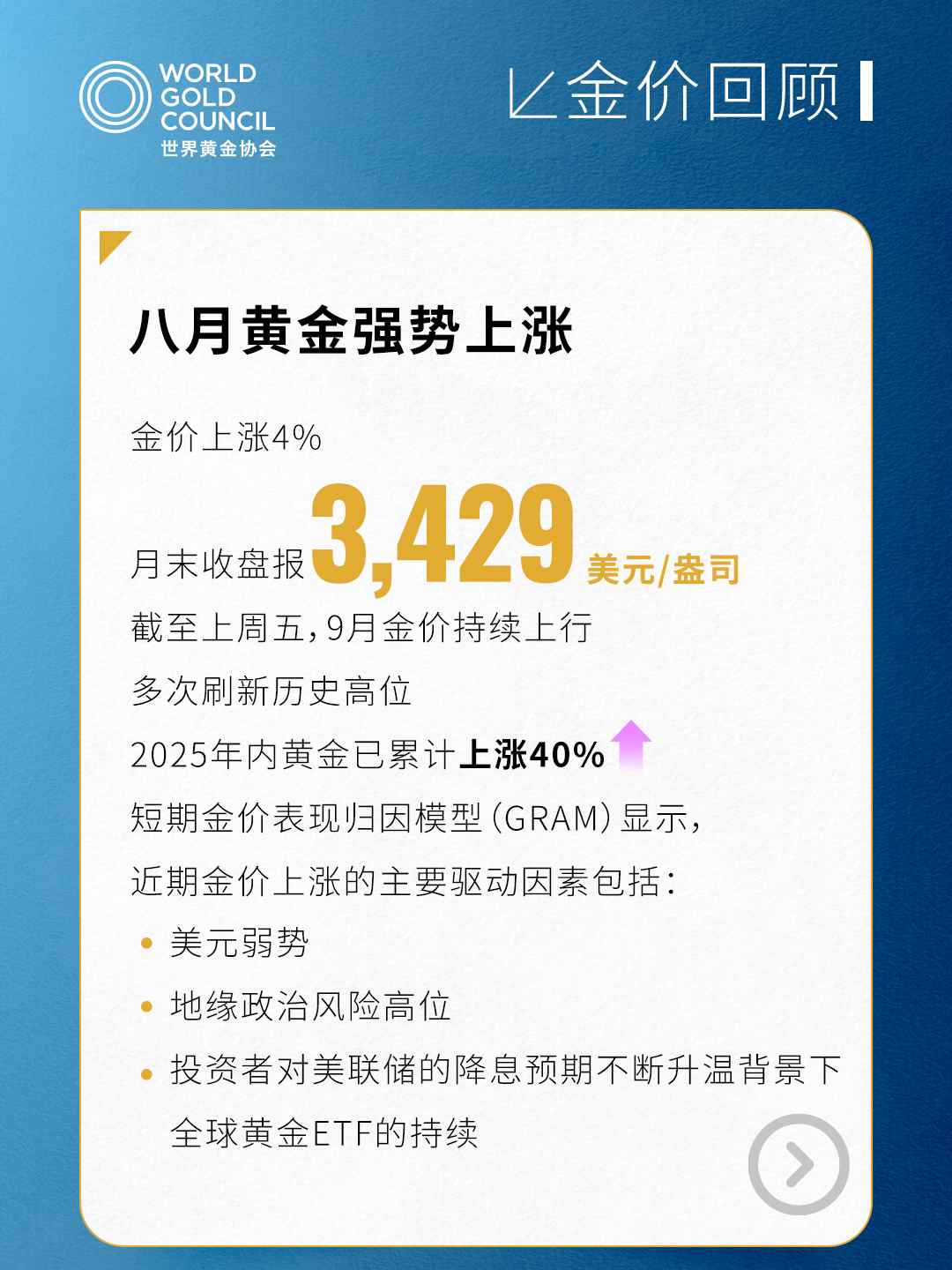
Group 1 - The Federal Reserve's recent interest rate cut has led to a short-term spike in gold prices, reaching a historical high of $3744 per ounce before a quick decline [1] - As of September 18, COMEX gold futures were fluctuating around $3670 per ounce, reflecting market adjustments to the rate cut [1] - Since August, gold prices have increased nearly 10%, with a year-to-date rise of almost 40%, driven by concerns over the U.S. economy and inflation [1] Group 2 - Historical trends suggest that gold prices typically experience small gains or remain stable in the week following a Fed rate cut, with higher average returns observed one to three months later [2] - The market is currently cautious, with indicators showing that speculative net long positions in COMEX gold have decreased, indicating a cooling sentiment among institutional investors [2] - There is a notable divergence in ETF flows, with U.S. gold ETFs seeing net inflows while Chinese gold ETFs have recorded net outflows, marking China as the only significant region reducing gold holdings [2] Group 3 - Despite short-term risks, institutions maintain a positive long-term outlook for gold, with Deutsche Bank raising its 2026 gold price forecast from $3700 to $4000 per ounce [3] - The demand from central banks, particularly from China, is expected to support gold prices, with projections of 900 tons of gold purchases next year [3] - Long-term factors such as the U.S. fiscal deficit and ongoing central bank purchases are seen as key drivers for gold price support [3]

世界黄金协会:滞胀预期上升 利率影响仍存 对金价的推动力或将进一步放大
智通财经网· 2025-09-18 11:02
Core Insights - Recent adjustments in gold demand structure show a shift from emerging market buyers to U.S. investors, with concerns about stagflation driving gold ETF investments [1][4] - Gold prices have seen a significant increase, with a 40% rise in 2025, attributed to factors such as a weak dollar and geopolitical risks [3][4] Group 1: Gold Price Trends - Gold prices rose by 4% in August, continuing an upward trend into September, reaching historical highs [3] - The primary drivers for the recent increase in gold prices include a weak dollar, high geopolitical risks, and rising expectations for Federal Reserve rate cuts [3][4] Group 2: Investor Behavior - U.S. investors are increasingly taking over the gold market, with ETF investors most concerned about stagflation, followed by buyers of gold bars and coins [4][15] - Short-term traders in futures markets are more focused on interest rate paths rather than long-term trends [4][14] Group 3: Economic Indicators - Concerns about a potential return of stagflation are rising, which could further boost gold prices if actual interest rates begin to decline [6][11] - The relationship between gold prices and interest rates, which weakened since 2022, may strengthen again if emerging market demand diminishes [7][15] Group 4: Market Dynamics - The current market dynamics indicate a clear flow of funds into gold ETFs from Western investors, while emerging market demand is weakening [15] - The sensitivity of gold prices to actual interest rates is increasing, with stagflation expectations counteracting the pressure from interest rates [15]
市场为何对降息大失所望?因为鲍威尔“既不情愿,又不够多”
Jin Shi Shu Ju· 2025-09-18 08:21
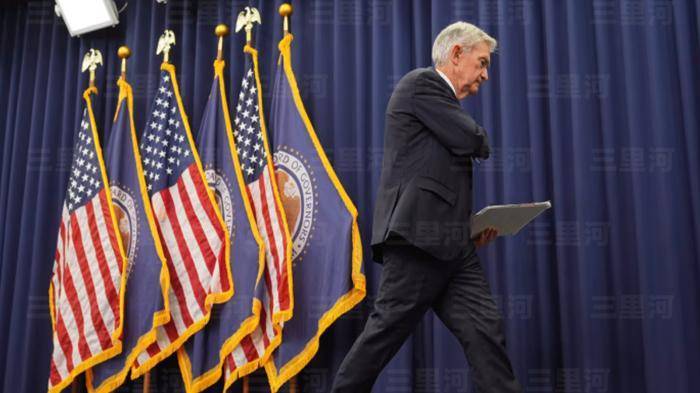
Group 1 - The Federal Reserve has lowered its policy rate by 25 basis points to a range of 4%-4.25%, marking the first rate cut since December of the previous year, while signaling a gradual easing cycle in response to labor market concerns [1][2] - The latest dot plot indicates expectations for more easing this year, with a projected additional 50 basis points cut by year-end, despite inflation remaining above the 2% target at 3% [2][3] - There is significant divergence among Federal Reserve officials regarding future interest rate paths, leading to increased market uncertainty and potential volatility [4] Group 2 - The recent increase in the Consumer Price Index (CPI) in August, driven by rising housing and food costs, has raised fears of stagflation, characterized by slow growth and high inflation [3] - The labor market is showing signs of weakness, with the unemployment rate rising to 4.3% and employment growth falling short of expectations, supporting the case for multiple rate cuts [2][3] - The market's reaction to the Federal Reserve's dovish shift has been mixed, with major indices like the Nasdaq and S&P 500 experiencing volatility following the announcement [2][4]
纽约联储前官员:关税或许只是“一次性影响”|全球财经连线
2 1 Shi Ji Jing Ji Bao Dao· 2025-09-18 08:05
(原标题:纽约联储前官员:关税或许只是"一次性影响"|全球财经连线) 南方财经记者 施诗、杨雨莱 纽约联储前信贷风险主管理查德·罗伯茨(Richard Roberts)接受南方财经记者采访时表示,从数据来看, 关税已对美国通胀形成推升效应,并呈现出典型的"滞胀"特征:通胀走高而经济放缓。 不过,他也指出,关税上调所带来的冲击大概率仅是一次性的价格跳升,并不会演变为持续性的通胀螺 旋。 关税的影响仍未定论。罗伯茨补充说,判断关税是否会进一步推高通胀,可以观察市场参与者的通胀预 期。目前长期通胀预期依然偏高且小幅上行,因此关税对通胀的影响仍需密切关注。 据新华社报道,美国联邦储备委员会17日结束为期两天的货币政策会议,宣布将联邦基金利率目标区间 下调25个基点到4.00%至4.25%之间。这是美联储2025年第一次降息,也是继2024年三次降息后再次降 息。 市场普遍担忧,美国的关税政策可能推高通胀,这也成为影响美联储未来是否进一步降息的关键变量之 一。 ...
三重压力下的艰难妥协 降息难解美国经济之痛
Sou Hu Cai Jing· 2025-09-18 07:47
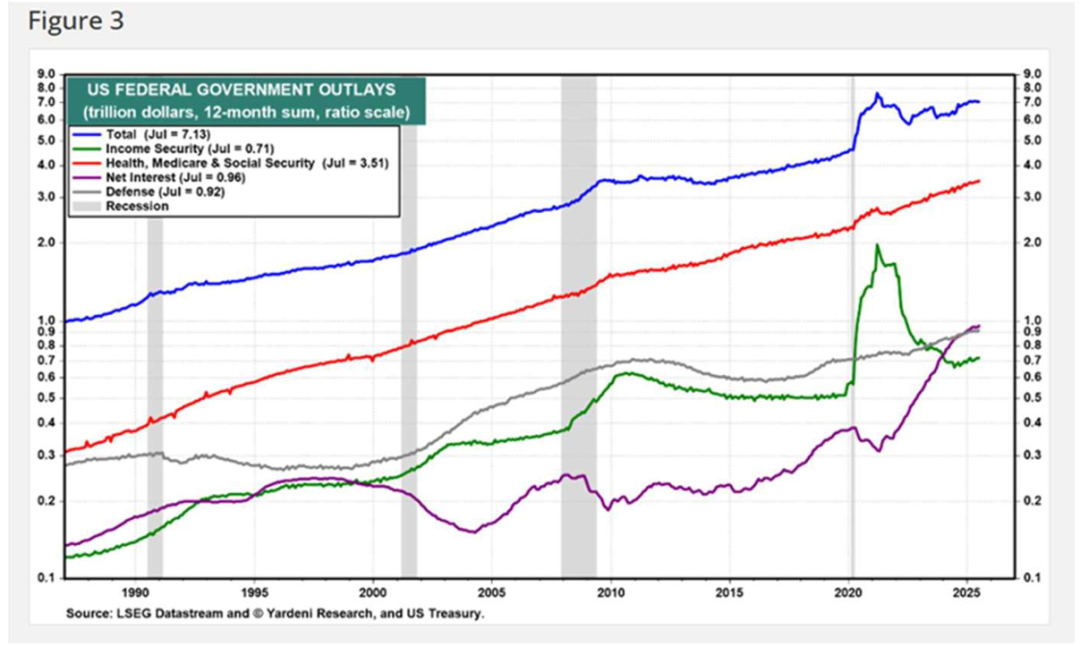
Core Viewpoint - The Federal Reserve announced a 25 basis point cut in the federal funds rate, bringing it to a target range of 4.00% to 4.25%, marking its first action since December of the previous year and the first rate cut of 2025 [1][3]. Economic Conditions - The rate cut is seen as a response to deteriorating employment conditions, rising inflation pressures, and external political influences, rather than a proactive measure to stimulate the economy [3][4]. - The U.S. job market has shown signs of weakness, with non-farm payrolls increasing by only 22,000 in August and the unemployment rate rising to 4.3% [3][7]. - Inflation has re-emerged, with the Consumer Price Index (CPI) rising by 0.4% month-over-month in August, leading to an annual inflation rate of 2.9%, the highest level since January [3][7]. Fed's Dilemma - The coexistence of high inflation and weak employment has heightened the risk of stagflation, placing the Federal Reserve in a challenging position where it must balance between rising unemployment and potential runaway inflation [3][6]. - The rate cut is characterized as a "risk management decision," with Fed Chair Powell emphasizing the need for caution and suggesting that this should not be interpreted as the beginning of a sustained easing cycle [3][4]. Market Reactions - The decision revealed divisions within the Federal Reserve, as one member voted against the cut, advocating for a more aggressive 50 basis point reduction, reflecting political pressures from the White House [5]. - Financial markets reacted sharply, initially rising but then reversing course, indicating a lack of confidence in the Fed's ability to navigate the current economic complexities [5][6]. Future Outlook - Predictions suggest that U.S. CPI growth may continue to exceed the Fed's 2% target in the coming months, with ordinary American households feeling the dual pressures of job insecurity and rising grocery prices [7]. - The rate cut is viewed as insufficient to address deeper structural issues within the U.S. economy, with the challenges of stagflation remaining unresolved and potentially intensifying in the future [6][7].
美联储降息落地金价震荡 滞胀托底长牛
Jin Tou Wang· 2025-09-18 05:59
Group 1 - The current gold market shows signs of a bearish trend, with spot gold trading around $3651.49 and a recent high of $3671.65, indicating a slight decline of 0.15% [1] - Ahead of the Federal Reserve's meeting, the gold market exhibited overbought signals, but expectations of interest rate cuts have led to a decrease in gold prices as the dollar index rose by 0.25% [2] - The Federal Reserve faces challenges in balancing rising inflation pressures with a weak labor market, which complicates policy decisions [2][3] Group 2 - Due to poor employment data, the Federal Reserve may implement a 25 basis point rate cut in October, but future cuts may be limited by increasing inflation pressures [3] - The low interest rate environment and geopolitical uncertainties are expected to support gold's safe-haven appeal, with increasing demand for gold as a store of value [3] - The current gold market shows a weakening bullish momentum, with resistance levels shifting down to around $3680, suggesting potential short-selling opportunities if prices rebound to this level [4]
经济可能比联储表述中更弱,联储可能比市场看法中更鸽
Hu Xiu· 2025-09-18 05:18
Economic Overview - The current economic situation in the U.S. is perceived as not stable, with visible risks present [5][45] - The government spending is a long-term concern but provides short-term support [8] - The housing market is struggling due to high mortgage rates and prices, leading to a negative outlook for the real estate sector [7] Leading Indicators - Among the three debt sectors in the U.S., only government debt shows stable and high growth, indicating a persistent crisis-level deficit [3] - The economic sentiment is likened to a long-term hospital patient, suggesting that while some risks may have decreased, overall health remains questionable [4] Synchronization Indicators - GDP growth is expected to slow down, with projections of 2.5% for 2024, while this year may see around 1.5% [14][16] - Employment data shows a divergence across sectors, with cyclical industries facing significant challenges compared to non-cyclical ones [19][21] Lagging Indicators - The unemployment rate is rising but remains low, indicating a fragile job market where layoffs are minimal [18] - Inflation in durable and non-durable goods has not decreased, suggesting persistent pricing pressures despite economic challenges [22][24] Federal Reserve's Position - The Federal Reserve's decision-making is influenced by the balance between inflation and unemployment risks, with a focus on maintaining a neutral interest rate [31][36] - The Fed's current stance is to lower rates in response to rising unemployment risks, while still being cautious about inflation [36][46] Conclusion - The U.S. economy is showing signs of significant weakening, with the Federal Reserve likely to continue lowering rates if economic conditions deteriorate further [45][46] - The critical question remains whether the Fed will act to lower rates if inflation rises alongside a weakening economy, indicating a complex decision-making environment [46][47]
美联储降息难压低长端利率沪金跌
Jin Tou Wang· 2025-09-18 03:09
Group 1 - The Federal Reserve has initiated a rate-cutting cycle, with some investors expecting this easing policy to continue until 2026, potentially lowering rates to around 3% [3] - Historical trends indicate that after similar rate cuts in 2024, the 10-year U.S. Treasury yield may rise instead of fall, influenced by oil price fluctuations, Trump's economic policies, and inflation concerns [3] - Current economic conditions show persistent inflation and emerging concerns in the job market, with core PCE inflation projected to rise by 3.1% this year and remain at 2.6% in 2026, exceeding previous expectations [3] Group 2 - The key resistance level for gold futures is identified between 843 CNY/gram and 860 CNY/gram, while the important support level is between 826 CNY/gram and 850 CNY/gram [4] - Gold futures are currently trading at approximately 832.80 CNY/gram, reflecting a decline of 0.74%, with a high of 839.00 CNY/gram and a low of 827.00 CNY/gram observed [1]
美联储重启宽松周期,历史高位的美股将如何演绎?
第一财经· 2025-09-18 00:17
Core Viewpoint - The Federal Reserve's recent interest rate cut marks the end of a prolonged period of monetary policy stagnation, raising questions about market reactions to the restart of the easing cycle [2][3]. Group 1: Market Reactions to Rate Cuts - Investors are advised to increase stock allocations and reduce cash holdings, with Société Générale raising its recommended stock allocation from 44% to 50% and cash from 10% to 5% [3]. - Historical data indicates that U.S. stock markets typically show strong returns immediately following the first rate cut and continue to perform well over the next 12 to 24 months [3]. - The current high levels of the stock market may complicate the prediction of the impact of this easing cycle [3]. Group 2: Sector Rotation and Growth Opportunities - The Fed's rate cuts usually lead to a rotation of funds from defensive sectors like utilities and healthcare to higher-risk growth sectors such as technology and real estate [6]. - In the early stages of a rate cut cycle, defensive sectors tend to perform better, but as the policy effects become evident, growth and cyclical sectors regain dominance [6]. - FactSet data shows that communication services and non-essential consumer goods sectors have performed well this year, with increases of 27.4% and 17.6% respectively [6]. Group 3: Small-Cap Stocks as Beneficiaries - Small-cap stocks are gaining popularity among investors looking for beneficiaries of the Fed's rate cuts, with the Russell 2000 index rising nearly 10.5% this quarter, outperforming major large-cap indices [8]. - Despite recent rebounds, small-cap stocks still have relatively low valuations compared to large-cap stocks, indicating potential for further gains [8]. - The future of small-cap stocks is contingent on the Fed's signals regarding future rate cuts, with more cuts potentially supporting their upward momentum [9].